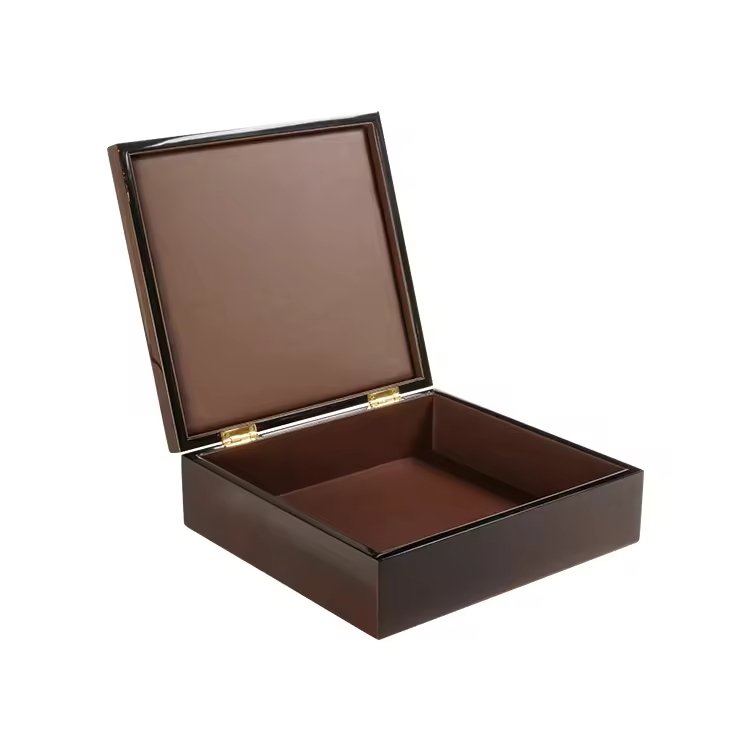
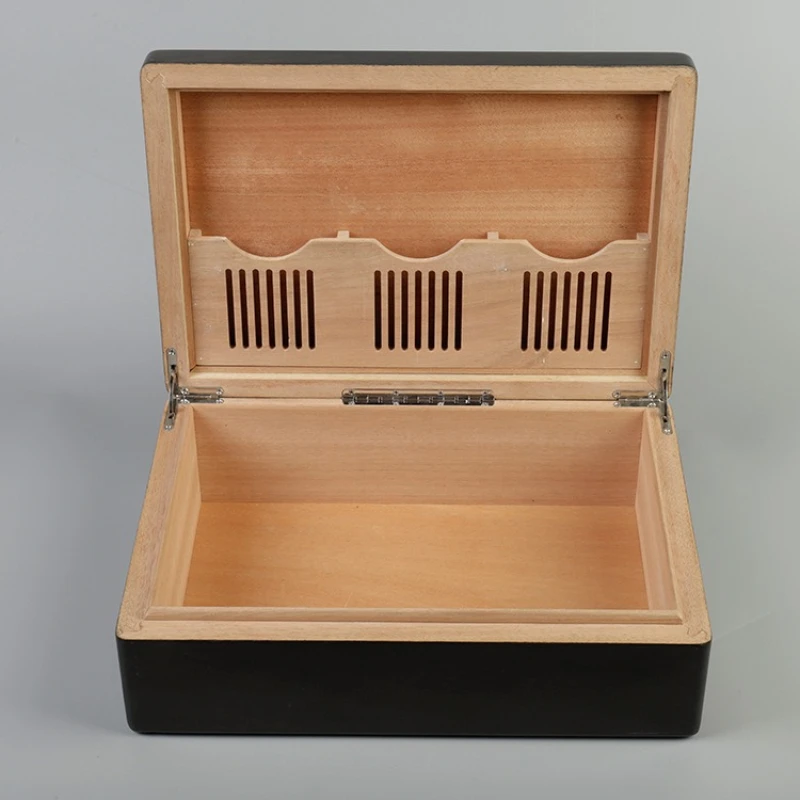
Cigar boxes need internal dividers not only for organization but also for proper cigar aging. The choice of material—solid wood, cedar plywood, or composites—matters greatly.
Internal dividers are usually made from Spanish cedar solid wood or cedar plywood, with composite boards used only in cost-sensitive or decorative projects.
Over the years, I have made many types of cigar boxes for different brands. I often explain that the divider is not just a piece of wood—it plays a role in function, aesthetics, and cost balance. Let me explain the reasoning.
Why are internal dividers important for cigar storage and presentation?
A cigar box without dividers looks simple, but it can create storage problems. Dividers add both structure and style.
Internal dividers keep cigars separated, prevent damage, and enhance presentation while helping maintain airflow inside the box.
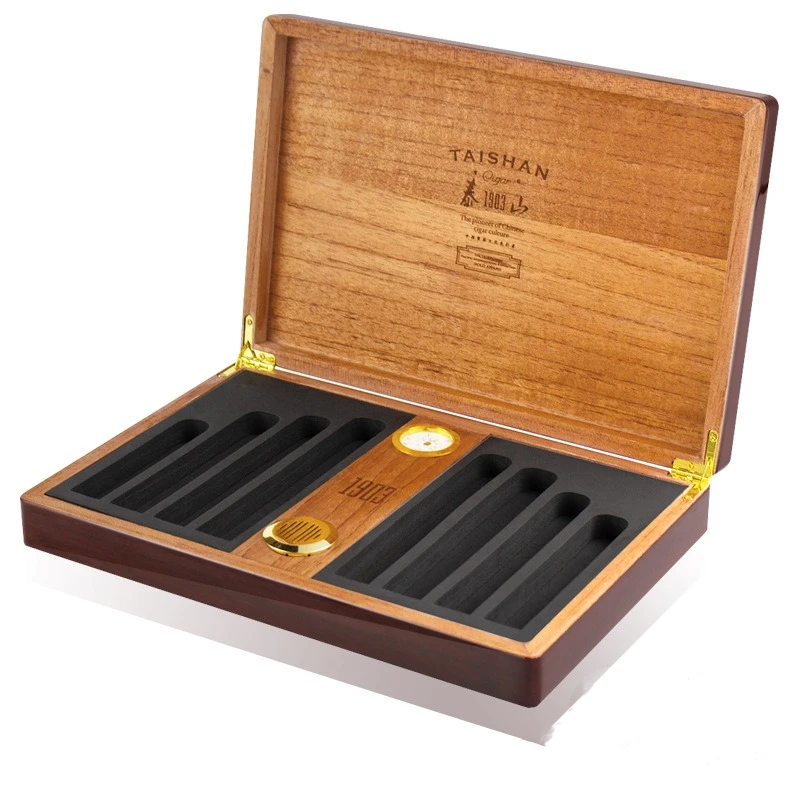
Dividers serve multiple purposes. They create order by separating cigars into neat rows. This prevents cigars from pressing against each other, which can cause wrapper cracks. For luxury brands, dividers also improve the unboxing experience. A neatly arranged cigar box feels more professional and exclusive.
Key roles of dividers:
- Protection: Reduce cigar movement during transport.
- Presentation: Organize cigars for visual appeal.
- Airflow: Allow circulation of humidity across rows.
- Customization: Offer flexible layouts for different cigar sizes.
I once produced a large humidor box with no dividers. During shipment, some cigars arrived with surface damage. After that, the client insisted on cedar dividers in every production run. This shows why dividers are not optional—they are functional and aesthetic at the same time.
What advantages does solid wood bring to divider durability and cigar protection?
Solid wood is the most traditional material. Many brands prefer it because of its natural look and long-lasting strength.
Solid cedar dividers are strong, durable, and provide the best cigar aroma and humidity regulation.
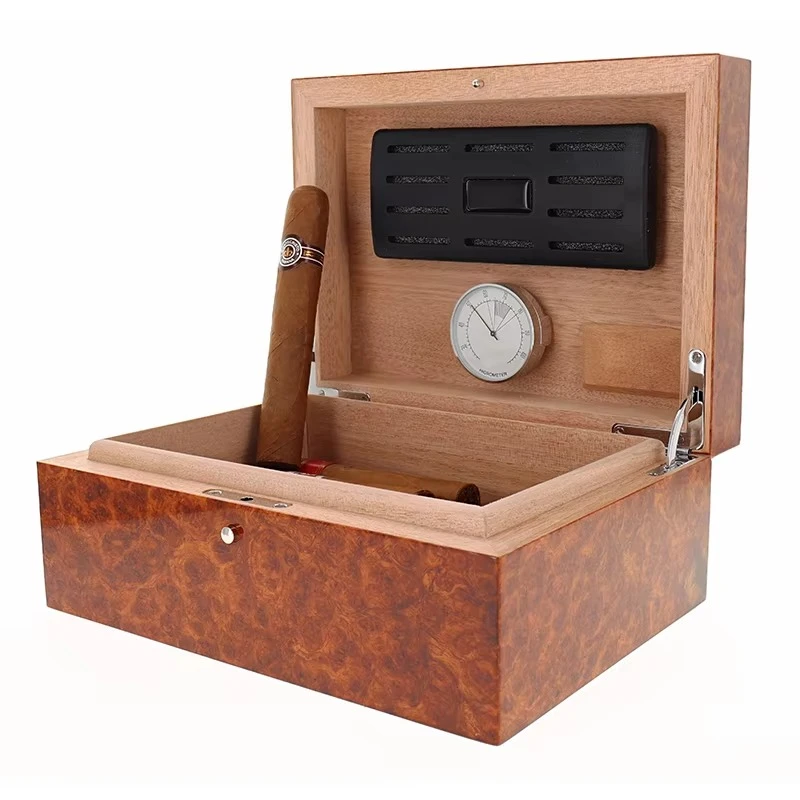
Spanish cedar is the most common solid wood used. It has a pleasant aroma that enhances cigar aging. Its natural oils repel tobacco beetles and help regulate moisture. When used as dividers, it ensures cigars stay safe, fresh, and stable.
Benefits of solid cedar dividers:
- Strength: Can handle frequent handling without breaking.
- Natural humidity control: Absorbs and releases moisture effectively.
- Aroma contribution: Enhances cigar flavors during storage.
- Prestige: Adds authenticity to luxury brands.
Limitations:
- Higher cost compared to alternatives.
- More prone to warping if not dried properly.
- Requires skilled machining for precise fitting.
For premium cigar brands, solid wood dividers are almost always the first choice. When the client wants a humidor-grade interior, I always recommend solid cedar. It adds both function and luxury.
How does cedar plywood balance cost, stability, and humidity control?
Not every client wants to pay for solid wood. Cedar plywood offers a smart balance of quality and price.
Cedar plywood dividers provide good stability and humidity performance at a lower cost compared to solid wood.
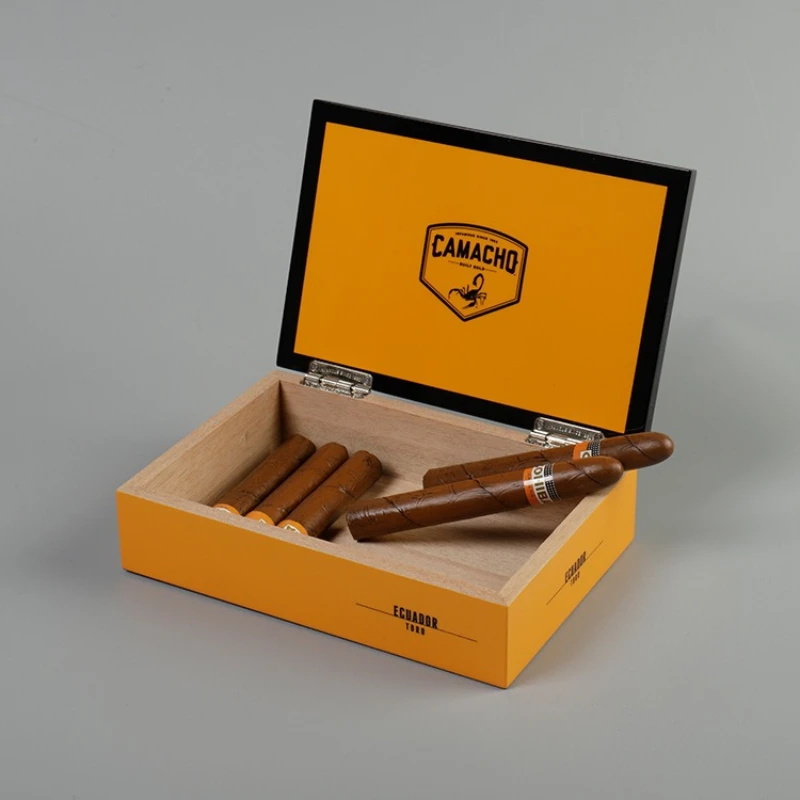
Cedar plywood is made by pressing thin layers of cedar veneer over a core, often poplar or birch. This makes it more stable than solid wood, with less chance of warping. It is also easier to cut into thin sheets for lightweight dividers.
Advantages of cedar plywood:
- Lower cost: Uses less cedar overall, making it budget-friendly.
- Dimensional stability: Less warping than solid wood.
- Moderate humidity control: Cedar veneer still provides breathing and aroma.
- Lightweight: Keeps overall box weight down.
Trade-offs:
- The cedar aroma is weaker than full solid cedar.
- Over time, veneers may chip if poorly finished.
- Thin edges may show layers unless carefully polished.
I often use cedar plywood for mid-range cigar boxes. It is a smart option for clients who want the cedar effect but need to control cost. In some cases, the difference in aroma is acceptable, especially if the cigars are not stored long term in the box.
In which cases are composite boards or engineered materials a better option?
Not every project demands cedar. For certain markets, composite boards can be practical.
Composite boards like MDF or particleboard are used when cost is critical, or when dividers are mainly decorative.
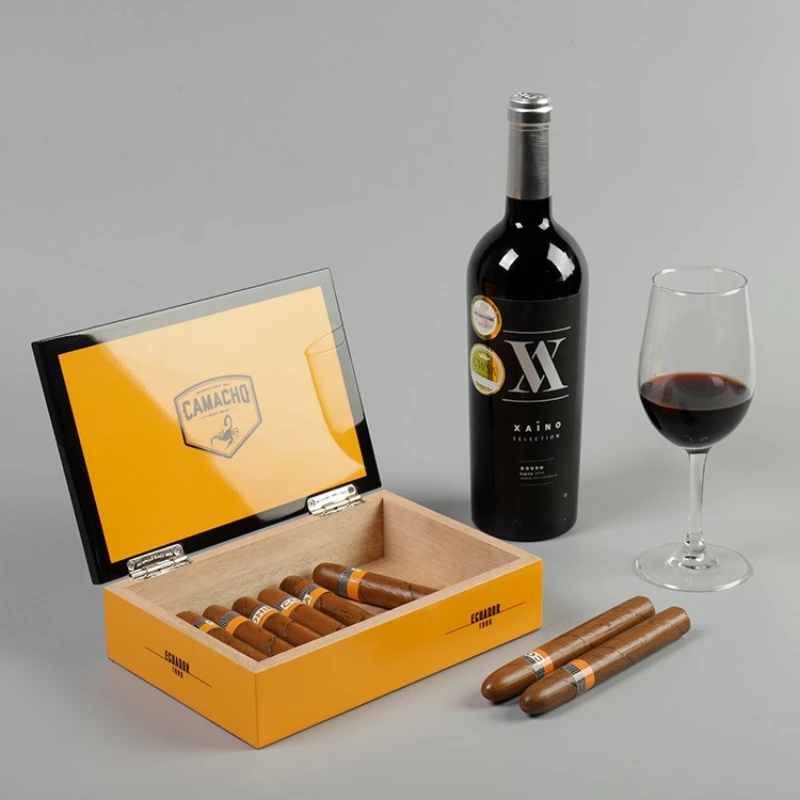
Composites are cheaper and easier to cut precisely. When covered with cedar veneer or paper, they look acceptable. However, they do not regulate humidity and provide no aroma. For this reason, they are used only in low-end boxes or where the divider’s role is mostly for presentation.
When composites are used:
- Gift packaging for short-term display.
- Mass-market cigar boxes where price is the main factor.
- Decorative dividers with no long-term storage need.
Limitations:
- No humidity control.
- No aroma benefits.
- Can swell if exposed to moisture.
I remember a project for a promotional cigar box where cost was the client’s top concern. We used MDF dividers with cedar veneer. The look was fine, but I advised the client that the box was not suitable for aging cigars. He agreed, since the cigars were for quick gifting, not long storage.
How do weight, thickness, and precision cutting affect the choice of divider material?
The physical build of dividers matters. Thickness and cutting accuracy change both function and cost.
Divider material choice depends on strength, weight balance, and the precision of cutting required for the design.
Key factors:
-
Thickness
- Thin dividers save space but require stable materials like plywood.
- Thick dividers look sturdy but add weight and reduce cigar capacity.
-
Weight
- Solid cedar is heavier. Good for luxury boxes but not always for travel boxes.
- Plywood and composites reduce overall weight.
-
Precision cutting
- Complex layouts need laser or CNC cutting. Plywood handles this well.
- Solid wood may chip if cut too thin.
- MDF offers clean cuts but lacks durability.
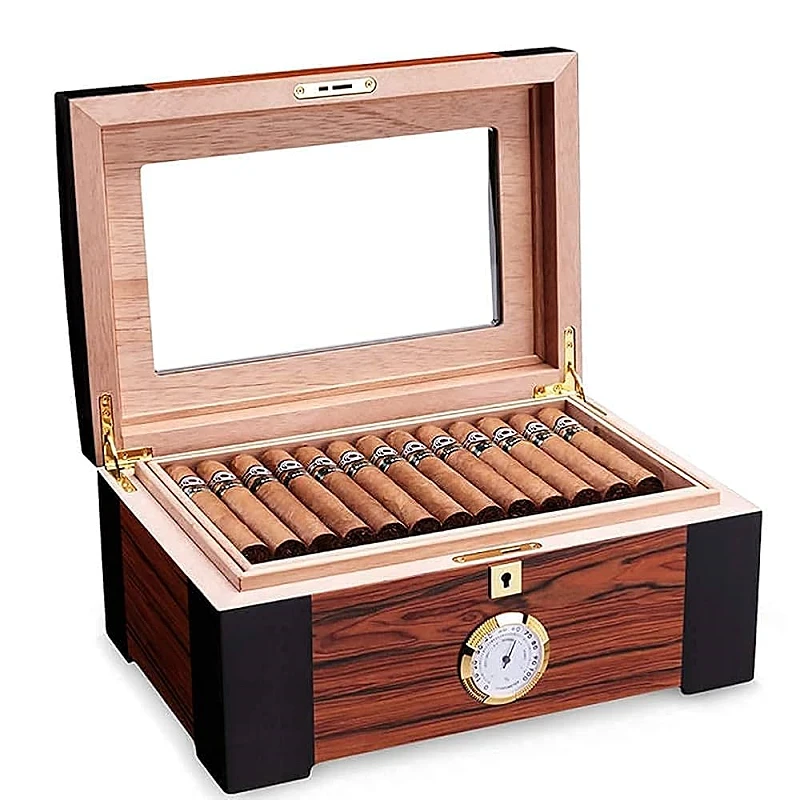
When making large humidors with removable trays, I often use cedar plywood. It is light, precise, and stable. For smaller boutique boxes, solid cedar feels better in the hand. This balance depends on the project’s purpose.
What should manufacturers consider when recommending divider materials to clients?
Every client has different priorities. As a manufacturer, guiding them with clear reasoning builds trust.
Manufacturers should match divider material with client budget, storage needs, and brand positioning.
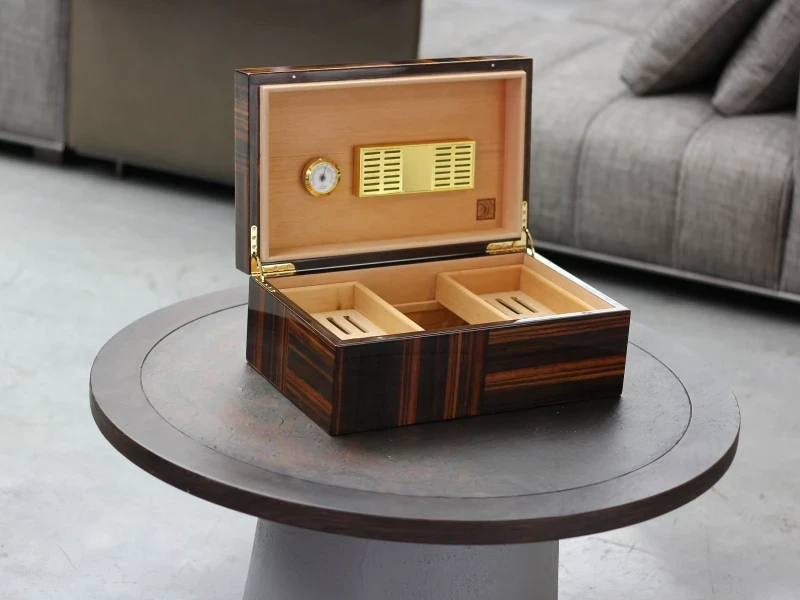
My recommendation process:
- If client values cigar preservation → Solid cedar is the best choice.
- If client balances cost and function → Cedar plywood offers stability and aroma.
- If client cares only about looks → Composites with veneer can work.
- If climate is humid → Avoid MDF, as it swells easily.
- If brand is luxury → Never sacrifice cedar, as customers expect authenticity.
I always explain the pros and cons honestly. For example, one of my US clients wanted plywood dividers for cost reasons. But since his brand positioned itself as premium, I convinced him to use solid cedar instead. Later, his customers praised the aroma and authenticity. This decision reinforced his brand’s image.
Conclusion
Divider materials must balance aroma, cost, and durability. Solid cedar remains best, plywood is a good compromise, and composites are only for decorative use.
Brand Name: WoodoBox
Slogan: Custom Wooden Boxes, Crafted to Perfection
Website: www.woodobox.com
WhatsApp: +86 18359265311




 English
  Español
  Português
  Deutsch
  Français
  Italiano
  العربية