Ir al contenido
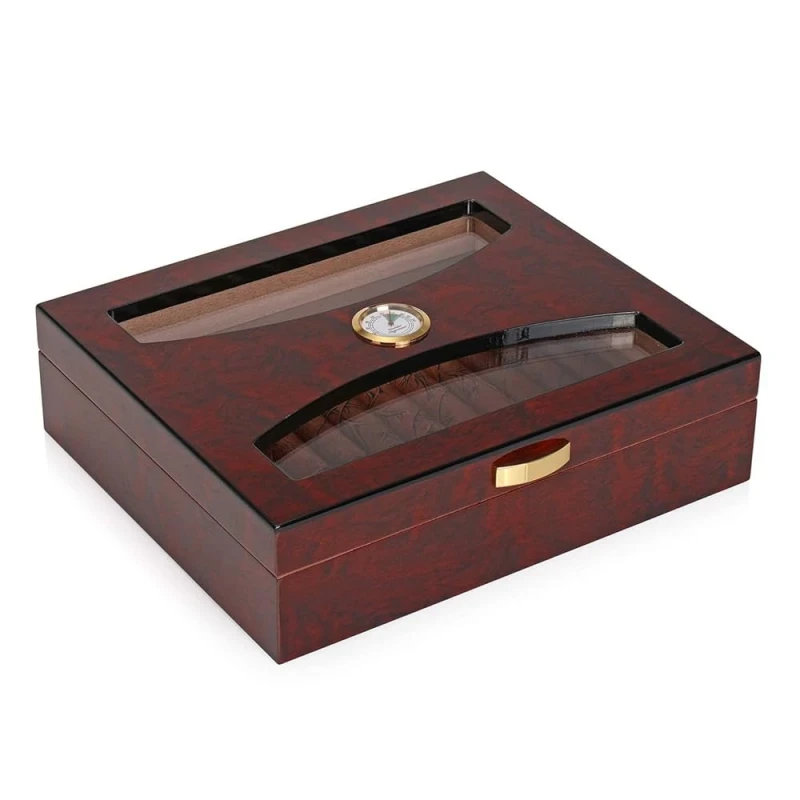
When cigars travel across climates, condensation on the lid interior is a silent killer of flavor and texture.
Condensation happens when warm, humid air inside the box meets a cold lid surface. Structural design can prevent fogging by balancing humidity, insulation, and airflow control.
Cigar boxes for global shipping face this problem often. Without proper design, cigars arrive damp, moldy, or unevenly conditioned. A well-built structure prevents this invisible damage.
Why does condensation form inside a cigar box when moving through different temperature zones?
Cigars breathe moisture, and air inside the box holds humidity.
Condensation forms when the warm, moist air inside touches a cooler lid, causing water droplets to appear on the surface.
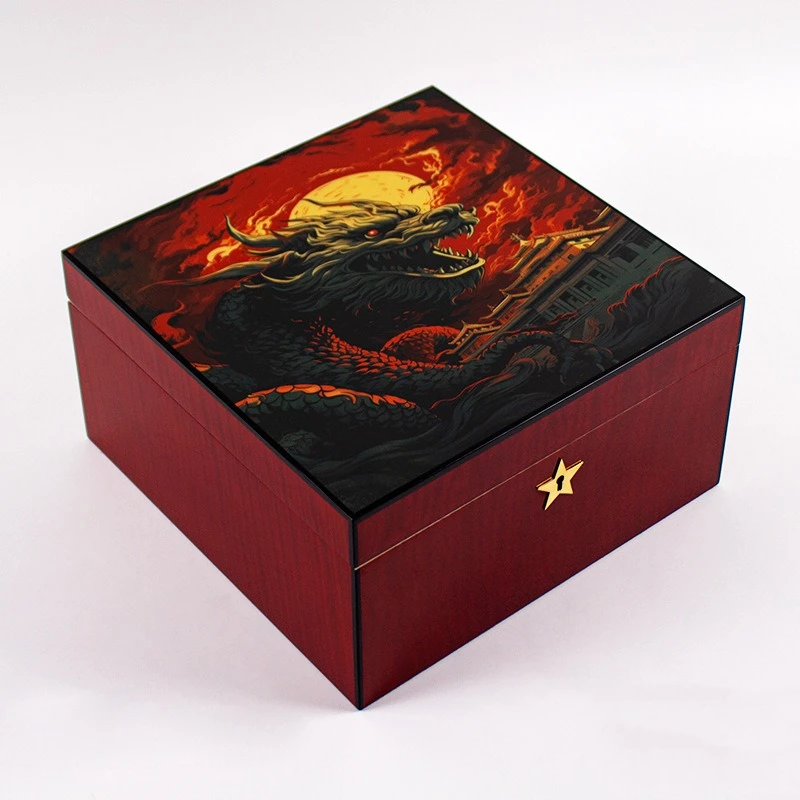
When a box travels from tropical humidity to a cold warehouse, the inside lid becomes the coldest surface. Moist air inside cools quickly on contact, forming fog or water droplets. These droplets then fall onto cigars, staining wrappers or creating uneven burns.
Key Factors Behind Condensation
- Temperature Drop: Sudden cooling makes surfaces dew points.
- Nivel de humedad: Higher RH inside increases condensation risk.
- Surface Material: Non-porous lids (lacquer, glass) show fogging faster.
I once shipped a batch of piano-lacquer humidors to Northern Europe in January. Many came back with water stains inside. From then on, I redesigned lids with inner cedar buffers to prevent condensation.
Can double-wall or insulated lid structures reduce the risk of internal fogging?
Cold surfaces create fog, so the solution is insulation.
Double-wall or insulated lids slow down temperature transfer, reducing the chance that inside air cools enough to condense.
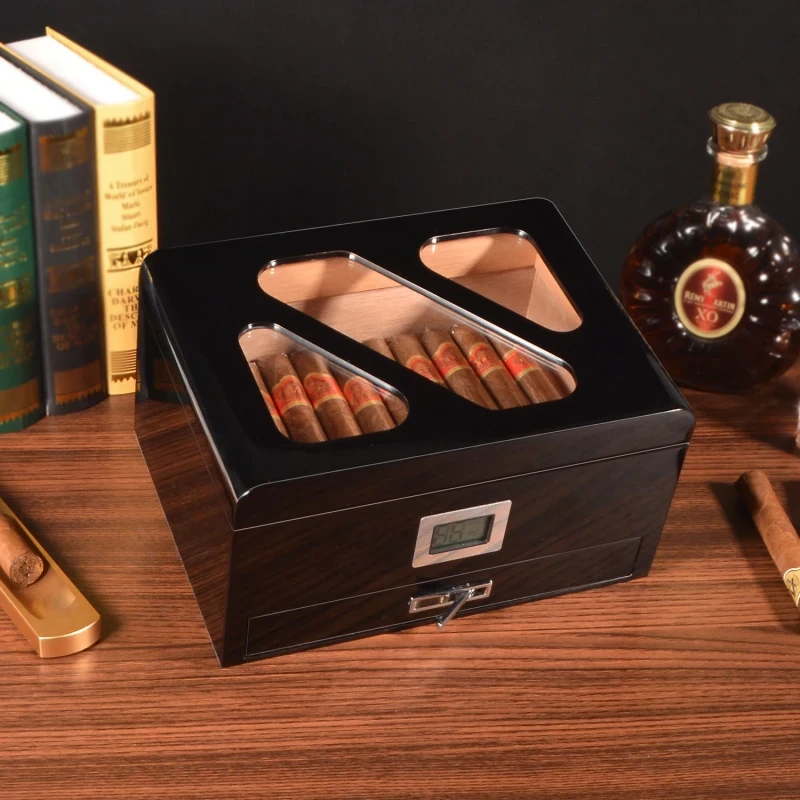
By using two layers, the outer wall takes the cold shock while the inner wall stays warmer. This prevents the interior air from reaching dew point so quickly. Some brands use MDF cores with cedar or felt lining for natural insulation.
Example Lid Insulation Methods
| Tipo de estructura | Material | Beneficio |
|---|---|---|
| Double-wall Lid | MDF + chapa | Slows temperature transfer |
| Foam Core Lid | PU foam inside | Lightweight insulation |
| Cedar Sandwich | Cedar + lacquer | Natural buffer plus elegance |
I once worked with a Canadian distributor who had severe fogging during winter shipping. After switching to double-wall lids with cedar inner panels, their problem disappeared. This small change saved them thousands in returns.
How do air gaps or thermal buffer layers help balance inside and outside temperatures?
Temperature shock happens when there is no buffer.
Air gaps or thermal layers act as cushions, slowing the speed at which outside cold reaches inside surfaces.
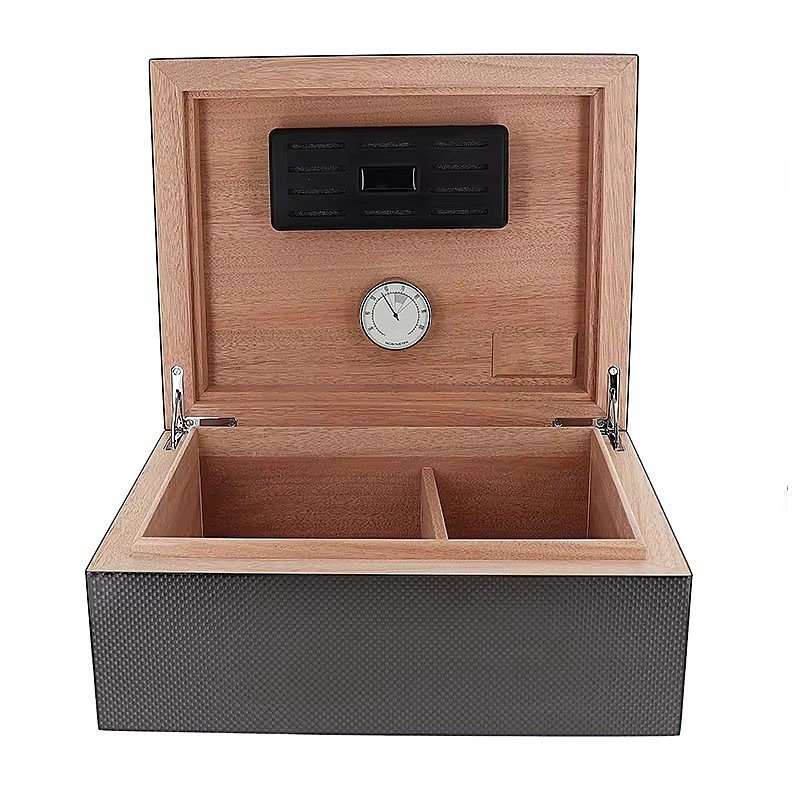
A 2–4mm air gap inside the lid can work like a mini insulation chamber. Air does not transfer heat as fast as solid wood or lacquer. This space reduces condensation risks by balancing the difference between inside and outside temperature.
Thermal Buffer Approaches
- Air Chambers: Empty pockets inside lids or walls.
- Cork or Felt Pads: Natural insulators added behind cedar lining.
- Layered Veneers: Alternating woods create natural thermal resistance.
One of my best results came from using a cedar + MDF + air-gap design. This triple structure kept inside air balanced, even during flights from humid Asia to freezing Europe.
Should interior lining (like Spanish cedar) absorb excess moisture before it condenses?
Moisture always looks for balance.
Spanish cedar lining absorbs excess humidity before it condenses on the lid, making it one of the best natural anti-fog features in cigar boxes.
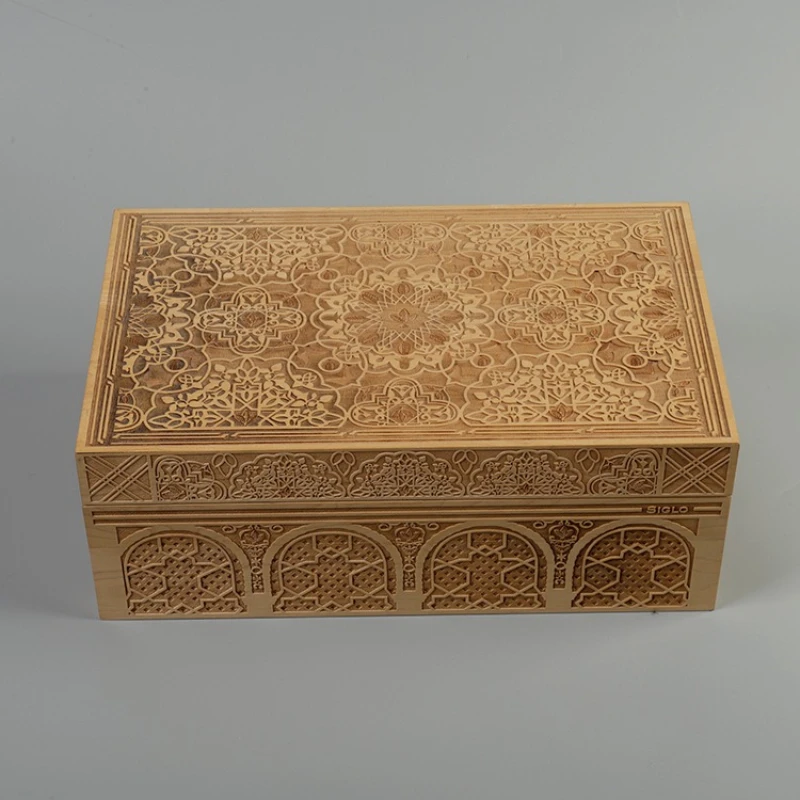
Spanish cedar is porous and holds water vapor temporarily. When the inside air becomes oversaturated during cooling, cedar lining pulls in that excess. This prevents droplets from forming on non-porous surfaces like lacquer or glass.
Cedar as Anti-Fog Agent
- Moisture Absorption: Stores excess vapor.
- Gradual Release: Returns humidity slowly later.
- Natural Aroma: Enhances cigar scent while buffering RH.
I usually recommend 4mm minimum cedar lining for export cigar boxes. One client once insisted on thin 1mm veneer to save cost, but their boxes arrived with fogging. After upgrading to thicker cedar lining, the problem ended.
How do seals, vents, or one-way valves help release trapped moisture safely?
Sometimes condensation cannot be fully avoided. Then release becomes essential.
Seals, vents, or one-way valves help control air exchange so that trapped moisture escapes without drying cigars too fast.
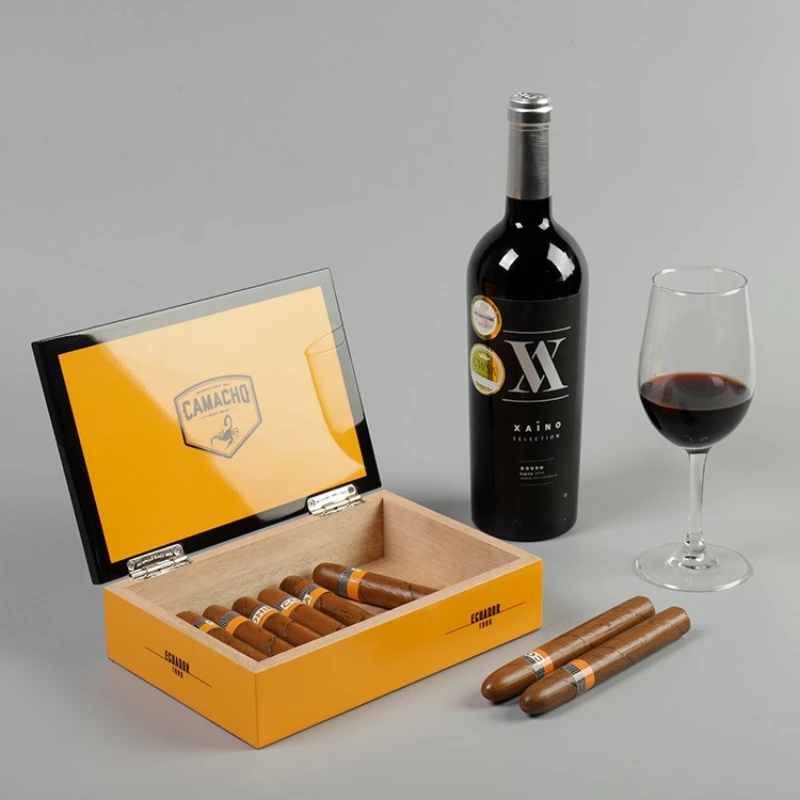
A good silicone or rubber seal prevents uncontrolled airflow but also risks trapping too much moisture. To solve this, some boxes include micro vents or one-way valves, which allow extra humidity to escape when pressure builds up.
Control Mechanisms
| Característica | Función | Lo mejor para |
|---|---|---|
| Tight Seal | Keeps stable RH | Humidificadores de alta calidad |
| Micro Vent | Releases slow moisture | Travel boxes |
| One-Way Valve | Prevents backflow | Air transport packaging |
One luxury brand I worked with used a hidden one-way valve at the back of the lid. It released pressure during flights but kept cigars safe from drying. Clients were impressed because their cigars always arrived without stains.
What structural design strategies ensure both humidity stability and anti-condensation protection during transport?
The best design balances stability and prevention.
Combining cedar lining, insulated lids, and controlled venting ensures humidity stays balanced while preventing condensation during transport.
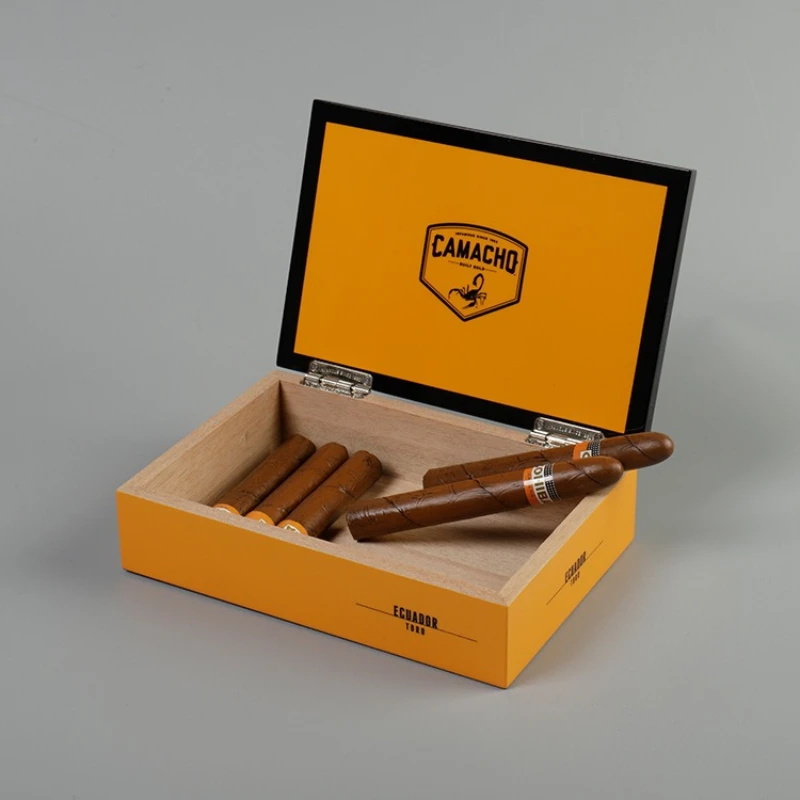
Ideal Anti-Condensation Cigar Box Structure
- Outer Shell: Lacquer or veneer for luxury appearance.
- Insulated Lid: Double-wall or air-gap design.
- Revestimiento de cedro: Thick enough for moisture buffering.
- Seal or Valve: Controls moisture escape when pressure changes.
I once designed a humidor for a Middle Eastern brand shipping cigars from Cuba through Europe. We built in cedar lining, air-gap lids, and hidden valves. Despite extreme climate shifts, their cigars arrived in perfect condition. This design became their signature selling point.
Conclusión
A cigar box with smart insulation, cedar lining, and venting prevents fogging and keeps cigars safe during long-distance climate changes.
Marca: WoodoBox
Eslogan: Cajas de madera personalizadas, hechas a la perfección
Página web: www.woodobox.com
WhatsApp: +86 18359265311

 Español
  English
  Português
  Deutsch
  Français
  Italiano
  العربية