跳到内容
跳到内容 
I know many people think a sealed perfume lasts forever, but it still faces slow and quiet changes over time.
Yes, unopened perfume can expire, but it ages much slower. Most bottles stay stable for many years when stored in a cool, dark, and steady place.
I want to show you how and why this happens, so you can protect your perfumes and enjoy the same scent the perfumer created.
How long can an unopened perfume stay fresh and stable on the shelf?
I often see buyers panic when they find an old sealed bottle in their closet, because they worry the scent has already gone bad.
Most unopened perfumes stay fresh for five to ten years, sometimes longer, if the storage environment stays cool and dark.
When I talk with fragrance founders, many share that shelf life depends on how steady the environment is. A stable room temperature protects the formula. A dark place blocks UV damage. A sealed sprayer stops air from entering. These simple factors help the perfume keep its original balance.
Why unopened perfume lasts this long
Perfume formulas are blends of top, middle, and base notes. Every part responds differently to oxygen, light, and heat. Even when sealed, molecules shift over time. But the change is slow.
Shelf Life Comparison Table
| Perfume Type | Expected Freshness When Unopened | Notes |
|---|---|---|
| Eau de Parfum (EDP) | 6–10 years | More oils, better stability |
| Eau de Toilette (EDT) | 5–8 years | Lighter top notes fade sooner |
| Perfume Extract | 10+ years | Least exposure to air, very stable |
| Citrus-heavy perfume | 3–5 years | Sensitive top notes |
| Woody/resin perfumes | 8–12 years | Very stable materials |
Deep look at long-term freshness (250+ words)
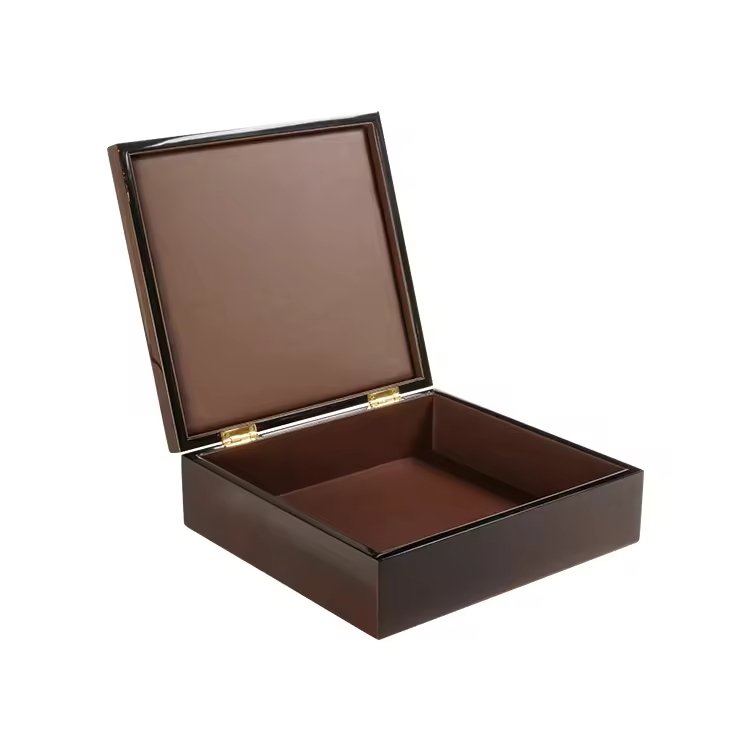
Perfume ages like many natural creations. It does not spoil overnight. It changes in small, slow steps. When a perfume bottle stays sealed, the liquid has almost no contact with oxygen. This slows oxidation. This is why many high-end brands store their archive bottles in sealed conditions for many years. I see this often when brands work with me to make custom wooden boxes. They want packaging that protects their archive samples from day-one testing batches to final production tests.
A sealed bottle keeps its composition stable because the alcohol inside blocks bacteria growth. Perfume does not rot. It transforms. So the question is not “Will unopened perfume go bad?” but “How long does it stay close to the original scent?” In my experience working with luxury brands, the answer depends on the formula strength, oil quality, and storage conditions.
Citrus, green, and aromatic materials fade faster. These molecules are bright but fragile. Even in perfect storage, they slowly soften. Floral, woody, and resin materials hold their shape much longer. I once helped a brand package a ten-year-old archive fragrance sample. It was sealed and stored in a wooden box. When they opened it, the base notes were almost unchanged. The top softened a little, but the scent was still beautiful.
So unopened perfumes can stay fresh for a long time. But no perfume is completely frozen in time. That is why proper storage matters more than anything else.
What factors—light, temperature, ingredients—still affect a sealed bottle?
I hear buyers say, “It’s sealed, so nothing can touch it.” But the environment always touches it.
Light, heat, and unstable room conditions can still affect a sealed perfume because the liquid reacts to energy, not only air.
Perfume molecules respond to temperature changes. Light breaks chemical bonds. Even inside a box, extreme heat can speed oxidation. Even inside a cabinet, sunlight still warms the bottle a little.
Key environmental factors
1. Light
Light is the fastest way to damage perfume. UV rays break down bright notes first. This is why most perfume bottles use tinted or coated glass.
2. Temperature
Heat speeds oxidation. Cold slows it. A stable cool temperature is the best protector.
3. Ingredients
Natural citrus oils are more fragile. Woods, resins, and musks are stronger.
Deep dive into environmental effects (250+ words)
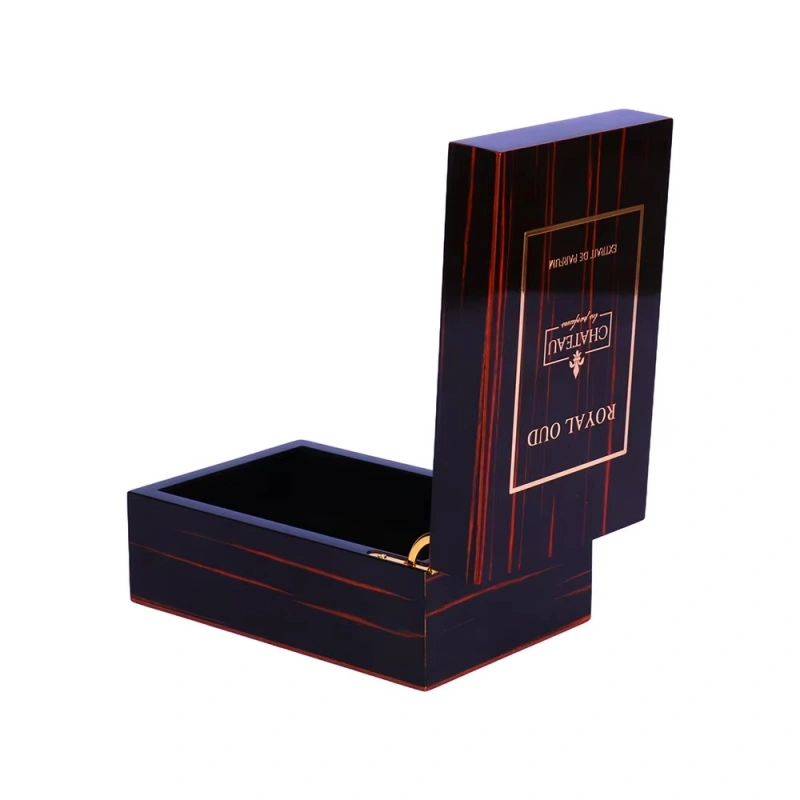
I learned early in my manufacturing career that perfume behaves like a living liquid. It reacts to everything around it. When brands ask me to design wooden boxes, they often explain the lighting conditions in their retail stores or warehouses. Many prefer wooden boxes because wood blocks light and slows temperature swings. Even a sealed bottle benefits from this protection.
Light is powerful. Even hidden inside a cabinet, long exposure to indirect sunlight warms the air. Warm air warms the bottle. Warm liquid reacts faster. Perfume molecules that make citrus bright or herbs crisp break down when they absorb too much energy. This is why old citrus perfumes turn dull and flat.
Temperature is the second key. I once visited a warehouse where the air conditioning was inconsistent. The temperature rose and fell several times a day. Even though the bottles were sealed, many showed early color shifts. The buyer asked me why. The answer was simple: perfume likes stable conditions. It dislikes sudden changes.
Ingredients decide stability. Synthetic aroma molecules are often more stable because they are engineered to resist heat and light. Natural oils feel more delicate. When a perfume blends both, the natural parts change first. This creates imbalance.
So even sealed bottles need care. The environment never stops shaping the liquid inside.
Do certain perfume styles age better than others when unopened?
Many clients ask me, “Which perfumes survive time best?” This is a smart question, because formula style matters more than bottle design.
Yes, woody, resin, amber, and musk perfumes age better when unopened. Citrus, green, and fresh perfumes age faster.
Perfume styles and aging behavior
| Style | Aging Behavior | Reason |
|---|---|---|
| Woody | Very stable | Strong molecules |
| Amber / Oriental | Very stable | Heavy base notes |
| Musk | Stable | Synthetic molecules |
| Resin / Balsamic | Stable | Thick, slow-reacting materials |
| Citrus | Less stable | Fragile top notes |
| Green / Fresh | Less stable | Light molecules fade fast |
Deep dive into perfume style stability (250+ words)
Perfume style shapes its aging path. I see this often when clients send me formulas to test packaging conditions. Woody and resin perfumes have strong molecular structures. They resist heat. They resist light. They stay balanced even after many years. These perfumes age like leather or wood. They soften but rarely collapse.
Amber and oriental perfumes behave in a similar way. They use heavier base notes such as vanilla, benzoin, and amber molecules. These materials hold their shape. Some even grow richer. I opened a seven-year-old sample for a client once. The top was quieter, but the core was deep and warm. They loved the change.
Musk perfumes also survive time well. Most musks used today are synthetic. They resist oxidation. They support the whole formula. Many perfumers rely on musk to improve long-term stability.
Citrus perfumes age the fastest. Bergamot, lemon, grapefruit, and lime oils are fragile. They break down under heat and light. Even when sealed, they fade faster than other notes. This is why many fresh perfumes lose brightness after a few years.
Green notes behave in a similar way. They smell crisp and light. But their molecules are thin. They do not survive long shelves unless stored very well.
So if you want a perfume that lasts decades when sealed, choose something heavy, woody, or musky.
Can an unopened perfume still change in color or scent over time?
People often think a sealed bottle means zero change. But time still moves.
Yes, unopened perfume can change in color or scent. These changes happen slowly and do not always mean the perfume is spoiled.
Typical changes you may see
Color shift
The liquid becomes darker or more yellow. This often happens with natural oils.
Scent shift
The top notes fade first. The base notes come forward. The scent feels warmer or smoother.
Sediment
Rare but possible in natural-heavy formulas.
Deep dive into how and why perfume changes (250+ words)
When a perfume ages, it follows a simple path. The top notes fade. The middle softens. The base warms. This is natural and expected. Even sealed perfumes follow this path, just more slowly.
Color change comes from two things: oxidation and natural oil evolution. Natural materials hold pigments. When they react with tiny amounts of oxygen trapped during bottling, they darken. I saw this many times when brands asked me to check their old tester inventory. The bottles were sealed for years. Some turned golden. The scent inside was still fine.
Scent change happens because molecules break down. Top notes are the weakest. Citrus, herbs, and green notes disappear first. This makes the perfume feel rounder and heavier. Many vintage perfumes smell this way because the base becomes the star.
Sediment is rare. It happens when natural materials crystallize or separate. This usually appears in very old bottles or completely natural perfumes. It does not always mean damage. Often a gentle shake blends it back in.
So yes, unopened perfume changes. But this change is slow. Most of the time, the scent stays beautiful. The key is proper storage.
How should you store an unopened perfume to keep it at its best for years?
Many buyers ask me where to put their unopened bottles, especially when they stock large quantities for retail.
Store unopened perfume in a cool, dark, and steady place. Avoid sunlight, heat, humidity, and temperature swings.
Perfect storage rules
- Keep it away from windows.
- Keep it away from heat sources.
- Keep it inside a cupboard or drawer.
- Keep the temperature steady.
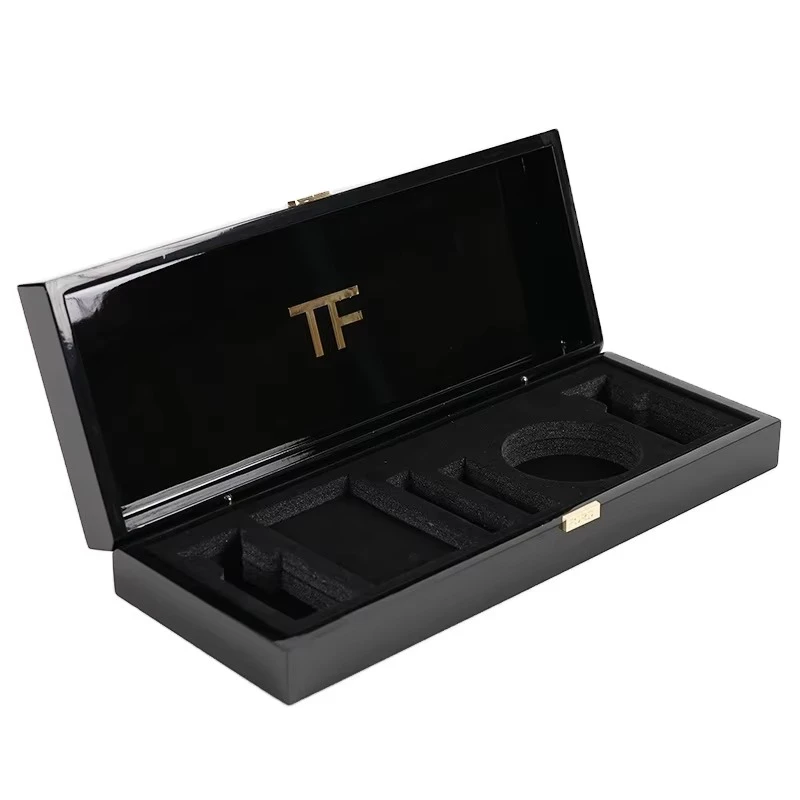
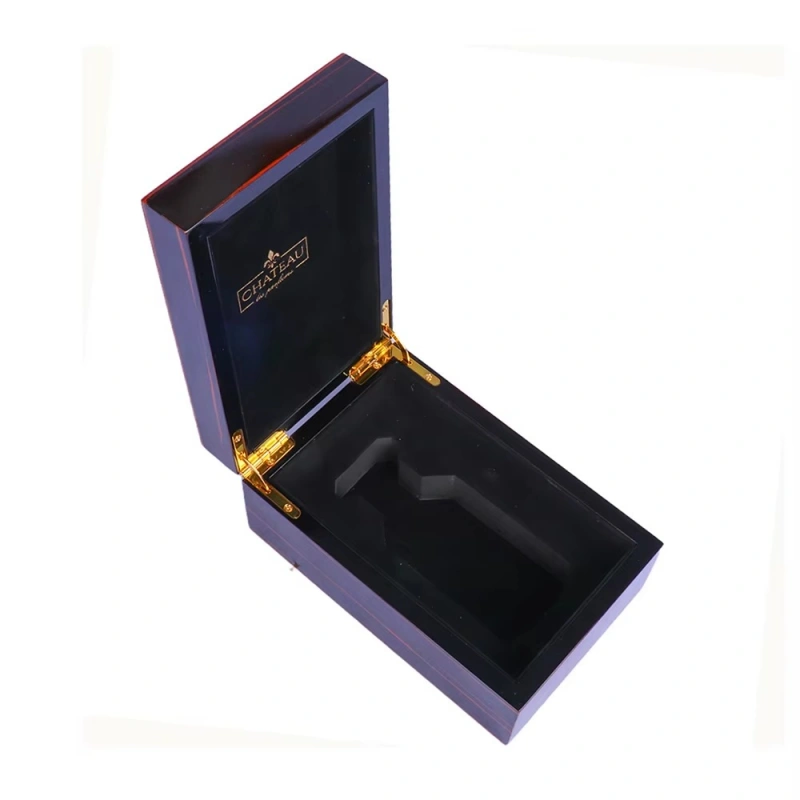
- Keep it in its original box or a wooden box.
Deep dive into long-term storage (250+ words)
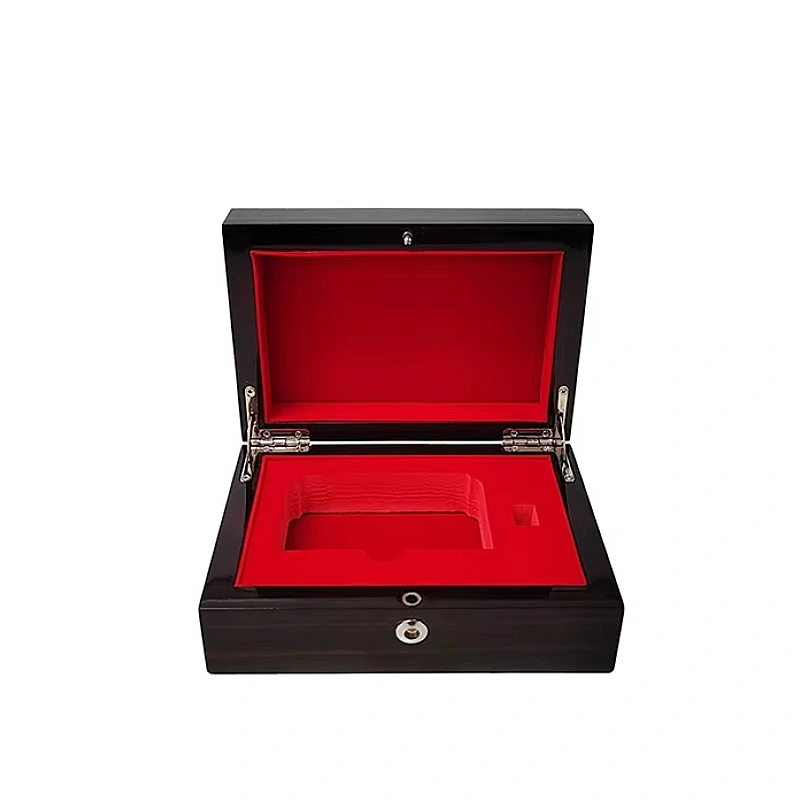
Good storage is simple, but it must be consistent. Perfume reacts to every environmental shift. So the goal is to create a stable environment. Many luxury brands use wooden boxes for this reason. Wood blocks light. It slows temperature changes. It creates a small insulated space around the bottle. I have designed many wooden boxes for perfume houses that needed their archive bottles to last ten or more years.
A closed drawer or cabinet is enough for personal collections. The key is to avoid sunlight. Sunlight triggers both heat and UV damage. Even short daily exposure adds up over years. Heat is the second enemy. A warm room speeds oxidation. A place near a heater is the worst spot for perfume.
Humidity matters too. While it does not enter the sealed bottle, it affects packaging materials. Paper boxes warp. Labels peel. A wooden box helps keep humidity stable.
I also advise buyers to avoid storing perfume in bathrooms. Bathrooms change temperature often. The air becomes hot and wet after showers. This is harmful to long-term perfume stability.
A steady, cool environment is the best protector. Many people store perfume around 15–20°C. But consistency matters more than the exact number.
When a perfume stays safe from light, heat, and moisture, it can rest for many years. When you open it, the scent feels true to the perfumer’s intention.
Conclusion
Unopened perfume can last many years when stored in a cool, dark, and steady place.
Brand Name: WoodoBox
Slogan: Custom Wooden Boxes, Crafted to Perfection

 English
  Español
  Português
  Deutsch
  Français
  Italiano
  العربية