跳到内容
跳到内容 
Perfume can lose its beauty when light, heat, or oxidation starts to change its structure.
Yes, perfume can expire. Most fragrances stay fresh for years, but their scent slowly changes as ingredients age and react with air, light, and temperature.
I want to explain why this happens in simple terms, and I want to share what I learned from perfumers I work with when we design custom wooden boxes for their high-end fragrances. These insights help buyers understand how to treat perfume with the respect it deserves.
How long does a typical perfume stay fresh before it starts to change?
Perfume often stays stable for many years, but it can shift early when it is stored in poor conditions.
A perfume usually stays fresh for 3 to 5 years, and many last longer when the formula is rich in stable base notes and stored in a cool and dark place.
When I speak with founders who create luxury perfume lines and package them in our wooden boxes, I hear the same idea again and again. A perfume does not spoil in one moment. It changes slowly. Many brands design formulas that stay beautiful for a long time, but every fragrance still moves through a natural aging process. This depends on the structure of the formula, the level of natural oils, the alcohol content, and the amount of exposure to air and heat.
What affects the “fresh years”?
| Factor | How it affects lifespan |
|---|---|
| High citrus content | Ages faster, often within 2–3 years |
| Strong resins, woods, amber | Stays stable for 5+ years |
| Natural oils | Change faster than synthetic molecules |
| Thick glass bottle | Protects better from light |
| Airtight spray system | Reduces oxidation |
I worked with a niche brand that loved bright lemon notes. Their perfume was wonderful, but they noticed the top notes softened after about two years. They later improved the storage strategy by choosing thicker protective boxes. On the other side, a musk-based perfume from another brand smelled almost the same after six years. This difference is normal. Each formula has its own rhythm.
A perfume does not lose quality overnight. It changes slowly. Some people even enjoy the soft, mellow tone of a well-aged scent. But if you want the perfume to stay true to the original vision, three to five years is the most common window.
What signs show that a perfume might be past its best—color, scent, or texture?
Perfume gives clear signals when it starts to shift, and most signs appear gently at first.
The clearest signs of aging are a darker color, a weaker or different scent, and a slightly thicker texture caused by oxidation over time.
When a perfume changes, it rarely becomes unsafe, but it becomes different. Many founders tell me they can predict the type of change by looking at the formula. Citrus perfumes often lose brightness. Floral perfumes sometimes become powdery. Anything with strong aldehydes can become sharp. Wood, musk, and resin notes change the least.
What you may notice when a perfume ages
1. Color shift
A fresh fragrance often has a clear or pale tone. Over time it becomes darker, often moving to light yellow or amber.
Color change is normal, but when it becomes very dark, it often means oxidation is strong.
2. Scent change
The top notes fade first.
Then the heart becomes soft.
Base notes usually stay longest.
When the scent becomes flat, sour, or oddly sharp, the perfume has aged past its ideal state.
3. Texture or spray difference
Some older perfumes feel slightly thicker or spray less smoothly.
This happens when evaporation and oxidation alter the liquid structure.
A simple visual guide
| Sign | Meaning | Should you stop using it? |
|---|---|---|
| Slight color shift | Normal aging | Safe to use |
| Dull top notes | Loss of freshness | Still usable |
| Sour or strange smell | Strong oxidation | Better to stop |
| Very dark color | Heavy aging | Avoid use |
Many perfumes age gently, and some become smoother. But if the scent becomes unpleasant or feels “off,” the perfume has moved beyond its best moment.
Why do some ingredients age faster, while others remain stable for years?
Different perfume notes react to oxygen, light, and heat in very different ways.
Strong top notes like citrus and green notes oxidize fast, while deep notes like woods, musk, and amber stay stable because their molecules are less reactive.
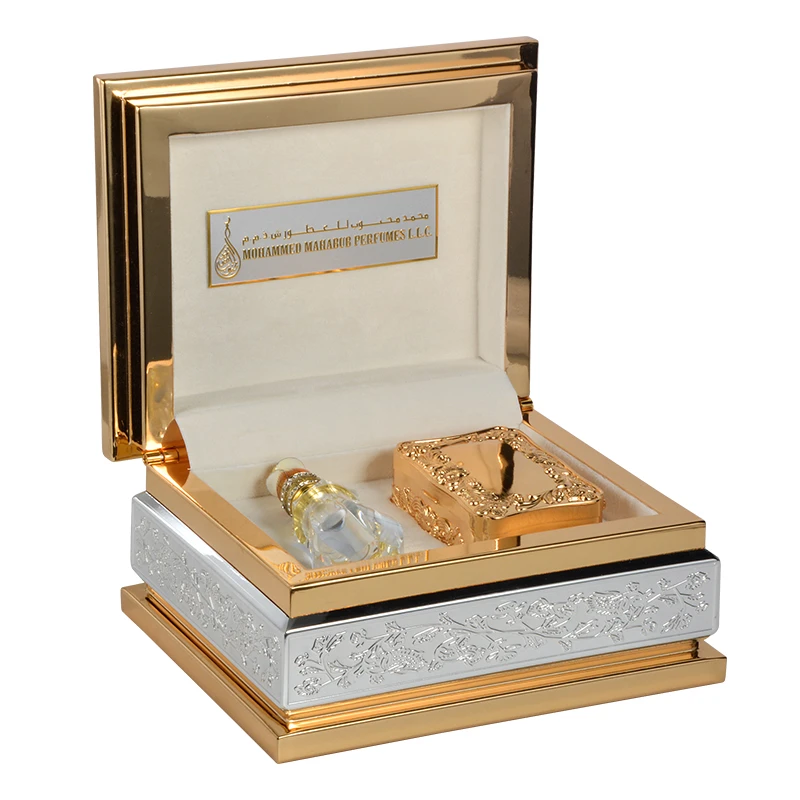
I learned this from perfumers who work with detailed formulas. They explained that every note has a different sensitivity. This sensitivity comes from the molecular shape and the natural or synthetic origin. Natural oils can be beautiful, but they are often fragile. Synthetic molecules can be more stable and predictable.
Ingredient families and their aging speed
Fast-aging notes
- Citrus (lemon, bergamot, orange)
- Light florals (lily of the valley, jasmine absolute)
- Green notes (galbanum, fresh leaves)
These notes break down fast when exposed to light or heat. That is why many bright perfumes lose their sparkle first.
Medium-aging notes
- Spices (pepper, cardamom)
- Aromatic herbs (lavender, rosemary)
These notes change in shape and warmth over time. They may become softer but often remain pleasant.
Slow-aging notes
- Woods (cedar, sandalwood)
- Resins (frankincense, myrrh)
- Amber, musk, vanilla
These notes carry weight and stability. They act like anchors in a formula and keep the perfume grounded as it ages.
Why base notes protect the perfume
| Note Type | Aging Speed | Why |
|---|---|---|
| Top notes | Fast | Small molecules, very reactive |
| Middle notes | Medium | More stable structure |
| Base notes | Slow | Dense, heavy, low volatility |
A perfumer once told me, “A perfume with a strong base does not panic with time.” I liked that sentence. It shows why some fragrances feel stable for a decade while others soften much faster.
How do storage conditions—light, heat, temperature swings—affect a perfume’s lifespan?
Perfume is more sensitive than most people think. Even a strong formula changes fast when exposed to the wrong conditions.
Light, heat, humidity, and temperature swings speed up oxidation and break down perfume molecules, causing faster loss of color, scent, and clarity.
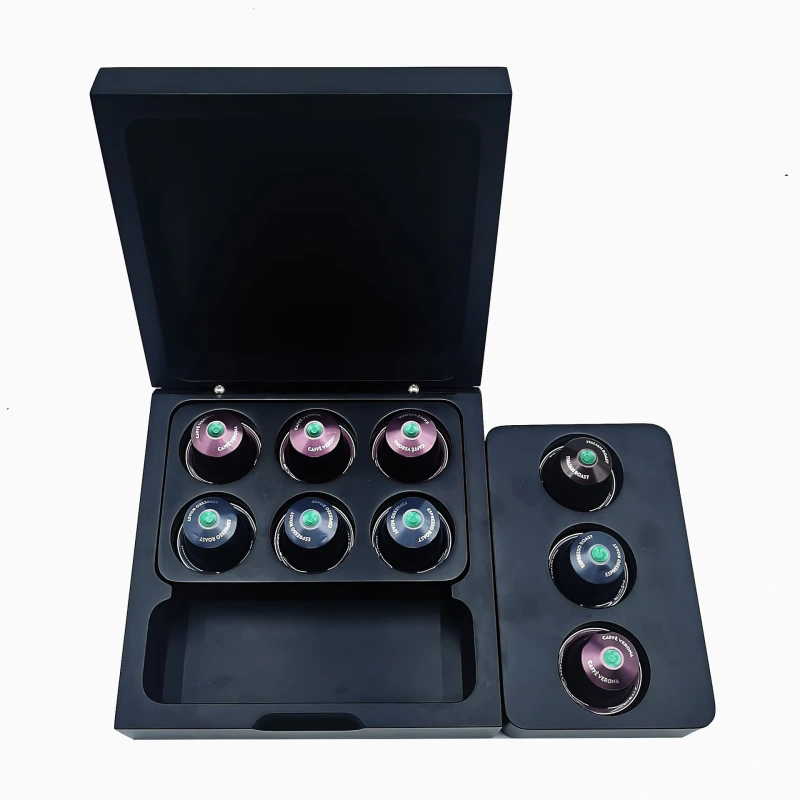
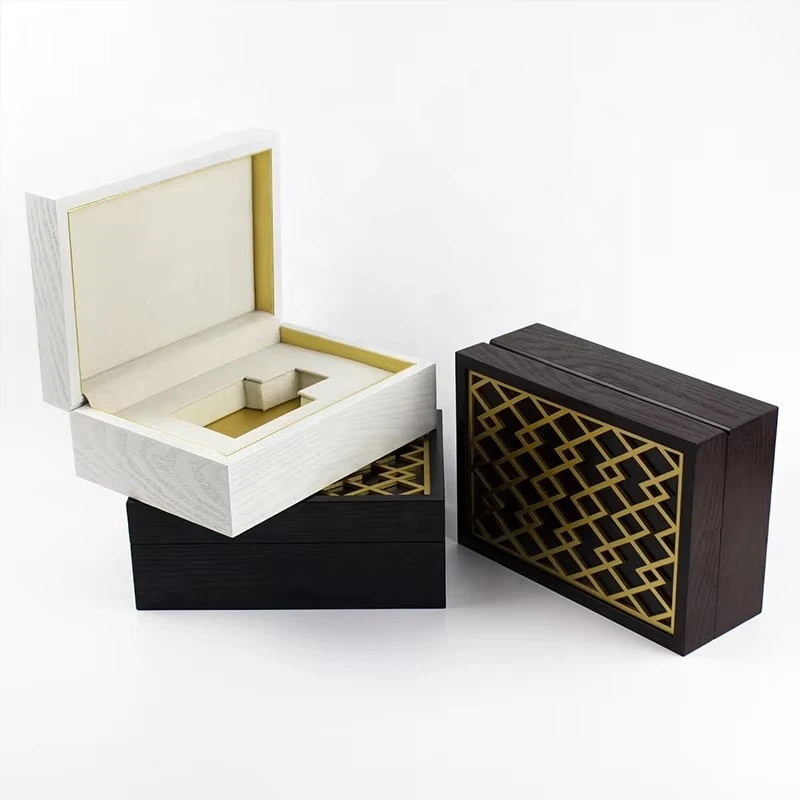
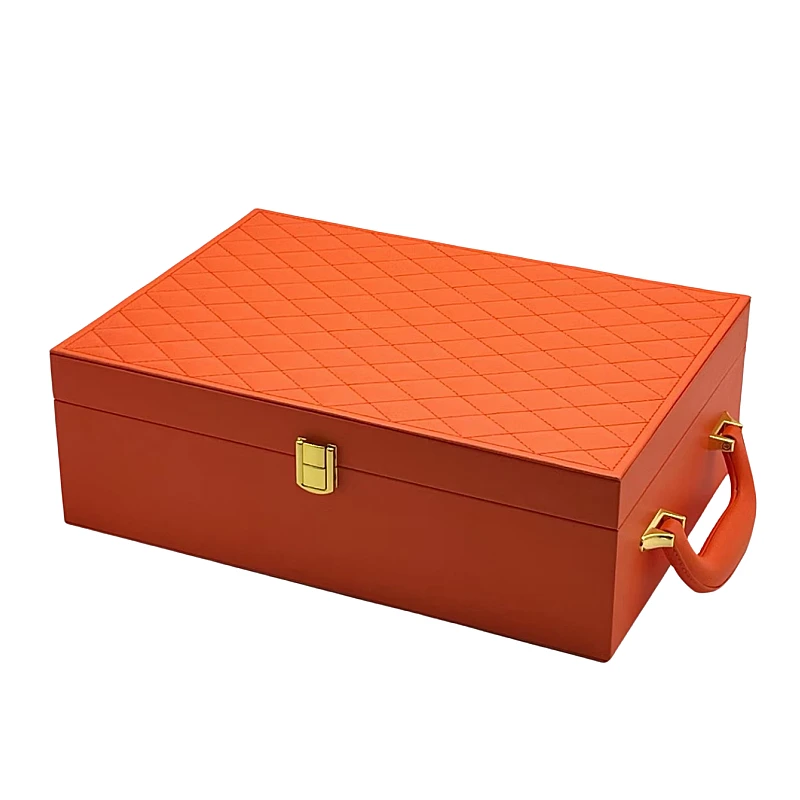
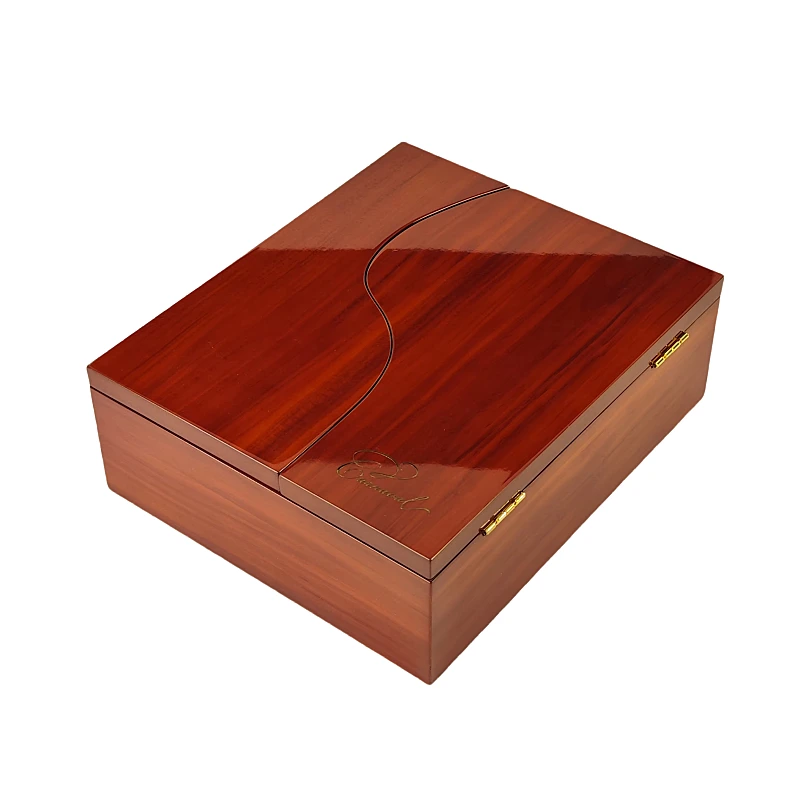
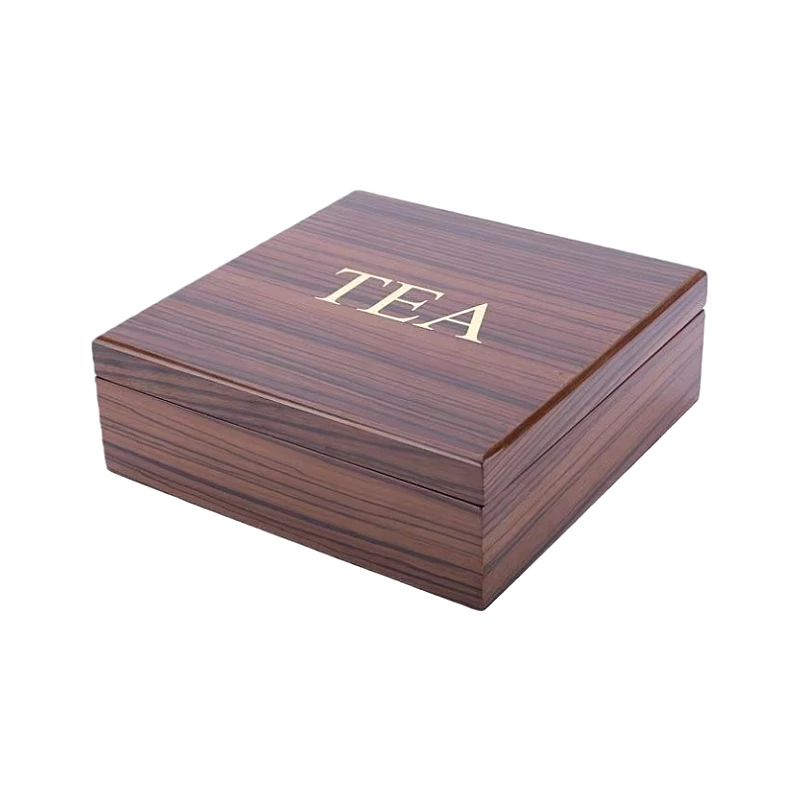
When I make wooden boxes for perfume brands, one of their concerns is protection. Many founders choose wooden boxes because wood blocks light, reduces temperature swings, and holds the bottle in a stable state. Perfume likes stability. It hates sudden changes.
The main enemies of perfume
Light
UV light breaks molecular bonds.
This speeds up oxidation and changes color and scent.
Heat
High temperatures cause the alcohol to evaporate and separate from the oils.
This weakens the scent and sometimes makes it sour.
Temperature swings
A bottle near a window may warm during the day and cool at night.
This daily shift stresses the ingredients and shortens the lifespan.
Humidity
Moist air can affect the seal of the bottle and increase the risk of air entering.
Best and worst storage places
| Place | Effect |
|---|---|
| Bathroom | Worst: heat + steam + light |
| Bedroom drawer | Good: dark + stable |
| Inside wooden box | Very good: blocks light + heat + swings |
| Car | Very bad: extreme heat |
I once helped a brand redesign their perfume packaging after they found many customers stored bottles in bright bathrooms. Their perfumes aged too fast. After switching to a protective box and giving clear care instructions, complaints almost disappeared.
Storage is not a small detail. It is a big part of how the perfume lives.
What can you do to help your perfume stay beautiful and true to its original scent?
You can keep your perfume fresh for many years when you store it with care.
Keep perfume in a cool, dark place, protect it from heat and air exposure, and store it inside its box or a protective case to slow oxidation.
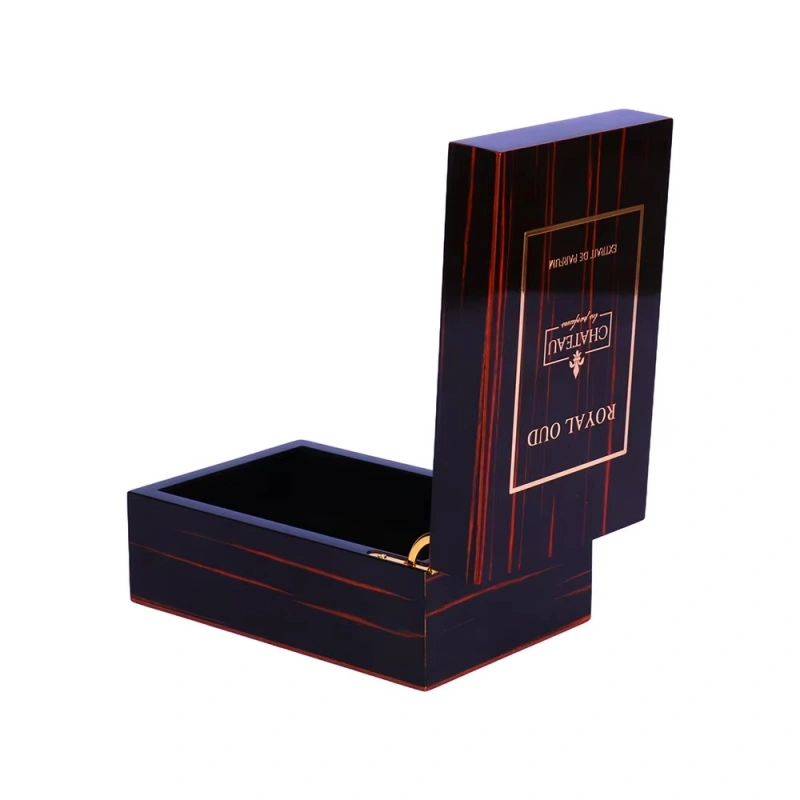
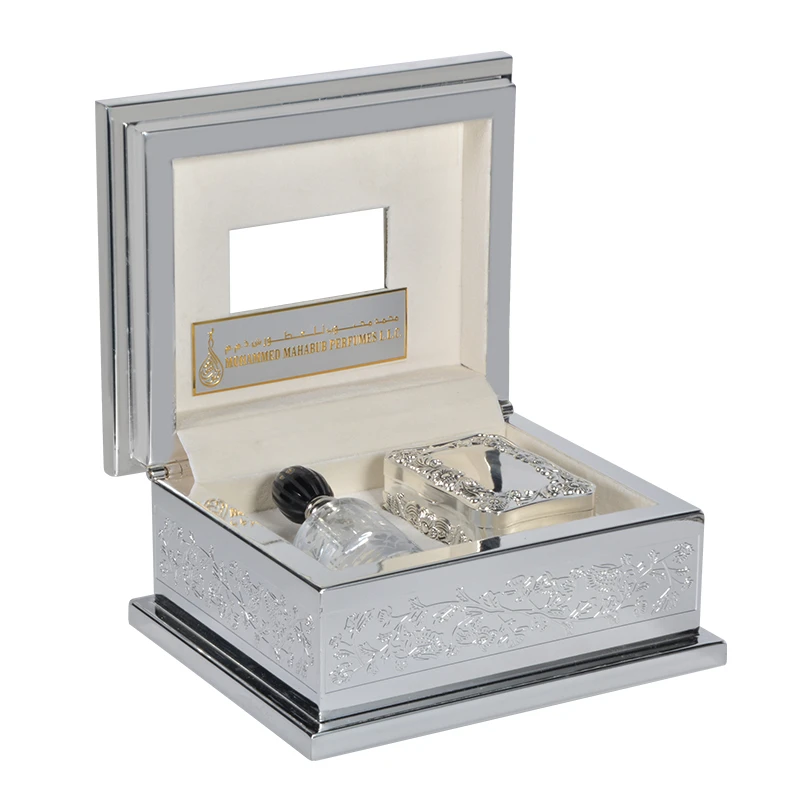
I often tell buyers that perfume care is simple when you understand how sensitive the liquid is. Many perfumers compare perfume to wine. It needs a calm environment. It needs a steady temperature. It needs darkness. This is why our clients choose wooden boxes for luxury perfumes—they offer natural insulation and block light.
Easy steps that make a big difference
1. Keep it in the box
The original box or a wooden box protects the perfume from light and heat.
2. Store it in a cool place
Avoid rooms that get warm. A bedroom drawer works well.
3. Keep the bottle closed tight
This slows oxidation and prevents alcohol from escaping.
4. Avoid shaking the bottle
Shaking mixes air into the perfume and speeds up aging.
5. Do not display it near sunlight
Even indirect light can slowly weaken the scent.
A simple checklist
| Action | Benefit |
|---|---|
| Use the box | Blocks light |
| Avoid heat | Slows evaporation |
| Limit air exposure | Protects top notes |
| Stable temperature | Reduces stress on ingredients |
A well-kept perfume can stay beautiful far longer than its printed “best before” date. Some of my personal bottles are more than eight years old. They still smell rich and full because I store them well.
Conclusion
Perfume can age, but with the right care, it stays beautiful and true for many years.

 English
  Español
  Português
  Deutsch
  Français
  Italiano
  العربية