I know how stressful a cigar beetle outbreak can be. It often feels like the cigars you love are under attack, and quick solutions seem tempting.
Bedbug spray can kill some insects on contact, but it is not safe or effective for cigar beetles. It can contaminate cigars, damage wooden humidors, and fail to eliminate hidden eggs.
I want to help you avoid ruined cigars and give you clear answers based on what I know from working with premium cigar packaging for over 15 years.
Why Are Cigar Beetles So Difficult to Kill Compared to Common Household Insects?
I have seen many clients panic when they find tiny holes on their cigars. They try common household sprays, but these pests behave very differently.
Cigar beetles survive inside tobacco leaves, lay eggs deep inside the cigar, and stay active in warm and humid conditions. This makes them much harder to kill than surface-level household insects.

Cigar beetles, or Lasioderma serricorne, hide inside the tobacco itself. They stay protected because the larvae live and feed under the wrapper leaf. Bedbugs and ants stay on surfaces, so they respond fast to household sprays. Cigar beetles do not. They can survive for days without moving. They can keep feeding even when conditions change slowly.
How Cigar Beetles Behave
Their life cycle explains why they are so stubborn:
| Stage | What Happens | Why It Is Hard to Kill |
|---|---|---|
| Egg | Laid inside tobacco | Invisible and protected |
| Larva | Eats through cigars | Lives inside the cigar core |
| Pupa | Forms inside cigar | No spray reaches this stage |
| Adult | Chews exit holes | Reproduces fast in warm rooms |
Temperature Makes Everything Worse
Cigar beetles become active when the temperature reaches around 20°C (68°F) and above. At 25°C (77°F), they breed very fast. Many collectors like warm rooms or leave humidors in sunny corners. This gives beetles the perfect environment to grow.
Why Sprays Don’t Work
Most sprays work on surface contact. But cigar beetles hide inside thick, rolled leaves. A spray cannot reach eggs or larvae inside the cigar. This is why infestations continue even after applying household insecticides.
I learned this early in my career when a premium cigar brand had an outbreak in their warehouse. They used strong surface treatments, but the infestation continued until we froze thousands of cigars. Only then did the problem stop.
Can Bedbug Sprays Safely Be Used Around Cigars and Wooden Humidors?
Many people grab the nearest insect spray in fear. I understand that reaction. But this is risky.
Bedbug sprays should not be used near cigars or wooden humidors. The chemicals can soak into the tobacco, change aroma, and damage the lacquer finish of luxury wood boxes.
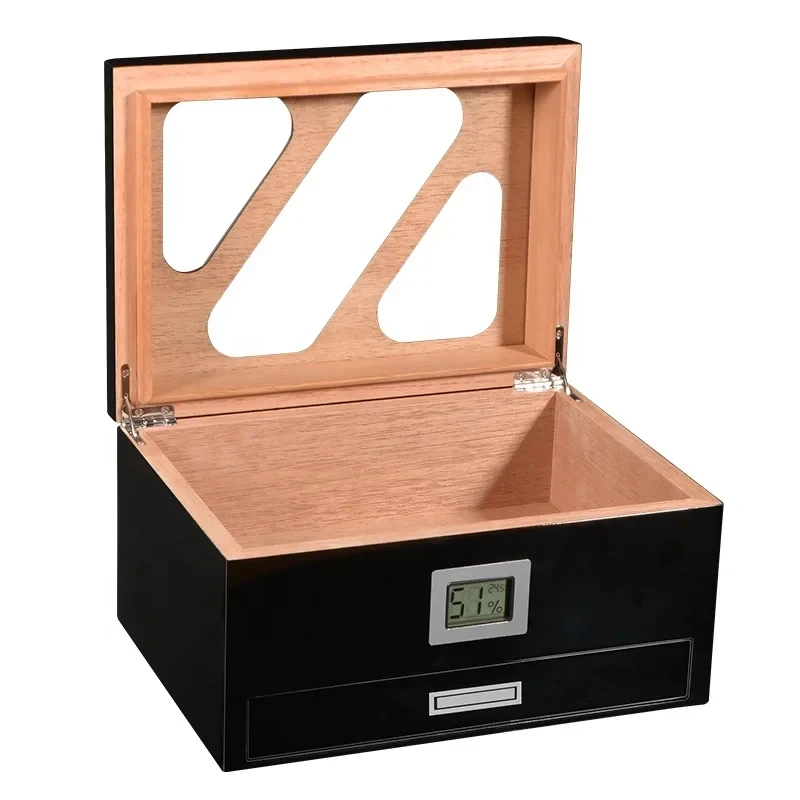
I work with high-end humidors, including piano-lacquer finishes, cedar linings, and premium veneers. These materials absorb smells and chemicals easily. Once contaminated, the damage is permanent.
Why Sprays Are Unsafe for Tobacco Storage
1. Cigars Are Natural Sponges
Cigars absorb everything: moisture, scent, and airborne chemicals. Even a small amount of spray in the air settles on the wrapper leaf, and it changes flavor immediately.
2. Humidors Trap Odors
Wooden humidors are designed to keep aromas stable. If a chemical enters the cedar lining, it stays there. This means every cigar inside absorbs that smell.
3. Lacquer and Wood Surface Damage
Bedbug sprays contain solvents. These can:
- soften high-gloss lacquer
- stain natural wood veneers
- react with metal hinges or corner pieces
- leave permanent marks on logos or printed artwork
I once restored a humidor for a client who sprayed an insect killer directly inside the box. The cedar absorbed the smell for months. We had to replace the entire lining.
The Risk to Your Collection
Even a light contamination can ruin:
- flavor
- draw
- burn quality
- cigar aroma balance
Cigars are too valuable to risk for a spray that is not designed for them.
What Ingredients in Bedbug Sprays Are Potentially Harmful to Tobacco Products?
Some people think “a little spray won’t hurt.” But the chemicals matter.
Most bedbug sprays contain pyrethroids, solvents, and fragrances. These chemicals are unsafe for cigars because they leave residues, strong odors, and toxic traces.

Bedbug sprays work by attacking the nervous system of the insect. They do this using artificial insecticides that stay on surfaces for days. Cigars absorb these residues very fast.
Common Harmful Ingredients and Their Effects
1. Pyrethroids
Used in almost all bedbug sprays
- very strong smell
- leaves residue
- binds to organic matter, including tobacco
- changes cigar aroma permanently
2. Propellants and Solvents
These help the spray spread into cracks
- melts lacquer
- stains cedar
- changes humidity stability
3. Fragrances
Added to make the spray smell “fresh”
- ruins cigar aroma
- impossible to remove from the cedar lining
Why Tobacco Is So Sensitive
Cigars are made from natural leaves with essential oils. These oils carry the flavor notes that collectors love. Any chemical reaction destroys this balance instantly.
As someone who works with premium cigar brands, I often deal with customers who worry about even natural glues or varnishes. They would never allow artificial chemical sprays near their cigars.
What Proven Methods Actually Work for Eliminating Cigar Beetles Effectively?
People often ask me for safe solutions, and I always share the same answer.
The best method for eliminating cigar beetles is controlled freezing. This kills adults, larvae, and eggs without damaging cigars.
I learned this from factories that export millions of cigars every year. They cannot risk chemicals, and they must keep flavors intact. Freezing is the only method that works 100% safely when done correctly.
The Freezing Method (Factory Standard)
Step-by-Step
- Seal cigars in airtight bags
- Place them in the refrigerator for 24 hours
- Move to a freezer at -18°C (0°F) for 48–72 hours
- Move back to the refrigerator for 24 hours
- Return cigars to room temperature slowly
- Store them again in the humidor
This protects cigars from cracking, wrapper damage, or rapid moisture change.
Why Freezing Works
| Beetle Stage | Effect of Freezing |
|---|---|
| Adult | Dies within hours |
| Larva | Dies at low temperatures |
| Pupa | Cannot survive freezing |
| Egg | High kill rate after 48h |
Other Methods That Work
1. Deep Cleaning the Humidor
Use a vacuum and wipe with a lightly damp cloth (no chemicals). Let it dry fully.
2. Heat Treatment for Empty Humidors
Heat an empty humidor under the sun for a day. The high temperature kills hidden eggs. Do not expose lacquered humidors to extreme heat; use caution.
3. Isolate All Cigars
Put all cigars in zip bags. Inspect for holes. Freeze everything that may be contaminated.
I have helped many cigar customers recover collections using these steps. Not one cigar was harmed by freezing when done slowly.
How Can Proper Storage and Temperature Control Prevent Beetle Infestations?
I meet many passionate cigar collectors every year. Most infestations happen because the cigars were stored too warm.
Keeping your humidor below 20°C (68°F) stops beetles from hatching and keeps your cigars safe.
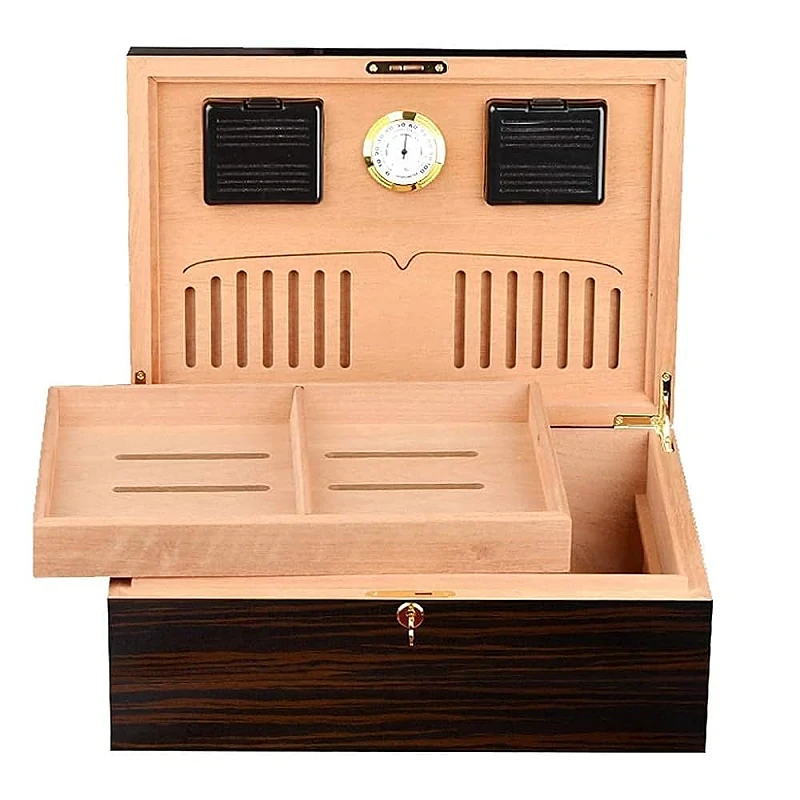
Temperature is the key. Humidity matters too, but heat is what wakes up the eggs.
What I Recommend for Safe Storage
Ideal Conditions
- Temperature: 16–18°C (60–65°F)
- Humidity: 62–68%
These levels keep cigars stable and keep beetle eggs dormant.
Why Temperature Matters More Than Humidity
Cigar beetle eggs can stay inside tobacco for years. They only hatch when the temperature rises. I have seen outbreaks happen in:
- summer months
- warm apartments
- humidors near windows
- humidors stored on top of refrigerators
Tips for Preventing Beetles Year-Round
1. Keep Humidors Away From Heat
Do not place humidors near:
- sunlight
- heaters
- electronics
- warm closets
2. Use Digital Thermometers
I always advise customers to use digital sensors. Analog dials are often inaccurate.
3. Rotate Cigars
Move cigars every few months. This helps with:
- even aging
- better airflow
- early detection of holes
4. Freeze New Cigars When Needed
If you buy cigars from a place without temperature control, freezing prevents surprises.
My Experience With Prevention
One of my long-term clients stores rare cigars in a climate-controlled room. His collection has never had beetles in more than 10 years. Good temperature is the reason.
Conclusion
Bedbug sprays cannot protect cigars. Only freezing and proper storage keep cigar beetles away safely and effectively.




 English
  Español
  Português
  Deutsch
  Français
  Italiano
  العربية