
Cold air hits perfume fast, and it can weaken the scent or stress the bottle when the temperature drops too low.
You can leave perfume in a cold car for a short time, but long exposure to freezing temperatures can damage the scent, the bottle, or the spray system.
Cold weather changes perfume slowly, so you need to know how it reacts and how you can protect it during winter travel.
How do low temperatures affect perfume ingredients and fragrance stability?
Cold winter air changes how perfume behaves, and it can make the scent feel weaker or slow to open.
Low temperatures slow molecular movement in perfume, which can mute the scent, thicken the liquid, and affect how the notes open on the skin.
Cold affects each part of the formula and how it stays stable over time. I see this often when clients ask why their perfume smells softer after a long shipment in winter. The reason is simple. Most perfume formulas rely on alcohol to carry and release the scent. When the bottle gets cold, the alcohol does not evaporate as fast. So the top notes stay quiet. Many citrus or herbal notes feel flat until they warm up again.
How cold affects perfume ingredients
| Component | Effect in Low Temperatures |
|---|---|
| Alcohol base | Evaporates slower, weakens projection |
| Top notes | Become muted or delayed |
| Mid/Base notes | Less affected, but can feel unbalanced |
| Natural oils | Can thicken or separate slightly |
Why stability matters in winter
Stability keeps perfume consistent from batch to batch. Winter disrupts this. When perfume cools too fast, ingredients contract at different rates. This can create minor shifts in clarity or texture. It does not ruin the perfume, but it changes how it behaves until the bottle returns to normal room temperature.
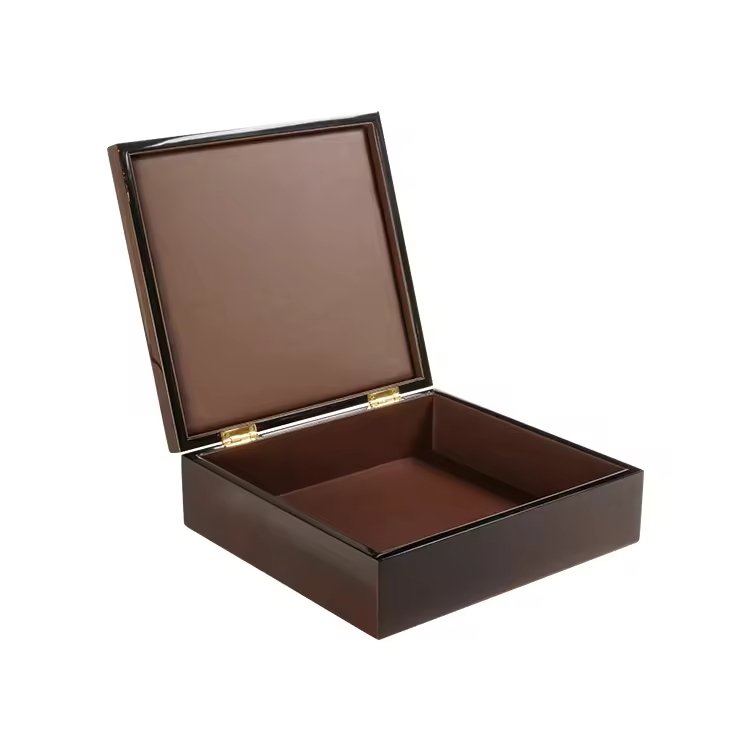
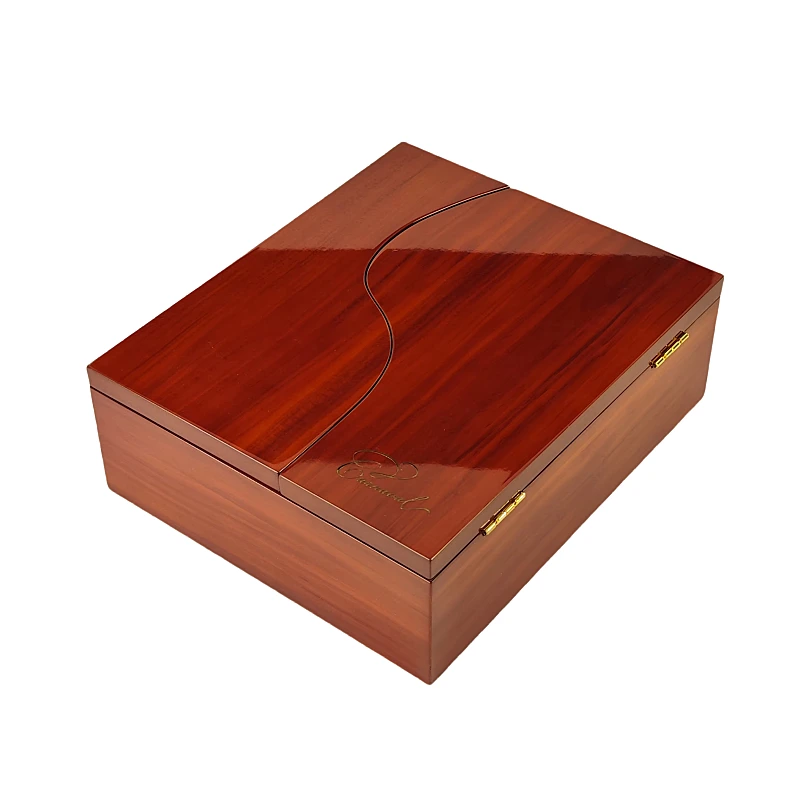
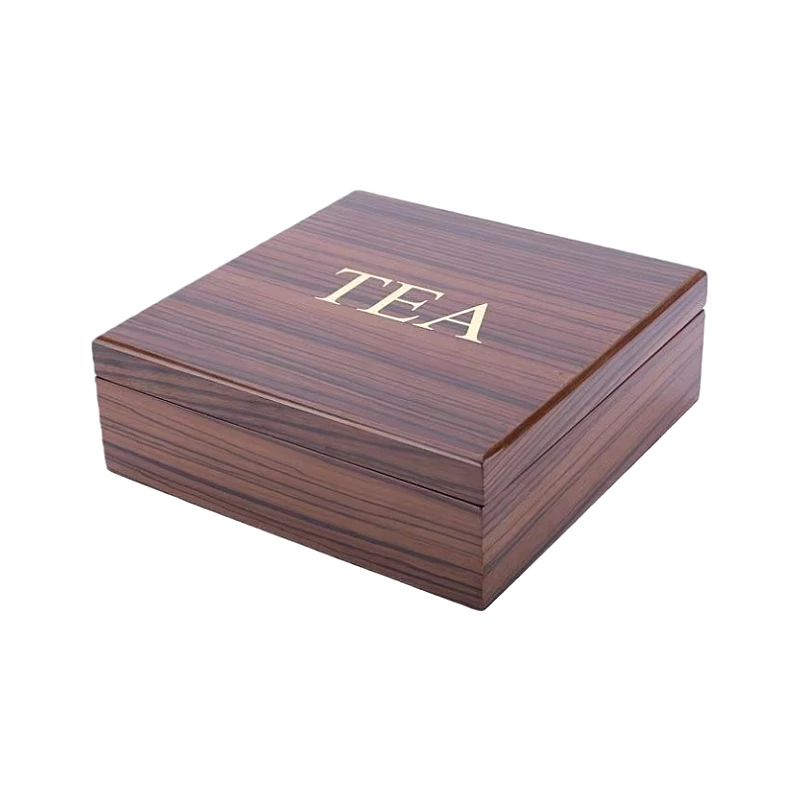
As someone who works with brands shipping perfume worldwide, I notice that wooden packaging offers better insulation during long transit. Many clients use custom wooden boxes because they slow down temperature swings. Fast temperature swings stress the formula more than steady cold.
Perfume likes calm conditions. Cold is not as destructive as heat, but it still pushes the formula out of balance for a short time. When buyers understand this, they handle winter shipping and storage with more care.
Can freezing conditions change the scent or performance of your perfume?
When perfume freezes or gets close to freezing, the texture changes first, then the scent.
Freezing temperatures can thicken the perfume, slow atomizer flow, and temporarily change how the scent opens, but most effects fade after the bottle warms naturally.
I hear this question all the time from brand owners in Canada, Northern Europe, and the U.S. They worry that a frozen perfume means a ruined batch. Most of the time, that is not true. Perfume can handle more cold than people expect, because alcohol lowers the freezing point. Many perfumes freeze only around –20°C or lower. But cold still influences performance.
What happens when perfume approaches freezing?
- The liquid thickens.
- The spray can feel weak or blocked.
- The scent opens slower because evaporation slows down.
- Top notes feel almost invisible until warmed up.
Why scent performance changes
When you spray perfume, the alcohol lifts the notes into the air. Cold stops this process. So the top notes stay heavy, and the perfume feels simple or quiet. Once the bottle returns to room temperature, the scent usually returns to normal.
When cold causes lasting effects
Only extreme or repeated freezing cycles cause long-term problems. I saw this once with a luxury niche brand that shipped without insulated packaging during a severe winter. The perfume did not freeze, but the constant cold–warm shifts made the top notes age faster. The formula stayed safe, but the scent profile softened earlier than expected.
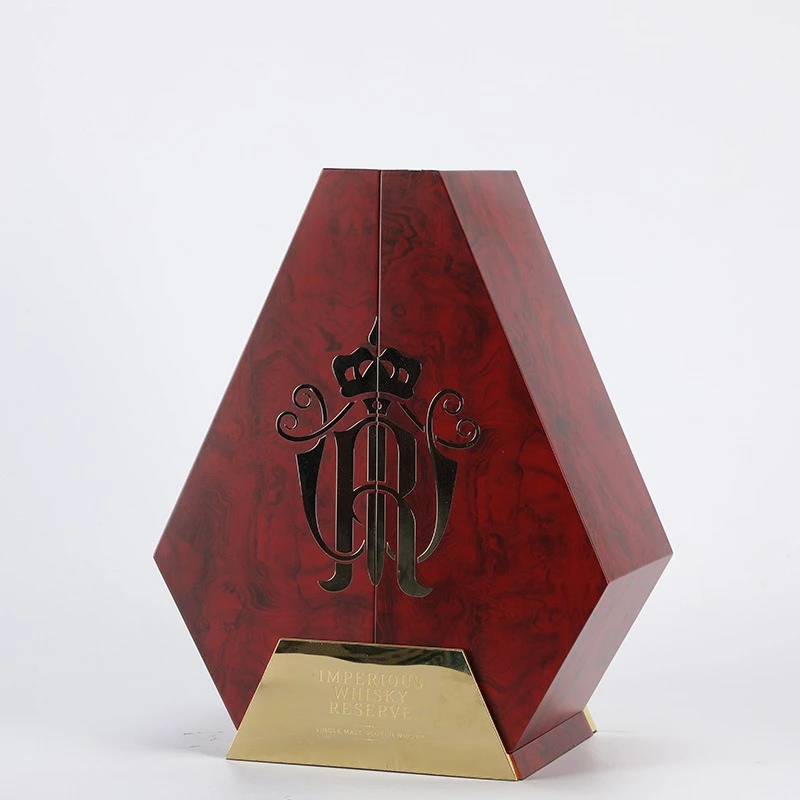
That is why many brands order insulated wooden boxes from my factory. The wood helps keep the bottle stable, even when trucks or planes go through harsh climates. Cold is not the enemy, but fluctuation is.
Is it safe to store perfume in a car overnight during cold winter months?
Leaving perfume in your car all night exposes it to extreme cold and quick temperature swings once you start driving.
It is not recommended to store perfume overnight in a winter car because freezing temperatures and fast heating cycles can damage the atomizer and affect scent consistency.
I often tell buyers that cars are one of the worst places for perfume. The temperature drops fast at night and rises fast in the morning. Cold air alone causes less harm than these rapid changes. Car interiors behave like small uninsulated boxes, so the perfume absorbs every shift.
What happens overnight in a cold car?
- The perfume contracts and puts pressure on seals.
- The atomizer can stiffen and spray unevenly.
- The glass bottle becomes more fragile.
- Frost can form on metal parts and affect smooth function.
How heating makes it worse
When you start the car, the bottle warms quickly. This creates internal pressure. I had a client in Sweden who told me her customer’s bottle leaked after a night in the car. The perfume expanded too fast when heated, and the loose seal let the liquid escape.
Long-term risks
Storing perfume like this every day shortens its lifespan. The scent might stay intact for a while, but the packaging will show stress. Rattling parts, weakened glue, and small leaks can appear.
Perfume performs best when the environment stays calm. A car in winter is the opposite.
How does packaging—glass, atomizers, and seals—react to extreme cold?
Perfume packaging looks strong, but it reacts fast to cold because each material expands and contracts differently.
Extreme cold makes glass more fragile, stiffens atomizers, and weakens seals, which can cause leaking, clogging, or even cracking.
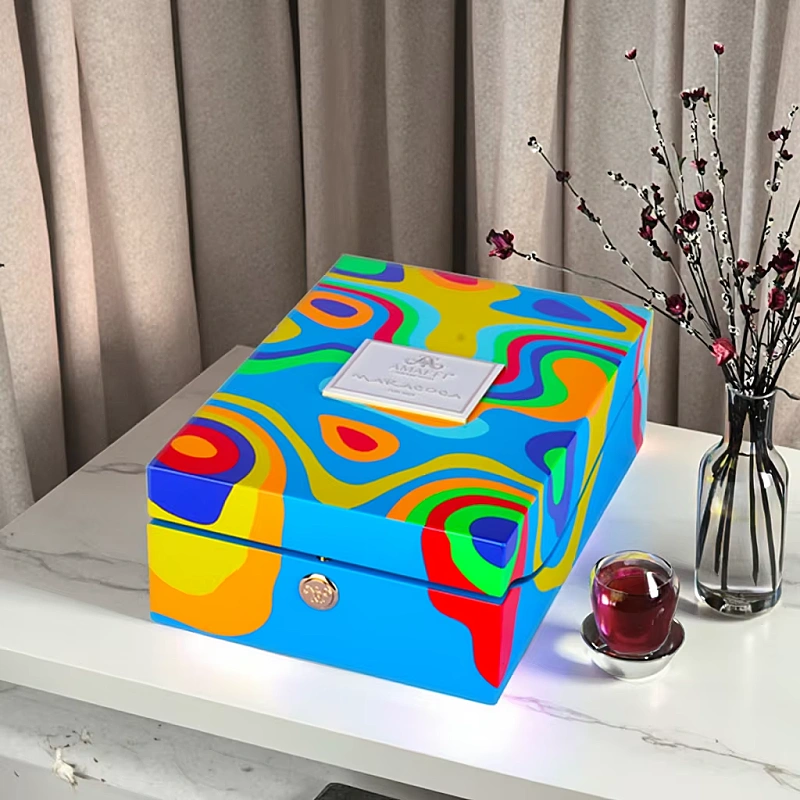
Since I work with packaging every day, I know how sensitive these materials can be. Many brand owners focus only on the formula, but packaging is a big part of perfume safety. Winter exposes the weaknesses fast.
Material behavior in cold temperatures
| Material | Reaction in Cold | Possible Outcome |
|---|---|---|
| Glass | Contracts faster than liquid | Cracks or pressure stress |
| Metal atomizer | Stiffens and shrinks | Weak spray or blockage |
| Rubber seals | Lose flexibility | Leaks or loose fit |
| Glue | Hardens | Decorative parts fall off |
Why cold stresses the bottle
Glass becomes brittle when cold. It can handle steady cold, but sudden impact or pressure changes might crack it. The liquid inside contracts too, but not always at the same rate. This creates tiny pressure points.
Atomizers also struggle. Metal parts shrink slightly in cold weather. I have seen pumps refuse to spray until the bottle warms up again. The rubber or silicone seals get stiff, so they do not seal the pressure well. That is when leaks happen, especially in travel-size bottles.
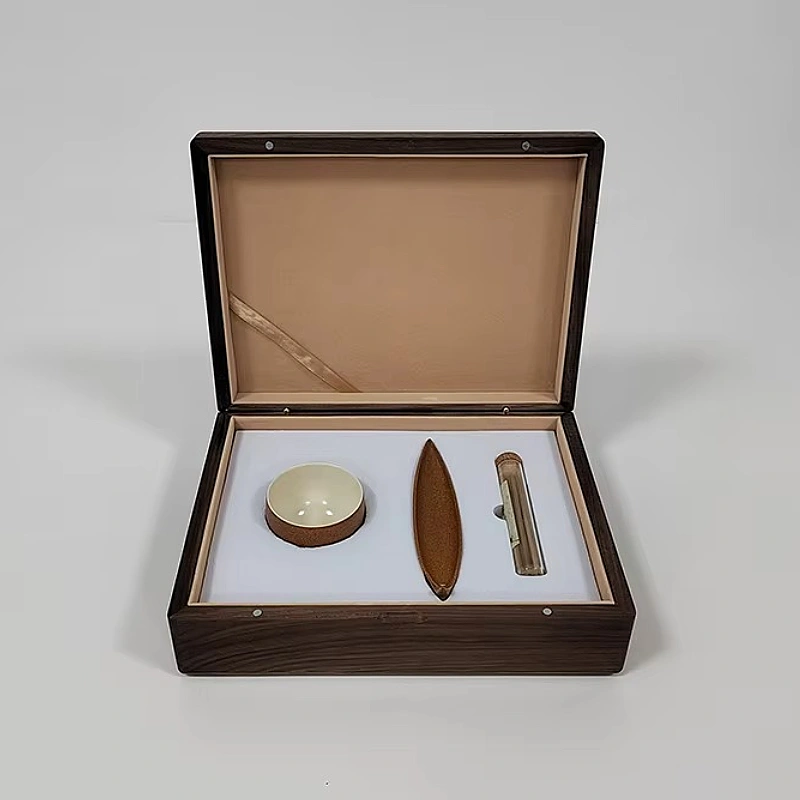
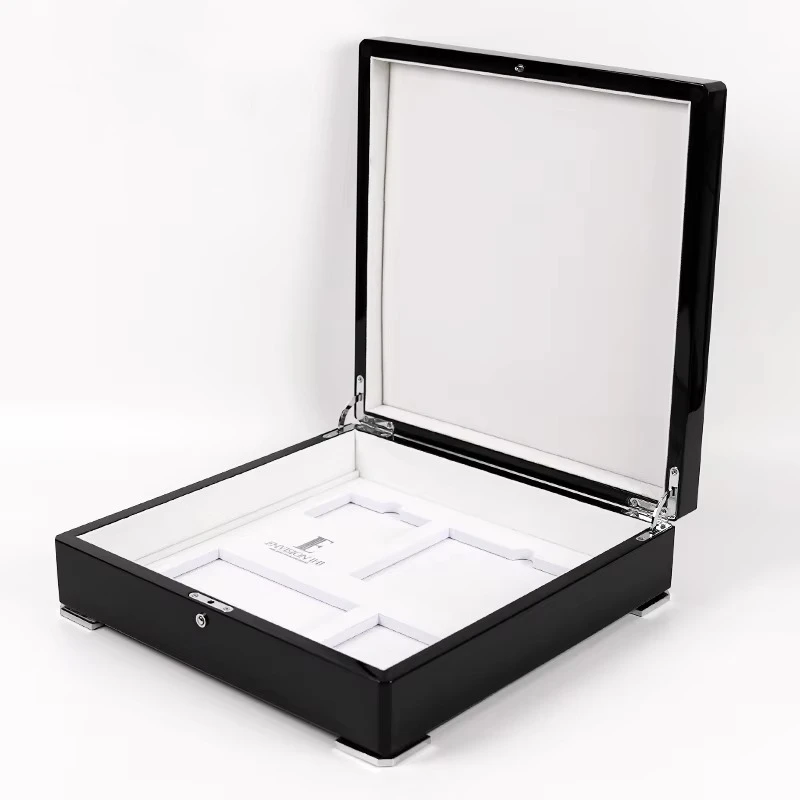
Brands using wooden boxes with foam inserts avoid many of these issues. The wood acts like a slow buffer against temperature changes. It protects the bottle from shaking and keeps seals stable.
Packaging is part of perfume performance
When packaging fails, the perfume fails. Winter storage tests every weak point. That is why many brands work with factories like mine to upgrade their boxes, seals, and protective layers before shipping to cold regions.
What are the best ways to protect your perfume when traveling in winter?
Winter travel exposes perfume to cold air, shifting temperatures, and long hours in transit.
Keep perfume in an insulated, stable environment, avoid leaving it in the car, and store it in protective packaging like padded wooden boxes or travel cases.
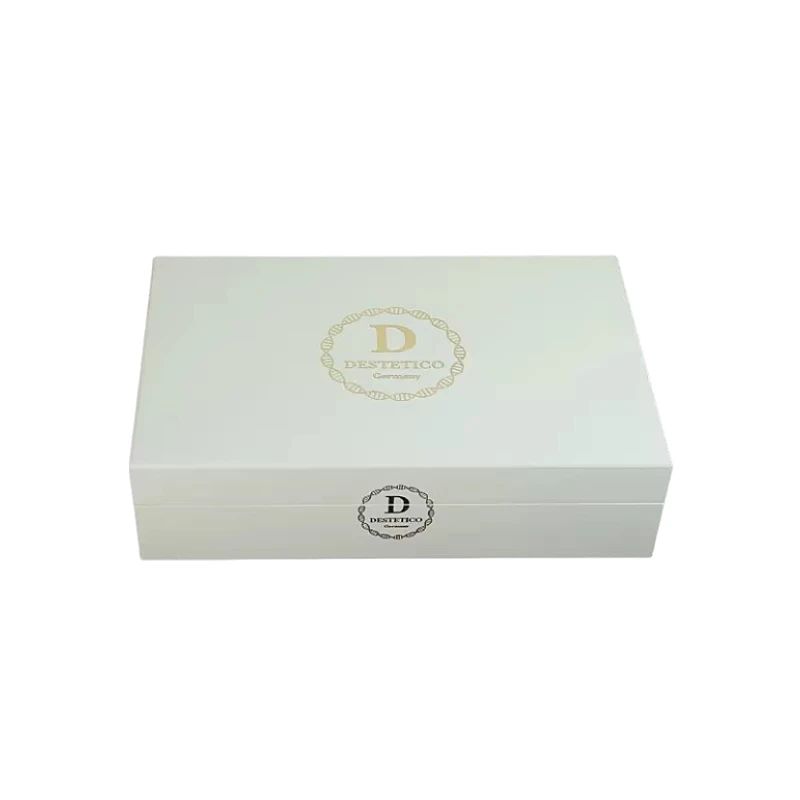
Clients often ask me how they can keep perfume safe during winter business trips or shipments. The answer is simple: stable temperature wins every time. Cold is fine when it is steady, but sharp drops or jumps cause the real damage.
Best practices for winter perfume protection
- Carry perfume in your bag instead of leaving it in the car.
- Use insulated cases or wooden boxes for storage.
- Wrap the bottle with soft material to reduce shock.
- Keep it away from direct cold air or heaters.
- Let the perfume warm naturally if it gets too cold.
Why wooden boxes work well
As a wooden box manufacturer, I see firsthand how much insulation wood provides. Many high-end perfume brands use wooden packaging because it slows temperature changes. The box does not heat or cool quickly, so the perfume stays stable. Wood also protects the bottle from impact, which is common in winter travel.
Travel stories from clients
A brand owner from Germany once told me that her customers noticed better performance from perfumes stored in wooden boxes during winter deliveries. The scent stayed stable, and the bottle arrived without pressure issues. That is when she upgraded all her packaging to custom wooden boxes with velvet inserts.
If you want to protect perfume on the road, think about insulation, padding, and slow temperature change. These simple steps keep the scent safe and strong.
Conclusion
Cold will not destroy perfume fast, but steady protection keeps the scent and packaging safe in winter.
Brand Name: WoodoBox
Slogan: Custom Wooden Boxes, Crafted to Perfection

 English
  Español
  Português
  Deutsch
  Français
  Italiano
  العربية