You want your packaging to look eco-friendly. You think about bamboo. But is it real business value or just marketing language?
Bamboo wooden boxes offer strong sustainability positioning and modern aesthetics, but their real business advantage depends on your brand story, production control, and customer expectations.
In recent years, I have seen more clients ask for bamboo. Most of them sell organic cosmetics, wellness products, or eco-friendly gifts. Bamboo fits their image. But I always explain both the strengths and the limits before they decide.
What Makes Bamboo Different from Traditional Wood Materials?
Bamboo looks like wood. But technically, it is very different.
Bamboo grows much faster than hardwood and is processed by laminating small strips together, which gives it renewable advantages but also different structural behavior compared to MDF, plywood, or solid wood.
Bamboo is actually a type of grass. It grows extremely fast. Some species mature within 3–5 years. Hardwood trees may take decades.
How Bamboo Panels Are Made
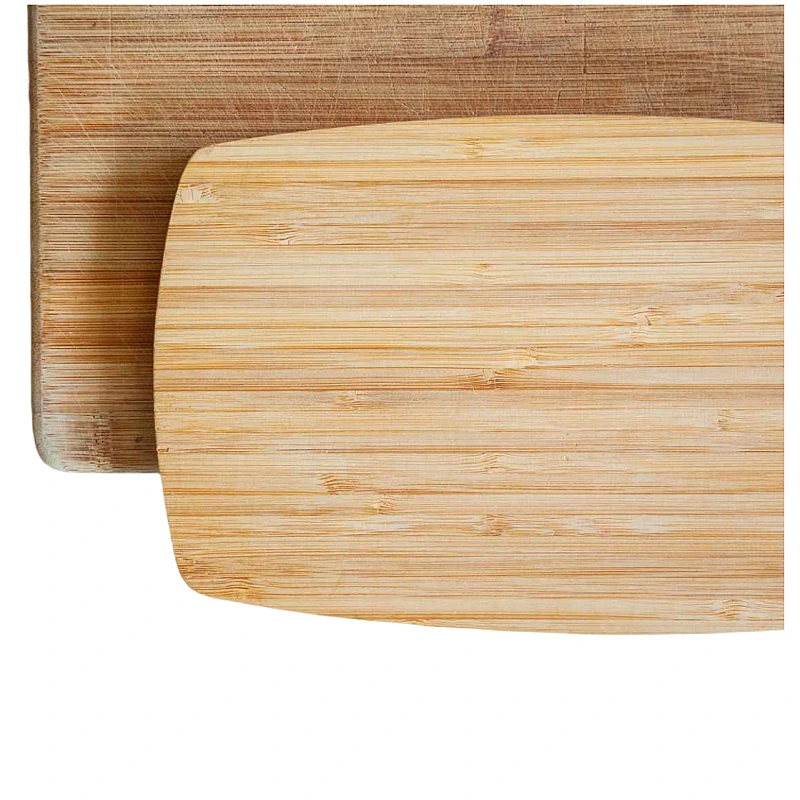
In packaging production, we do not use raw bamboo poles directly. We cut bamboo into thin strips. Then we laminate these strips together under pressure.
The final bamboo board:
- Has visible strip patterns.
- Depends heavily on glue bonding.
- Requires controlled pressing temperature.
This structure makes bamboo different from:
| Material | Internal Structure | Growth Speed | Key Strength |
|---|---|---|---|
| Solid Wood | Single timber plank | Slow | Natural authenticity |
| MDF | Compressed fibers | Engineered | Dimensional stability |
| Plywood | Cross-layer veneers | Engineered | Structural strength |
| Bamboo Panel | Laminated bamboo strips | Very fast | Renewable image |
Visual Identity
Bamboo has a clean, light color tone. The grain pattern is straight and modern. It gives a minimalist feeling.
For brands targeting:
- Natural lifestyle
- Organic skincare
- Sustainable gifting
This appearance supports the story immediately.
But bamboo is not automatically stronger or more stable. Its performance depends on manufacturing control.
Sustainability Claims: Marketing Story or Practical Benefit?
Many brands choose bamboo because it sounds eco-friendly. But we need to look deeper.
Bamboo provides real sustainability advantages due to fast growth and renewability, but the actual environmental benefit depends on responsible sourcing and production control.
From a technical point of view, bamboo is renewable. It regenerates quickly after harvesting. This reduces pressure on slow-growing forests.
Marketing Value
In modern markets, sustainability influences purchasing decisions.
Customers who buy:
- Organic cosmetics
- Wellness products
- Eco-conscious gifts
Often care about packaging material.
When they see bamboo:
- They associate it with nature.
- They perceive lower environmental impact.
- They feel aligned with brand values.
This emotional alignment is powerful.
Practical Considerations
However, sustainability is not just about raw material.
We must consider:
- Glue type used in lamination
- Surface coating chemicals
- Production energy consumption
- Transportation distance
If glue quality is poor, layer separation may occur. If moisture control is weak, edge cracking can appear after long shipping.
So bamboo supports sustainability positioning. But real benefit depends on quality control and supply chain transparency.
In my factory, we pay special attention to moisture content and edge sealing before export, especially to dry markets.
Structural Performance and Durability in Real Use
You may ask: is bamboo strong enough?
Bamboo panels offer good hardness and surface durability, but their long-term stability depends heavily on lamination quality and proper moisture control.
Bamboo fibers are naturally dense. The surface is relatively hard. It resists scratches better than some softwoods.
Strength Characteristics
Bamboo boxes:
- Have decent load capacity.
- Maintain shape under moderate weight.
- Perform well in daily use.
However, unlike plywood’s cross-layer structure, bamboo strips run in more uniform direction. This means expansion control relies mainly on glue bonding.
Risk Areas
If production control is weak:
- Edges may crack.
- Layers may separate.
- Slight warping may appear.
During sea shipping to dry markets, moisture changes can stress the panel.
That is why we:
- Keep moisture content stable.
- Seal edges carefully.
- Inspect bonding strength before finishing.
Real-World Usage
For small to medium boxes such as:
- Cosmetic gift sets
- Wellness packaging
- Boutique product boxes
Bamboo performs well.
For very large or heavy-duty structural projects, plywood may still offer better load distribution.
So bamboo is durable enough for most retail packaging, but it is not the strongest option available.
Cost Positioning Compared with MDF, Plywood, and Solid Wood
Cost is always part of the decision.
Bamboo usually sits between MDF and solid wood in pricing, offering a balance between eco-positioning and reasonable cost.
Let us compare cost levels in general terms:
| Material | Relative Cost | Stability | Visual Impact |
|---|---|---|---|
| MDF | Low | High | Flexible finish |
| Plywood | Medium | High structural | Functional look |
| Bamboo | Medium | Moderate | Natural modern |
| Solid Wood | High | Moderate | Authentic luxury |
Bamboo is not the cheapest option. MDF remains the most cost-efficient for large volumes and complex finishes.
Bamboo also requires:
- Careful lamination.
- Edge finishing.
- Controlled storage conditions.
These factors add to cost.
Surface Finishing Limits
Bamboo looks best with:
- Natural clear coating.
- Light matte finish.
- Minimalist design.
If you want:
- Deep piano high-gloss finish.
- Perfect mirror reflection.
- Very thick lacquer layers.
MDF usually performs more consistently.
So cost must be evaluated together with finishing requirements.
When Bamboo Is a Strategic Choice for Your Brand
Bamboo is not for every brand. But in the right context, it becomes powerful.
Bamboo is a strategic choice when sustainability is central to your brand positioning and your customers actively value eco-material storytelling.
From my experience, bamboo makes sense when:
- Your brand promotes natural ingredients.
- Your marketing highlights environmental responsibility.
- Your target customers care about eco-conscious products.
- Your packaging design is minimalist and modern.
- Your product weight is moderate.
When Bamboo May Not Add Value
If your brand focuses on:
- Ultra-luxury heritage
- High-gloss decorative finish
- Heavy-duty structural strength
Then bamboo may not provide clear advantages.
Business Strategy Perspective
Material choice should support brand identity.
If sustainability is central to your message, bamboo strengthens credibility.
If sustainability is not part of your story, customers may not pay extra for bamboo. In that case, MDF or plywood may provide better cost-performance balance.
In business, material decisions must serve both brand positioning and profit stability.
After many years in this industry, I always return to one principle: choose materials based on strategy, not trend.
Conclusion
Bamboo wooden boxes support strong sustainability positioning, but their true business value depends on your brand strategy, customer expectations, and quality control.
WoodoBox - Premium Wooden Packaging Manufacturer in China
Custom Wooden Boxes, Crafted to Perfection

 English
  Español
  Português
  Deutsch
  Français
  Italiano
  العربية