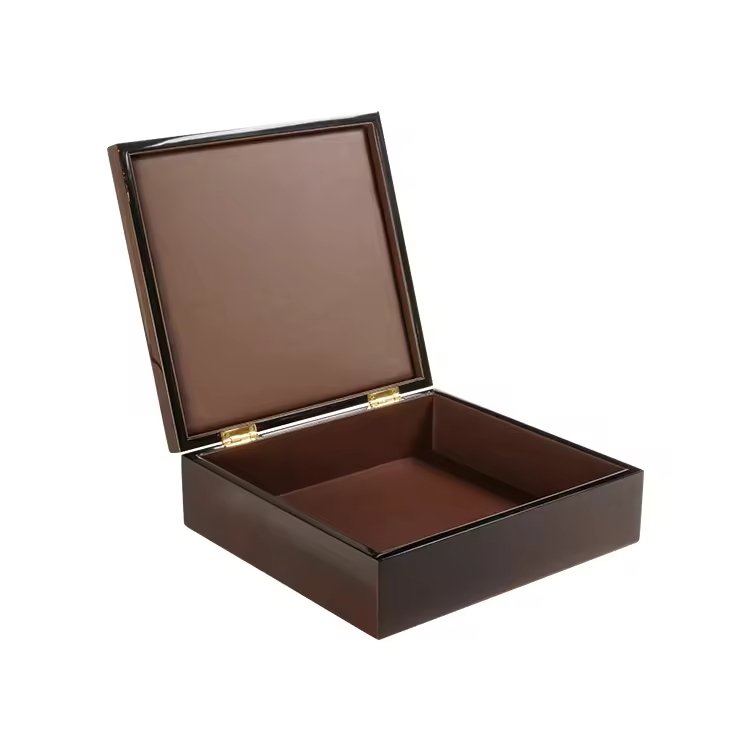
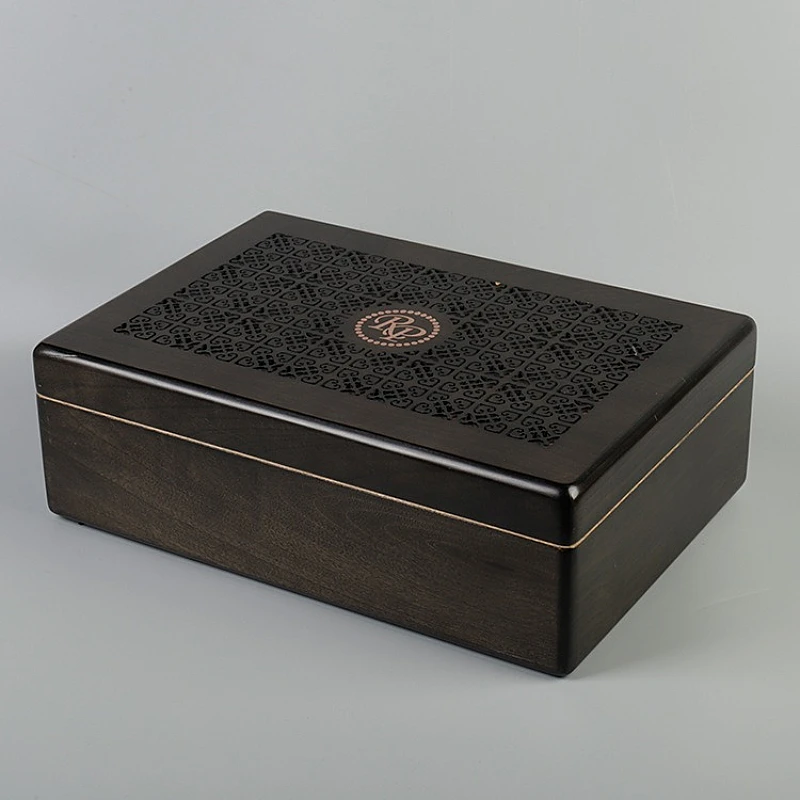
I know the confusion when you hold an old cigar box and wonder if it has hidden value.
Yes, old cigar boxes can be valuable, but their worth depends on brand history, material, rarity, design, and condition. Some rare boxes can sell for hundreds of dollars.
I want to show you how simple it is to judge the value of any vintage cigar box, even if you are not a collector.
What Factors Determine the Value of an Old Cigar Box in Today’s Market?
I see many buyers lose money because they skip key value factors.
The main factors are brand reputation, age, condition, artwork, material, and rarity. These points decide if a box sells for a few dollars or a few hundred.
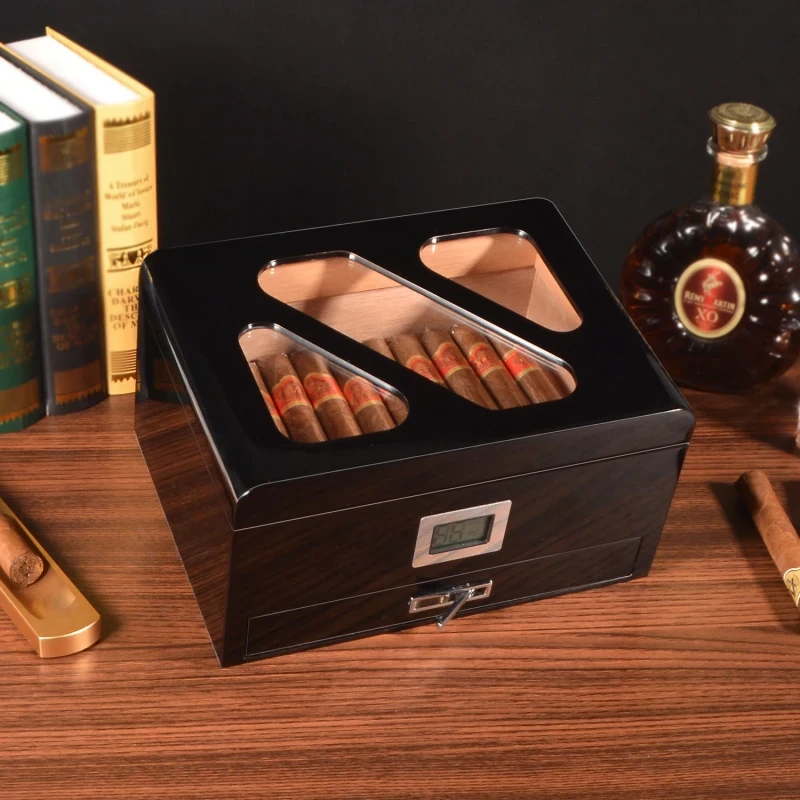
When I started making cigar boxes at WoodoBox, I learned how collectors judge value in seconds. They focus on the brand story, the design style, and how complete the box is. I want to break these factors down in a simple way.
Key Value Factors Overview
| Factor | Why It Matters |
|---|---|
| Brand | Strong brands attract more collectors |
| Age | Older boxes show older printing and woodwork |
| Material | Premium woods increase demand |
| Condition | Clean, complete boxes sell higher |
| Artwork | Rare lithographs drive collector interest |
| Rarity | Limited items create bidding competition |
Dive Deeper Into Market Factors (250+ words)
Most people think old cigar boxes are only decorative items. But the truth is that many vintage boxes have a very active collector market. I meet buyers who treat these boxes like art pieces or cultural memorabilia. In my work at WoodoBox, I often recreate vintage-style boxes for modern luxury brands. This gives me a clear view of how the market judges old boxes.
The first thing buyers check is the brand. Names connected to Cuban heritage or classic American cigar companies always attract more attention. When a brand has strong history, the market sees the box as more than packaging. It becomes a part of cigar culture.
Age is another major factor. Older boxes show older printing skills, older joinery, and older hardware. Collectors like these details because they tell a story. A box from the 1920s feels different in the hand compared to a box from the 1990s.
Material also plays a big role. Boxes made from Spanish cedar or mahogany are always more desirable. These woods age well and resist bending or cracking. They also hold aroma, which cigar enthusiasts love.
Condition may be the most important factor. Collectors avoid boxes with missing hinges, water damage, or faded artwork. A box with its original label, unbroken joints, and smooth surface will always sell better.
Artwork is another major reason a box becomes collectible. Many early cigar boxes used colorful lithograph prints. These prints are small pieces of art that capture the style of their time.
Rarity ties all of this together. When a brand releases limited runs—or when old production numbers were low—the box becomes hard to find, and the price goes up.
How Do Brand, Age, and Rarity Influence a Cigar Box’s Collectible Worth?
People often keep old cigar boxes without knowing how much brands matter.
Brand, age, and rarity shape most of the price. Famous brands, older boxes, and rare editions can increase value by ten times in some markets.
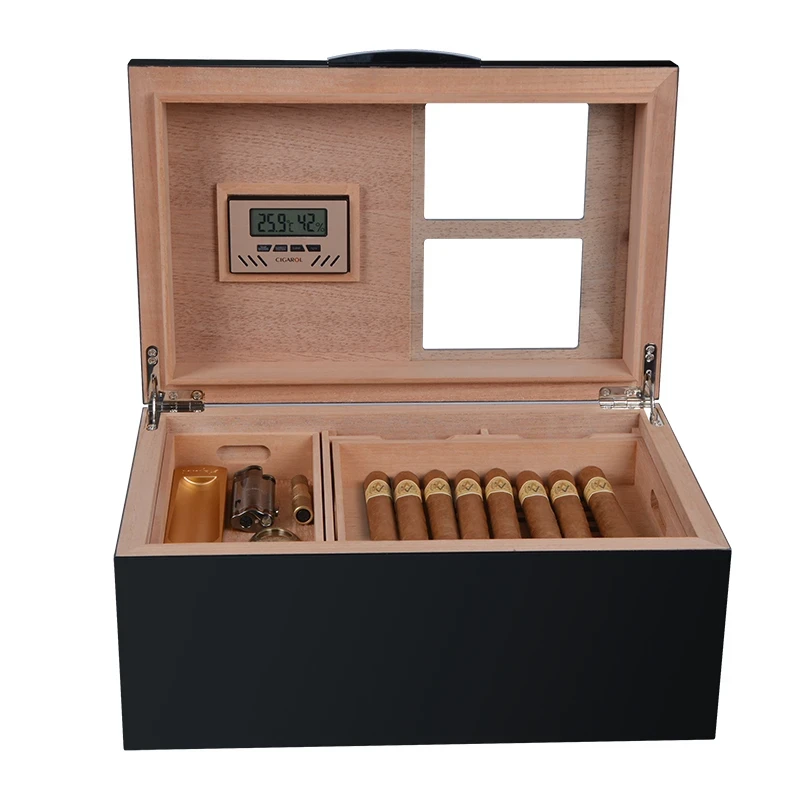
I learned early in my career that two boxes that look similar can have very different prices because one carries a brand with deep history.
Dive Deeper Into Brand, Age, and Rarity (250+ words)
Brand power has a strong effect on collectible value. Boxes from famous Cuban and American brands often sell the fastest. Collectors trust these names because they connect them to specific eras in cigar culture. When I work with premium cigar companies today, I see how much money brands invest in packaging because they know collectors care about visual identity.
Age makes a big difference as well. Older boxes were made with simple tools and natural wood. They often used hand-applied labels, early printing plates, or hand-brushed varnish. These small details give each box a unique look. Collectors enjoy these imperfections because they show the craftsmanship of that time. When a box is more than 80 or 100 years old, it enters a different category of collectible interest.
Rarity creates the strongest price jump. Limited-edition boxes or boxes with production errors are very hard to find. Some brands also released seasonal or holiday editions. When only a few of these survive in good condition, their value can increase quickly. I see this often when collectors ask me to reproduce vintage boxes. The rare boxes always require more precise detail because buyers want them as close to the original as possible.
Brand, age, and rarity work together. A rare box from a strong brand, produced in an old era, can become very desirable. These boxes often appear in auctions, estate sales, and private collections. Even if the box has small flaws, collectors still compete for it because they know it represents a small piece of cigar history.
Why Do Certain Materials—Like Spanish Cedar or Mahogany—Increase a Box’s Value?
Many people do not realize how much material quality affects price.
Spanish cedar and mahogany increase value because they age well, resist moisture, and hold aroma. These woods also show craftsmanship that collectors respect.
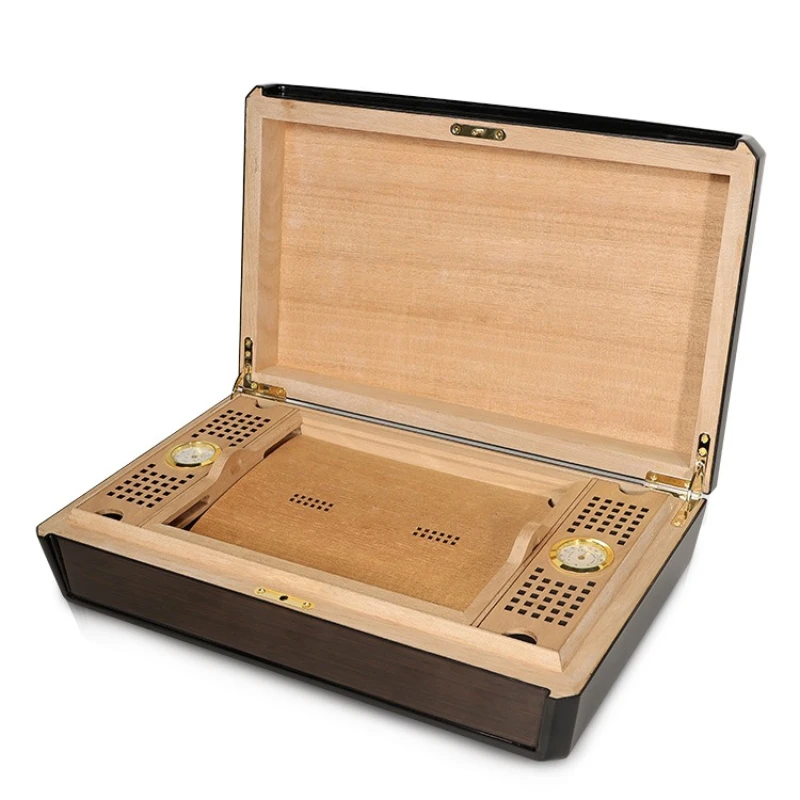
I work with these woods every day. I know how they behave during cutting, sanding, and finishing. This gives me a clear view of why collectors prize them.
Dive Deeper Into Materials (250+ words)
Spanish cedar is the most respected wood in the cigar world. It controls moisture, protects cigars from mold, and keeps insects away. Even old empty boxes made from Spanish cedar have strong demand. This wood has a deep aroma that stays for years. Collectors value this natural scent because it connects the box to cigar history. When I produce high-end cigar boxes today, I still use Spanish cedar for inside linings because it offers unmatched performance.
Mahogany also creates higher value. It has a rich grain pattern, stable structure, and warm color. Older boxes made from mahogany often show a deep patina that develops over time. Collectors love this natural aging effect. High-end brands still use mahogany today because it signals luxury.
Other woods like walnut, rosewood, and maple can also increase value. Each wood has a different texture and density. Collectors who focus on woodworking appreciate these differences.
When I look at vintage boxes, I can usually tell the wood within seconds. I check the grain, the weight, the smell, and how the wood responds to touch. These details help me judge how rare a box might be.
Material matters because it shows how much the original brand invested in its packaging. A brand that chose Spanish cedar or mahogany wanted to protect and elevate its cigars. This message still influences buyers today. A well-preserved wooden box made from premium material can attract strong interest even if the brand is not widely known.
How Does Condition, Artwork, and Original Packaging Affect Market Price?
Many old cigar boxes lose value because they are not stored well.
Condition, artwork quality, and original packaging can double or triple the price of a vintage cigar box. Clean surfaces and intact labels matter the most.
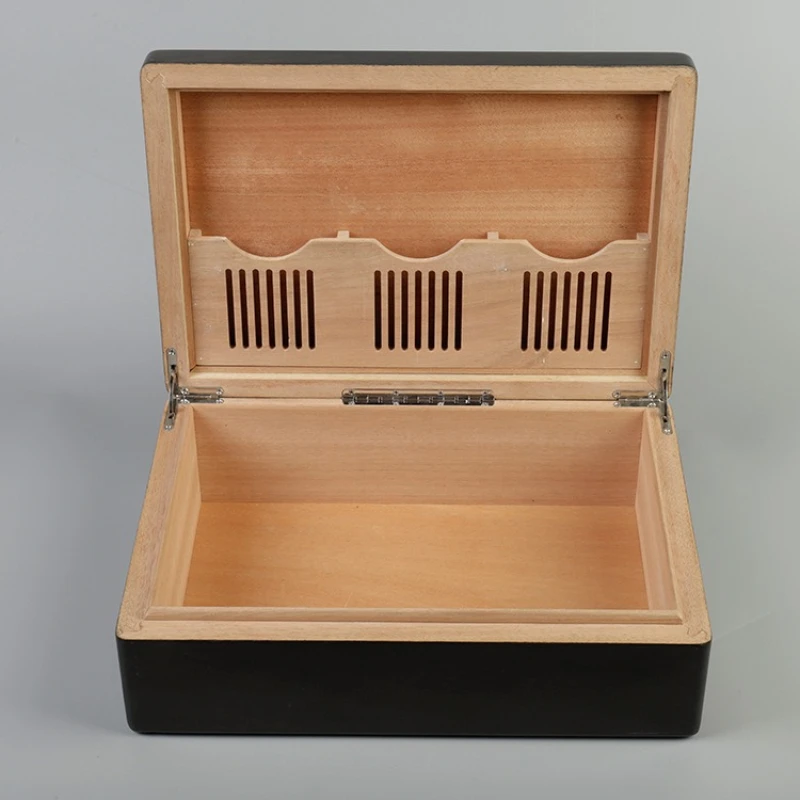
When I inspect old boxes for clients, these are the first things I check.
Dive Deeper Into Condition and Artwork (250+ words)
Condition is the most important part of value assessment. A box with scratches, stains, missing hinges, or warped wood always sells for less. Collectors want boxes that look close to how they originally appeared. Even small flaws can reduce price because they disrupt the visual history.
Artwork is another major value driver. Early cigar boxes used lithograph labels with bright colors and detailed imagery. These labels often showed portraits, landscapes, or symbolic artwork. When the artwork is clean, sharp, and intact, the box becomes more desirable. If the artwork fades or peels, the value drops quickly.
Original packaging is another key factor. Boxes that still have factory seals, tax stamps, or original inserts can sell for much higher prices. These small items prove authenticity. They also show that the box was kept well over time.
When I design modern boxes, I often study vintage artwork. Many old labels used thin paper and early printing methods. They were fragile, so surviving complete artwork is rare. This rarity is why collectors focus on the artwork as much as the wood.
Collectors also check hardware such as hinges, locks, and corner joints. Original metal hardware increases value because it reflects old production styles. Replaced hardware reduces value because it changes the box from its original form.
Overall, condition, artwork, and original packaging work together. They tell the story of how the box was used and how well it was preserved. Boxes that remain complete after many years always attract stronger interest.
Where Can You Sell or Appraise Vintage Cigar Boxes to Know Their Real Value?
People often do not know where to start when they want to sell.
You can sell old cigar boxes on online marketplaces, auction sites, antique stores, and collector forums. Appraisers and cigar historians can also give accurate evaluations.
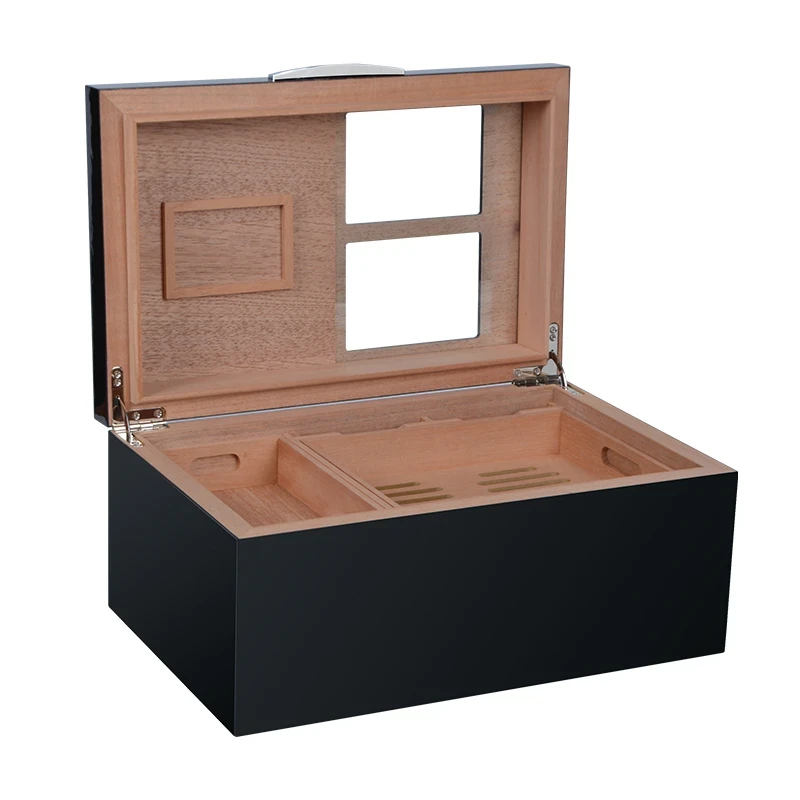
I have helped many buyers find good platforms to sell or value their boxes.
Dive Deeper Into Selling and Appraisal Options (250+ words)
Selling vintage cigar boxes is easy when you know where collectors spend their time. Online marketplaces like eBay often have active listings. These platforms give you a wide audience and let you compare prices with similar items. You can also watch completed listings to see what buyers actually pay.
Auction houses are another strong option. Some auction houses have departments that handle vintage tobacco items. These teams understand rarity and can connect you with the right buyers. Auctions can also create competition, which sometimes increases the final price.
Antique shops and flea markets also buy old cigar boxes. These shops often look for boxes with strong artwork or unique wood. The prices may be lower than online sales, but the process is simple and quick.
Collector forums and online groups are very active. Many cigar collectors also collect vintage packaging. You can post photos, ask questions, and get feedback before selling. Some collectors even trade or buy directly from owners.
Appraisers can also help you understand the real value. They look at condition, material, branding, and artwork. A good appraiser can give you a realistic market price. Some specialize in cigar memorabilia.
In my experience, the best results come from combining these platforms. If you want the highest price, use auctions or collector groups. If you want fast results, use online marketplaces. Each seller has different goals, so it helps to choose the right method based on your needs.
Conclusion
Old cigar boxes have real value when you understand brand, material, condition, and rarity.
WoodoBox — Custom Wooden Boxes, Crafted to Perfection



 English
  Español
  Português
  Deutsch
  Français
  Italiano
  العربية