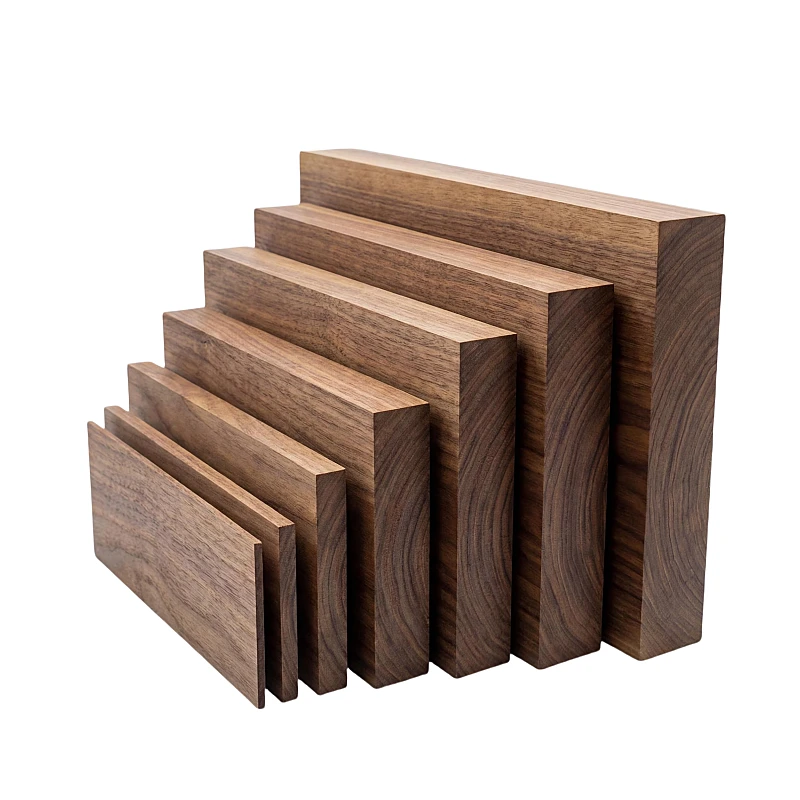
You want your packaging to feel premium. You consider solid wood. But you also worry about cost, stability, and long-term performance.
Solid wood wooden boxes offer authentic grain, natural warmth, and stronger luxury perception, but they cost more due to material yield loss, slower production, and humidity control. They make sense only when your product price and brand positioning can justify the extra investment.
I have worked with solid wood for over 16 years. Clients love how it feels. But I always tell them the same thing: premium feeling is important, but structural stability and cost balance matter even more.
What Makes Solid Wood Different from MDF or Plywood?
You see wood. It looks similar. But the structure inside is completely different.
Solid wood is cut directly from natural timber, while MDF and plywood are engineered boards made from wood fibers or layers. This difference affects texture, stability, cost, and long-term performance.
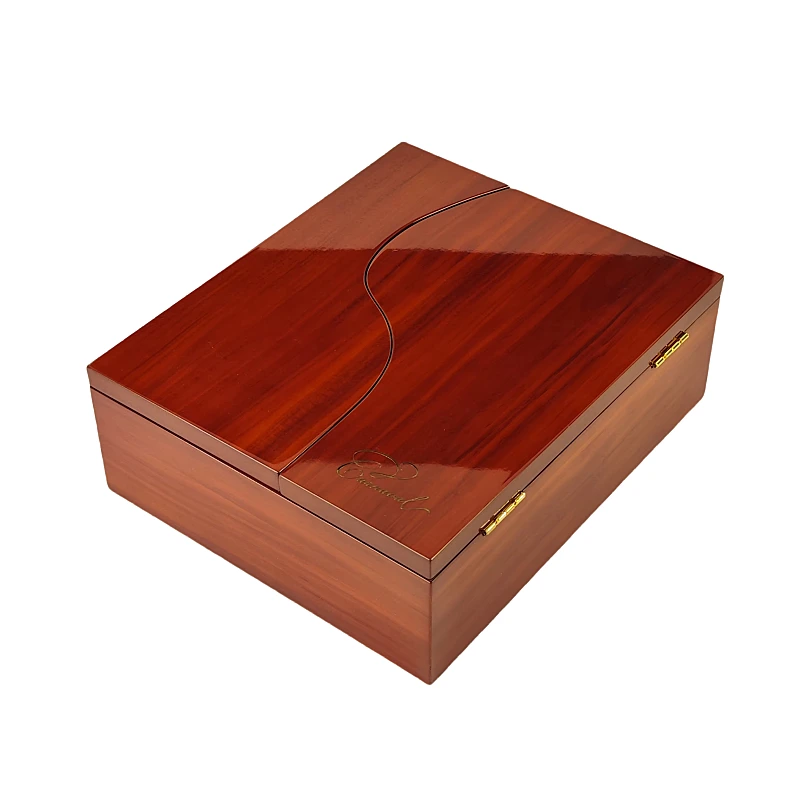
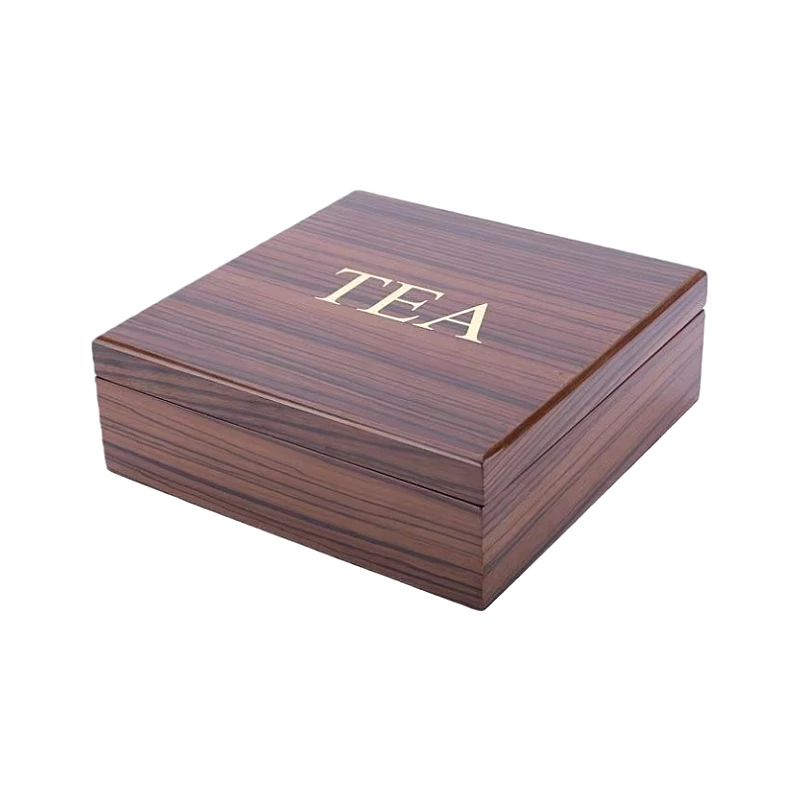
When clients hold oak or walnut in their hands, they immediately notice the difference. The grain is not printed. It is not pressed. It is real.
Material Structure Comparison
Here is a simple breakdown:
| Material | Structure | Surface Grain | Stability | Cost Level |
|---|---|---|---|---|
| Solid Wood | Natural timber plank | 100% real | Medium | High |
| MDF | Compressed wood fibers | Needs veneer | Very stable | Low |
| Plywood | Layered wood sheets | Needs veneer | Stable | Medium |
Solid wood comes from logs. We cut them into planks. Each piece has unique grain patterns. No two boxes are identical.
MDF is made from wood fibers pressed under heat and pressure. It has no visible grain unless we apply veneer. But it is very stable. It does not move easily with humidity.
Plywood is built from thin layers glued together. The cross-layer structure improves strength and reduces warping.
Weight and Temperature Feel
Solid wood feels heavier. It also feels warmer to the touch. This happens because natural wood has different thermal conductivity compared to engineered boards.
When I show samples to clients:
- Solid wood feels organic.
- MDF with veneer looks similar but feels slightly cooler.
- Plywood is somewhere in between.
The difference is subtle. But in luxury positioning, subtle details matter.
The Real Reason Solid Wood Feels More Premium
You want customers to feel quality immediately. You want them to sense authenticity.
Solid wood feels more premium because customers associate real grain, natural weight, and organic texture with craftsmanship, heritage, and authenticity.
Premium perception is emotional. It is not just technical.
Authentic Grain and Uniqueness
Every solid wood panel has natural variation:
- Grain direction changes
- Color tones vary
- Knots may appear
This randomness gives character. Customers often connect this with handcraft and tradition.
In luxury segments like:
- Cigar boxes
- High-end watch boxes
- Limited edition gift collections
This authenticity supports brand storytelling.
Psychological Value
When someone opens a solid oak or walnut box, they do not just see packaging. They see material value.
Solid wood signals:
- Durability
- Natural origin
- Higher material cost
- Craftsmanship effort
Even if the customer does not know production details, they feel the difference.
But Premium Does Not Always Mean Practical
Here is where I give honest advice.
High-quality MDF with natural veneer can achieve:
- 80–90% of the same visual effect
- More consistent surface tone
- Better dimensional stability
If your brand story focuses on sustainability or modern minimalism, veneer over MDF may actually look cleaner.
So the premium feeling of solid wood is real. But it must match your brand message.
Cost Structure: Where the Extra Money Actually Goes
You hear that solid wood is expensive. But many clients do not understand why.
Solid wood costs more because of higher raw material price, lower yield rate, increased labor time, and stricter moisture control requirements.
Let me break it down clearly.
1. Raw Material Cost
Natural hardwood like oak, walnut, or ash costs more per cubic meter than MDF boards.
But that is only part of the story.
2. Yield Loss
When we cut planks:
- Some parts contain knots
- Some areas have defects
- Some pieces crack during drying
We cannot use 100% of the timber. The usable rate may drop to 60–75%.
With MDF sheets, utilization is much higher and more predictable.
3. Moisture Control
For export, we control solid wood moisture content at around 8–12%.
If moisture is too high:
- Panels may warp later.
- Cracks may appear months after delivery.
Drying and conditioning take time and cost money.
4. Labor and Production Time
Solid wood requires:
- More sanding
- Reinforced joints
- Careful assembly
- Extra surface finishing checks
Production lead time often extends 5–10 days compared to MDF structure.
Here is a simplified comparison:
| Cost Element | MDF Structure | Solid Wood Structure |
|---|---|---|
| Raw Material | Low | High |
| Yield Waste | Low | Medium to High |
| Labor Time | Standard | Higher |
| Lead Time | Shorter | Longer |
| Stability Risk | Low | Medium |
So when clients ask why the price increases significantly, this is the real answer.
Risk Factors: Warping, Cracking, and Humidity Movement
You want natural beauty. But nature comes with movement.
Solid wood expands and contracts with humidity changes, and if moisture is not properly controlled, warping or small cracks can appear months after shipment.
This is the most important risk factor.
Wood Movement Is Natural
Wood absorbs and releases moisture from the air. When humidity changes:
- Panels expand in humid climates.
- Panels shrink in dry climates.
This movement is small but real.
In markets like:
- UAE (very dry)
- Coastal Europe (humid)
- North America with seasonal changes
The environment can be very different from the factory.
What Can Go Wrong?
If moisture control is not precise:
- Small cracks may appear at joints.
- Lids may become slightly misaligned.
- Panels may warp subtly.
Even small changes can affect premium perception.
How We Reduce Risk
I always do three things:
- Control kiln drying strictly.
- Keep moisture around 8–12% before assembly.
- Reinforce joints with internal structure support.
Even with these steps, solid wood is never as dimensionally stable as MDF.
That is why I say solid wood is not automatically “better.” It is more natural. But natural materials require careful management.
When Solid Wood Truly Makes Sense for Your Brand
You love the feel. You understand the cost. Now the real question: is it right for you?
Solid wood makes sense when your product price is high, your brand story emphasizes authenticity or heritage, and your margins can absorb higher material and production costs.
From my experience, solid wood works best in specific situations.
It Makes Sense When:
- Your product is high-end or collectible.
- The box is part of the product value.
- Your retail price supports higher packaging cost.
- Your brand story highlights natural materials or craftsmanship.
- Your order volume is stable and predictable.
It May Not Be Ideal When:
- Your box cost must stay under strict control.
- Your timeline is very tight.
- Your market climate is extremely unstable.
- Your customers focus more on price than material authenticity.
My Practical Advice
If your goal is luxury perception and your product margin is strong, solid wood can elevate your brand.
If your cost target is tight, high-quality MDF with veneer can deliver:
- Excellent surface appearance
- Better dimensional stability
- Lower risk of post-delivery issues
Premium feeling is important. But sustainable business depends on cost balance and long-term structural reliability.
After 16 years in this industry, I always return to one principle: packaging must support your brand story, but it must also protect your profit.
Conclusion
Solid wood delivers authentic luxury. But only choose it when your brand, price, and long-term strategy can truly support the investment.
WoodoBox – Premium Wooden Packaging Manufacturer in China
Custom Wooden Boxes, Crafted to Perfection