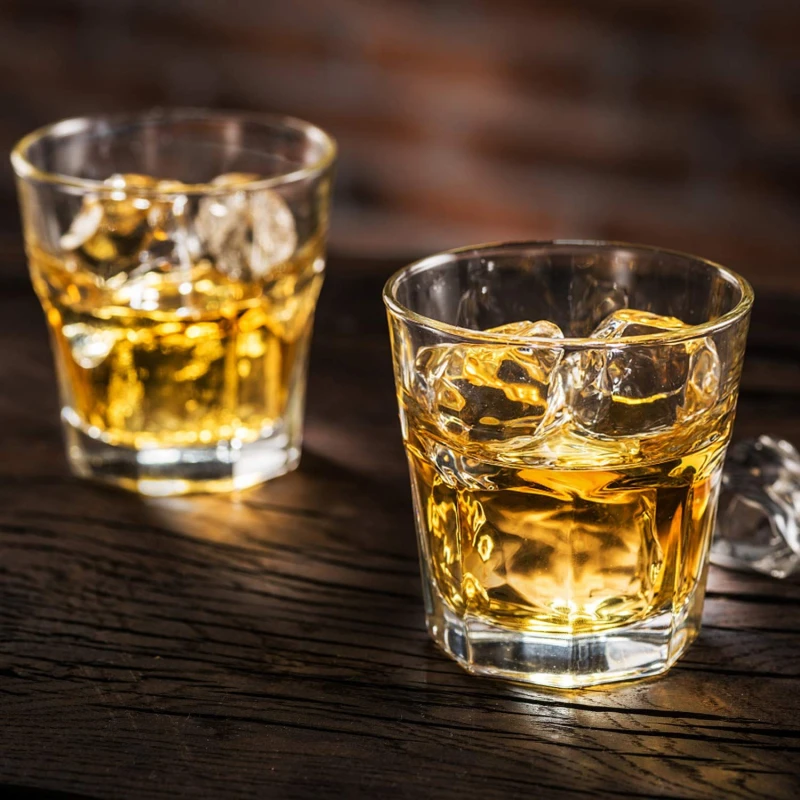
Many people enjoy whisky but quietly worry about weight gain. This concern often comes from mixed messages about alcohol, calories, and metabolism.
Whisky itself does not automatically cause weight gain, but how often, how much, and how it is consumed can make a real difference over time.
From my 15+ years in high-end wooden box manufacturing, I’ve learned one consistent rule: problems rarely come from the product alone. They come from habits, context, and lack of restraint. Whisky follows the same logic.
How many calories does whisky actually contain?
This is the foundation of the entire question, and the answer is simpler than many expect.
A standard shot of whisky contains about 95–105 calories, all from alcohol, with no sugar, fat, or carbohydrates.
Where the calories come from
Whisky calories come only from alcohol. Alcohol provides about 7 calories per gram.
Whisky contains:
- zero sugar
- zero fat
- zero carbohydrates
This makes it nutritionally simple.
Portion size matters
A typical serving is:
- 1.5 oz (44 ml)
- around 100 calories
Because whisky is strong, most people drink it in small quantities.
How this compares mentally
Many people overestimate whisky calories because they associate alcohol with sweetness or heaviness. In reality, neat whisky is more controlled than many everyday drinks.
A quick reference
| Drink | Typical Calories |
|---|---|
| Whisky (1.5 oz) | ~100 |
| Beer (12 oz) | 140–180 |
| Wine (5 oz) | 120–130 |
My perspective
In premium work, concentration matters. Whisky delivers flavor in small volume. Calories follow that same logic.
Does whisky turn directly into body fat?
This is a common fear, and it needs clarification.
Whisky does not turn directly into body fat, but alcohol changes how the body prioritizes burning calories.
How the body processes alcohol
When you drink alcohol:
- the body treats it as a priority
- alcohol is burned first
- fat burning is temporarily paused
This does not mean alcohol becomes fat. It means fat burning is delayed.
Why this matters
If total calories stay balanced, this pause is not a problem. If extra calories are added, they are more likely to be stored.
Alcohol vs food calories
Alcohol calories are used for energy, not stored directly. But they can indirectly encourage storage if intake exceeds needs.
A simple way to think about it
Alcohol changes timing, not destiny. Weight gain depends on overall balance, not one drink.
My craftsmanship analogy
In production, focusing on one task delays others. It does not ruin them. Alcohol works the same way in metabolism.
Why do some people gain weight when drinking whisky regularly?
This is where habits enter the picture.
People gain weight from whisky indirectly, through increased calorie intake, appetite changes, and lifestyle patterns around drinking.
Appetite effect
Alcohol can:
- increase hunger
- reduce self-control
- encourage late-night snacking
The snacks, not the whisky, often drive weight gain.
Lifestyle patterns
Regular drinking is often paired with:
- social eating
- rich foods
- reduced activity
These patterns add up quietly.
Frequency matters more than strength
One whisky occasionally rarely causes issues. Frequent drinking, even small amounts, adds consistent calories.
Hidden accumulation
| Habit | Long-Term Effect |
|---|---|
| Occasional whisky | minimal |
| Daily whisky | gradual gain |
| Whisky + snacks | higher risk |
My real-world observation
In my industry, excess usually comes from repetition, not one big choice. Weight gain works the same way.
Are whisky cocktails more likely to cause weight gain than neat whisky?
This is one of the biggest differences people overlook.
Yes, whisky cocktails are far more likely to cause weight gain because mixers add sugar and extra calories quickly.
Where cocktail calories come from
Common mixers include:
- cola
- syrups
- fruit juices
- cream-based ingredients
These add sugar and carbohydrates.
Calorie comparison
| Drink Style | Estimated Calories |
|---|---|
| Neat whisky | ~100 |
| Whisky + cola | 180–220 |
| Old Fashioned | 160–180 |
| Sweet cocktail | 250–400+ |
The whisky stays the same. The extras change everything.
Why cocktails feel harmless
They taste smoother and easier to drink. This often leads to:
- faster consumption
- multiple servings
My packaging analogy
Adding unnecessary layers increases weight without adding value. Cocktails often do the same nutritionally.
How can you enjoy whisky without affecting your weight too much?
This is about balance, not restriction.
You can enjoy whisky without much impact on weight by drinking in moderation, avoiding sugary mixers, and staying aware of habits around it.
Practical guidelines that work
- keep portions small
- drink slowly
- choose neat, water, or ice
- avoid sugary mixers
- don’t drink out of boredom
Timing matters
Drinking with meals often leads to better control than drinking late at night.
Frequency over intensity
One or two thoughtful drinks per week is very different from daily casual drinking.
My personal rule
I never drink whisky without intention. That single habit prevents overuse.
A healthier mindset
Whisky is an experience, not a habit. When treated that way, weight impact stays minimal.
Conclusion
Whisky does not automatically cause weight gain. When enjoyed in moderation and without sugary mixers, it fits easily into a balanced lifestyle. Habits, not whisky itself, decide the outcome.
WoodoBox
Custom Wooden Boxes, Crafted to Perfection