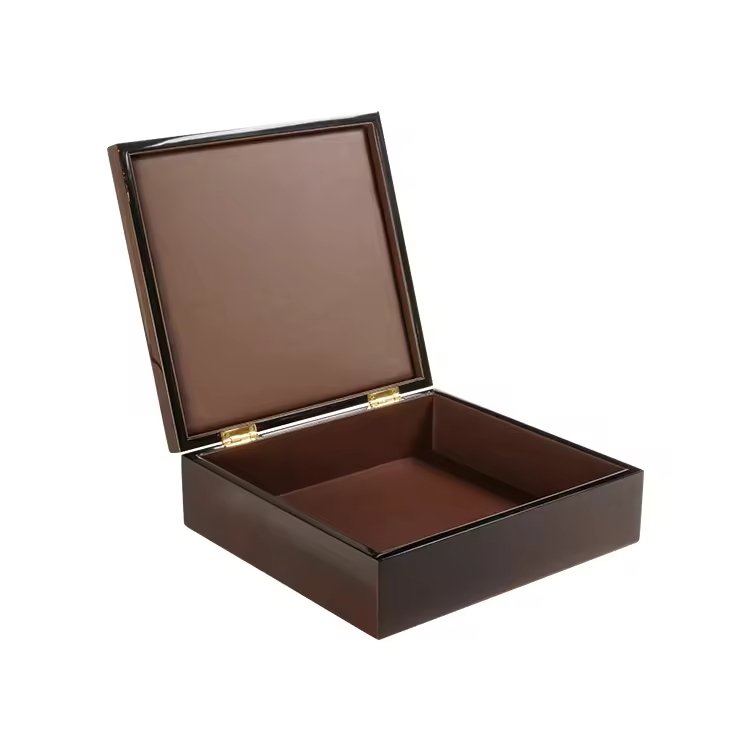
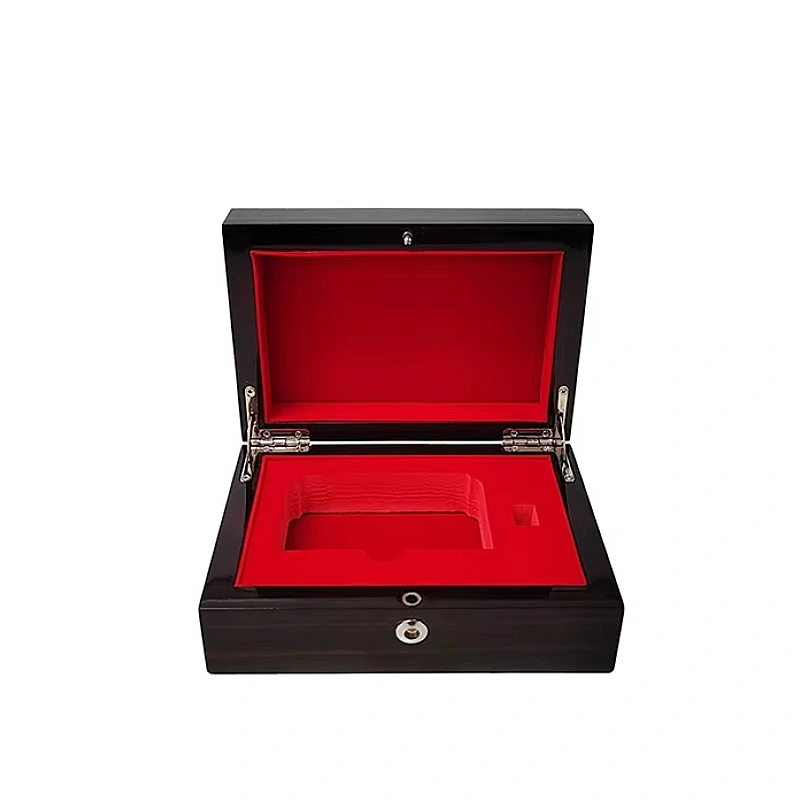
Luxury perfume brands struggle with one silent problem. Many beautiful packages look perfect, but they feel empty in the hand. That gap weakens trust before the scent is even opened.
Luxury perfume brands prefer hand-polished wooden boxes because touch creates belief.
Hand work adds warmth, depth, and human presence that machines cannot express, and this directly shapes how customers judge value.
I have worked with luxury perfume brands for more than 15 years. I design and manufacture high-end wooden boxes every day. From piano lacquer finishes to natural wood textures, I see one pattern repeat. When brands want emotional impact, they always come back to hand-polishing.
The reason is simple. Luxury is not only seen. It is felt. And the first physical contact often decides whether a customer trusts the brand promise or not.
Why does hand-polishing create a tactile quality machines cannot replicate?
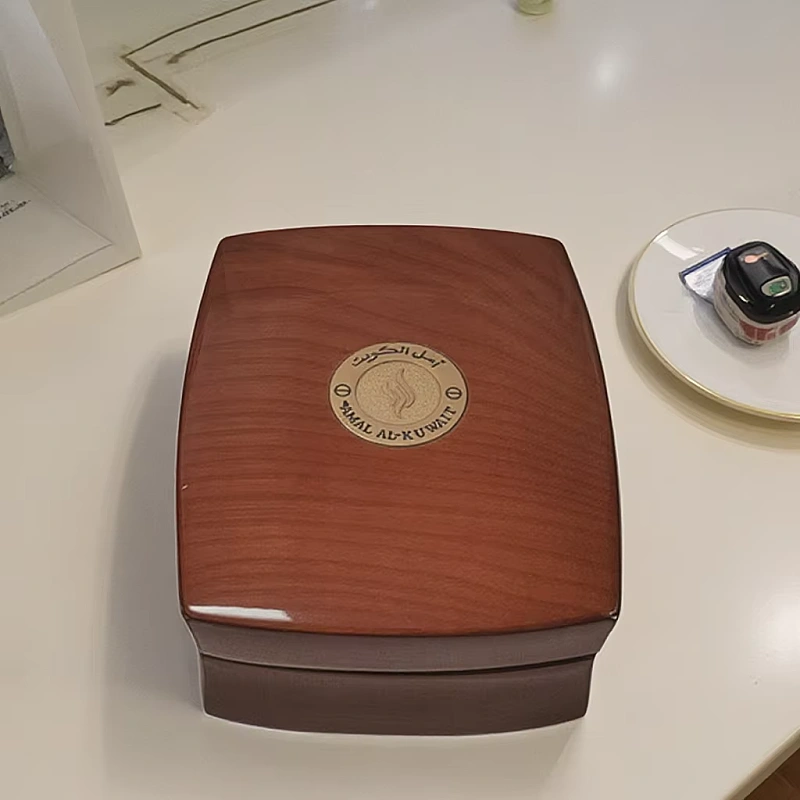
Many brands worry that machine finishing is enough. The surface looks smooth. The gloss looks even. But when customers touch it, something feels missing.
Hand-polishing creates tactile depth because it follows the wood, not a program.
Human hands respond to grain, density, and resistance in real time, and that creates a living surface.
What machines actually do to wood surfaces
Machines are very good at one thing. They remove material evenly. This is perfect for efficiency. But wood is not even by nature.
Each panel has:
- Hard grain and soft grain
- Pores that open differently
- Density that changes across the surface
Machines ignore these differences. They flatten everything to the same level.
What hands do differently
When a skilled worker polishes by hand, pressure changes naturally.
I have watched this process thousands of times on my factory floor. The worker presses lighter on soft areas and firmer on dense grain. This happens without thinking. It cannot be programmed.
That creates:
- Slight softness where fingers rest
- Gentle resistance where edges need strength
- A flow that follows the grain direction
Customers may not explain this in words, but their fingers feel it immediately.
Tactile perception and luxury psychology
Luxury customers use touch to judge truth. This is especially important for perfume.
Perfume is invisible. The box must carry trust before scent is released.
From my experience, customers associate:
- Warm touch with care
- Soft resistance with quality
- Natural variation with honesty
Hand-polishing activates all three signals at once.
Machine vs hand polishing comparison
| Aspect | Machine Polishing | Hand Polishing |
|---|---|---|
| Surface feel | Uniform and flat | Layered and soft |
| Grain response | Ignored | Respected |
| Emotional signal | Neutral | Human |
| Touch memory | Forgettable | Memorable |
This is why luxury perfume brands keep asking for hand-polished samples, even when machines are faster and cheaper.
They are not buying smoothness.
They are buying feeling.
How does hand-finishing reveal craftsmanship rather than hide it?
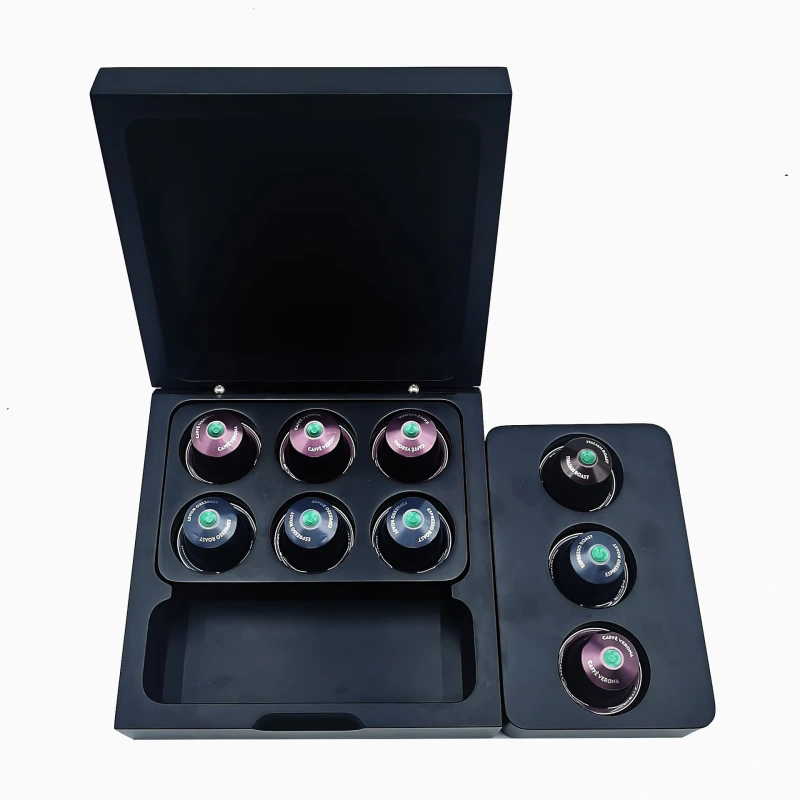
Many people think polishing is about hiding flaws. In luxury packaging, the opposite is true.
Hand-finishing reveals craftsmanship by showing control, not perfection.
It lets skill become visible through balance and restraint.
The danger of over-perfection
Machine finishing often removes all signs of human work. Edges become overly sharp. Surfaces feel sealed.
In perfume packaging, this creates distance.
I have seen boxes that look expensive but feel cold. When clients hold them, they pause. That pause is dangerous. Doubt enters.
Luxury should feel calm, not calculated.
How skilled hands shape details
A trained polisher understands where to stop.
From my own production experience, this matters most in:
- Lid edges
- Opening touch points
- Corners where fingers rest
Hand-finishing allows:
- Crisp edges where structure matters
- Soft transitions where hands move
- Slight rounding that feels safe and refined
These decisions happen in seconds, guided by experience.
Craft is shown through restraint
True craftsmanship does not shout. It whispers.
Hand-polishing leaves tiny signs:
- Gentle transitions instead of sharp breaks
- Light variation in sheen
- Subtle softness that invites touch
Luxury perfume brands value this because it matches their product philosophy.
A fine fragrance does not scream. It unfolds slowly.
Craft visibility vs flaw visibility
This distinction is critical.
| Surface Detail | Machine View | Luxury Brand View |
|---|---|---|
| Micro variation | Defect | Proof of hand work |
| Slight sheen change | Inconsistency | Depth |
| Edge softness | Imperfection | Comfort |
When brands visit my factory, I often let them compare two boxes silently. One is machine-polished. One is hand-finished.
Almost every time, they choose the hand-finished one without explanation.
Their hands decide before their words do.
Why do subtle surface variations increase perceived authenticity and value?
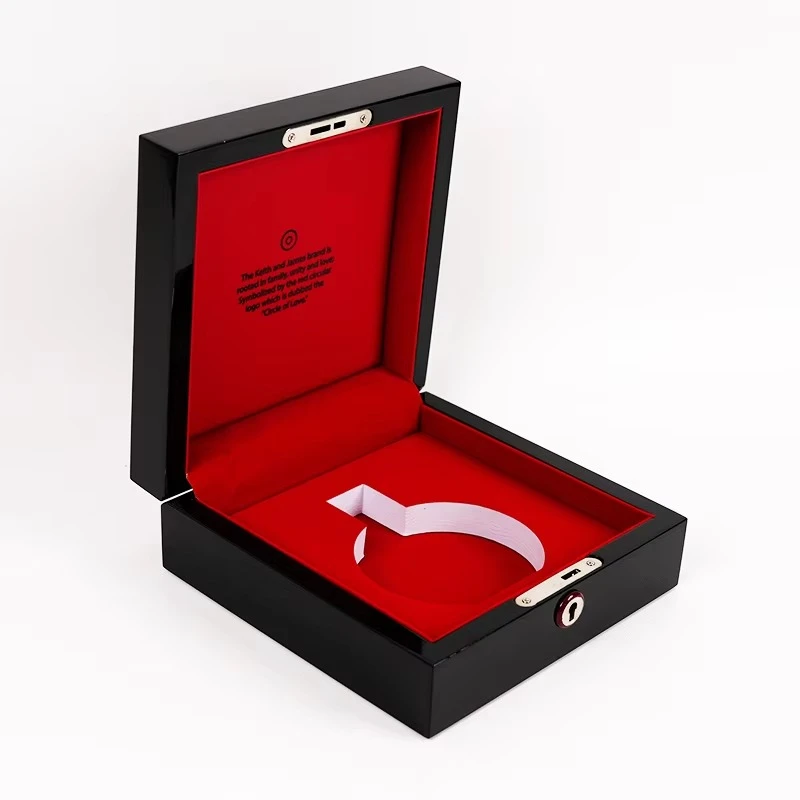
Luxury customers are more educated than ever. They can sense when something tries too hard.
Subtle surface variations increase value because they signal truth.
They show that the material was respected, not forced into uniformity.
Wood is not plastic
Wood carries history. Grain, pores, and texture tell a story of growth.
Machine sanding tries to erase that story.
Hand-polishing allows it to remain visible, but controlled.
Authenticity signals the brain trusts
From years of client feedback, I have learned something important.
Customers associate authenticity with:
- Irregular grain flow
- Slight texture differences
- Non-identical reflections
These signs trigger the same trust response as handmade goods.
Niche perfume brands and authenticity
Many luxury perfume brands position themselves as:
- Artisanal
- Small batch
- Crafted with intention
Their packaging must support that message.
Hand-polished wooden boxes align perfectly because:
- No two boxes feel exactly the same
- Each one feels personal
- Variation feels intentional
Value perception and uniqueness
Luxury value grows when customers feel ownership of something unique.
A perfectly identical box feels replaceable.
A subtly varied surface feels personal.
| Customer Feeling | Perfect Surface | Hand-Polished Surface |
|---|---|---|
| Replaceable | High | Low |
| Emotional bond | Weak | Strong |
| Display pride | Limited | High |
This is why collectors often keep perfume boxes long after the fragrance is gone.
The box feels alive.
How does hand-polishing improve long-term aging and patina of wood?
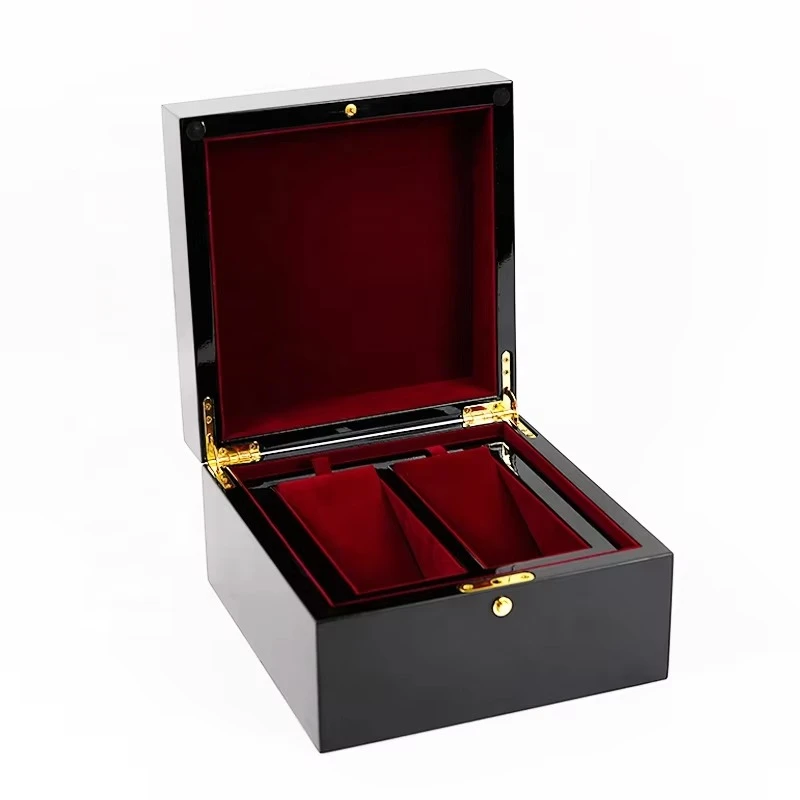
Most packaging is designed for the moment of purchase. Luxury packaging must survive time.
Hand-polishing improves aging because it works with wear, not against it.
It allows wood to age gracefully instead of failing suddenly.
Machine finishes and aging problems
Machine-polished surfaces often rely on:
- Heavy sealing
- Thick coatings
- Uniform layers
When wear happens, it breaks through suddenly.
Scratches look sharp. Dull patches appear uneven.
Customers notice this fast.
How hand-polished surfaces age
Hand-polished wood absorbs oils differently.
Over time:
- Touch points darken softly
- Surfaces gain warmth
- Minor scratches blend into patina
This aging feels natural.
I have seen hand-polished boxes returned after five or ten years. Many look better than new.
Patina as luxury language
In luxury culture, aging is not decay. It is memory.
Think of:
- Leather wallets
- Wooden instruments
- Fine furniture
Hand-polishing allows perfume boxes to join this category.
Long-term brand value
Luxury perfume brands care about what happens after purchase.
A box that ages well:
- Stays on display
- Becomes part of the owner’s space
- Continues to advertise the brand silently
This long-term presence matters more than short-term shine.
Why do luxury brands see hand-polishing as part of brand storytelling?
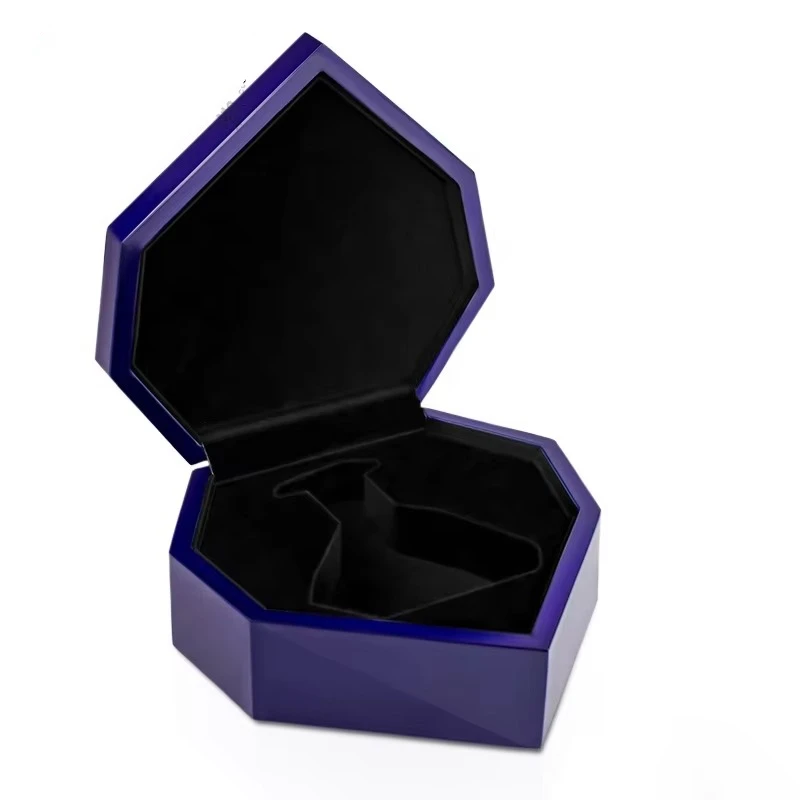
Luxury is not only a product. It is a story customers repeat to themselves.
Hand-polishing becomes proof that time and care were invested.
It turns process into meaning.
Process is part of the message
Luxury brands want to say:
- We did not rush
- We did not cut corners
- We respect materials
Hand-polishing makes this claim believable.
It is not marketing language. It is a physical fact.
Human involvement builds trust
In client meetings, I often hear the same sentence.
“We want to say human hands touched this.”
That matters because:
- Customers distrust automation in luxury
- Hand work implies judgment
- Judgment implies responsibility
Story alignment with perfume creation
Perfume itself is often described as:
- Hand-blended
- Carefully adjusted
- Crafted over time
The box must speak the same language.
Hand-polished wooden boxes do exactly that.
Storytelling through silence
The most powerful luxury stories are quiet.
No label needs to explain hand-polishing.
The customer feels it.
And feeling is stronger than explanation.
Conclusion
Hand-polished wooden boxes help luxury perfume brands build trust through touch, time, and truth. For me, hand work is not decoration. It is belief made solid.
Brand Name: WoodoBox
Slogan: Custom Wooden Boxes, Crafted to Perfection



 English
  Español
  Português
  Deutsch
  Français
  Italiano
  العربية