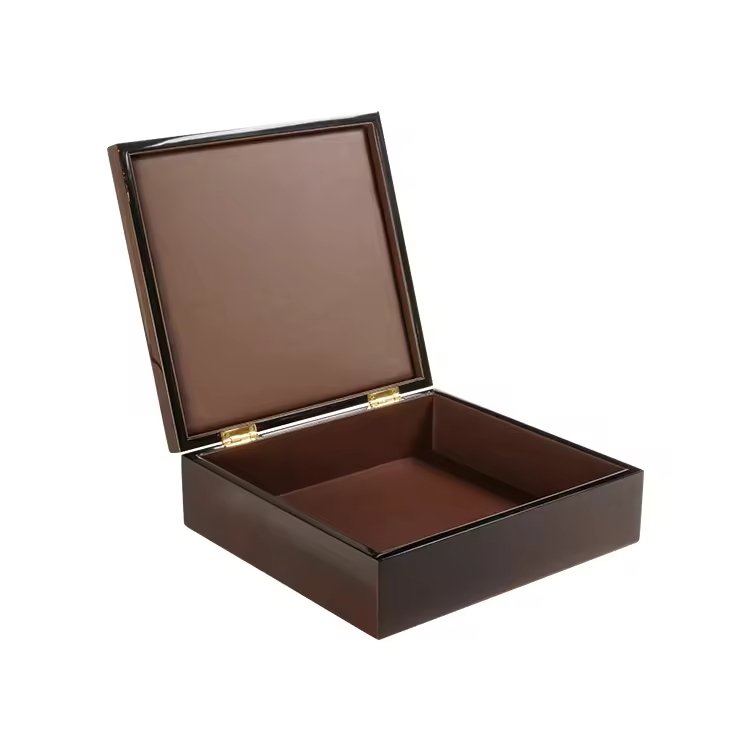
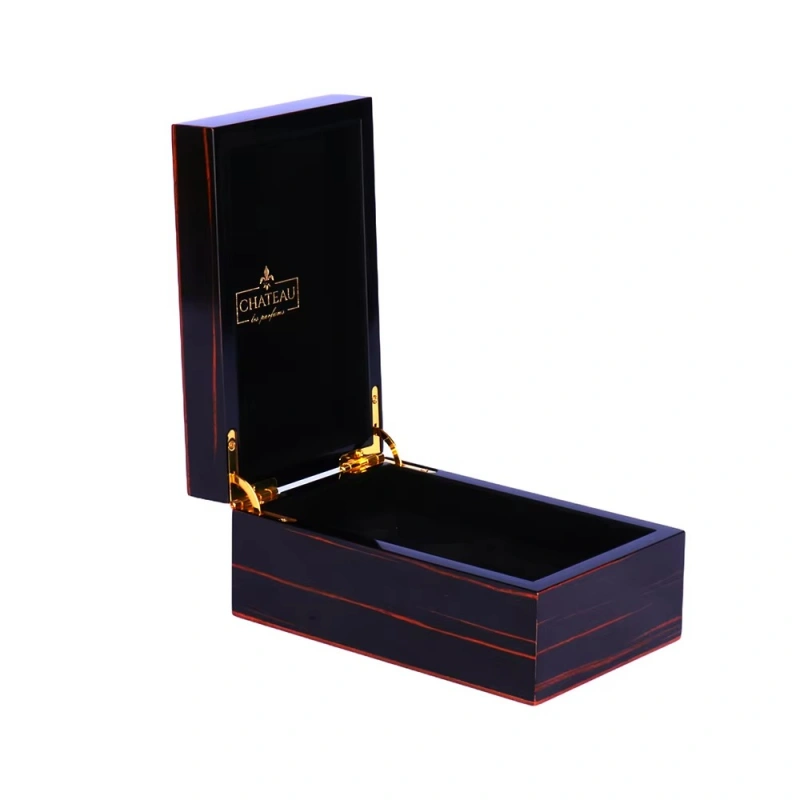
Perfume brands lose products every year due to hidden transport damage. Bottles look fine outside, but micro shock inside slowly breaks seals, necks, and bases.
The best wood types for absorbing internal shock are medium-density hardwoods with fine, stable grain. They manage impact energy gradually instead of reflecting it back to the perfume bottle.
I have learned this lesson many times during real drop tests, export claims, and redesign projects. Shock absorption is not about softness. It is about balance.
Many buyers still choose wood the wrong way. They focus on hardness, weight, or price. But perfume packaging demands control, not brute strength. Below, I will explain how wood truly behaves during shock events, based on my own factory experience.
Why is controlled shock absorption more important than softness in perfume packaging?
Perfume bottles fail quietly during shipping. The damage rarely comes from one big drop. It comes from repeated small shocks.
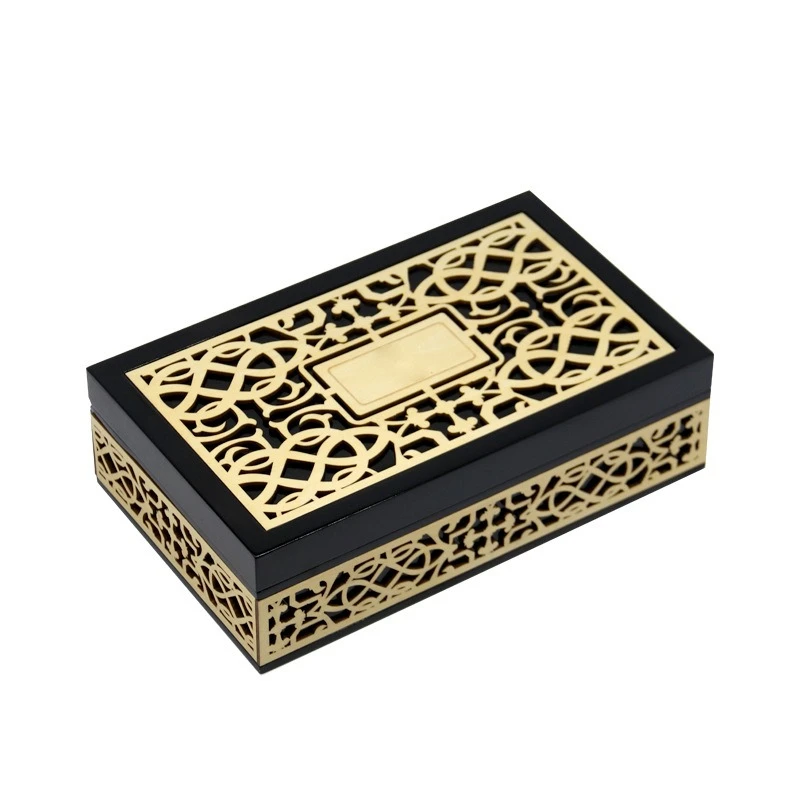
Soft materials feel safe to the hand, but they do not always protect glass. Controlled shock absorption matters more because perfume bottles need energy to be slowed down, not eliminated instantly.
How shock really damages perfume bottles
In my early years, I believed softer materials were safer. Foam-heavy designs felt protective. But field results told a different story.
Here is what actually happens inside a wooden perfume box:
- The courier drops the carton
- Energy travels through the outer carton
- The wooden box receives the shock
- The bottle moves inside the cavity
- Stress concentrates at the neck and base
If the structure is too soft, the bottle moves too far. If it is too hard, energy reflects back into the glass.
Controlled absorption means slowing energy step by step.
Softness vs control in real packaging
Soft materials compress fast. That sounds good, but fast compression creates rebound. Rebound causes secondary impacts. Those secondary impacts are often what crack glass seals.
Wood behaves differently. Good wood compresses very slightly, but over a longer time. That time delay matters.
Here is a simple comparison I often share with buyers:
| Material Behavior | Result for Perfume Bottles |
|---|---|
| Very soft | Large movement, rebound |
| Very hard | Energy reflection |
| Balanced wood | Gradual energy dissipation |
Perfume packaging needs predictability. Medium-density wood gives that. It does not collapse. It does not bounce. It slows things down.
Why perfume bottles are especially sensitive
Perfume bottles are not like wine bottles. They have thin walls. They have narrow necks. They have sealed pumps.
Any repeated vibration can loosen the pump seal. Any angled shock can crack the neck. Soft packaging alone cannot stop this.
That is why controlled shock absorption is the foundation. Softness is only one small part of the system.
How do medium-density hardwoods balance rigidity and energy absorption best?
Medium-density hardwoods sit in the sweet spot between strength and elasticity.
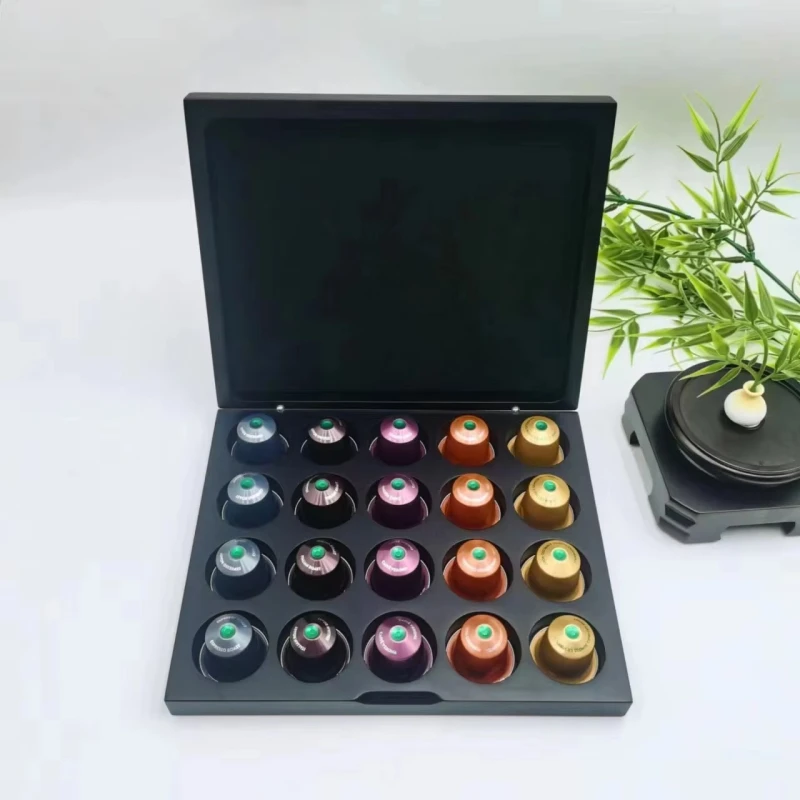
After years of testing, I trust woods like walnut, beech, maple, and properly seasoned oak for perfume packaging. They protect without overreacting.
What “medium-density” really means in practice
Many catalogs list wood density numbers. But numbers alone do not explain behavior.
In production, medium-density hardwoods share these traits:
- They resist sudden deformation
- They allow micro-level compression
- They recover slowly
- They do not crack under repeated stress
This behavior is perfect for absorbing shock energy in stages.
Real-world comparison from my factory tests
We once tested the same perfume bottle in three boxes. Same insert. Same drop height.
| Wood Type | Result After 10 Drops |
|---|---|
| MDF only | Insert crushed early |
| Very hard wood | Bottle base cracked |
| Beech wood | No internal damage |
The beech box did not feel softer. It felt solid. But inside, the energy flow was smoother.
Why rigidity still matters
Some buyers think flexible equals safe. That is dangerous thinking.
Rigid structure keeps the insert aligned. It prevents cavity distortion. It keeps the bottle centered.
Medium-density hardwoods provide enough rigidity to:
- Hold tolerances
- Protect corners
- Maintain shape under stacking pressure
At the same time, they absorb part of the shock internally through wood fiber compression.
My preferred woods for this balance
From my experience, these woods perform best when prepared correctly:
- Walnut: stable, calm vibration response
- Beech: even density, predictable behavior
- Maple: strong but not brittle
- Oak (seasoned): good damping if grain is controlled
Each one needs correct drying and machining. Poor preparation ruins even the best wood.
Why are woods with fine, uniform grain better at damping vibration?
Grain structure controls how energy moves through wood.
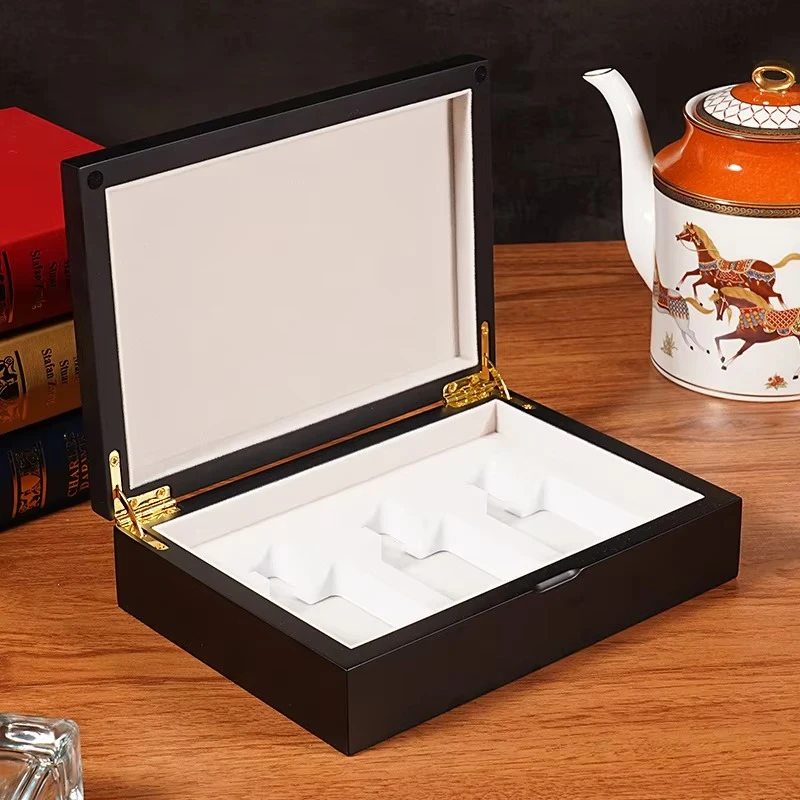
This is one of the most misunderstood topics in wooden packaging. Many buyers focus on color or species, but ignore grain.
How vibration travels inside wood
Shock energy does not stop at the surface. It travels through fibers.
In fine-grain wood, fibers are:
- Closely packed
- Evenly aligned
- Consistent in density
This forces vibration to spread out. Energy becomes weaker as it travels.
In coarse-grain wood, fibers are uneven. Energy finds fast paths. Stress concentrates.
Grain consistency vs appearance
Some woods look beautiful but behave poorly. Strong contrast grain often means uneven density.
Here is what I look for when selecting boards:
| Grain Feature | Impact on Shock Control |
|---|---|
| Tight grain | Even energy spread |
| Uniform direction | Lower resonance |
| Few knots | Less stress concentration |
Perfume packaging is functional art. Beauty cannot compromise safety.
Problems I see with irregular grain woods
Irregular grain causes hidden risks:
- Micro cracks form earlier
- Vibration focuses near joints
- Inserts lose alignment over time
I have seen boxes pass visual inspection but fail after long shipping routes. Grain was the silent problem.
Why fine grain reduces resonance
Resonance amplifies vibration. Fine-grain woods dampen it.
When shock enters the box, fine fibers flex together. They absorb and release energy slowly. That prevents amplification.
This is why walnut and beech feel “quiet” during testing. They do not ring. They absorb.
How do wood types work together with inserts to control bottle movement?
Wood alone never solves the problem. Inserts matter just as much.
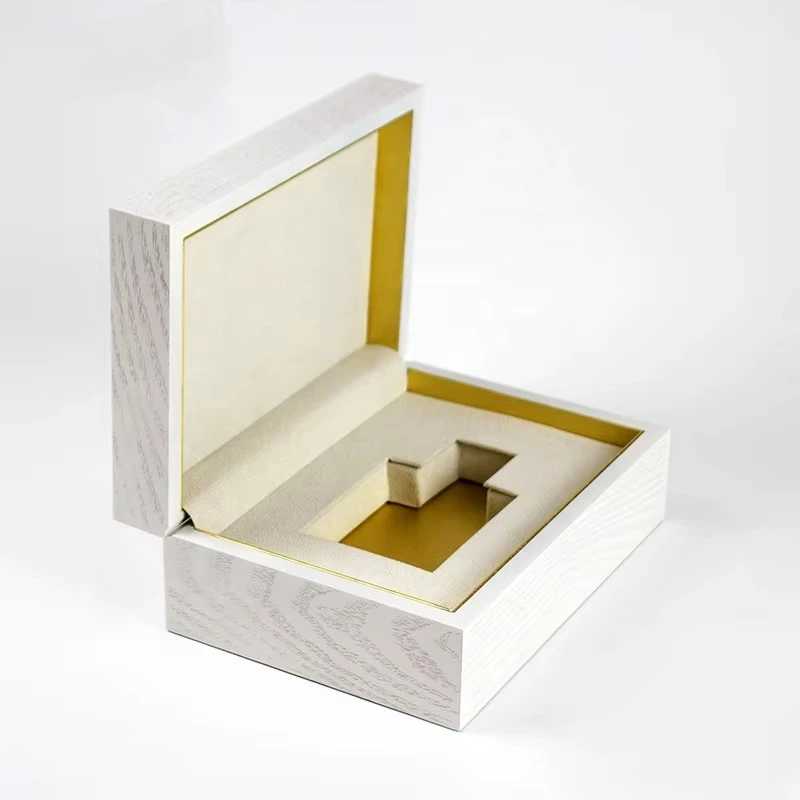
The real solution is a system. Wood controls macro shock. Inserts control micro movement.
Macro vs micro shock explained
I break shock into two levels:
- Macro shock: drops, stacking pressure, impacts
- Micro movement: vibration, small shifts, rattling
Wood absorbs and spreads macro shock. Inserts limit micro movement.
Insert materials and wood compatibility
Different woods behave better with certain inserts.
| Wood Type | Best Insert Match | Reason |
|---|---|---|
| Walnut | EVA or flocked tray | Stable damping |
| Beech | Molded pulp or EVA | Even load transfer |
| Maple | PU foam | Controlled rebound |
| Oak | Wood tray + lining | Structural harmony |
If the wood is too rigid, the insert must work harder. If the wood is balanced, inserts last longer.
Why movement control matters more than cushioning
Many failures come from bottles moving 1–2 mm repeatedly. That movement loosens pumps and weakens seals.
Good wood keeps cavities stable. Good inserts keep the bottle locked.
Together, they reduce:
- Neck stress
- Pump loosening
- Base micro fractures
Design mistakes I see often
Common errors include:
- Oversized cavities
- Inserts too soft
- Wood too rigid without damping
These mistakes create internal bounce. Balanced wood fixes half the problem before inserts even start working.
Why choosing the “right” wood matters more than choosing the “hardest” wood?
Hardness alone does not protect perfume bottles.
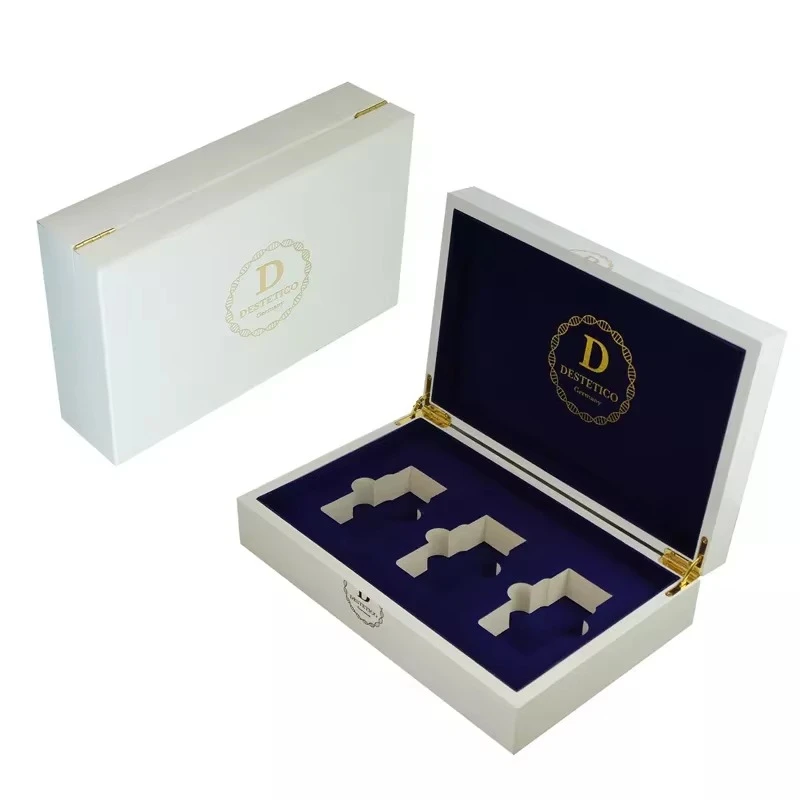
I have seen extremely hard woods fail more often than medium-density woods. The reason is energy reflection.
What happens with very hard woods
Very hard woods resist deformation. That sounds good. But when shock hits, energy has nowhere to go.
So it goes back.
That reflected energy hits the bottle directly. Glass does not forgive that.
Hardness vs damping
Here is a simple comparison I share with buyers:
| Property | Very Hard Wood | Balanced Hardwood |
|---|---|---|
| Deformation | Almost none | Micro-level |
| Energy flow | Reflected | Dissipated |
| Bottle safety | Risky | Stable |
Perfume bottles need damping, not armor.
Why balance wins in long-term storage
Perfume boxes sit in warehouses for months. Vibration continues.
Balanced woods reduce fatigue damage. Hard woods pass vibration through.
Over time, small stress adds up. Balance prevents that buildup.
My rule after 15+ years
When buyers ask me for the “strongest” wood, I reframe the question.
The right question is:
Which wood protects the bottle over time?
The answer is always the same. Balanced, fine-grain, medium-density hardwoods win.
Conclusion
The safest perfume packaging does not use the hardest wood. It uses balanced wood that absorbs shock gradually and works with inserts to control movement.
Brand Name: WoodoBox
Slogan: Custom Wooden Boxes, Crafted to Perfection

 English
  Español
  Português
  Deutsch
  Français
  Italiano
  العربية