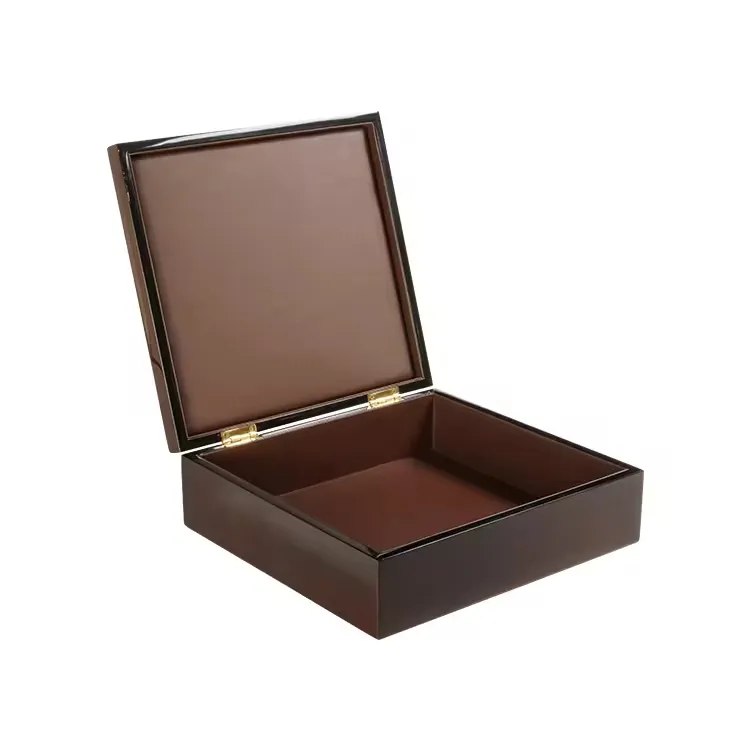
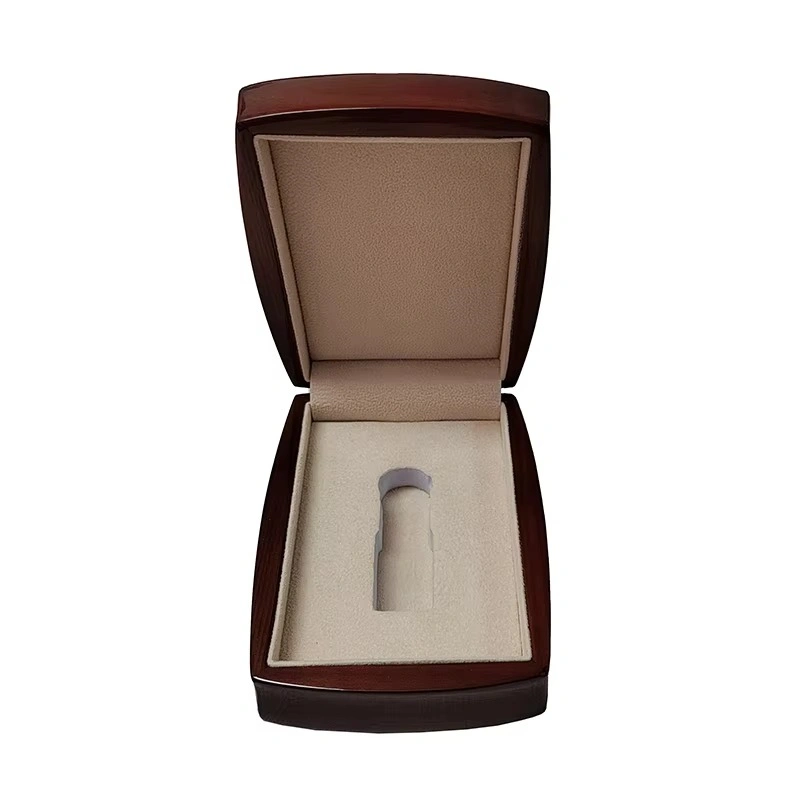
The problem is simple. Many premium products fail to feel premium the moment the box is opened. The agitation grows when brands invest in design but miss the feeling. The solution often hides in resistance.
Opening resistance directly shapes the unboxing experience by controlling emotion, pace, and perceived quality before the product is revealed.
When I design a wooden box, I do not start with how it looks. I start with how it opens. This small detail decides whether the box feels thoughtful or forgettable.
How does opening resistance set emotional expectations before the product is revealed?
The moment the lid starts to move, the body reacts. The hand feels tension first. The brain follows later. This is where expectations are formed.
Opening resistance sets emotional expectations by signaling care, intention, and value before the product is visible.
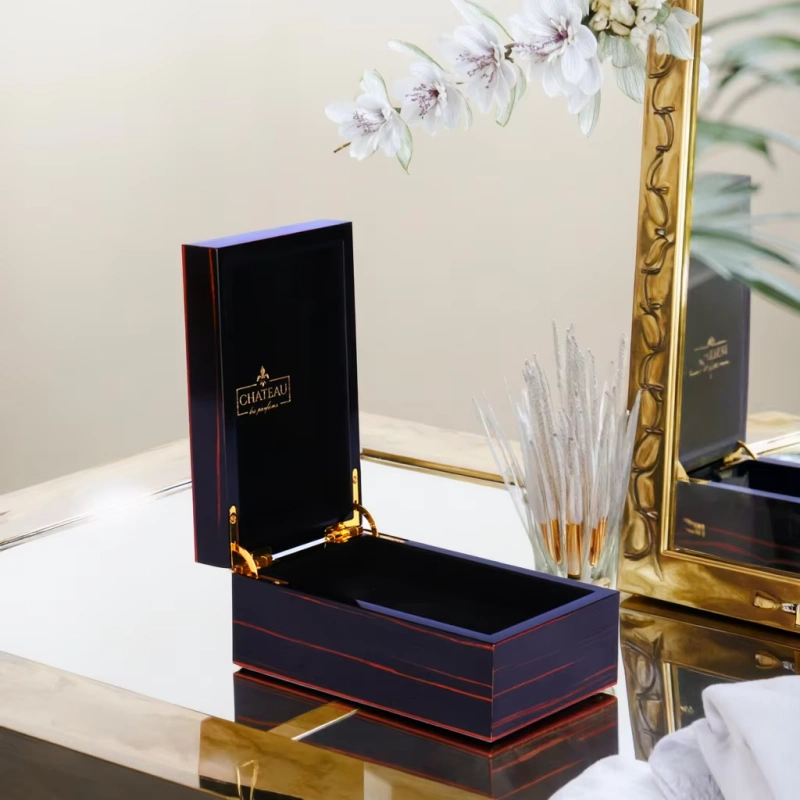
The body reacts before the mind
I have seen this again and again during client reviews. People touch the box. They lift the lid. They pause. That pause is not planned. It is instinctive.
A slight resistance tells the user that the box is not random. It suggests weight. It suggests thought. It suggests cost. Even before the perfume bottle appears, the brain has already judged the brand.
If the lid opens too fast, the brain receives a different message. It feels careless. It feels rushed. It feels like the product inside had no ceremony.
Anticipation starts with friction
Anticipation is not created by speed. It is created by delay.
In luxury packaging, delay is not a flaw. It is a tool. A controlled resistance stretches the moment. It gives time for curiosity to grow.
I often explain this to perfume brands. Fragrance is emotional. It is invisible. The box must prepare the user emotionally. Resistance helps do that.
How expectations form in seconds
From my experience, users form emotional judgment within the first two seconds of contact. Resistance plays a key role in that short window.
Here is how it usually works:
| Opening Feel | Emotional Signal | Brand Impression |
|---|---|---|
| Too loose | No intention | Mass-produced |
| Controlled | Designed | Premium |
| Too tight | Poor usability | Frustrating |
The box does not speak. Resistance speaks for it.
Why this matters for premium wooden boxes
Wooden boxes already carry a promise. Wood feels natural. It feels warm. But if the opening resistance does not match that promise, the illusion breaks.
I have worked on projects where clients focused only on surface finish. The box looked perfect. But the lid opened with no resistance. The feedback was always the same. “It feels cheaper than it looks.”
That gap between expectation and feeling is dangerous. Resistance closes that gap.
Speed feels efficient. But efficiency is not luxury. Luxury is about time.
A slow, controlled opening feels premium because it creates ritual, focus, and respect for the product.
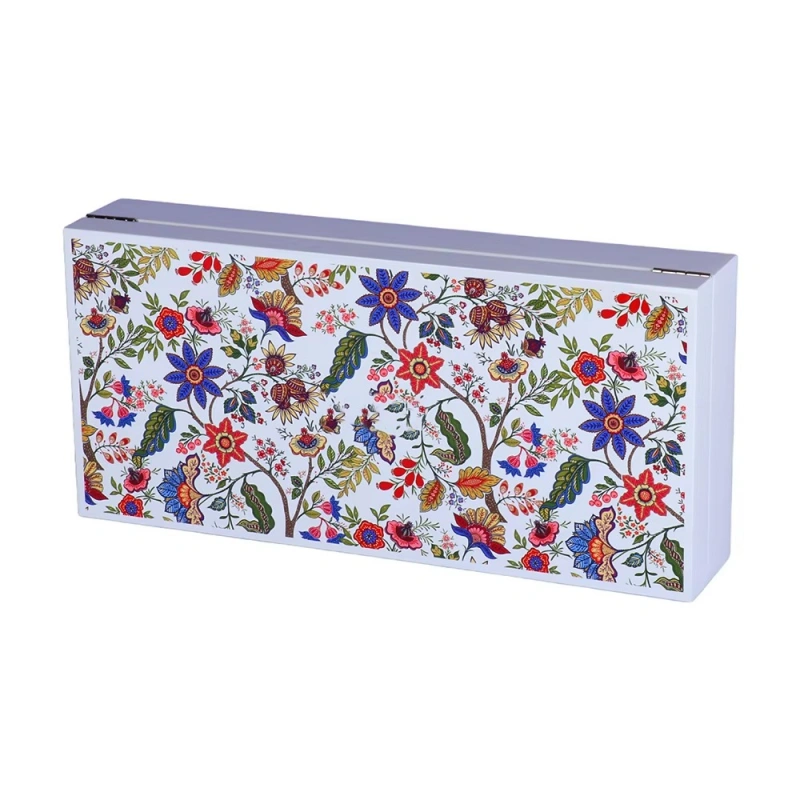
Luxury slows things down
When I visit high-end boutiques, nothing happens fast. Doors are heavy. Drawers glide slowly. Even the lighting feels calm.
Packaging should follow the same rule.
A controlled opening forces the user to slow down. It removes distraction. It makes the moment intentional.
The role of ritual in unboxing
Ritual is repeated behavior with meaning. Opening a premium box should feel like that.
In many wooden perfume boxes I produce, the lid opens in one smooth motion. Not fast. Not slow. Just steady.
That steady movement creates a small ritual:
- Hand touches lid
- Resistance is felt
- Lid rises slowly
- Product is revealed
This sequence matters. If step two is missing, the ritual collapses.
Why instant access feels cheap
Instant access is common in daily life. Phones unlock instantly. Plastic boxes snap open. Cardboard tears.
Luxury should feel different from daily life.
When a box opens instantly, the brain associates it with disposable objects. Even if the materials are expensive, the feeling says otherwise.
Controlled opening and perceived value
I once tested two identical wooden boxes with a client. Same size. Same finish. Same perfume inside.
The only difference was opening resistance.
The client described the controlled version as “worth more.” No price was shown. No explanation was given. The feeling alone changed perception.
How resistance adds perceived weight
Even light boxes can feel heavy if the opening is controlled. The mind associates resistance with mass and density.
This is important for brands that want to communicate seriousness and depth without adding actual weight.
How does resistance help communicate precision and craftsmanship?
Craftsmanship is not only visual. It is mechanical.
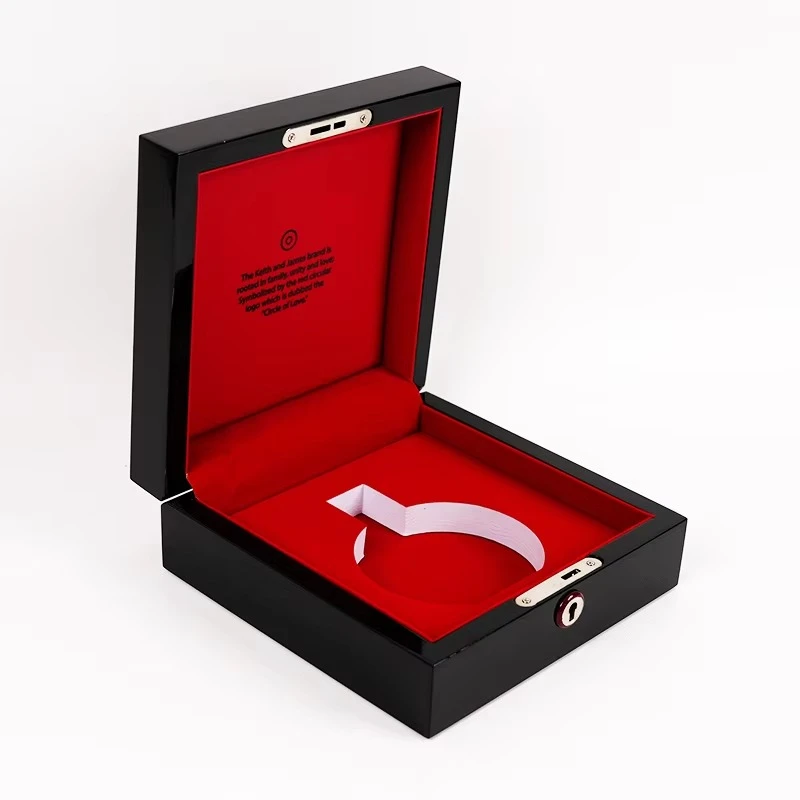
Consistent opening resistance communicates precision, control, and manufacturing discipline.
Precision is felt, not seen
Many clients ask me how to show craftsmanship. They talk about veneers, lacquer, or metal logos.
I always answer the same way. Let the hand feel it.
When a lid moves smoothly with even resistance, the user feels precision. No explanation is needed.
Consistency across units matters
One perfect box means nothing if the next one feels different.
In production, resistance must be repeatable. That is where craftsmanship becomes real.
This depends on:
- Material selection
- Tolerance control
- Assembly accuracy
- Environmental stability
Resistance as proof of quality control
In my factory, we check opening resistance manually. Machines cannot fully judge feel.
If one box opens differently, it signals a problem. Maybe humidity changed. Maybe wood moved. Maybe assembly pressure was wrong.
Resistance becomes a quality indicator.
Factors that affect resistance in wooden boxes
Here are some key variables I manage in production:
| Factor | Impact on Resistance | Control Method |
|---|---|---|
| Wood moisture | Expansion or shrinkage | Climate control |
| Lid tolerance | Tight or loose fit | CNC accuracy |
| Magnet strength | Snap force | Magnet grading |
| Fabric lining | Friction level | Material testing |
Each factor must work together. If one is off, resistance feels wrong.
Craftsmanship beyond decoration
A box can have perfect paint and still feel poorly made if resistance is inconsistent.
True craftsmanship lives in the parts people touch but rarely talk about.
What happens when opening resistance is too weak or too strong?
Balance is everything. Too much or too little both destroy the experience.
Incorrect opening resistance causes emotional break, either through disappointment or frustration.
When resistance is too weak
Weak resistance removes ceremony. The lid pops open. The moment is gone.
Common results include:
- No anticipation
- Reduced perceived value
- Forgettable experience
I see this often in cost-driven projects. Designers focus on look. Factories reduce tolerance to save time. The result feels empty.
When resistance is too strong
Strong resistance creates stress. The user worries about breaking the box.
I have seen customers use both hands. Some even ask for help. That is not luxury.
Frustration replaces curiosity. The emotional flow stops.
Emotional flow matters
Unboxing should feel natural. The user should not think about the box. They should feel guided by it.
Resistance should support movement, not block it.
Common mistakes brands make
From my experience, these mistakes happen often:
- Using magnets without testing force
- Ignoring humidity changes in wood
- Designing tight fits without real-use testing
- Assuming heavier is always better
Finding the balance point
The right resistance feels almost invisible. The user notices it only because it feels right.
That is the hardest level to reach. It requires testing, adjustment, and experience.
How can brands intentionally design resistance to match their positioning?
Resistance is not universal. It must match brand identity.
Brands can design opening resistance by aligning mechanics with emotion, positioning, and usage context.
Start with brand personality
Before choosing materials, brands should ask one question. How should this moment feel?
Here are some examples I often discuss with clients:
| Brand Type | Ideal Resistance Feel |
|---|---|
| Artisanal niche | Slow and ceremonial |
| Modern luxury | Smooth magnetic glide |
| Classic heritage | Firm and stable |
| Minimalist | Clean and effortless |
Resistance becomes part of brand language.
Match resistance to product category
Perfume packaging benefits from anticipation. Watch boxes need stability. Jewelry boxes need softness.
The same resistance does not work for all.
I always adjust resistance based on how the product is emotionally consumed.
Design tools to control resistance
There are many tools available:
- Hidden magnets
- Friction hinges
- Gravity-balanced lids
- Fabric drag
Each tool creates a different feeling.
Testing with real users
I never approve a box without hands-on testing.
We ask simple questions:
- Does it feel natural?
- Does it feel respectful?
- Does it slow you down?
Feedback at this stage saves brands from costly mistakes later.
Resistance as a designed emotion
The most successful brands I work with treat resistance as part of storytelling.
They do not ask, “Will it open?”
They ask, “How should it open?”
That question changes everything.
Conclusion
Opening resistance defines emotion before vision. When designed with care, it turns a box into an experience, not just a container.
WoodoBox
Custom Wooden Boxes, Crafted to Perfection

 English
  Español
  Português
  Deutsch
  Français
  Italiano
  العربية