Artisanal perfume brands often struggle to be understood at first glance. Their stories are rich, but the shelf is crowded, and attention is short.
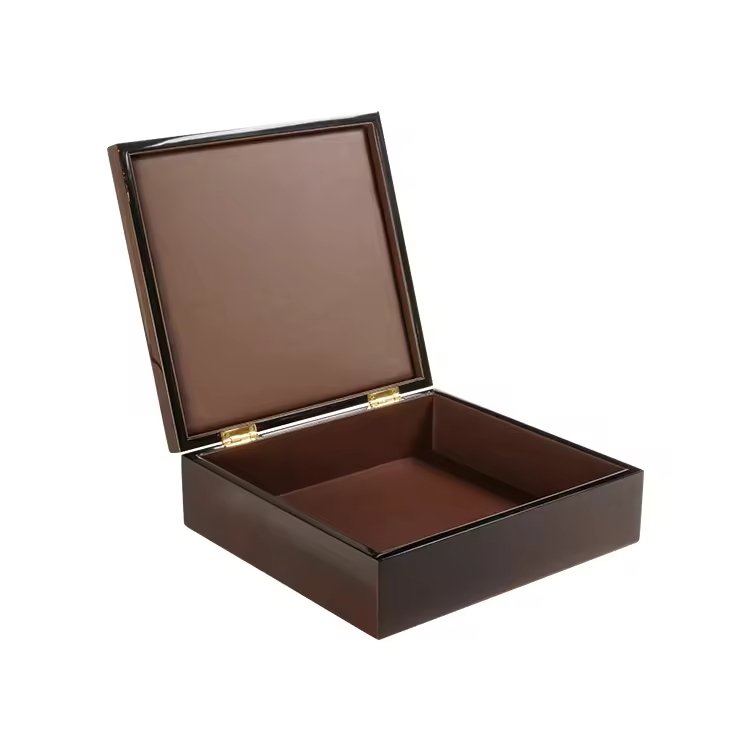
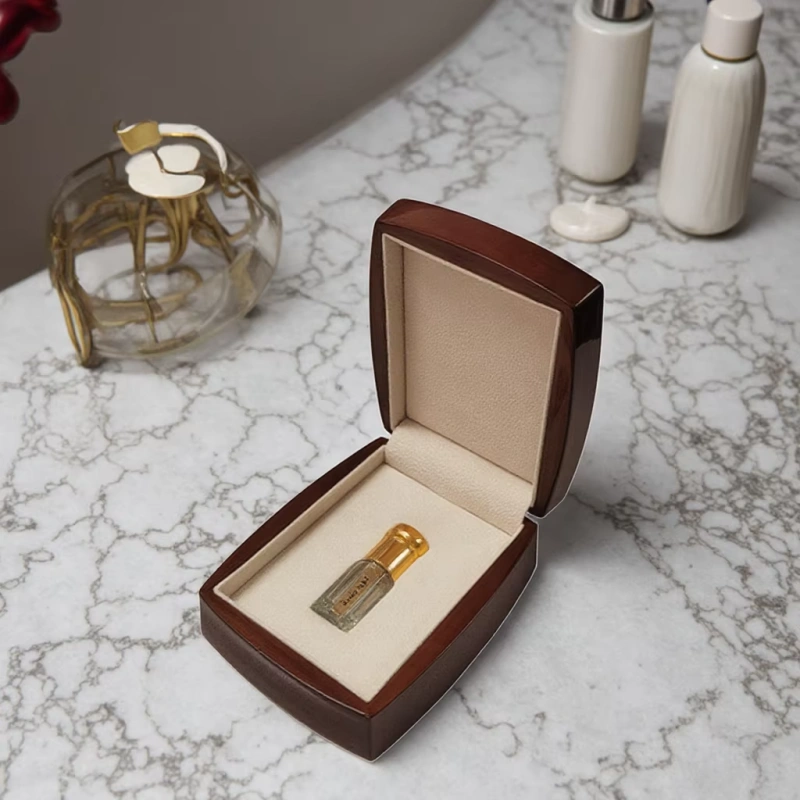
Wooden boxes enhance storytelling by making brand values visible and touchable before the fragrance is even opened.
I have worked with niche and artisanal perfume brands for many years. I have seen that packaging is often the first chapter of the story. When that chapter is made of wood, the story feels real. It feels slow. It feels honest.
In this article, I want to explain how wooden boxes help artisanal perfume brands tell deeper stories, create stronger emotions, and stay in the customer’s life far beyond the first spray.
How do wooden boxes help artisanal perfume brands express origin and authenticity?
Artisanal perfume brands often lose their voice in a market full of polished and repetitive packaging. Their origin matters, but it is not always visible.
Wooden boxes express origin and authenticity by showing natural variation, material honesty, and clear craftsmanship.
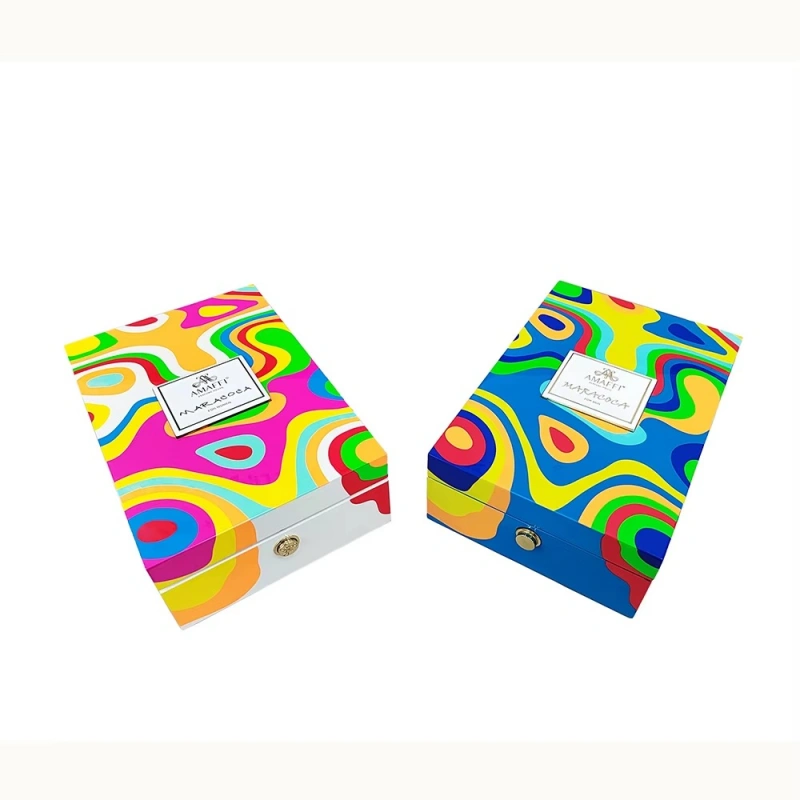
When I talk with perfume founders, origin is always a key theme. They talk about place, culture, memory, and tradition. A wooden box is one of the few packaging forms that can carry those ideas without words.
Wood as a visible proof of origin
Wood never looks exactly the same twice. Grain patterns, small knots, and color shifts are natural. These details act as proof. They show that the box is not mass-printed or digitally perfect.
For artisanal perfume brands, this matters deeply.
I often explain it like this:
If your fragrance comes from a specific place, your packaging should feel like it comes from somewhere too.
Here are common ways wood supports origin storytelling:
| Brand Origin Story | Suitable Wood Direction | Emotional Signal |
|---|---|---|
| Forests, mountains | Oak, walnut, ash | Depth, grounding |
| Mediterranean, coast | Maple, beech | Light, clarity |
| Heritage, tradition | Dark stained woods | History, maturity |
| Minimal modern craft | Natural or matte wood | Honesty, calm |
The customer may not analyze this consciously. But they feel it instantly.
Authenticity through imperfection
In mass packaging, brands often hide imperfections. In artisanal perfumery, small imperfections are part of the value.
Wood supports this idea naturally.
- Slight grain variation shows it is real.
- Hand-finished edges show human involvement.
- Weight shows substance.
I have seen brands move from paper boxes to wooden boxes and receive comments like:
“This feels more true to who we are.”
That reaction is not accidental. It comes from material honesty.
My production insight
From a manufacturing side, wooden boxes demand more control. They require sorting, sanding, finishing, and inspection. This extra effort aligns perfectly with artisanal values.
When a brand chooses wood, it sends a clear message:
“We accept complexity to stay authentic.”
That message becomes part of the brand story without any marketing copy.
Why does natural wood material align so well with handcrafted fragrance narratives?
Many artisanal fragrances are built on slow processes and natural inspiration. Packaging often fails to reflect that rhythm.
Natural wood aligns with handcrafted fragrance narratives because it shares the same pace, origin, and respect for materials.
I always ask perfume clients one question:
“How long did it take to create this scent?”
The answer is usually months or years. Trials. Failures. Adjustments. Wood understands that timeline.
Shared values between perfumery and wood
Handcrafted fragrances and wooden boxes share core values:
- Time over speed
- Process over shortcuts
- Material respect over surface effect
This alignment is why wood feels natural, not forced.
Here is a simple comparison I often show clients:
| Fragrance Creation | Wooden Box Production |
|---|---|
| Raw material sourcing | Wood selection |
| Aging and blending | Drying and conditioning |
| Formula refinement | Surface finishing |
| Final balance | Assembly precision |
Both processes reward patience.
Sensory connection beyond smell
Perfume is not only about scent. It is about anticipation.
Wood adds:
- Touch: warm, textured, grounded
- Sound: soft friction, muted closure
- Weight: a sense of value
These elements prepare the customer emotionally before the first spray.
In my experience, brands that care deeply about raw materials almost always connect emotionally with wood as a packaging choice.
Avoiding conflict between story and packaging
I have seen brands tell stories about nature, soil, forests, and memory, while using high-gloss paper boxes with plastic trays.
The conflict is immediate.
Wood removes that conflict.
It does not shout. It does not distract. It supports the narrative quietly.
This is why natural wood feels like an extension of the fragrance, not a container around it.
How can wooden packaging visually translate an artisan’s philosophy and values?
Many artisanal brands struggle to explain their philosophy clearly. Words can feel abstract. Packaging must do the work.
Wooden packaging translates philosophy into visible choices such as finish, structure, and restraint.
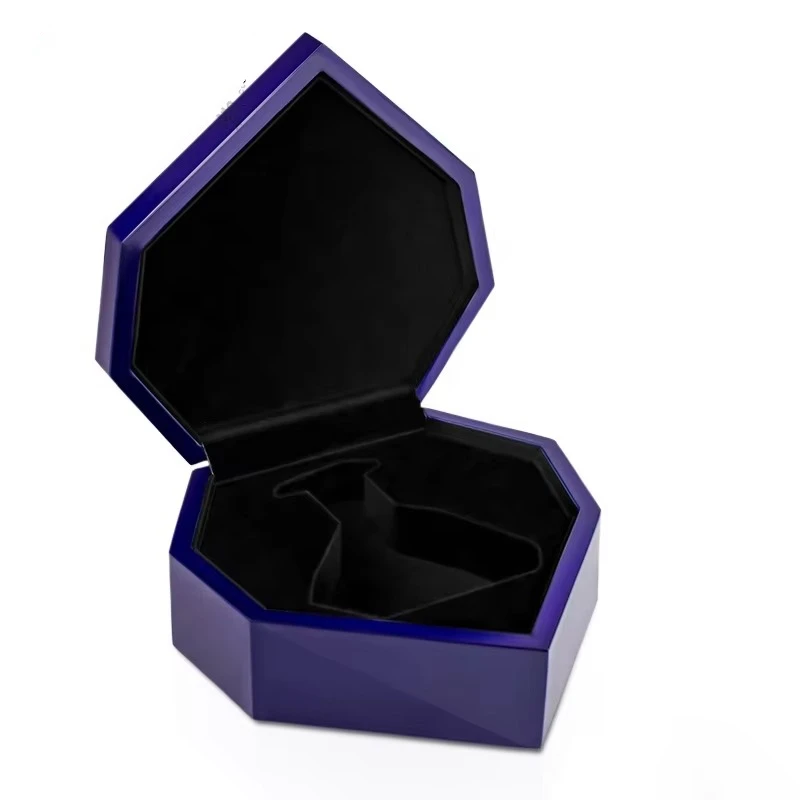
Every design decision communicates values. Wood makes those decisions visible.
Philosophy expressed through finish
Finish is not decoration. It is language.
Common finish choices and what they say:
| Finish Type | Brand Message |
|---|---|
| High-gloss piano lacquer | Precision, luxury, control |
| Matte natural oil | Honesty, calm, restraint |
| Dark stain | Mystery, depth, maturity |
| Light clear coat | Purity, transparency |
I often guide brands to choose the finish that matches how they want to be remembered, not how they want to look on a shelf.
Structure as a belief system
How a box opens matters.
- Lift-off lids suggest ritual.
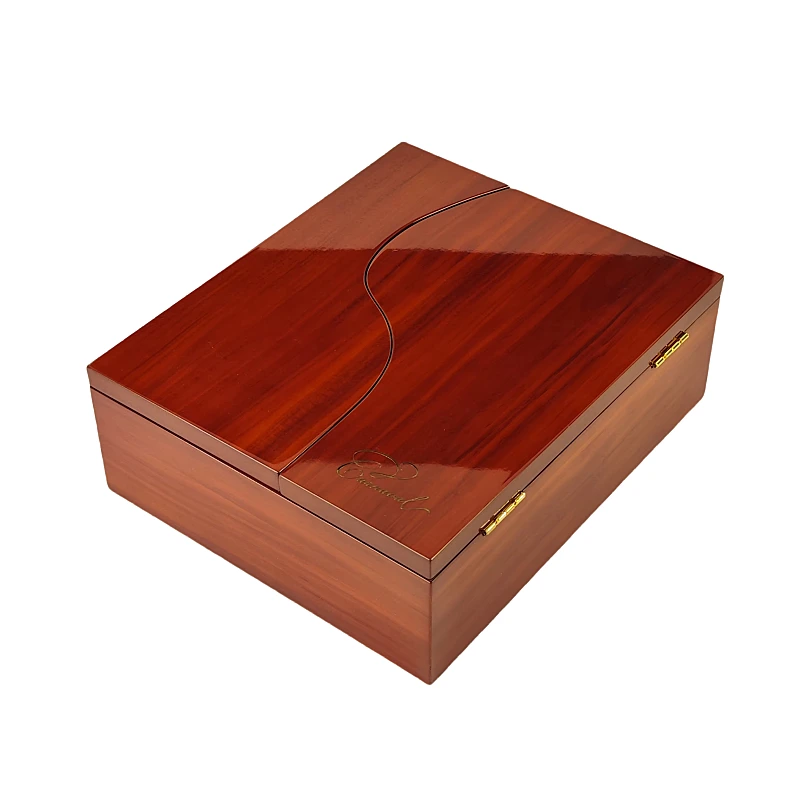
- Hinged lids suggest continuity.
- Magnetic closures suggest modern refinement.
An artisan brand that values slowness may choose a lid that requires two hands. A brand that values clarity may choose a clean, simple opening.
These are not small details. They are visual philosophy.
Minimalism as confidence
Many artisanal brands fear that wooden boxes need decoration. I often advise the opposite.
Confidence shows in restraint.
A simple wooden box with:
- One logo
- Balanced proportions
- Clean interior
often communicates more than complex graphics.
From my experience, brands that trust their story allow the wood to speak first.
In what ways does the unboxing experience deepen emotional storytelling for customers?
Customers remember moments, not specifications. Unboxing is one of those moments.
The unboxing experience deepens emotional storytelling by slowing the customer down and creating a sense of ceremony.
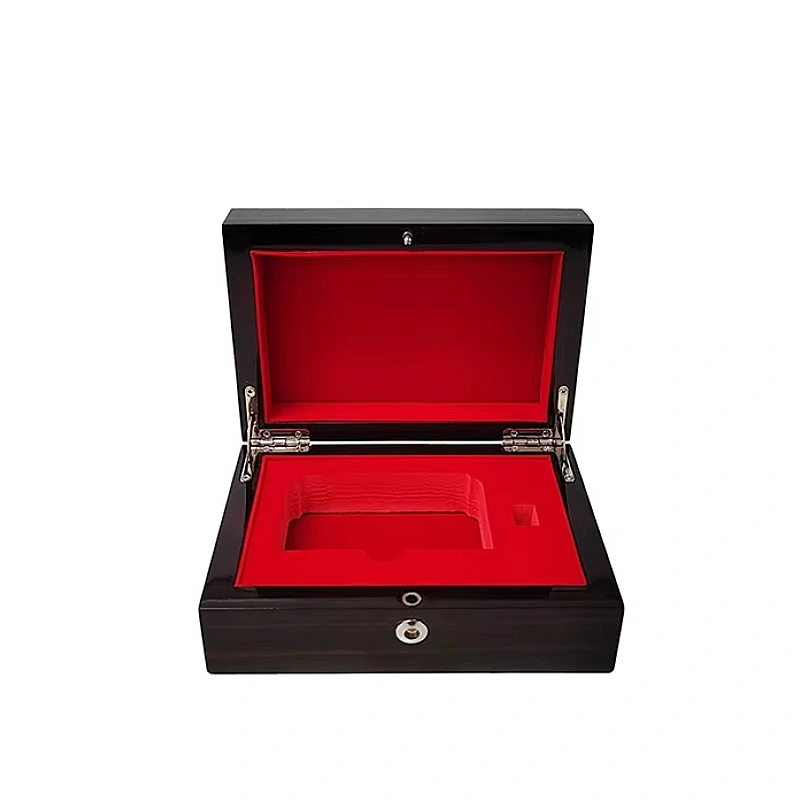
I have tested many packaging styles with brands. Wooden boxes consistently create longer unboxing times. That is not a problem. That is the point.
The pause before the scent
Wooden boxes naturally resist speed.
- The lid feels solid.
- The fit feels intentional.
- The movement feels controlled.
This pause creates anticipation. It mirrors how perfumers talk about top notes, heart notes, and base notes.
The story begins before the bottle is touched.
Emotional memory and physical interaction
Psychologically, heavier and more tactile objects are remembered longer.
Wood helps create:
- Emotional anchors
- Physical memory
- Ritual behavior
I have heard customers say they open the box slowly every time, even after months. That habit is storytelling in action.
Design elements that enhance ritual
From production experience, these elements matter most:
| Element | Emotional Effect |
|---|---|
| Soft-close lid | Calm, care |
| Fabric-lined tray | Protection, respect |
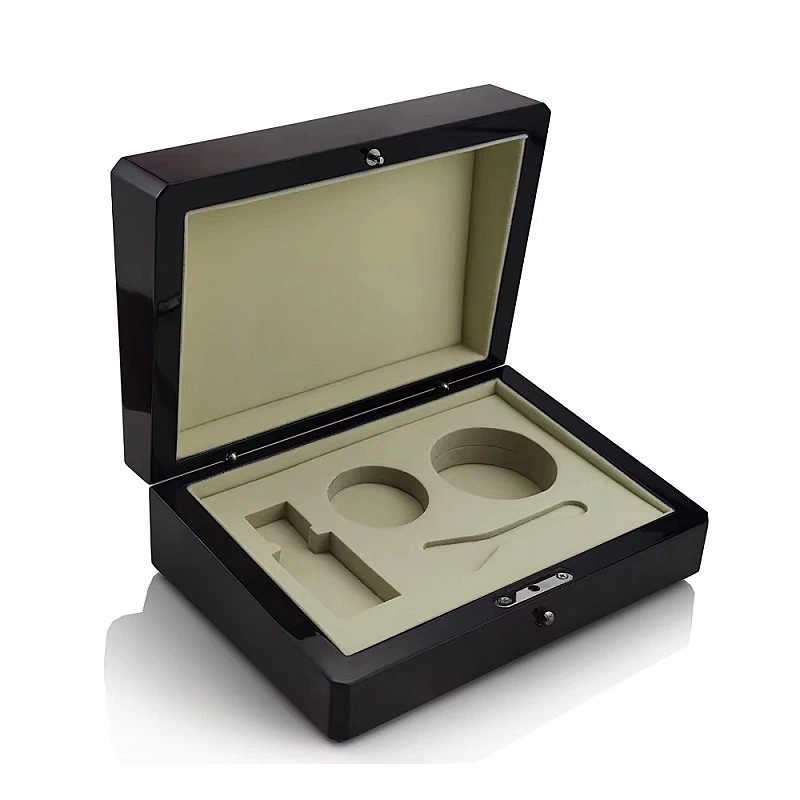
| Precise bottle fit | Craftsmanship |
| Hidden compartment | Discovery |
These details do not increase cost dramatically. But they increase emotional value significantly.
Why this matters for artisanal brands
Artisanal brands do not compete on volume. They compete on meaning.
Unboxing is often shared on social media. A wooden box tells a story without explanation. The viewer understands the brand’s intention immediately.
That silent communication is powerful.
How do long-lasting wooden boxes extend the perfume story beyond first use?
Many perfume boxes are thrown away within minutes. Artisanal stories deserve more time.
Long-lasting wooden boxes extend storytelling by staying in the customer’s life as objects, not waste.
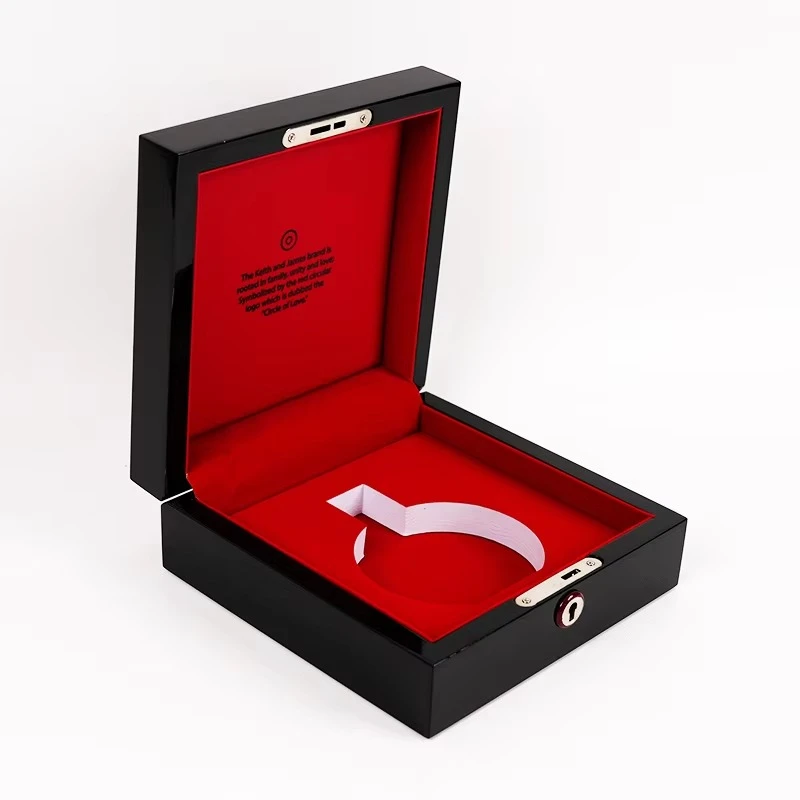
Longevity is one of wood’s strongest advantages.
From packaging to personal object
Customers often reuse wooden perfume boxes as:
- Jewelry storage
- Memory boxes
- Display pieces
- Desk organizers
Each reuse extends brand presence.
The brand does not disappear when the bottle is empty.
Sustainability through durability
Artisanal brands often care about sustainability, but they avoid sounding preachy.
Wood solves this quietly.
A box that stays is more sustainable than one that is recycled once.
Here is how customers perceive it:
| Disposable Box | Wooden Box |
|---|---|
| Temporary | Permanent |
| Replaceable | Meaningful |
| Waste | Object |
This perception supports long-term brand trust.
Brand recall over time
From feedback I have collected, customers remember brands with wooden packaging longer. The box becomes a trigger.
They see it. They remember the scent. They remember the story.
That is storytelling that continues without marketing spend.
My personal observation
Some of the most successful niche perfume brands I have worked with treat the wooden box as a product, not packaging.
They design it with the same care as the bottle.
That decision changes how the brand is remembered.
Conclusion
Wooden boxes turn artisanal perfume stories into lasting, physical experiences that customers can see, touch, and remember.
Brand Name: WoodoBox
Slogan: Custom Wooden Boxes, Crafted to Perfection

 English
  Español
  Português
  Deutsch
  Français
  Italiano
  العربية