Perfume stains seem small, but they can ruin a favorite piece fast, and this worry stops many people from enjoying scent.
Yes, perfume can stain clothes, and the cause is often the mix of fragrance oils, colorants, and alcohol that reacts with different fabrics.
I want to explain this clearly, so you know why stains happen and how you can avoid them in simple steps.
What Ingredients in Perfume Can Potentially Cause Stains on Fabric?
Perfume stains bother many people because the liquid sits on the fabric and leaves a mark when oils or dyes settle.
Perfume stains come from fragrance oils, added colorants, and sometimes alcohol that pulls dirt to the surface of the fabric.
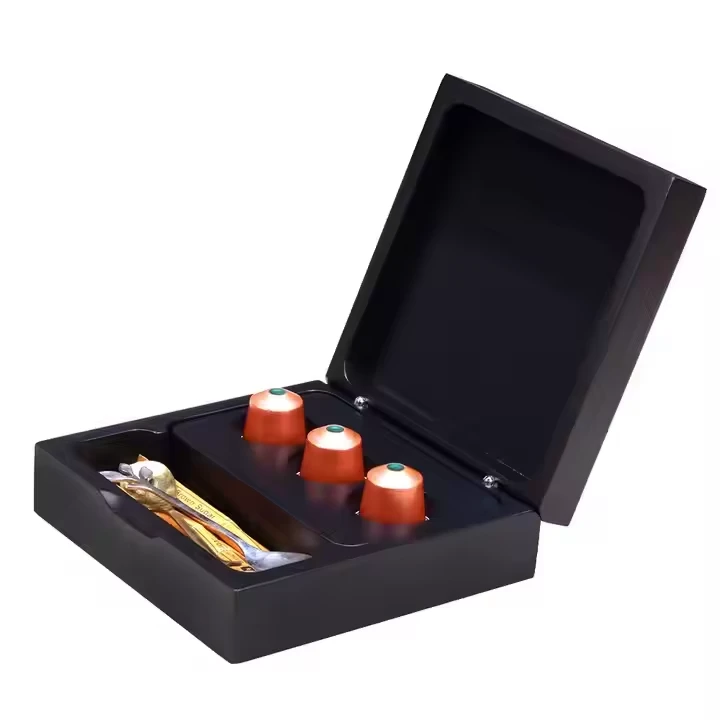
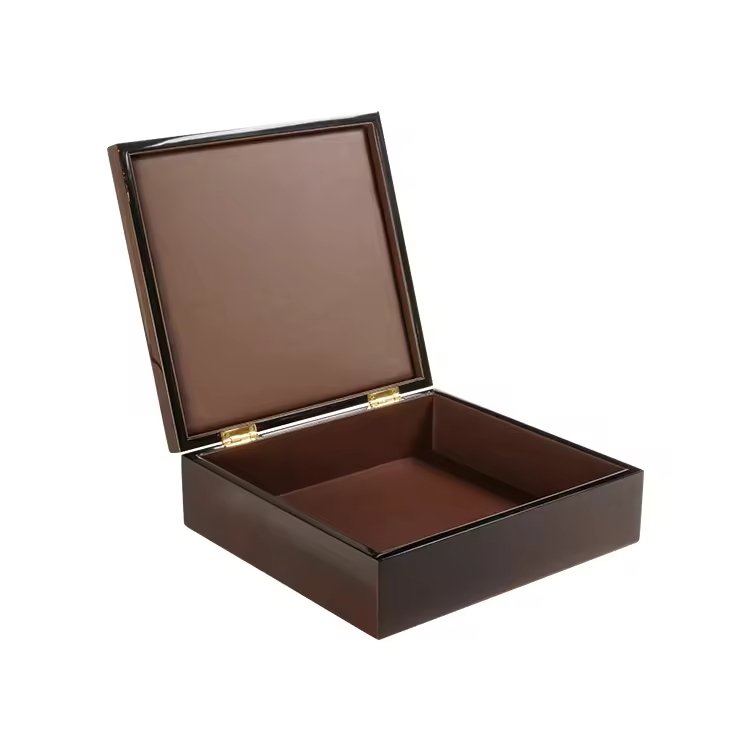
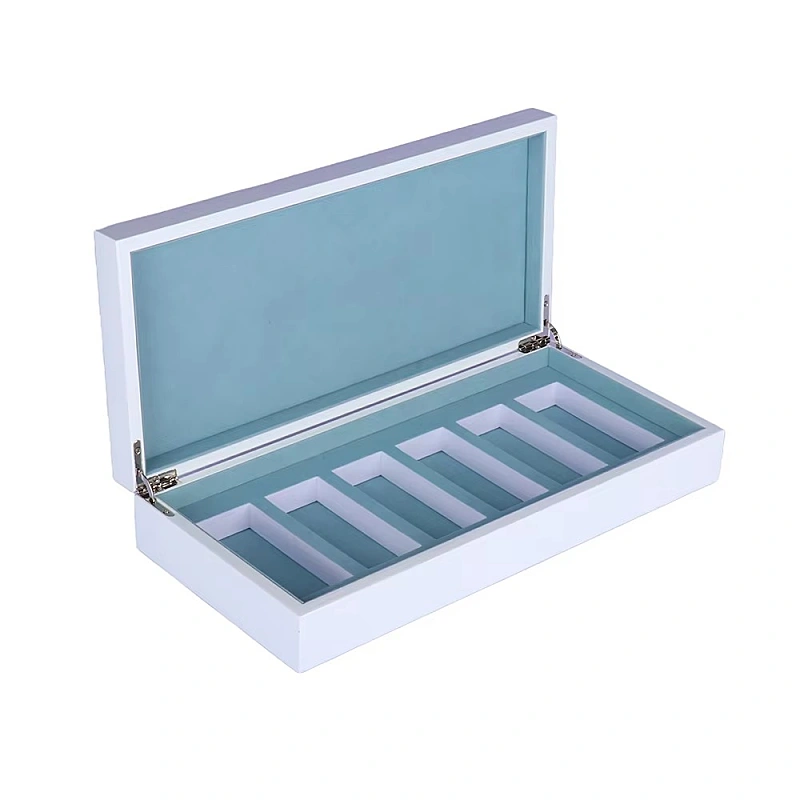
Perfume formulas vary a lot, and I see this often when I design wooden perfume boxes for luxury brands. Many brands use richer oils because they want deeper scents. These oils make a perfume smell strong and last longer. They also increase the chance of stains. I explain this to clients when we discuss packaging because the oil content also affects how the bottle seals and how the inner tray supports the bottle.
Key Ingredients That Cause Stains
| Ingredient Type | Why It Causes Stains | Common in Perfume Types |
|---|---|---|
| Fragrance Oils | They cling to fibers and leave dark spots | Oud, musk, amber perfumes |
| Colorants | Dyes transfer to light fabrics when wet | Niche perfumes with tinted liquids |
| Alcohol | It spreads oils and lifts dirt to the surface | Most EDT and EDP formulas |
| Essential Oils | Natural oils oxidize and darken on fabric | Botanical and artisanal scents |
How These Ingredients Behave on Clothes
Oils do not evaporate fast. They sit on fibers and leave a halo-like ring. Dyes act fast on light materials because they move with moisture. Alcohol dries fast but opens the surface of the fabric, so oils spread more. Essential oils oxidize when they meet air and light, so an old stain can turn yellow over time.
My Experience From the Packaging Side
As a manufacturer, I work with clients who choose perfume bottle colors and finishing styles. When a perfume has darker liquid, I often suggest deeper-colored velvet or PU leather inserts inside the box. I do this because darker perfumes can stain light-colored linings during shipping tests. This same logic applies to clothing. When you understand what is inside the perfume, you understand why certain stains appear.
Why Do Certain Fabrics—Like Silk or Wool—Show Perfume Marks More Easily?
Delicate fabrics trap oils fast, so even a small spray can show a clear mark.
Silk and wool stain easily because their fibers absorb oils and dyes quickly and do not release them well.
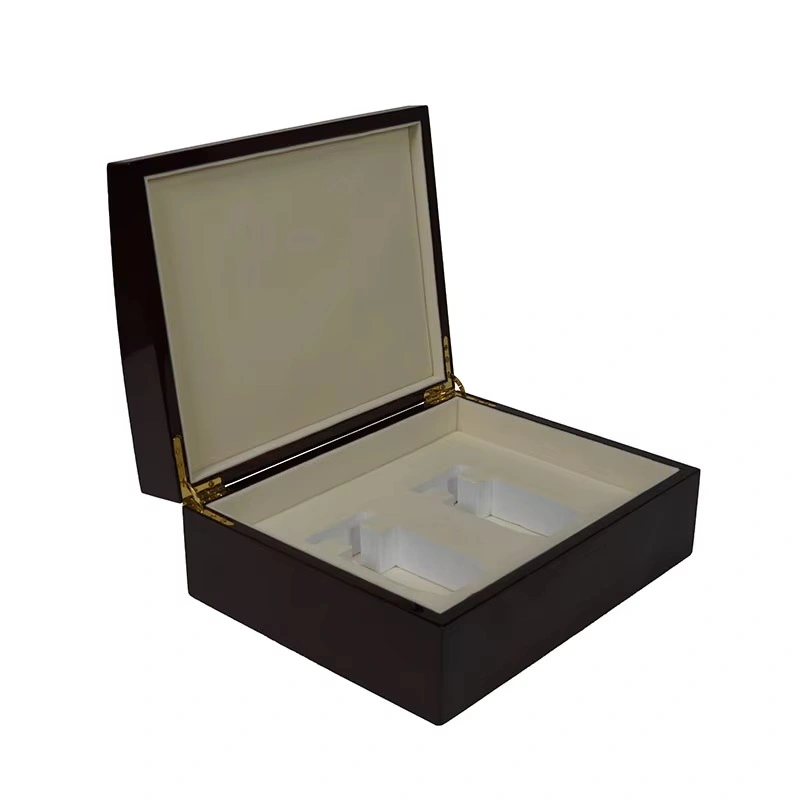
Silk and wool are protein-based fibers. They act like natural sponges. They grab perfume droplets and hold them tight. I see this same issue when brands place silk pouches inside wooden boxes. Any scented item inside the box leaves a mark if the fabric touches the bottle right after spraying. Because of that, I often suggest thicker linings for delicate items.
Why These Fabrics React Strongly
Silk
Silk is very smooth and thin. It shows liquid marks fast because anything wet changes how light reflects off the surface. Even clear perfume can leave a shadow mark.
Silk also absorbs oils deeper than many people think. When the oil settles, it becomes hard to remove without damaging the fibers. The fabric loses its natural sheen in that area.
Wool
Wool fibers have scales and tiny gaps that catch oils. Perfume droplets sit inside these gaps, so even after cleaning, the mark stays darker. Wool also reacts to heat, so many stain removal attempts actually lock the stain in place.
Table: Fabric Sensitivity Comparison
| Fabric | Stain Risk | Why It Happens |
|---|---|---|
| Silk | Very High | Absorbs oils fast, shows marks instantly |
| Wool | High | Holds oils in fiber structure |
| Cotton | Medium | Absorbs slowly; stains removable sometimes |
| Polyester | Low | Repels most oils because it is synthetic |
A Real Example From My Work
I once worked with a jewelry brand that used silk cushions inside their high-gloss wooden boxes. They filled their showroom with scented candles and perfume testers. The silk cushions developed faint round spots because customers handled jewelry right after spraying perfume.
This experience helped me understand that fabrics react to scent in the same way clothes do. If silk inside a box stains fast, silk on your blouse will do the same.
How Does the Distance and Method of Spraying Affect Whether a Stain Appears?
People often spray perfume too close, and this pushes liquid deep into fabric fibers.
Spraying too close creates wet spots that trap oils, but spraying from a distance lets mist settle lightly without staining.
When perfume comes out of the nozzle, it forms either a fine mist or a direct stream. If the stream hits the fabric at close range, the droplets stay concentrated. This increases the risk of a dark circle forming. If you spray from farther away, the mist spreads and dries before it reaches the fabric.
How Distance Changes Everything
Close Range (0–5 cm)
- Heavy droplets
- High oil concentration
- Stays wet longer
- Strong chance of discoloration
Medium Range (10–20 cm)
- Balanced mist
- Less contact with fabric
- Lower chance of stains
Long Range (25 cm or more)
- Very fine diffusion
- Light scent on clothing
- Nearly no staining
How Spraying Style Affects Stains
| Method | Risk Level | Why |
|---|---|---|
| Spraying directly on clothes | High | Oils stick and stay visible |
| Spraying on skin then dressing | Low | Perfume dries before fabric contact |
| Walking into a mist | Very Low | Mist drops evenly with no wet spots |
My Observation From Years of Handling Packaging Testing
During perfume bottle drop tests and atomizer tests, I check how the spray behaves. Some luxury perfumes use pumps that release bigger droplets. These create stains fast when sprayed on fabric. This is why many brands instruct customers to spray on skin, not clothes. I learned that the spray pattern matters as much as the ingredients.
What Should You Do If Perfume Accidentally Stains Your Clothes?
A perfume mark looks scary, but fast action helps a lot.
Blot the stain gently, rinse with cool water, and use mild soap or stain remover without heat to lift oils off the fabric.
Perfume stains vary by ingredient, so no single method works for all fabrics. The goal is to remove oils without pushing them deeper.
Steps That Work for Most Fabrics
1. Blot, Do Not Rub
Rubbing spreads the stain. Blotting lifts the liquid up.
I often remind clients of this when they clean velvet displays in wooden boxes, because velvet reacts the same way.
2. Use Cool Water
Warm water opens fibers and traps stains deeper. Cool water keeps the mark on the surface.
3. Mild Soap or Dish Liquid
A small drop breaks the oils. Massage gently with fingers.
4. Air-Dry Only
Heat sets stains. No dryer, no hair dryer, no ironing.
Table: Fabric-Safe Cleaning Methods
| Fabric | Safe Method | Avoid |
|---|---|---|
| Silk | Professional cleaning | Water soaking, heat |
| Wool | Damp cloth + mild soap | Hot water, rubbing |
| Cotton | Cool water + dish soap | Bleach on colored fabric |
| Polyester | Mild detergent | Strong solvents |
When Professional Cleaning Is Necessary
If the stain turns yellow or brown, oxidation has already started. This often happens with essential oil perfumes. At this stage, professional cleaning is the safest choice.
What I Learned From Working With Luxury Brands
High-end brands often send silk and wool samples for packaging. When stains appear during testing, they use very gentle cleaners. They avoid anything strong because even if the stain goes away, the fabric texture changes. This same logic applies to your clothes.
How Can You Apply Perfume in a Way That Reduces the Risk of Fabric Discoloration?
Small changes in habit help you enjoy scent without damage.
Apply perfume on skin, spray from a distance, and avoid spraying directly onto delicate fabrics to prevent stains.
Simple Methods That Work
Spray on Pulse Points
Wrist, neck, behind the ears. These areas warm the fragrance and keep it off clothing.
Let It Dry Before Dressing
Give the perfume a few seconds to sit on your skin. Dry perfume will not mark fabric.
Avoid Spraying on Silk, Wool, or Satin
These fabrics show every drop.
Table: Best Practices for Safe Use
| Action | Why It Helps |
|---|---|
| Spray from 15–20 cm | Reduces heavy droplets |
| Spray on skin | Keeps oil away from fabric |
| Use unscented lotion first | Helps perfume bond to skin |
| Wear darker clothes with dark perfumes | Less visible stains |
My Personal Note From Years in the Packaging Field
When I design perfume boxes, I always test the atomizer strength. A strong spray brings risk, so many luxury clients ask for soft mist pumps. These reduce staining because the droplets are so fine. When you understand how spray quality affects fabric, you make better choices with your perfume.
Conclusion
Perfume can stain clothes, but simple habits and quick care reduce most risks.
Brand Name: WoodoBox
Slogan: Custom Wooden Boxes, Crafted to Perfection

 English
  Español
  Português
  Deutsch
  Français
  Italiano
  العربية