I know many beginners feel confused when they start blending oil perfumes, because the scent often smells harsh or unbalanced.
You can make a clean, balanced, and long-lasting oil perfume by choosing the right carrier oil, selecting compatible fragrance notes, and blending them in simple beginner-friendly ratios.
I will walk you through each step so you avoid common mistakes and create a formula that matures into a smooth and elegant scent.
What Basic Ingredients Do You Need to Create a Simple and Skin-Friendly Oil Perfume?
I know many people feel lost when they see long ingredient lists in perfume tutorials, and this makes them afraid to start.
You only need a mild carrier oil, a few essential or fragrance oils, and a small bottle to create a safe and simple oil perfume.
The Foundation of Every Oil Perfume
Every oil perfume starts with a base that carries the scent and sits comfortably on the skin. When I work on packaging projects for fragrance brands, I see that the choice of carrier oil often decides the entire feel of the perfume. Some oils feel thick. Some feel light. Some have a natural smell that pushes the scent in a new direction.
Here are common options:
| Carrier Oil | Texture | Scent | Why It Works |
|---|---|---|---|
| Jojoba Oil | Light | Very mild | Mimics natural skin oils and holds scent well |
| Fractionated Coconut Oil | Very light | Neutral | Great for roll-on bottles and daily wear |
| Sweet Almond Oil | Medium | Slightly nutty | Smooth texture and easy to blend |
| Grapeseed Oil | Thin | Mild | Good for fast-absorbing formulas |
I choose jojoba oil for most luxury perfume projects because it stays stable for a long time. Stability matters because brands want the scent to stay true during shipping and after customers open the package.
Choosing Skin-Friendly Fragrance Components
You can use essential oils or cosmetic-grade fragrance oils. Essential oils give natural character, and fragrance oils give consistency. Many high-end brands mix both because this gives them more control.
Popular beginner-friendly options:
- Top notes: bergamot, lemon, grapefruit, peppermint
- Middle notes: lavender, rose, jasmine, geranium
- Base notes: sandalwood, patchouli, vanilla, cedarwood
Small Tools You Need
- A 10 ml or 30 ml glass bottle
- A small funnel or pipette
- Blotter strips or cotton pads
- Gloves if your skin is sensitive
These simple items help you mix cleanly and make adjustments as you test the blend.
Why Ingredients Matter in Real Production
When I support brands that prepare luxury wooden packaging for fragrance gift sets, I notice that the perfume always feels better when the formula is clean and simple. Thick or unstable carrier oils can stain fabric liners like velvet or PU leather. So I guide clients to choose stable oils. A good formula protects both the scent and the packaging.
How Do Top, Middle, and Base Notes Work Together to Shape a Harmonious Oil-Based Fragrance?
Many beginners feel confused when they hear “top, middle, and base notes,” because the idea sounds abstract.
Top notes open the scent, middle notes give structure, and base notes add depth, and all three layers blend slowly in oil to form a smooth fragrance.
Understanding the Three Layers
Oil perfumes develop quietly. They do not burst like alcohol perfumes. They stay close to the skin and reveal layers slowly.
Top Notes
Top notes are the first impression. They evaporate fast, and they give brightness.
Examples: lemon, bergamot, mint.
Middle Notes
Middle notes bring harmony. They connect the bright and the deep parts.
Examples: rose, lavender, jasmine.
Base Notes
Base notes stay on the skin for hours. They add warmth and weight.
Examples: sandalwood, vanilla, patchouli.
How These Layers Work Together
Here is a simple breakdown:
| Note Type | Role | Duration on Skin |
|---|---|---|
| Top | First scent | 10–30 minutes |
| Middle | Main body | 1–3 hours |
| Base | Final lasting scent | 4–8 hours or more |
In my work with perfume brands, I often test how these layers feel when customers open a luxury wooden box. The scent that escapes first is almost always the top note. But what stays inside the box, especially if lined with velvet or microfiber, is the base note. This is why the base note must be stable and pleasant.
How Oil Changes the Interaction
Oil slows everything. It makes the transition smoother. This slow blending is why oil perfumes feel warm and intimate. When the scent has time to settle, the layers no longer feel separate. They turn into a single tone that carries all three notes without one overpowering the others.
What Mixing Ratios Help Beginners Build a Long-Lasting and Well-Balanced Scent?
Many beginners add too much essential oil and end up with a harsh or overwhelming blend.
A simple beginner ratio is 20% essential oils (divided among top, middle, and base notes) and 80% carrier oil for a smooth and balanced perfume.

Easy Ratios for Beginners
I often help clients create sample formulas when they plan packaging for perfume sets. The goal is always the same: simple, balanced, repeatable.
Here is a basic guide for a 10 ml bottle:
| Note Type | Percentage of the 20% Scent Blend | Example Drops (approx.) |
|---|---|---|
| Top | 30% | 6 drops |
| Middle | 50% | 10 drops |
| Base | 20% | 4 drops |
Then fill the rest of the bottle with carrier oil.
Why This Ratio Works
This ratio is gentle. It gives enough strength without overwhelming the skin. It also helps the scent last longer. When you use too much top note, the perfume smells fresh at first but disappears fast. When you use too much base note, it becomes heavy.
How Wooden Packaging Reflects Formula Choices
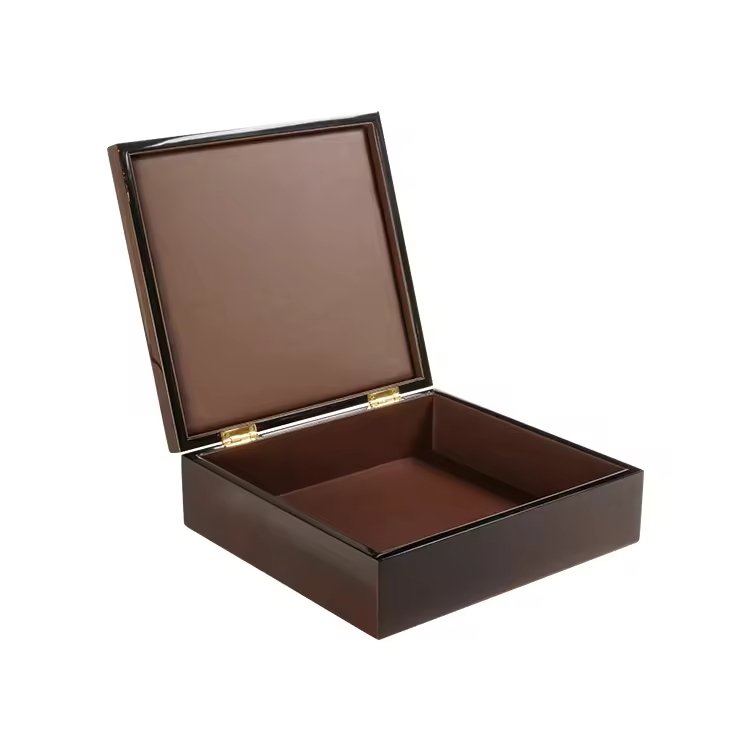
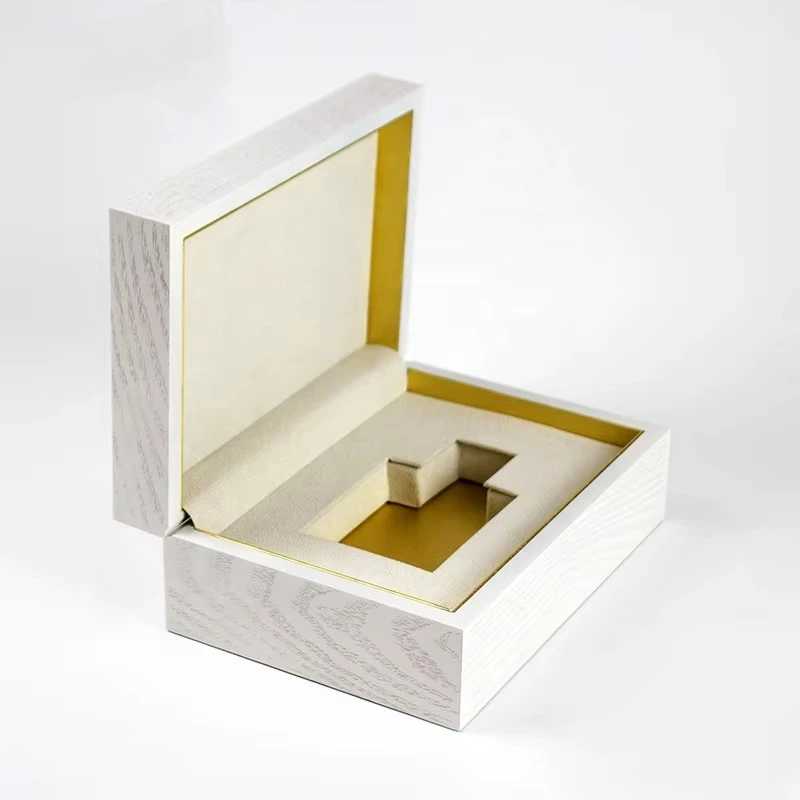
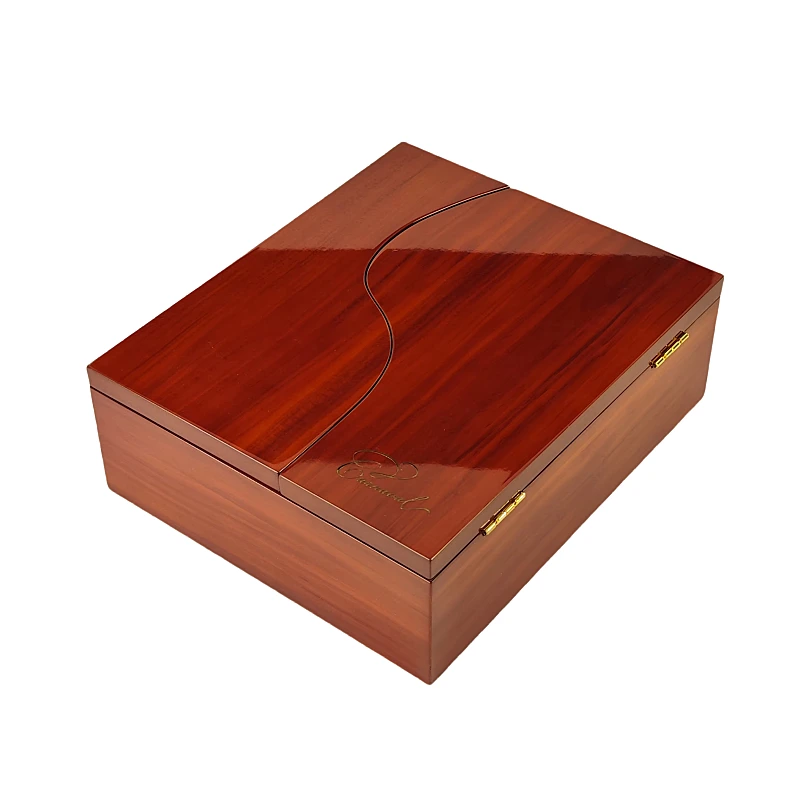
Many luxury brands present oil perfumes in high-gloss wooden boxes. The inside often uses velvet or PU leather. A balanced perfume helps keep the interior clean because overwhelming blends may seep into fabric pores. A clear formula also pairs better with custom inserts that hold roll-on bottles in place.
How to Adjust the Scent
If the blend smells too sharp:
Add more middle notes.
If the blend feels too sweet:
Add a light citrus top note.
If the blend fades too fast:
Increase the base notes slightly.
Testing small batches is always better than adjusting a large one.
Why Is the Resting Period Essential, and How Does an Oil Perfume Mature Over Time?
Many people feel disappointed when their fresh blend smells unbalanced, and they think they made a mistake.
Oil perfumes need 2–7 days to rest so the ingredients bond and create a smooth, mature scent.
What Happens During Resting
Resting allows the molecules from different oils to merge. When I develop packaging for perfume brands, I always do scent tests on day one and day seven. The difference is clear. The scent becomes rounder. The harsh edges disappear.
Key changes during resting:
- Top notes soften
- Middle notes become clearer
- Base notes rise gently
- The whole perfume smells unified
Why Oil Perfumes Need More Time
Oil does not evaporate fast. It slows the movement of the scent molecules. This is why oil perfumes smell intimate. It also means they need more time to settle.
How Resting Influences Packaging Decisions
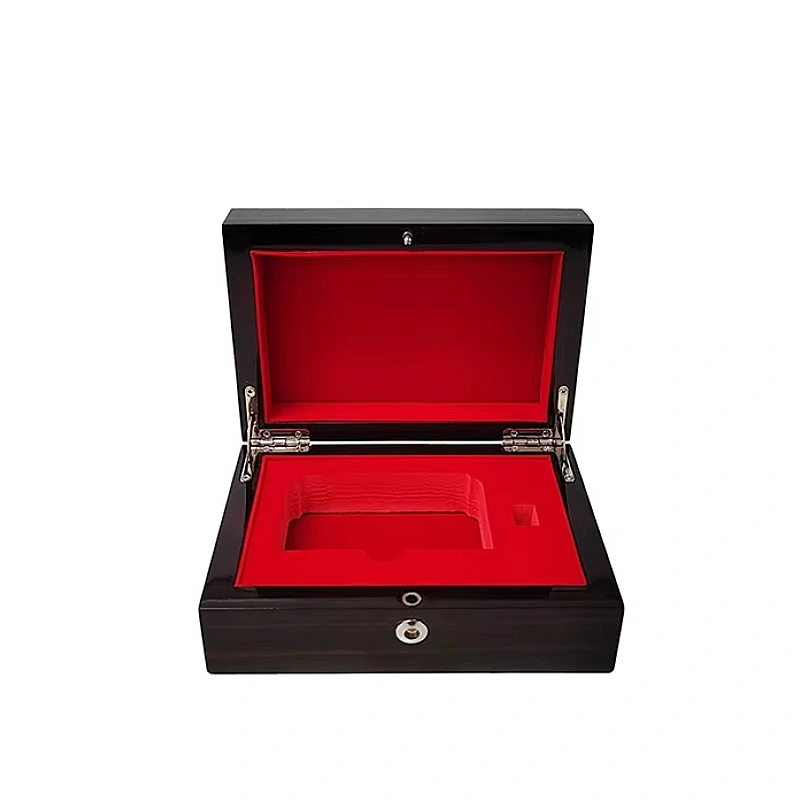
Luxury brands often fill their bottles first and then place them into wooden boxes after the resting stage. This prevents the fresh strong scent from absorbing into fabric linings inside the box. High-gloss piano paint boxes, which we produce often, hold scent very well and can trap strong notes if the perfume is too fresh.
How to Rest the Perfume
- Keep the bottle closed
- Store it in a cool, dark space
- Do not shake it too often
- Test it again after a few days
A rested perfume always smells more professional.
How Can Proper Storage and Protective Packaging Keep an Oil Perfume Stable and True to Its Original Scent?
Many good oil perfumes lose quality because they sit in the wrong environment.
Proper storage and protective packaging keep oil perfumes stable by blocking heat, light, and air exposure.
What Affects Stability
Oil perfumes degrade when exposed to:
- Sunlight
- High temperature
- Humidity
- Too much air inside the bottle
These factors change the scent and shorten the shelf life.
Simple Storage Rules
- Keep perfume bottles away from windows
- Use amber or opaque glass
- Store at a steady room temperature
- Keep lids closed tightly
Why Packaging Matters for Long-Term Quality
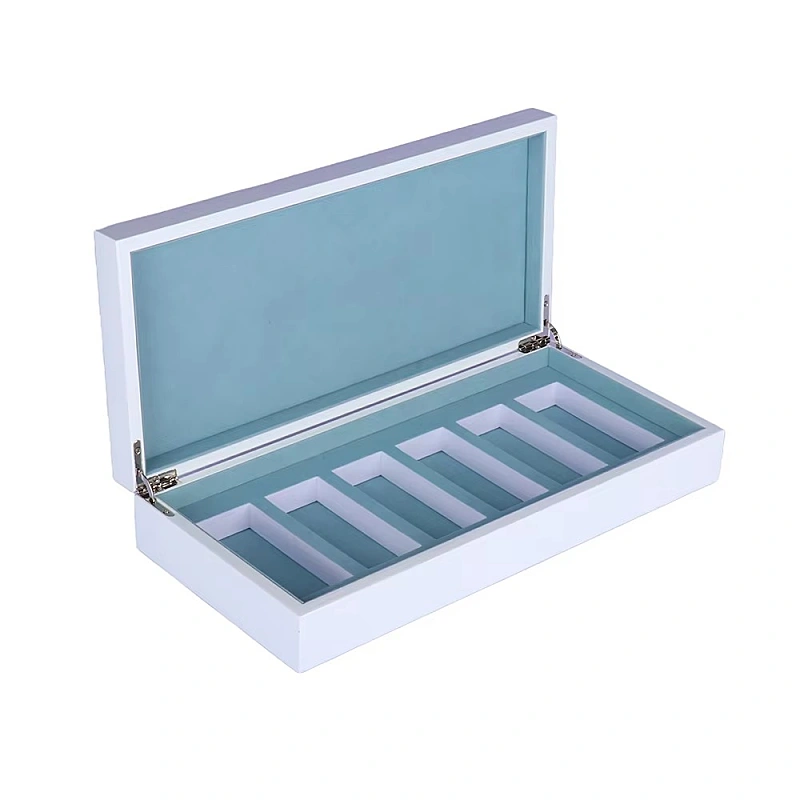
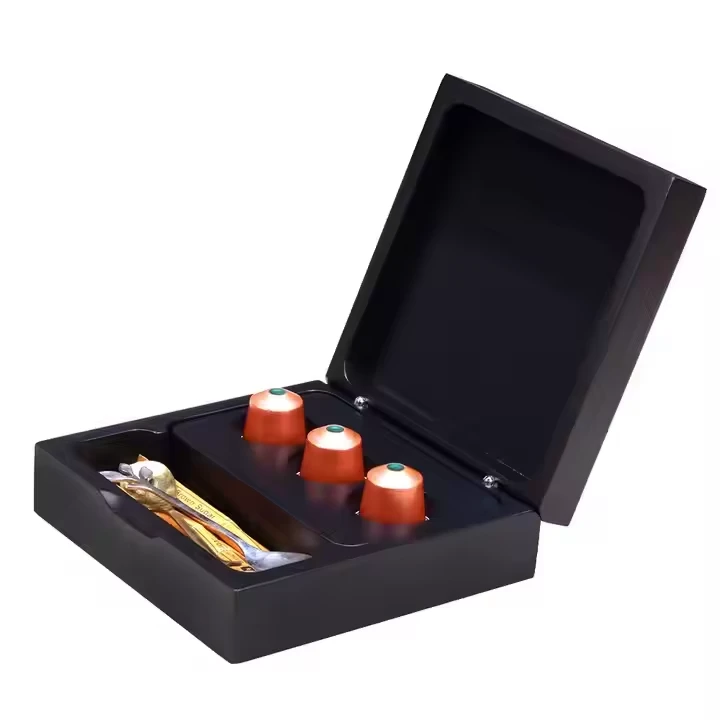
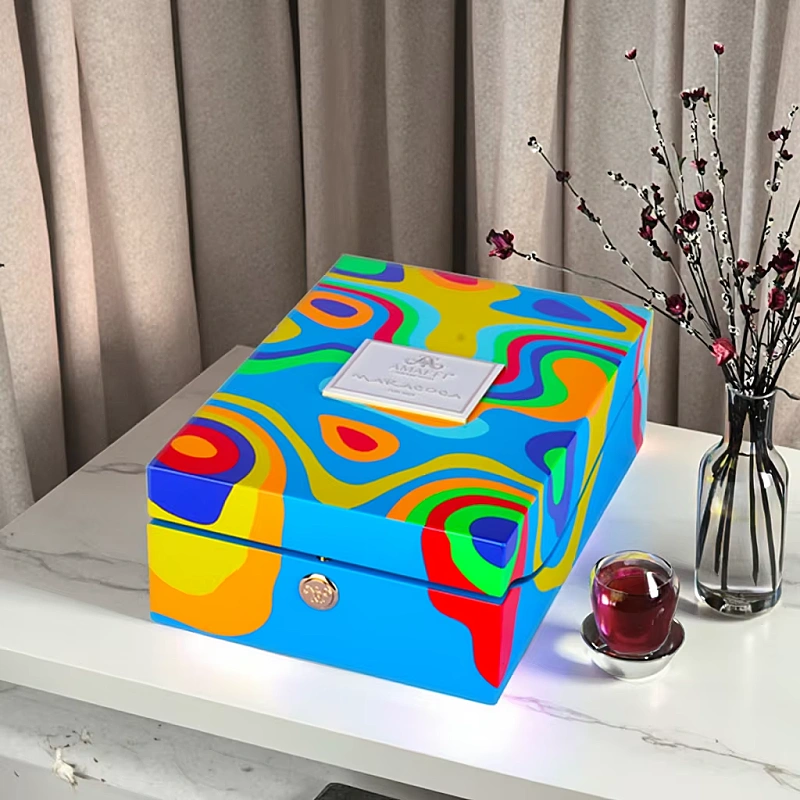
This is where my industry experience becomes important. Many fragrance brands choose custom wooden boxes because wood adds physical protection and reduces light exposure. When we produce high-end wooden boxes with piano-gloss finishes, the structure helps keep temperature stable. The interior foam, velvet, or PU leather adds shock protection.
Here is how packaging protects the perfume:
| Packaging Feature | Benefit |
|---|---|
| Thick wooden walls | Natural insulation from heat |
| High-gloss lacquer | Durable and resistant to moisture |
| Velvet or PU lining | Prevents bottle scratches |
| Custom inserts | Keeps bottle upright and secure |
Good packaging protects the formula and enhances brand value. Many buyers judge the perfume not only by scent but also by how the brand presents and protects it.
How to Use Packaging for Branding
A custom wooden box becomes part of the story. When a customer opens a smooth piano-lacquer box and finds a hand-blended oil perfume inside, the whole experience feels premium. This feeling builds trust. It also keeps the perfume stable during shipping.
Conclusion
A simple formula, slow blending, and proper packaging help an oil perfume mature into a smooth and long-lasting scent.
WoodoBox — Custom Wooden Boxes, Crafted to Perfection

 English
  Español
  Português
  Deutsch
  Français
  Italiano
  العربية