I know many people want to make perfume from real flowers, but the scent often fades fast. This can be frustrating when you want a pure and natural aroma.
You can make perfume from flowers by choosing the right blooms, using gentle extraction methods, and protecting the scent from heat and light. These steps help keep the natural aroma fresh and soft.
I will show you how each part of the process works, and I will share what I learned from years of working with high-end fragrance packaging and natural materials.
What Types of Flowers Are Best for Extracting Natural Fragrance at Home?
Many people start with flowers that smell strong, but their scent disappears during extraction. This makes the whole process confusing.
The best flowers for home perfume making are roses, jasmine, lavender, tuberose, gardenia, and orange blossom because they release oil easily and hold their aroma well.
Understanding Why Some Flowers Work Better
When I work with perfume brands, I see the same issue often. Some flowers have a deep scent, but they do not give enough oil. Some look beautiful, but the petals turn flat after extraction.
At home, you want flowers with high oil content, stable aroma molecules, and fresh petals. The table below shows common choices and why they work.
| Flower | Why It Works Well | Aroma Profile |
|---|---|---|
| Rose | High oil content, stable scent | Sweet, warm, classic |
| Jasmine | Strong natural indole compounds | Deep, sensual, exotic |
| Lavender | Easy to extract, steady aroma | Fresh, herbal, calm |
| Tuberose | Releases oil slowly but strongly | Rich, creamy, floral |
| Orange Blossom | Bright aroma with stable notes | Fresh, citrus-floral |
| Gardenia | Works well in enfleurage | Soft, creamy, delicate |
Freshness is everything. I always tell clients that petals begin to lose aroma within hours after picking. If you grow your own flowers, extract them the same day. If you buy them, choose blooms that look full and firm.
Other Notes to Consider
- Avoid flowers sprayed with chemicals.
- Pick in the early morning when oil concentration is highest.
- Dark, highly pigmented petals often give stronger fragrance.
When you begin with the right flowers, the rest of the perfume-making process becomes easier and more satisfying.
How Does the Enfleurage or Oil-Infusion Method Capture the True Scent of Fresh Blossoms?
I know many beginners worry that heating will kill the natural scent. They fear losing the softness that makes flowers special.
Enfleurage and oil infusion capture fragrance slowly, without heat, so the petals release their full aroma into the fat or oil in a natural way.
Why These Methods Work So Well
When I learned traditional perfume extraction methods, enfleurage surprised me the most. It is simple, slow, and very gentle. You spread a neutral fat on a tray, press petals into the surface, and let the scent move into the fat. There is no boiling, steaming, or pressure. This keeps the aroma pure.
Oil infusion works in a similar way. You place petals into a mild oil like jojoba or sweet almond. You let them sit for days, sometimes weeks. The natural oils inside the petals move into the base oil.
These methods work because:
| Reason | Explanation |
|---|---|
| No heat | Heat destroys delicate molecules in flowers like jasmine and gardenia. |
| Slow absorption | Aroma travels naturally from petals into oil or fat. |
| Easy to repeat | You can replace old petals with fresh ones to build a stronger scent. |
| Stable result | The oil protects the fragrance from air and light. |
When to Use Each Method
- Use enfleurage when working with soft, fragile flowers like gardenia, jasmine, or tuberose.
- Use oil infusion for sturdier flowers like rose, lavender, or calendula.
I often connect this to packaging work. When you handle high-end perfume boxes, you learn how fragile aroma oils are. They need gentle treatment from the moment they leave the flower to the moment they rest inside the bottle. Enfleurage respects that fragility.
What Steps Should You Follow to Extract Floral Essence Without Losing Its Natural Aroma?
Many people rush this part. They wash petals, heat oil, leave jars under the sun, or shake everything too much. This breaks the aroma before it even forms.
The best way to extract floral essence is to keep everything cool, clean, gentle, and slow so the petals release fragrance without breaking down.
The Full Extraction Process in Detail
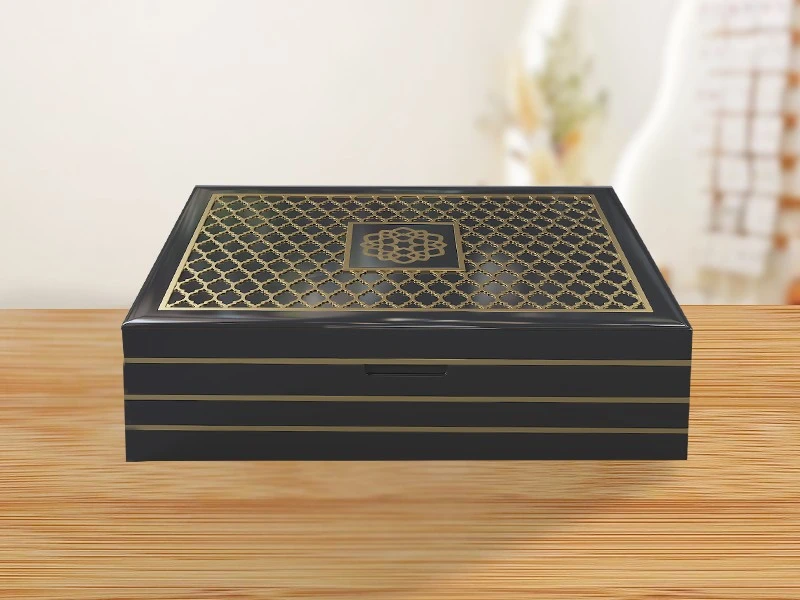
I will share the steps I use when I want to understand how a floral scent behaves before I design packaging for it. It helps me predict how the perfume will age inside a wooden box or lacquered container.
Step 1: Prepare the petals
Pick fresh flowers. Remove brown spots. Do not wash them because water can weaken the scent. Shake petals lightly to remove dust.
Step 2: Choose the extraction base
Use one of these:
- Odorless fat (for enfleurage)
- Jojoba oil
- Sweet almond oil
- Fractionated coconut oil
These bases are stable and do not compete with the flower aroma.
Step 3: Start the extraction
Spread fat or pour oil into a clean glass container. Add petals in a single layer. Seal the jar or cover the tray.
Step 4: Replace the petals
After 24–48 hours, petals lose color. Remove them and add fresh ones. Repeat 3–10 times depending on strength.
Step 5: Filter the essence
Use a fine cloth or filter paper. Keep the container away from heat and strong light.
Why These Steps Matter
I learned through experience that the smallest mistake can change the entire fragrance. A client once sent me rose oil that smelled dull because they heated it too fast. I redesigned their packaging, but the scent inside still felt empty. That showed me how careful extraction must be.
This slow method keeps the fragrance alive and true.
How Can You Blend the Extracted Floral Oils Into a Balanced, Long-Lasting Perfume?
Many homemade perfumes smell good at first but fade in minutes. This happens when the blend lacks balance between top, middle, and base notes.
To make a long-lasting perfume, blend the floral extract with base oils and fixatives that support the top notes and help the scent stay longer on the skin.
How to Build a Balanced Blend
In my work with perfume brands, I see many formulas. The successful ones always follow a simple structure. Here is the basic ratio:
| Layer | Percentage | Role |
|---|---|---|
| Top notes | 15–25% | First impression, fades fast |
| Middle notes | 40–60% | Main floral body |
| Base notes | 20–30% | Long-lasting support |
Your floral extract usually becomes the middle note, unless it is very light, like some rose varieties.
Suggested Base Notes for Long Wear
- Vanilla
- Sandalwood
- Benzoin
- Labdanum
- Cedarwood
Base notes act like anchors. They hold the floral scent and stop it from disappearing quickly.
Adding Alcohol or Keeping It Oil-Based
You can create two types of perfume:
Alcohol-based perfume
- Mix floral extract with 70–95% perfume alcohol.
- Let it rest for 2–4 weeks.
Oil-based perfume
- Blend floral extract with jojoba or other neutral oils.
- Oil perfumes feel soft and stay close to the skin.
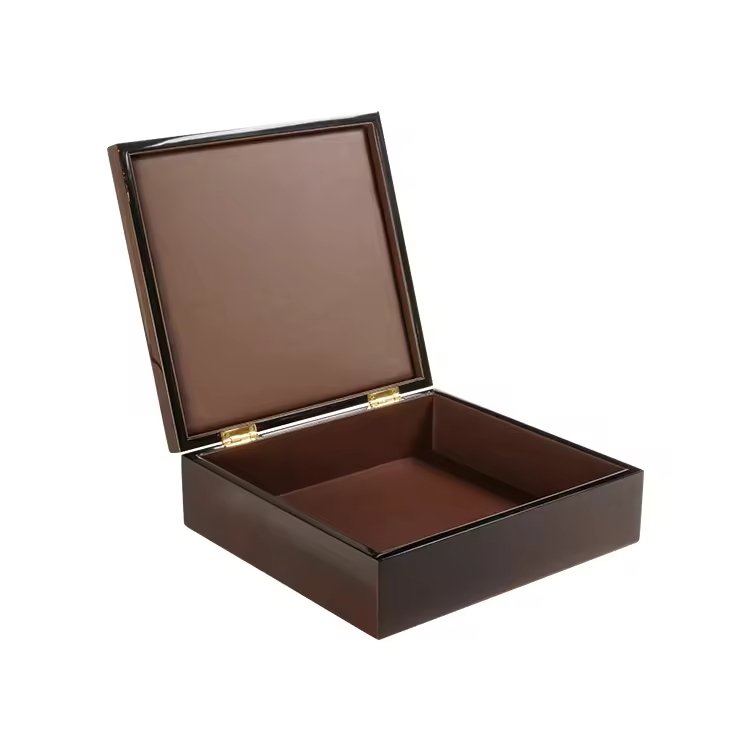
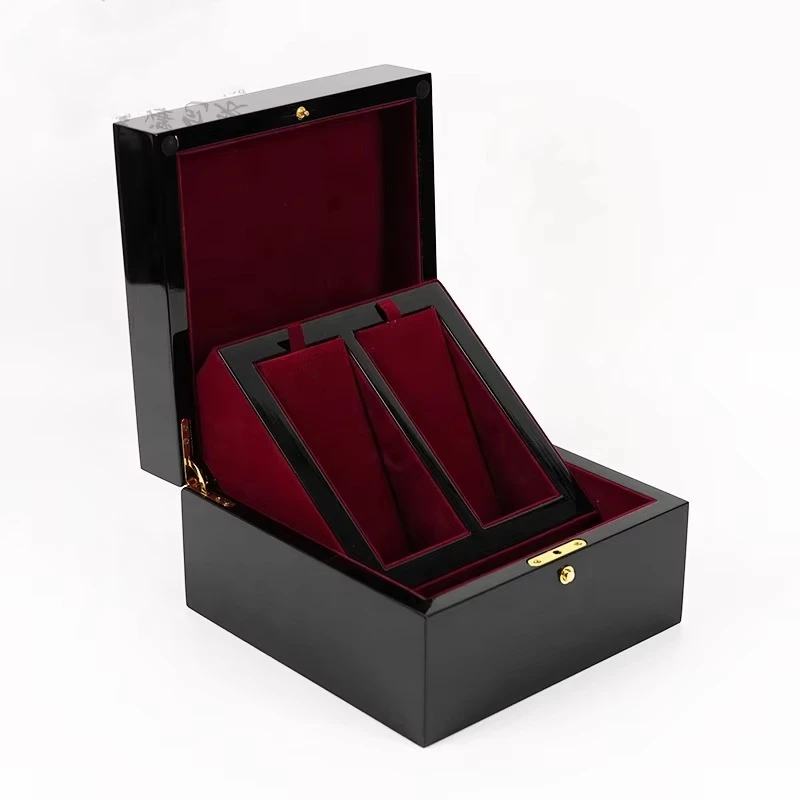
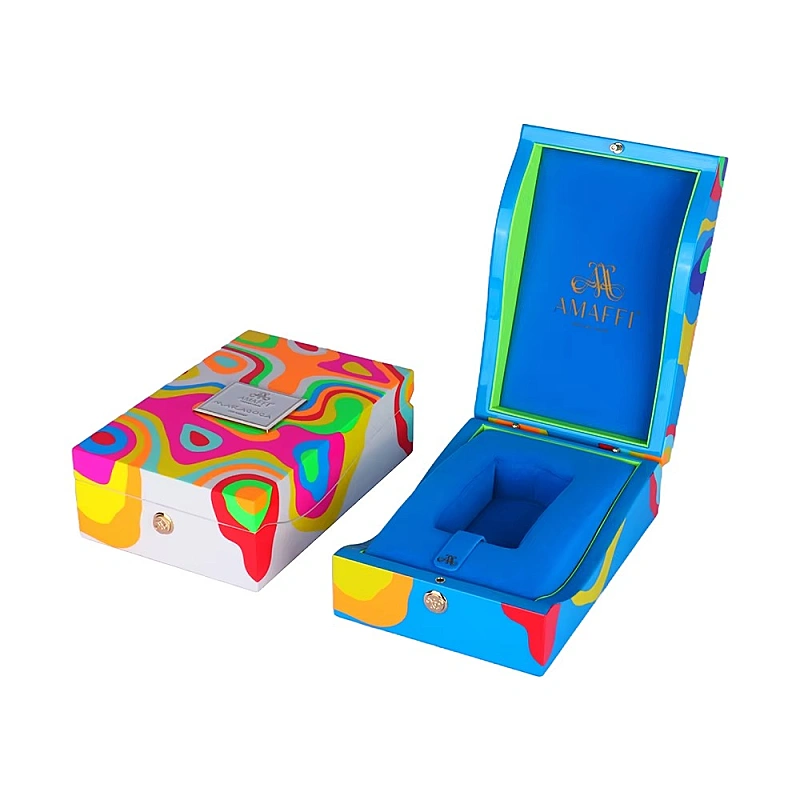
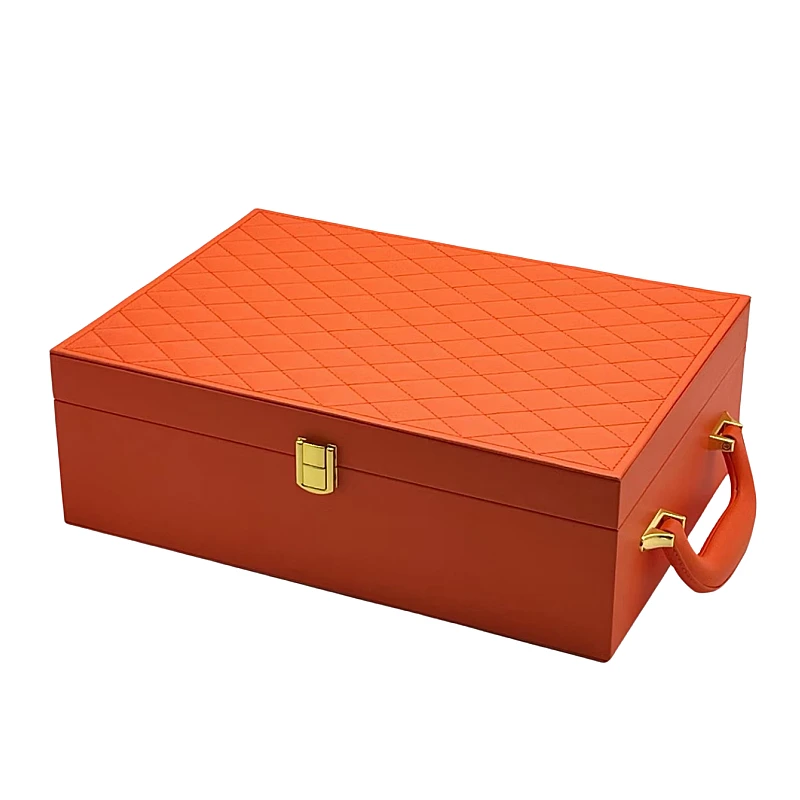
I often help clients choose packaging based on the perfume type. Alcohol perfumes need tight, sealed bottles. Oil perfumes need containers that protect them from UV. When we design wooden boxes for these, we consider weight, humidity resistance, and the inner lining to prevent scent loss.
Why Do Storage Conditions and Packaging Matter So Much for a Flower-Based Perfume?
Many people skip this part. They think a strong scent stays strong forever. But natural floral extracts are fragile.
Flower-based perfumes break down easily, so they need dark, cool storage and protective packaging to keep the aroma stable and fresh.
How Packaging Protects Scent Over Time
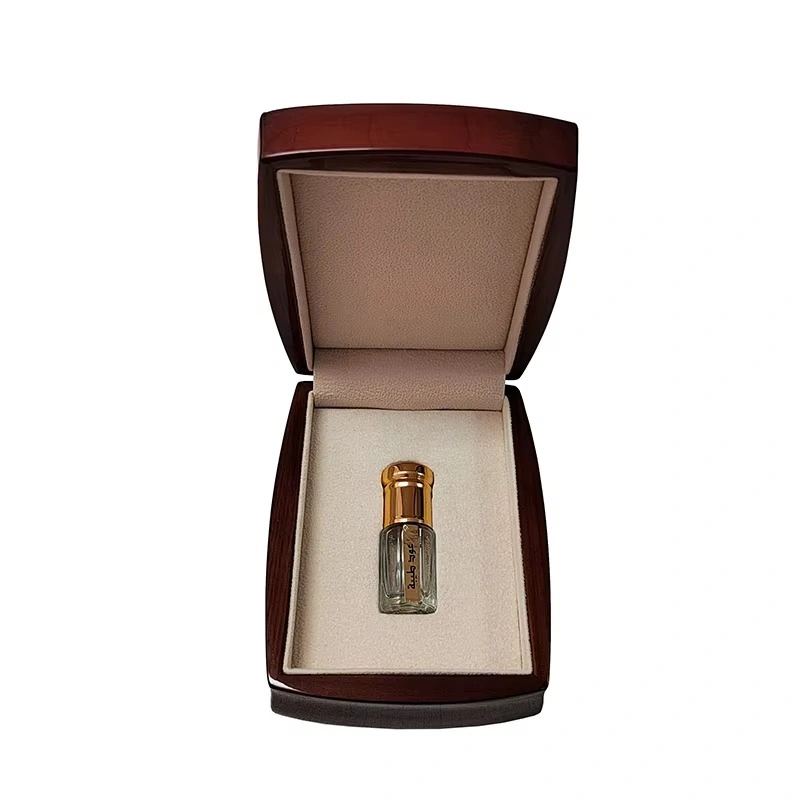
I see this clearly in my daily work. Luxury perfume clients often come to me after they notice scent fading in their old boxes. They ask for better protection. Natural floral oils are sensitive because they contain unstable molecules.
Here is what can damage a perfume:
| Factor | Effect |
|---|---|
| Light | Breaks aroma molecules |
| Heat | Speeds oxidation |
| Air | Evaporates top notes |
| Moisture | Affects organic compounds |
Why Wooden Boxes Work Well
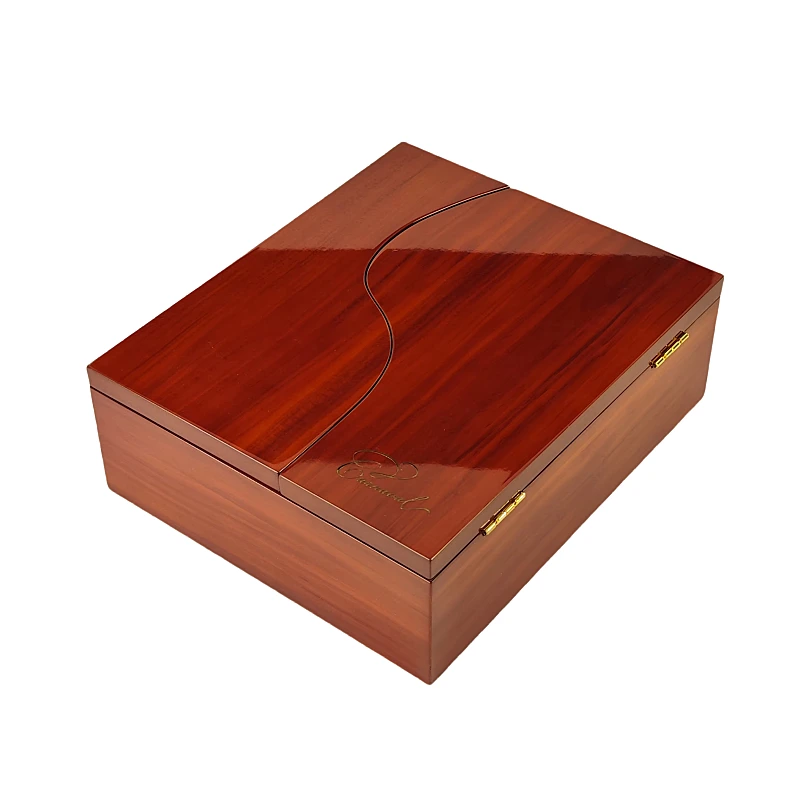
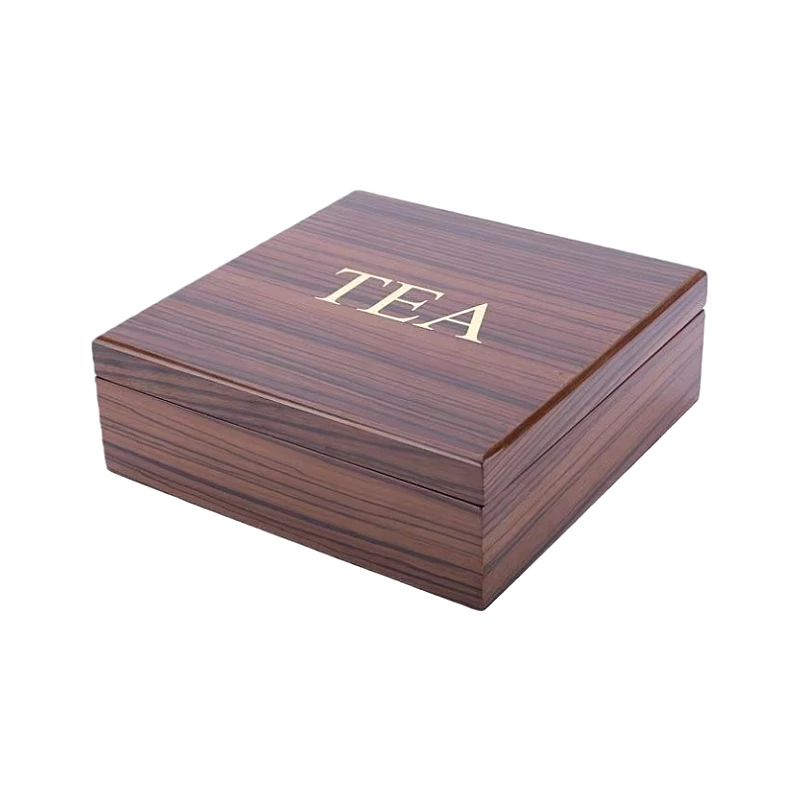
A well-designed wooden box stabilizes the environment around the perfume. This is why high-end brands prefer custom wood packaging. It protects both the bottle and the scent.
Key Benefits of a Good Wooden Box
- Shields from light
- Reduces temperature changes
- Adds a layer of air protection
- Holds the bottle firmly
- Improves the luxury look and brand value
I love crafting lacquered wood boxes for perfume clients because they not only look beautiful, but they also serve a real function. A stable storage environment keeps the floral notes bright and true.
Conclusion
Natural floral perfume needs slow extraction, balanced blending, and careful storage to keep its scent pure and long-lasting.

 English
  Español
  Português
  Deutsch
  Français
  Italiano
  العربية