I see many people love perfume oils but still feel confused about how to use them well.
You apply perfume oil on warm pulse points, use only a small amount, avoid rubbing, and let it sink in so the scent lasts longer and stays true.
I want to share what I learned from perfumers who order luxury wooden perfume boxes from my factory. These simple steps help anyone enjoy perfume oils in a deeper way.
Where should perfume oil be applied for the longest-lasting and most natural scent?
I often see people apply perfume oil on random spots and wonder why the scent fades too fast.
The best places are the warm pulse points like wrists, neck, inner elbows, and the chest because these areas release gentle heat that helps the oil open slowly and naturally.
When I speak with niche perfume founders who create oil-based formulas, they always stress the power of pulse points. These are areas where blood flow is close to the surface. The skin stays warm there through the day. This soft heat helps the oil rise in a steady and natural way. The scent does not jump out. It grows gradually and stays close.
Why pulse points matter
Pulse points support the slow release of perfume oils. The scent stays stable because oils do not evaporate fast. They need warmth.
Best pulse points table
| Pulse Point | Why It Works |
|---|---|
| Wrists | Easy to reach, warm, perfect for daily use |
| Neck | Creates a soft scent cloud around you |
| Inner elbows | Stays warm and protected under clothing |
| Chest | Gives a steady, intimate scent |
More insight
I often see brands teach customers to apply perfume oil to only one or two pulse points. This is enough because oils spread on the skin as the day goes on. I also learned that fabric near these areas picks up the scent. This makes the aroma feel fuller. When I design custom wooden oil perfume boxes, many brands include small cards that teach this exact method. They want users to slow down and enjoy the ritual. This small act changes the whole experience.
How much perfume oil is enough, and why does a little go a long way?
Many people think they need several swipes of perfume oil, but this often makes the scent too heavy.
One or two drops are enough because perfume oils are highly concentrated and spread slowly across warm skin.
Perfumers tell me that oils behave very differently from sprays. Sprays fill the air fast. Oils sit on the skin. They develop in layers. The base notes rise slowly. This is why a small amount works well. I have seen brands choose roller bottles or glass dabbers because this controls the amount. Too much oil can overwhelm the senses. Too little already lasts long because oils do not evaporate like alcohol.
Why oils need less product
Oils contain strong raw materials. The scent structure is dense. The skin holds oil easily, so it does not disappear fast.
Common mistakes table
| Mistake | Result |
|---|---|
| Applying too much | Scent becomes heavy and sticky |
| Layering too many oils | Notes clash and feel muddy |
| Reapplying too fast | You cannot smell true dry-down |
More insight
When I talk with creators of oud, musk, or amber oils, they always remind me that the skin needs time to warm the oil. This is why the first impression is never the final scent. When customers understand this, they enjoy the perfume more. Many brands who order custom boxes from me include simple guides that say “Start with one drop.” This advice saves the user from waste and improves the full scent journey.
Why do perfume oils perform differently from alcohol-based sprays?
People often compare perfume oils and sprays as if they work the same way, but they do not.
Perfume oils stay close to the skin, evaporate slowly, and build softer but longer-lasting scent, unlike sprays that project strongly at first.
I learned a lot about this contrast from clients who produce both oil-based and alcohol-based lines. Alcohol lifts notes fast. It pushes the top notes into the air. This gives strong projection. Oils do not use alcohol. They rely on the skin to release aroma. The scent stays personal. The trail is small but deep. This is why many luxury brands use oils in intimate or premium collections.
Key differences
| Feature | Perfume Oils | Alcohol Sprays |
|---|---|---|
| Projection | Soft, close | Strong, wide |
| Longevity | Long, steady | Medium, fades faster |
| Skin feel | Smooth, warm | Light, airy |
| Scent change | Slow, deep | Fast, bright |
More insight
Oils also enhance base notes like oud, sandalwood, resin, and musk. These materials shine in warm environments. Many Middle Eastern perfume brands tell me their customers use oils because the climate supports slow release. When I make wooden boxes for these brands, they often want dark lacquer or deep tones to match the richness of the oil. Their story starts from the box and continues with the scent. Both speak the same language: depth.
Should you rub perfume oil into the skin, or let it absorb naturally?
Many people rub their wrists together after applying perfume. This is a habit from spray perfumes, but it is not good for oils.
You should let perfume oil absorb naturally because rubbing breaks the scent structure and weakens how it develops.
Perfumers explain that rubbing forces the top notes to fade fast. It creates heat from friction. This heat changes how the oil spreads. The scent profile becomes flat. When you let it sit, the oil sinks in at its own pace. The notes rise in order. You smell the true design. I often include this tip in the instruction cards for brands because many users do not know this detail.
Why letting the oil settle works
The oil forms a thin layer on the skin. The heat lifts the aroma slowly. The scent stays balanced.
Application steps table
| Step | Action |
|---|---|
| 1 | Dab or roll a small amount |
| 2 | Keep the area still |
| 3 | Allow natural absorption |
| 4 | Wait for dry-down before adding more |
More insight
I see that many luxury brands prefer this calm approach. They want the user to feel the ritual. When someone opens a high-gloss wooden box that I made, they often take a slower breath. This sets the mood. Perfume oil matches this feeling. It is not loud. It is personal. The way you apply it shapes the experience. A gentle application always gives a better scent.
How can storage, skin type, and daily habits affect the longevity of perfume oils?
Many people think scent performance is only about the formula. It is not.
Storage, skin moisture, climate, and daily habits all play a big role in how long perfume oil lasts on you.
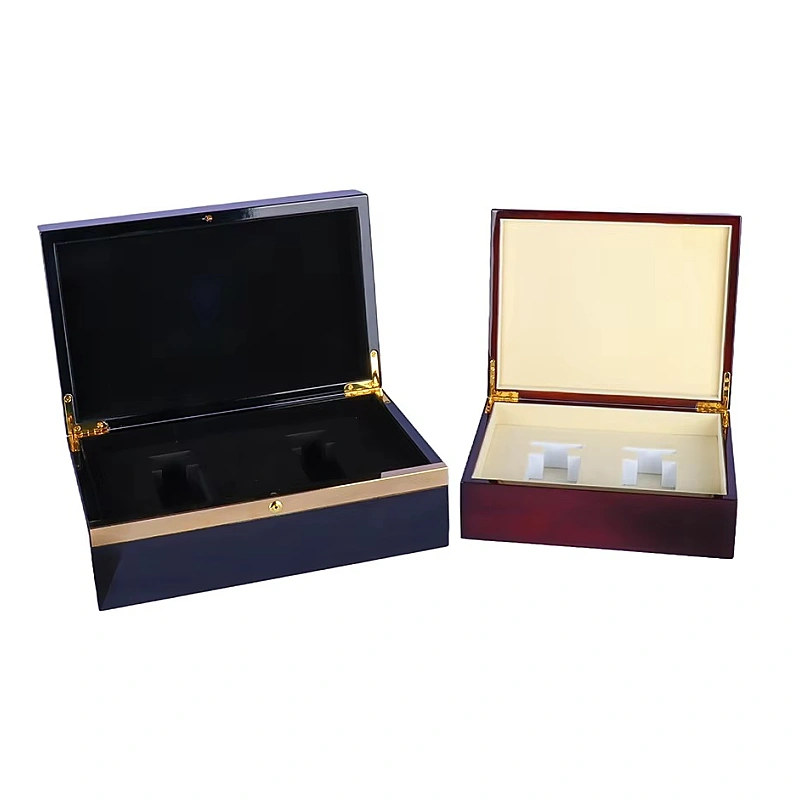
I learned from small-batch perfume houses that heat and light break down oils. They always store their samples in dark rooms. This is why many ask me to design wooden boxes with deep interiors, soft foam, or velvet lining. The box protects the oil. Skin type matters too. Dry skin cannot hold oil well. Oily or hydrated skin keeps the scent strong. Climate also shapes the scent path.
Key factors
1. Storage
Keep perfume oils away from heat and sunlight. Wood boxes help block light and maintain stable temperature.
2. Skin type
Dry skin absorbs oil fast. The scent fades early. Hydrated skin holds fragrance better. A simple lotion improves longevity.
3. Daily habits
Washing hands, sweating, and outdoor activity affect the scent. Areas under clothing last longer because they stay warm and protected.
Longevity impact table
| Factor | Effect on Scent |
|---|---|
| Heat | Breaks notes faster |
| Light | Weakens top notes |
| Dry skin | Short longevity |
| Hydrated skin | Stronger, longer scent |
| Activity level | Faster fade |
More insight
When I work with brands that sell heavy oud oils, they often include advice about skin prep and storage. They know their customers want strong performance. I also share my own experience when clients ask me about packaging. A well-made wooden box does more than hold a bottle. It protects the formula so it stays fresh. This is part of the whole story. The oil, the box, and the ritual all link together.
Conclusion
Perfume oils work best when you apply them with care and understand how your skin and habits shape the scent.

 English
  Español
  Português
  Deutsch
  Français
  Italiano
  العربية