Perfume feels simple on the surface, but it often confuses buyers who want clear answers about what is inside each bottle.
Perfume is made of aromatic ingredients mixed with alcohol or oil, and these ingredients form top, middle, and base notes that appear over time on the skin.
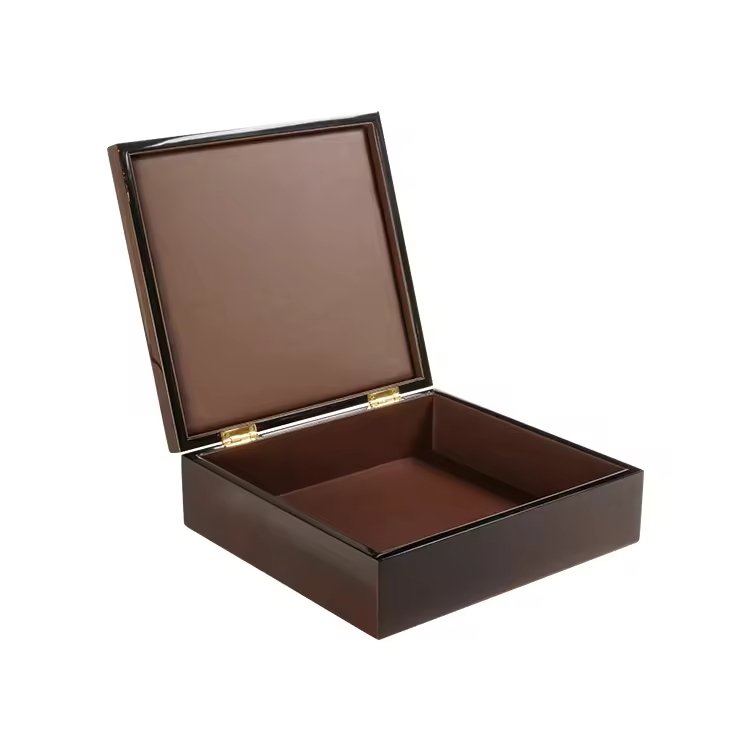
I want to show how each part works, and I will use many examples from my own manufacturing experience, because I see similar logic when I design and produce high-end wooden boxes at WoodoBox.
What are the main building blocks of a perfume’s formula?
Perfume buyers often struggle because they see many terms but do not know which ones really matter.
A perfume formula has three core parts: aromatic ingredients, a carrier such as alcohol or oil, and tiny stabilizing additives.
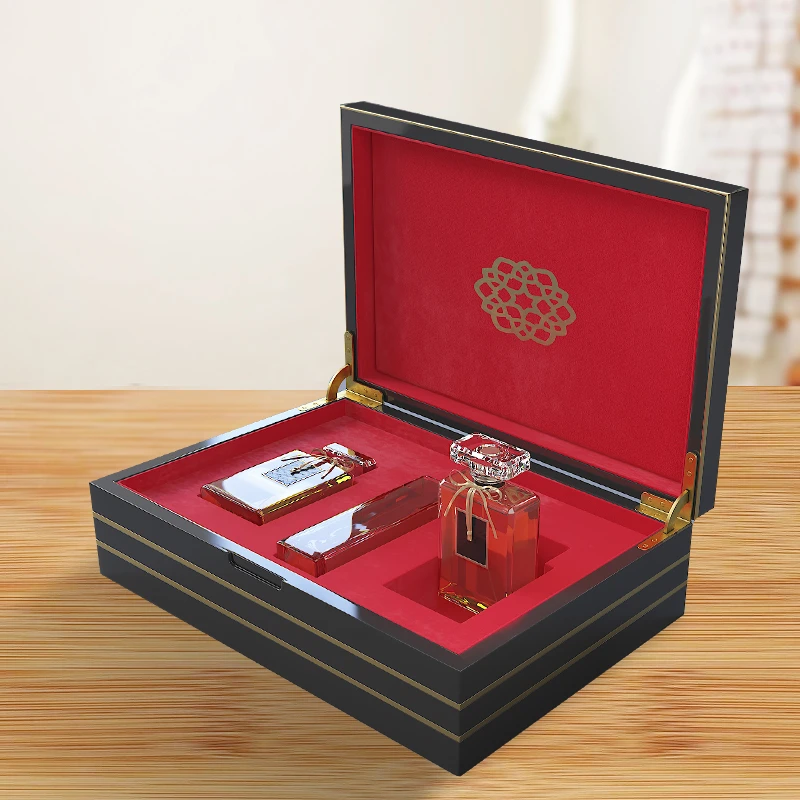
A perfume formula looks very complex when you first see it. I had the same feeling years ago when I started to serve European brands that ordered wooden perfume boxes from my factory. They wanted boxes that felt as refined as the scent inside. I needed to understand their products, and this pushed me to study perfume structure.
Below is a deeper look at the building blocks.
Aromatic Ingredients
These are natural extracts or synthetic aroma chemicals. They give the scent.
Carriers
These help dissolve the aromatic materials and control evaporation.
| Carrier Type | Description | Use Case |
|---|---|---|
| Alcohol | Fast evaporation, clean feel | Most fine fragrances |
| Oil | Slow release, soft feel | Roll-on perfumes, niche brands |
| Water | Used in body mists | Fresh but weak projection |
Stabilizers and Fixatives
These help the scent last longer and stay consistent during storage.
When I build a luxury wooden box, I also rely on a base structure, a surface finish, and small metal parts. Each part supports the overall experience. A perfume formula works in the same simple way: clear building blocks, each with a job, stacked into one complete product.
How do essential oils, aroma chemicals, and natural extracts create unique scents?
Many buyers think perfumes smell unique only because of “secret formulas,” but the truth is easier to understand.
Essential oils, aroma chemicals, and natural extracts bring different strengths and textures, and perfumers mix them to create one final scent.
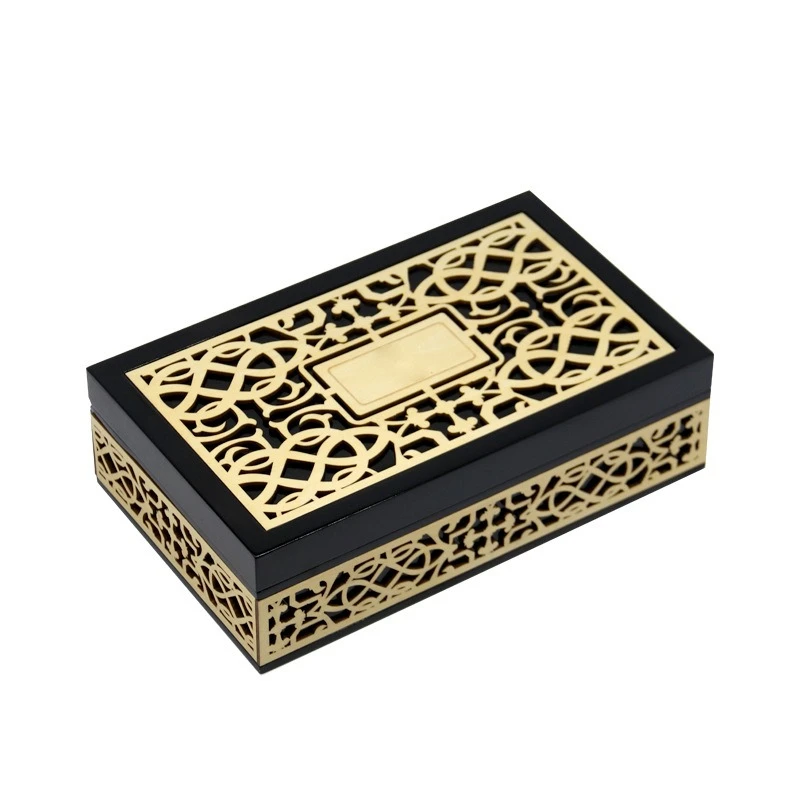
I work with designers who create scents for candle brands and perfume brands that also buy our wooden boxes. They often tell me that natural materials give emotion, while synthetic molecules give control. Both matter. Both have a place.
Let me break this down.
Essential Oils
These come from plants by methods like steam distillation.
They smell rich but can vary each season.
Natural Extracts
These include absolutes, resins, and CO₂ extracts.
They offer depth but are more expensive.
Aroma Chemicals
These are lab-made molecules.
They copy natural smells or create new ones that do not exist in nature.
Here is a simple table many buyers like:
| Ingredient Type | Strength | Weakness | Example |
|---|---|---|---|
| Essential Oils | Natural feel | Seasonal variation | Lavender, Lemon |
| Extracts | Deep complexity | Higher cost | Jasmine Absolute |
| Aroma Chemicals | Stable, consistent | Not always “natural” | Iso E Super, Hedione |
When I design a wooden cigar box, I select different materials for strength, color, and finish. A perfume formula uses “materials” in the same way. Strong molecules create the backbone. Natural oils add personality. Extracts add story. When you mix them, the scent becomes unique.
This balance is what gives every perfume its identity.
Why is alcohol used in most perfumes, and what role does it play?
Many consumers think alcohol is just a cheap filler, but that is not true.
Alcohol carries the fragrance, helps it spread smoothly on the skin, and makes the scent open with clarity and brightness.
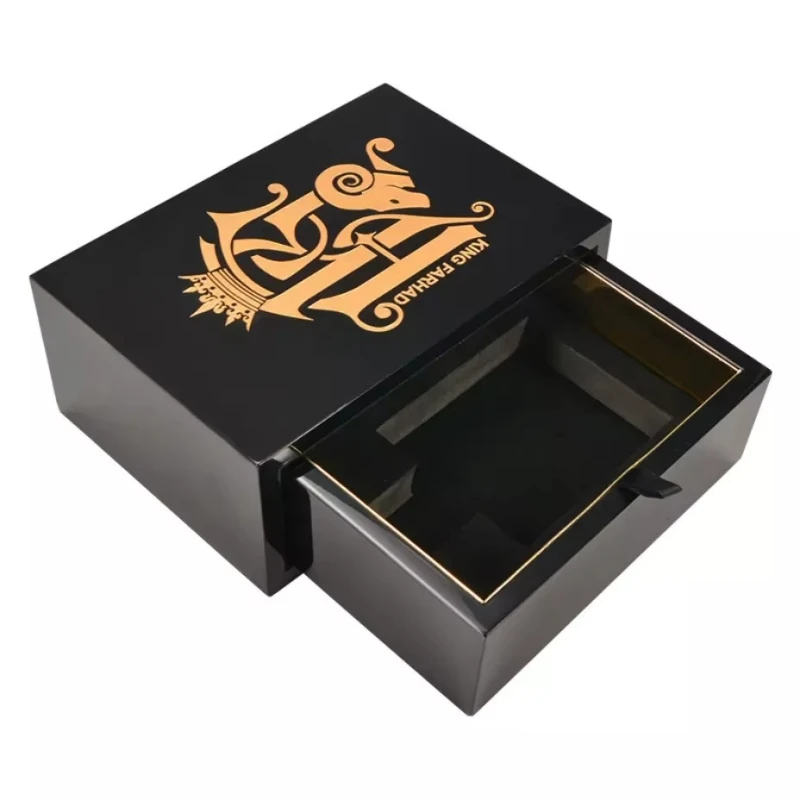
I work with many wine and spirit brands that need luxury wooden packaging. They always talk about how alcohol influences taste. In perfume, alcohol plays a similar structural role. It interacts with aromatic molecules and helps them travel through the air.
Why alcohol works so well
Alcohol evaporates fast.
It lifts the lighter notes into the air.
It spreads the scent with ease.
It gives a clean skin feel.
Types of alcohol used in perfume
- Ethyl Alcohol: Main type used in fine fragrance.
- SD Alcohol: Specially denatured, not drinkable.
- Grain or Sugarcane Alcohol: Popular among natural brands.
How alcohol affects performance
Alcohol helps the top notes appear in the first seconds.
It also helps the base notes stay balanced because it keeps the formula uniform.
When I apply piano-paint lacquer on a wooden box, I rely on solvents to help the paint flow smoothly. Without the right carrier, the finish will look dull. Perfume works in the same way. Alcohol is the invisible support that keeps the scent clean and bright.
How do perfumers balance top, middle, and base notes to form a complete fragrance?
People often hear about “notes,” but many do not know how perfumers build them like layers in a design.
Perfumers balance top, middle, and base notes by controlling evaporation speed, intensity, and harmony so the scent develops step by step.
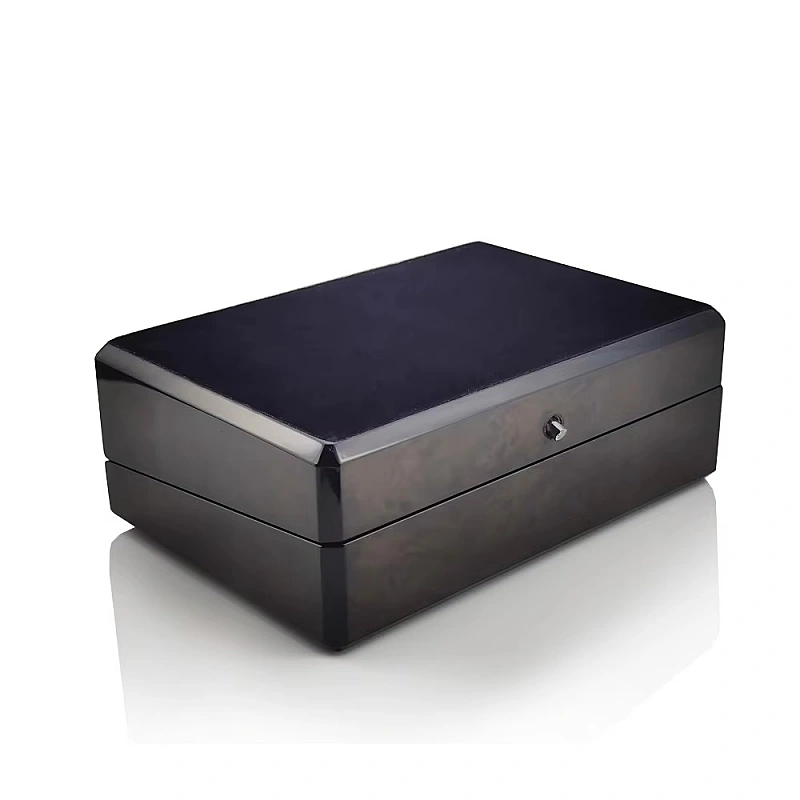
I see this same layered thinking when I design high-end wooden gift boxes. The outer finish gives the first impression. The structure shows quality. The inner lining creates the final memory when the customer opens the box.
Perfume follows similar steps.
Top Notes
These appear in the first 5–15 minutes.
They are made of light molecules.
Examples: citrus, herbs.
Middle Notes
These form the main body of the perfume.
They last 20–60 minutes.
Examples: florals, spices.
Base Notes
These stay the longest.
They anchor the scent.
Examples: woods, resins, musks.
Below is a simple structure map:
| Note Layer | Duration | Function |
|---|---|---|
| Top | Very short | First impression |
| Middle | Medium | Character of the scent |
| Base | Long | Memory and longevity |
Perfumers adjust the formula until all layers blend. They test how the scent dries on skin, how it behaves in heat, and how it works with alcohol. I work the same way when I test colors, hardware, and velvet lining for wooden boxes. I adjust until everything feels balanced.
This balanced structure is what makes a fragrance feel complete.
Are natural perfumes safer or better than synthetic ones?
Many buyers assume natural means better, but the truth is more complex.
Natural perfumes are not always safer, and synthetic ingredients are not always harmful; each type has strengths and weaknesses.
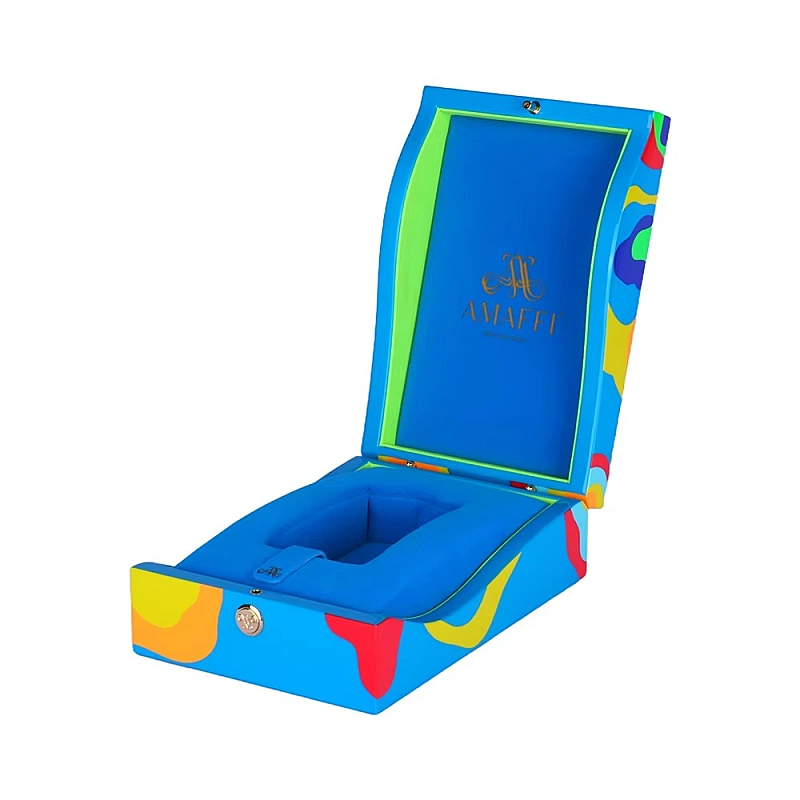
I often hear similar questions from luxury clients who order wooden boxes. They ask if natural solid wood is always better than MDF with premium veneer. My answer is always the same: it depends on the project. Quality comes from matching the right material to the right purpose.
Perfume follows the same rule.
Natural Perfume Pros
- Rich aroma
- Storytelling appeal
- Eco-friendly branding
Natural Perfume Cons
- Shorter shelf life
- Seasonal variation
- Higher cost
Synthetic Perfume Pros
- Stability
- Long-lasting performance
- Wide creative range
Synthetic Perfume Cons
- Public misunderstanding
- Some molecules may cause irritation for sensitive users
Here is a simple comparison:
| Type | Better For | Not Ideal For |
|---|---|---|
| Natural | Story-driven niche brands | Very stable performance |
| Synthetic | Modern commercial perfumes | Brands that want “100% natural” label |
When I combine real wood veneer with piano-paint lacquer, I do not ask which is better. I ask what serves the product best. Perfumers think the same way. They blend natural and synthetic materials to achieve the best scent, price, and stability.
There is no perfect answer. There is only the right choice for the project.
Conclusion
Perfume comes from a mix of ingredients, alcohol, and craft, and each part works together to create a full scent.

 English
  Español
  Português
  Deutsch
  Français
  Italiano
  العربية