跳到内容
跳到内容 
I see many men feel unsure about perfume because they think it is only for women, and this doubt stops them from enjoying great scents.
Men can wear any perfume they like because fragrance has no real gender. It is a personal choice, and it depends on mood, style, and identity.
I learned this truth after years of watching luxury brands break old rules, and now I want to help more men feel free to choose what they love.
Is perfume really gender-specific, or is it just smart marketing?
Many people still believe perfume follows strict gender rules, and this belief makes them afraid to explore new scents.
Perfume is not gender-specific. Gender labels come from modern marketing, not from the real history of fragrance.
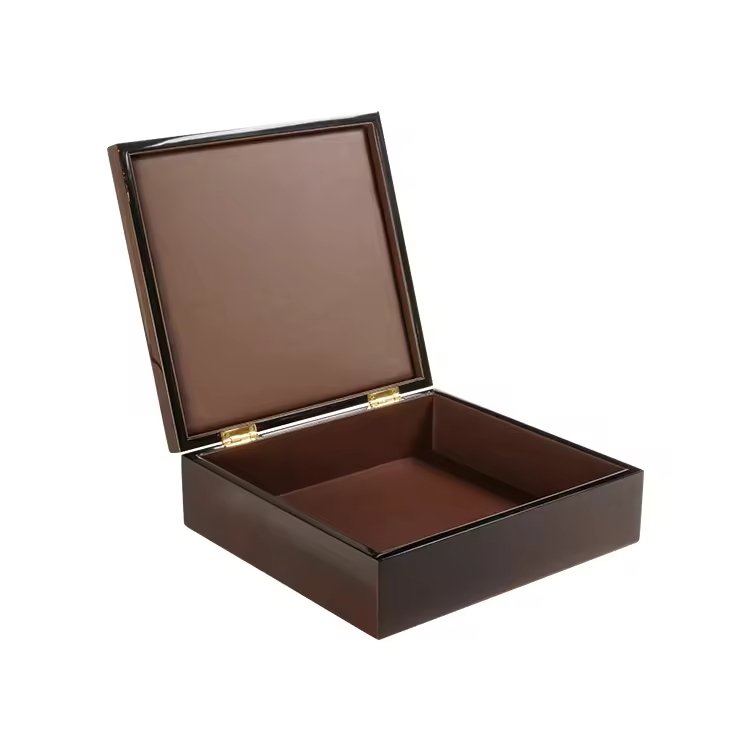
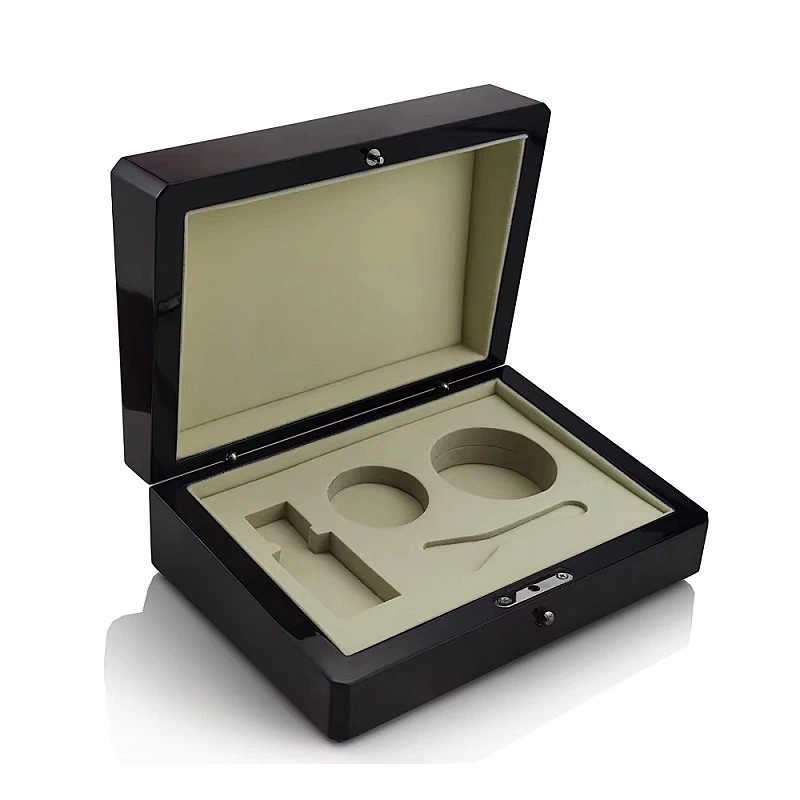
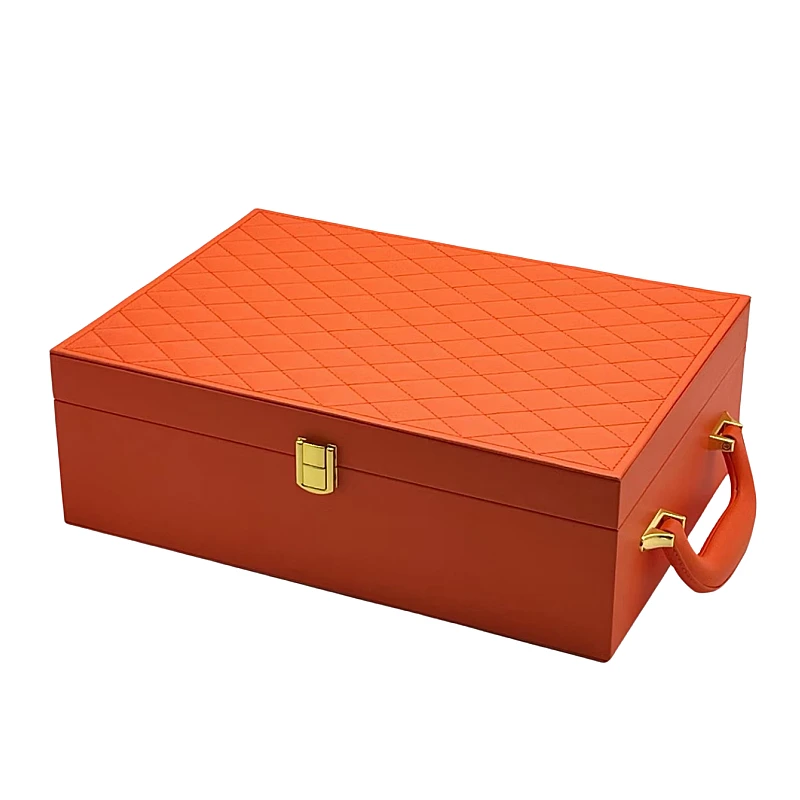
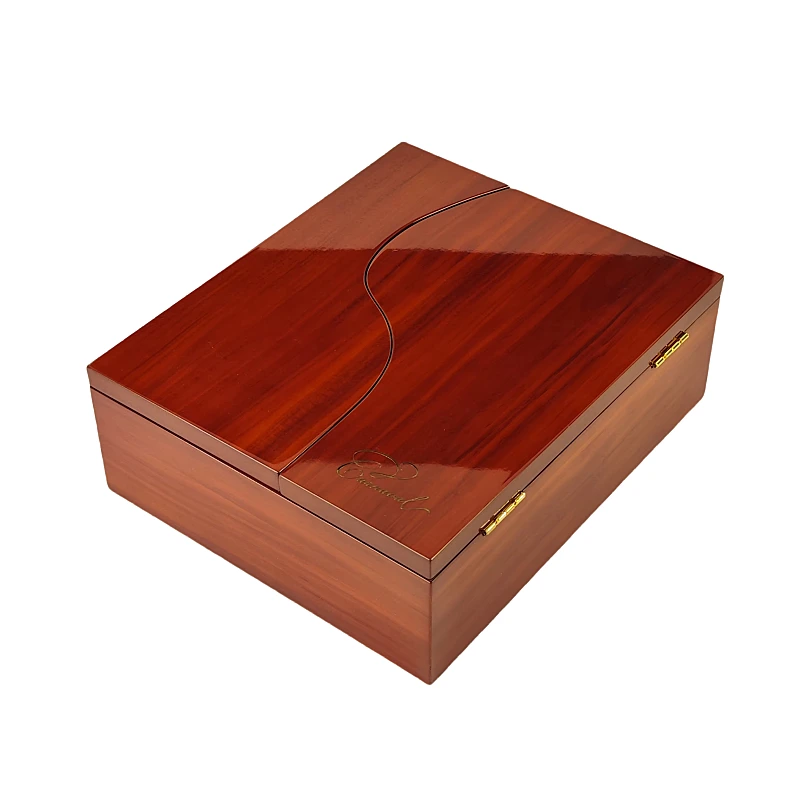
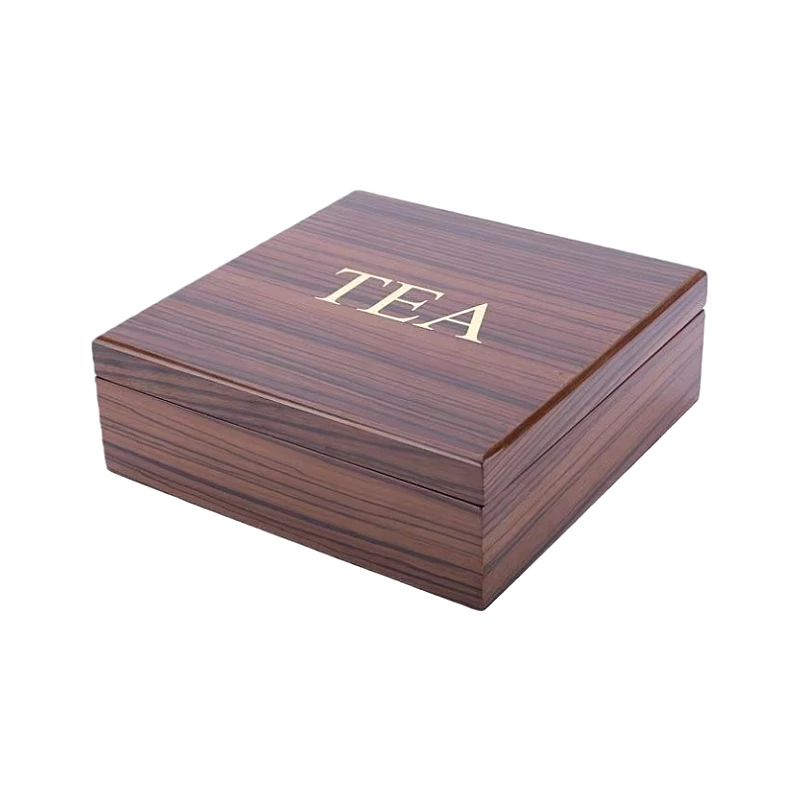
I look at this topic a lot because I work with luxury brands that create high-end wooden boxes for perfumes. I see how they design, position, and sell scents. The truth is simple. Perfume once had no gender. In ancient Egypt, in Persia, and even in European courts, kings and queens used the same blends. These blends came from natural oils, flowers, spices, and woods. No one said roses were for women or oud was for men. People chose scents based on status, ritual, or personal taste.
How marketing shaped the idea of “men’s” vs. “women’s” perfume
In the 20th century, perfume brands needed to sell more products, so they used gender as a tool. They made bottles, ads, and language that separated “manly” from “feminine.” This strategy worked. It helped the market grow fast. But this created limits that never needed to exist.
The shift back to gender-free fragrance
Today, global buyers, designers, and luxury houses move back toward neutral scents. When I work on wooden boxes for niche perfume brands, many ask for a minimal or unisex look. They want to show that scent is about emotion, not gender. This is why more men now wear citrus-floral blends or sweet vanilla scents with confidence. They know it is normal. It is personal. It is modern.
How perfume categories changed over time
| Era | Perfume Style | Gender Approach |
|---|---|---|
| Ancient Civilizations | Oils, incense, resins | No gender labels |
| Middle Ages | Herbal, smoky blends | No gender labels |
| 20th Century | Mass-market perfumes | Heavy gender marketing |
| Today | Niche, unisex, artisanal scents | Gender-free approach |
When we understand this shift, we see the truth. The rules were never real. They were created to sell more bottles. And now the world is moving past them.
How do fragrance notes influence whether a scent feels “masculine” or “feminine”?
Some men avoid certain perfumes because they think floral or sweet notes make a scent feel too soft.
Notes affect how a perfume feels, but they do not define gender. They shape mood, style, and emotion.
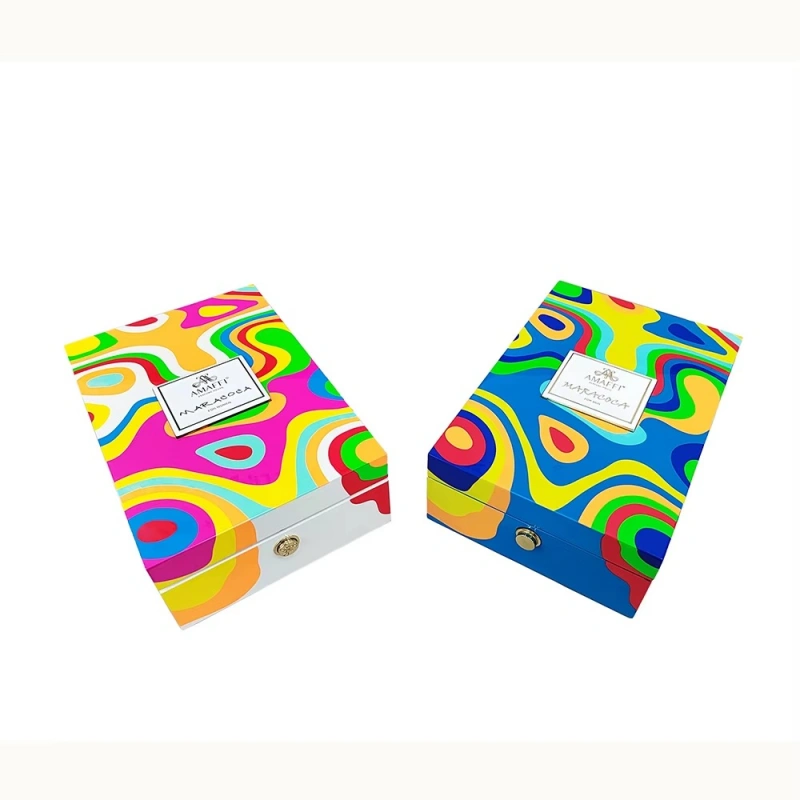
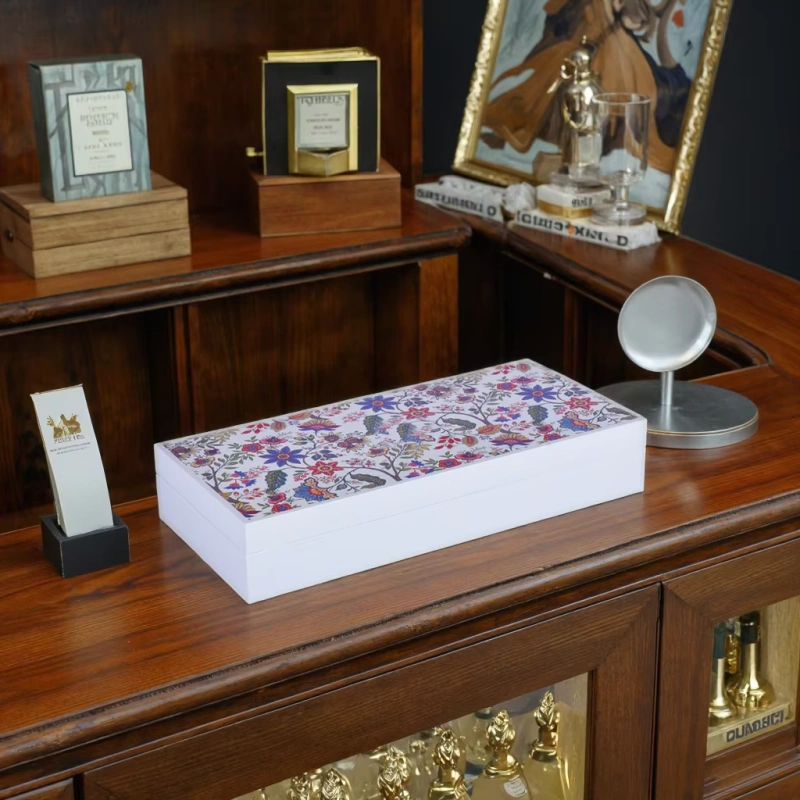
When I help perfume brands design custom wooden boxes, we often begin by looking at notes. The notes guide the story. For example, a perfume with sandalwood and leather may need a dark glossy box. A perfume with jasmine and pear may need a soft white box. These choices show emotion, not gender.
How top, middle, and base notes shape your experience
Perfume has three layers. Each one can influence how people sense masculinity or femininity, but these ideas are cultural, not natural.
Top Notes
These are fresh and bright. Citrus, mint, and herbs often appear in men’s scents. But they also appear in unisex perfumes because everyone likes freshness.
Middle Notes
These are the heart of the perfume. Flowers like rose, jasmine, and iris often feel “feminine” in marketing, but they smell elegant on men when blended with spices or woods.
Base Notes
These give depth. Woods, amber, musk, and resins often feel “masculine” because they are warm and strong. But many women wear them because they project confidence.
Common notes and how they feel
| Note Type | Examples | Mood | Gender Perception |
|---|---|---|---|
| Fresh | Lemon, bergamot | Clean, bright | Neutral |
| Floral | Rose, jasmine | Soft, elegant | Marketed as feminine |
| Sweet | Vanilla, tonka | Warm, cozy | Neutral to feminine |
| Woody | Cedar, sandalwood | Strong, grounding | Marketed as masculine |
| Spicy | Pepper, cardamom | Bold, energetic | Neutral |
| Resin | Amber, oud | Deep, rich | Neutral |
Why “masculine” and “feminine” feelings come from culture
As a packaging producer, I talk with designers from many countries. Each market has its own scent culture. For example:
- Middle Eastern buyers love sweet, heavy oud, regardless of gender.
- European buyers like balanced floral-woody blends.
- American buyers prefer fresh, sporty scents for daily wear.
These patterns show how scent preferences come from culture, not natural gender lines.
When men understand this, they feel more open to choose any note that matches their personality.
What should men consider when choosing a perfume that fits their personality and lifestyle?
Many men feel lost when choosing a perfume because there are too many options.
A man should choose a perfume that matches his daily routine, personality, and the impression he wants to create.
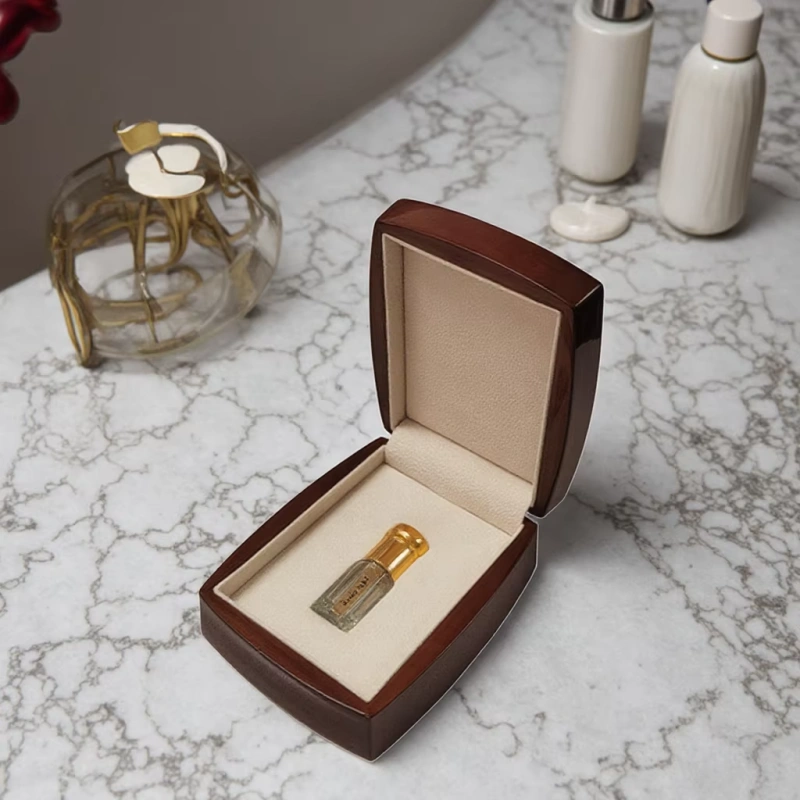
I help brands develop packaging for many styles of scents, and I see how each type fits a different lifestyle. The same rule applies to men.
Key factors to think about
1. Your daily environment
If you work in an office, you may need something soft and clean. If you work outdoors, you may want something stronger.
2. Your personal style
Your clothes say something about you. Your perfume should match that same message.
- If you dress sharp and formal, choose woods or spices.
- If you dress casual, choose fresh citrus or sea notes.
- If you love art or design, try niche perfumes with unusual blends.
3. Your natural skin scent
Perfume interacts with skin. A sweet scent may turn warmer on your skin. A fresh scent may fade faster. Always test before buying.
4. The seasons
Warm weather needs light scents. Cold weather needs deep scents. This simple rule makes a big difference.
Matching scent families with personalities
| Personality Type | Scent Family | Why It Works |
|---|---|---|
| Confident | Woody, spicy | Strong, grounded |
| Creative | Floral, aromatic | Soft, expressive |
| Adventurous | Citrus, aquatic | Fresh, active |
| Mysterious | Amber, oud | Deep, rich |
Why lifestyle matters more than gender
I meet many designers who break old rules. They build scents around stories, not gender. A scent made for “women” can fit a man who enjoys gentle, calm moments. A scent made for “men” can fit a woman who likes bold, smoky notes.
When you choose based on personality and lifestyle, the result feels natural and real.
Can wearing perfume boost confidence and personal branding for men?
Some men do not realize how much scent affects first impressions.
Yes, perfume can boost confidence and support a strong personal brand because it helps people remember you.
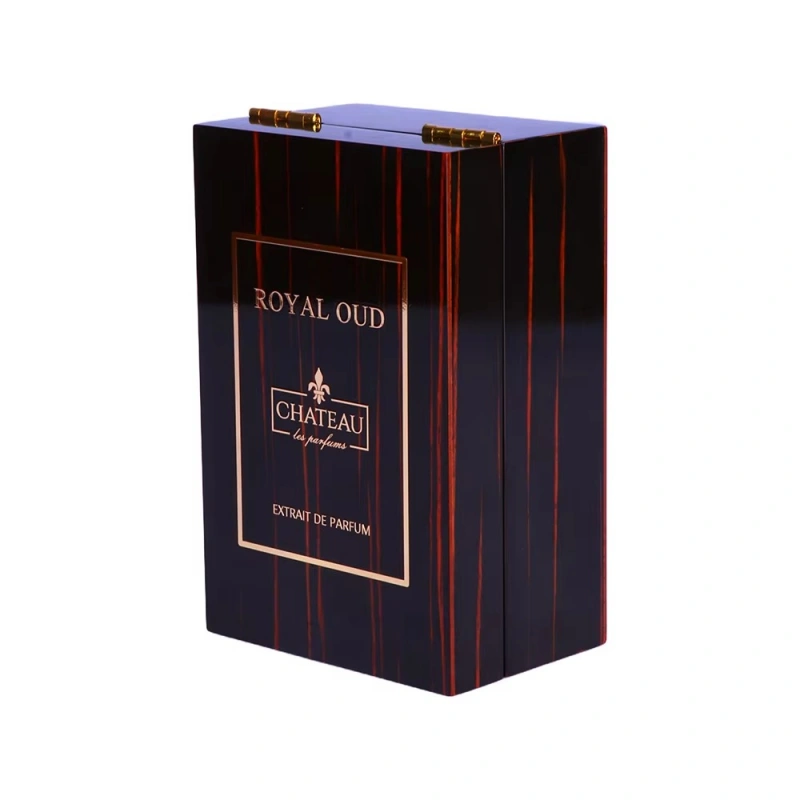
I work with luxury brands that invest in premium wooden boxes because scents carry emotional value. They want the box to show prestige before the perfume even opens. This same idea applies to personal branding. Your scent shows your style before you speak.
How scent affects confidence
Scent connects to memory. When you wear a fragrance you enjoy, your mind links it with comfort and strength. You stand taller. You speak with ease. You feel ready for the day.
Four ways perfume supports personal branding
-
Consistency
When you use the same scent often, people remember you by it. -
Mood control
Fresh scents can wake you up. Warm scents can calm you. -
Presence
A good perfume creates a soft aura around you that others notice. -
Professional image
A clean, refined scent shows care and attention to detail.
Stories from my work
When we design a perfume box for a luxury watch brand, they often ask for a scent that matches the brand’s values. They want the wood box, the bottle, and the fragrance to tell one message. Men can learn from this approach. Your scent should help you tell your message.
How can men pick long-lasting, high-quality fragrances without overspending?
Many men worry that good perfumes cost too much.
Men can find long-lasting and high-quality fragrances by checking concentration levels, testing performance, and choosing smart alternatives like niche samples.
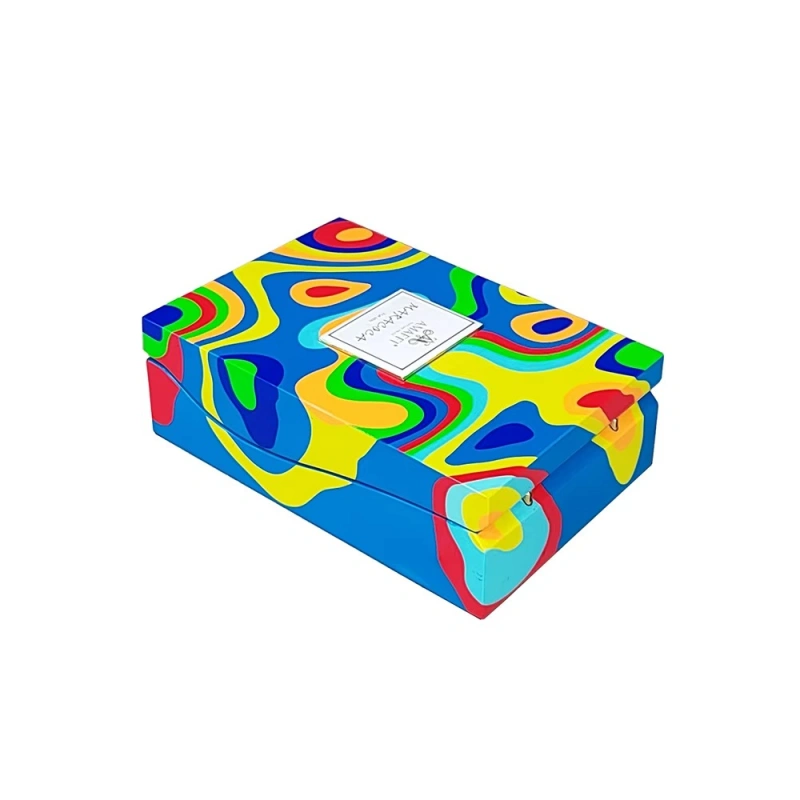
I work with packaging for both premium and affordable perfume lines. I see how much pricing changes based on branding, packaging, m

 English
  Español
  Português
  Deutsch
  Français
  Italiano
  العربية