
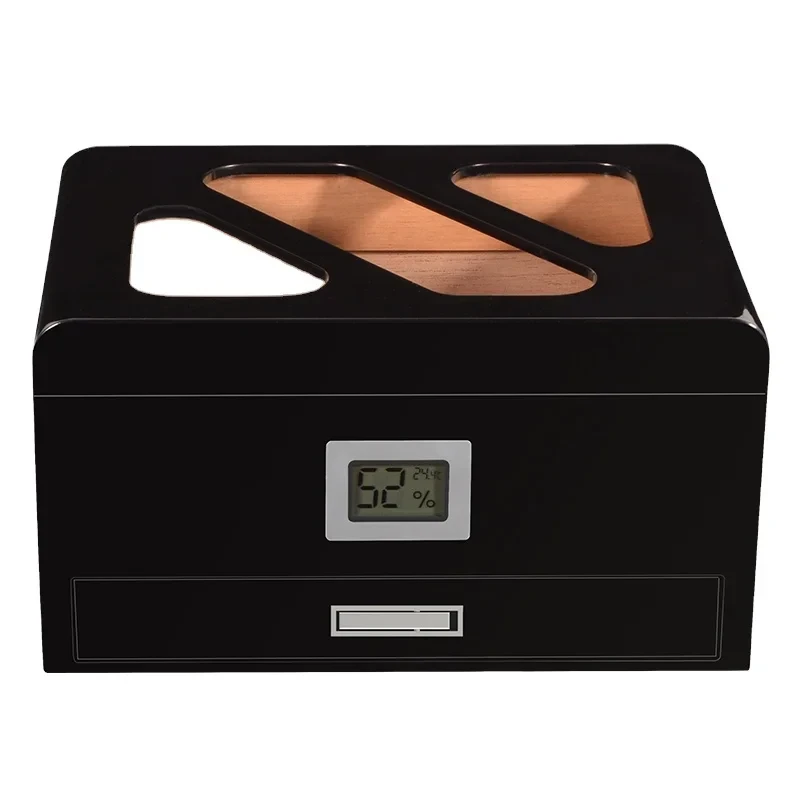
I know many buyers feel confused when cigar pack prices jump from a few dollars to more than fifty.
A pack of cigars can cost from $5 to over $60. The price depends on the brand, size, tobacco origin, craftsmanship, and taxes. Machine-made packs stay cheap. Hand-rolled premium packs cost more because they use better leaves and skilled labor.
I want to show why these price gaps make sense and how you can choose the right pack without stress.
What factors—brand, size, tobacco origin—cause cigar pack prices to vary so widely?
Many people feel lost because the same number of cigars can cost very different amounts.
Cigar pack prices change because brand reputation, tobacco quality, size, and origin each add cost. Premium brands use better leaves and longer aging, so their packs sell at higher prices.
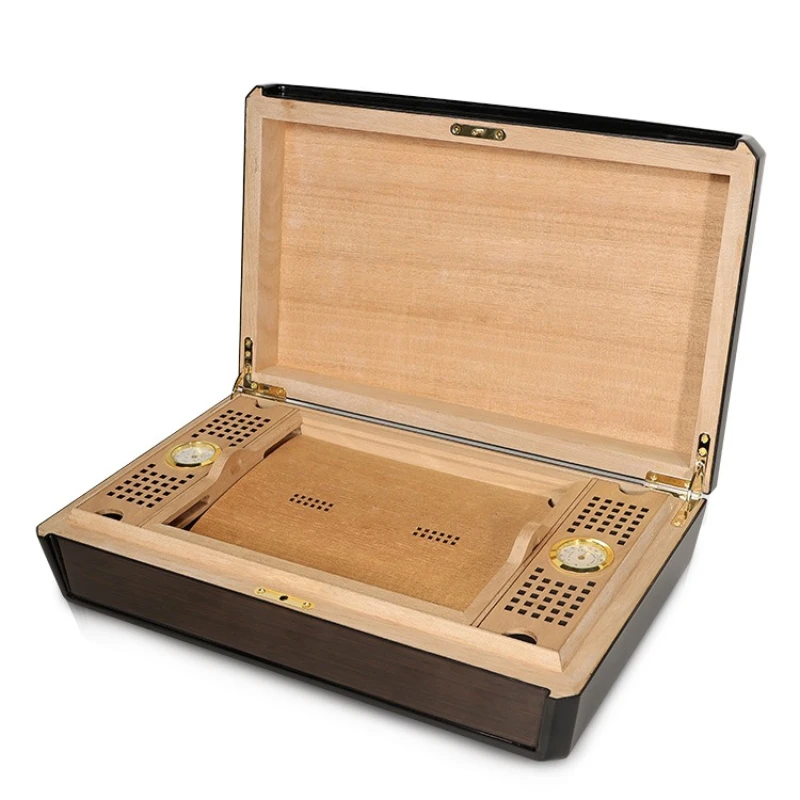
I have watched cigar brands source tobacco from different regions while I build their wooden boxes. I see how they choose leaves from Nicaragua for strength, from the Dominican Republic for smoothness, and from Honduras for earthy tones. These choices create real cost differences.
Region Matters
Tobacco farms in famous regions work with strict control. Each leaf goes through fermentation and sorting. This careful work adds cost. A Nicaragua puro and a Dominican blend may look similar to beginners, but they have different growing and production costs.
Brand Matters
Stronger brands invest more in aging rooms, master blenders, and marketing. These expenses lift the retail price. Many buyers pay for trust and flavor consistency.
Size Matters
A larger cigar uses more tobacco and more rolling time. A Churchill or Toro costs more than a Robusto, even in the same brand.
Cost Example Table
| Factor | Low Impact | High Impact |
|---|---|---|
| Brand | New or unknown brand | Premium or heritage brand |
| Tobacco Origin | Local or bulk-sourced | Named regions with strict grading |
| Size | Small cigars | Large ring gauge long-format cigars |
| Aging | Minimal | Multi-year aging process |
When I help brands design wood boxes for cigars, I often start with their tobacco choice because it usually explains more than half of the price gap. Buyers care about this because it helps them see value behind the numbers.
How do small packs (3-packs, 5-packs) compare in cost to full boxes or bundles?
Some buyers think small packs are always cheaper, but they feel confused when the cost per cigar is higher.
Small cigar packs cost more per cigar, but they help buyers try new blends without buying a full box. Full boxes offer better value per cigar because manufacturers reward volume.
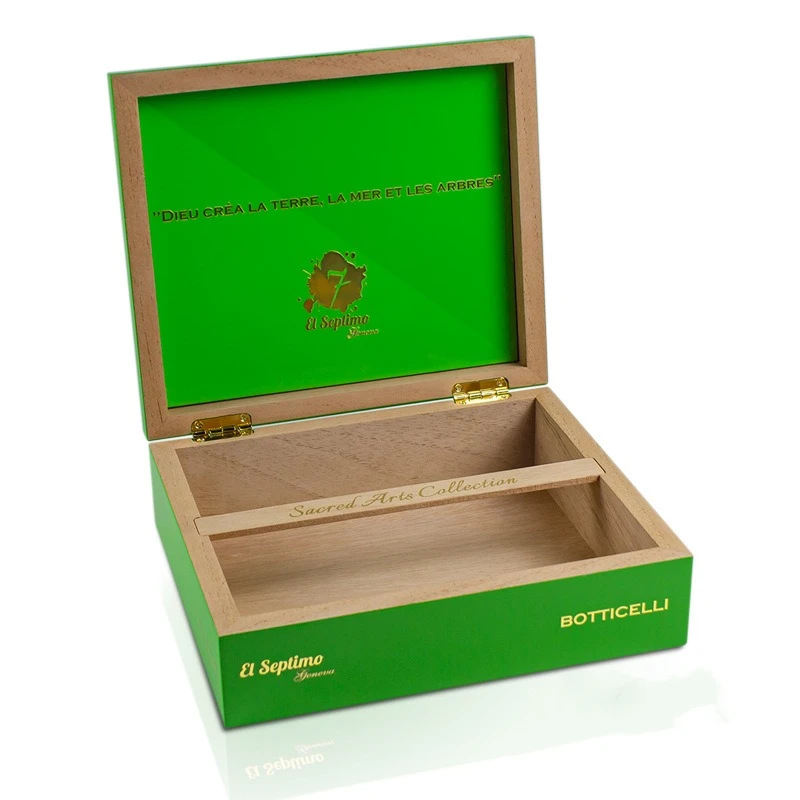
I see this pattern all the time when brands plan their packaging orders. They offer box deals because boxes move faster in wholesale. Small packs target beginners or stores with fast turnover.
Why Small Packs Cost More Per Cigar
Small packs need more packaging per unit. They use shrink wrap, labels, and sometimes small wooden or cardboard boxes. These steps increase the unit cost. Makers also pack small quantities less efficiently on production lines.
When Small Packs Make Sense
Small packs are perfect for beginners who want to try a cigar without buying twenty of them. They also work for buyers who want quick gifts.
Why Boxes Offer Better Value
Box production runs are large and smooth. Skilled rollers can keep a consistent pace. Brands save money and pass part of that savings to buyers.
Example Cost Breakdown
| Pack Type | Typical Price | Price per Cigar | Best For |
|---|---|---|---|
| 3-Pack | $12–$25 | Higher | Trying new blends |
| 5-Pack | $20–$60 | Medium | Small collections |
| Full Box (20) | $120–$250 | Lower | Regular smokers or collectors |
When I design cigar boxes, buyers often tell me they prefer full boxes because the presentation matches the premium feel. They want a good price per cigar and a strong unboxing moment.
Many beginners misunderstand why a $3 pack exists next to a $40 pack.
Machine-made cigars stay cheap because they use chopped tobacco and homogenized wrappers. Hand-rolled cigars cost more because skilled rollers use whole leaves, long fermentation, and precise craftsmanship.
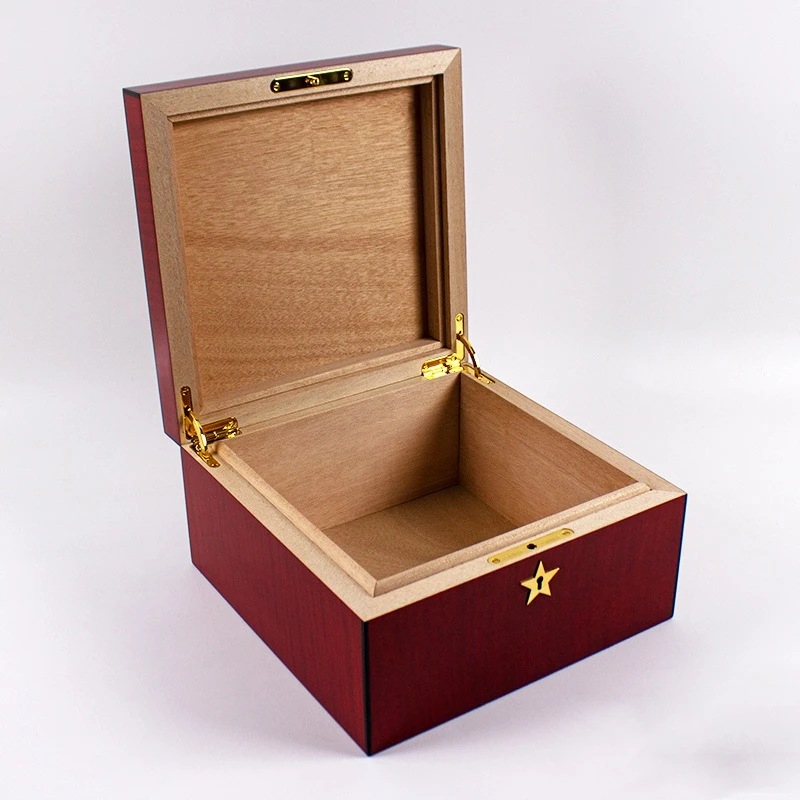
I have visited factories for both types. The difference is huge.
Machine-Made Production
Machine-made cigars use tobacco scraps. These scraps mix with binders to form filler. The wrapper comes from compressed tobacco sheets. Machines work fast. Thousands roll in minutes. This cuts labor cost.
Hand-Rolled Production
Hand-rolled cigars start with sorted long-filler leaves. Workers spend years training. They roll each cigar by hand. The leaves ferment for months or even years. Makers check every cigar again and again.
Cost Structure Table
| Feature | Machine-Made | Hand-Rolled |
|---|---|---|
| Filler | Short, chopped | Long, whole leaves |
| Wrapper | Homogenized sheet | Natural leaf |
| Labor | Automated | Skilled handwork |
| Flavor | Simple | Complex |
| Price | Very low | Medium to high |
I make wooden cigar boxes for premium brands, so I see how much they invest in storage, humidity control, and aging. This attention to detail raises cost but also flavor quality. Serious cigar fans accept this difference.
How do taxes, import duties, and local regulations influence the final retail price?
Buyers sometimes feel shocked when cigars cost double the usual price in some countries.
Taxes and import rules add large costs to cigar packs. Some regions charge heavy excise taxes on tobacco. These fees raise retail prices even when the base cigar cost stays low.
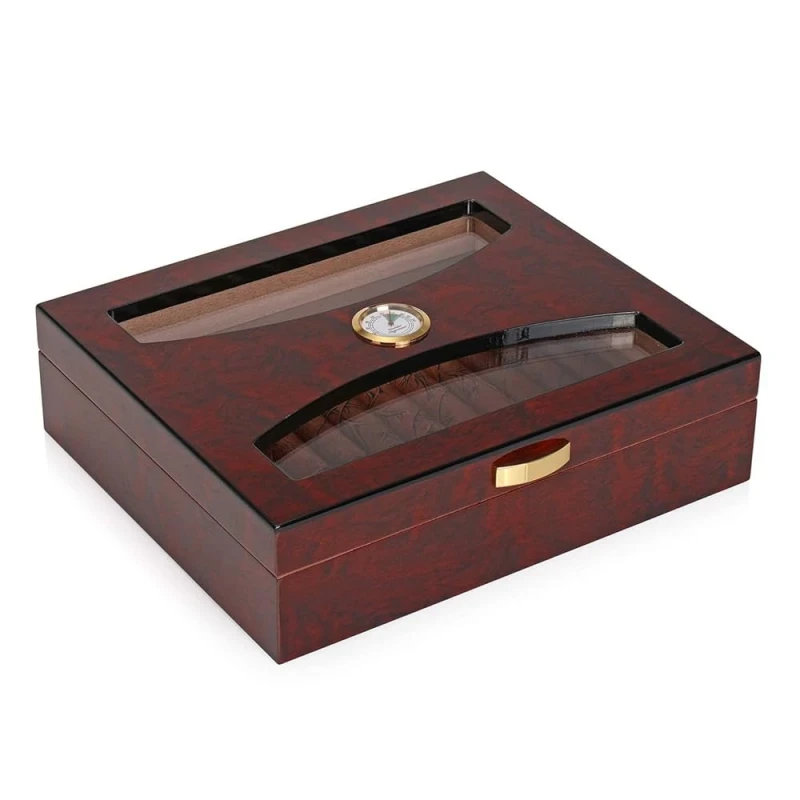
I often help export clients plan their packaging shipments, so I see tariff details often. Each country sets different rules.
Common Cost Adders
- Import duty on tobacco goods
- Excise tax per cigar
- VAT or sales tax
- Licensing fees for tobacco retailers
Example:
A $30 pack can become $45 or even $60 after taxes in some countries. Buyers think the brand raised the price, but the government adds the cost.
Table: Tax Impact
| Region | Tax Level | Price Effect |
|---|---|---|
| USA | Medium | Moderate increase |
| Europe | High | Strong increase |
| Australia | Very High | Very strong increase |
I always tell new buyers that taxes can change final prices more than packaging or materials. Many importers ignore this at first and get surprised later.
What should beginners expect to spend for a good-quality cigar pack without overspending?
I have seen many beginners buy too expensive packs because they think cost means quality.
Beginners can enjoy good cigar packs for $15–$30. These packs offer balanced flavor and solid construction without the premium price of aged or rare cigars.
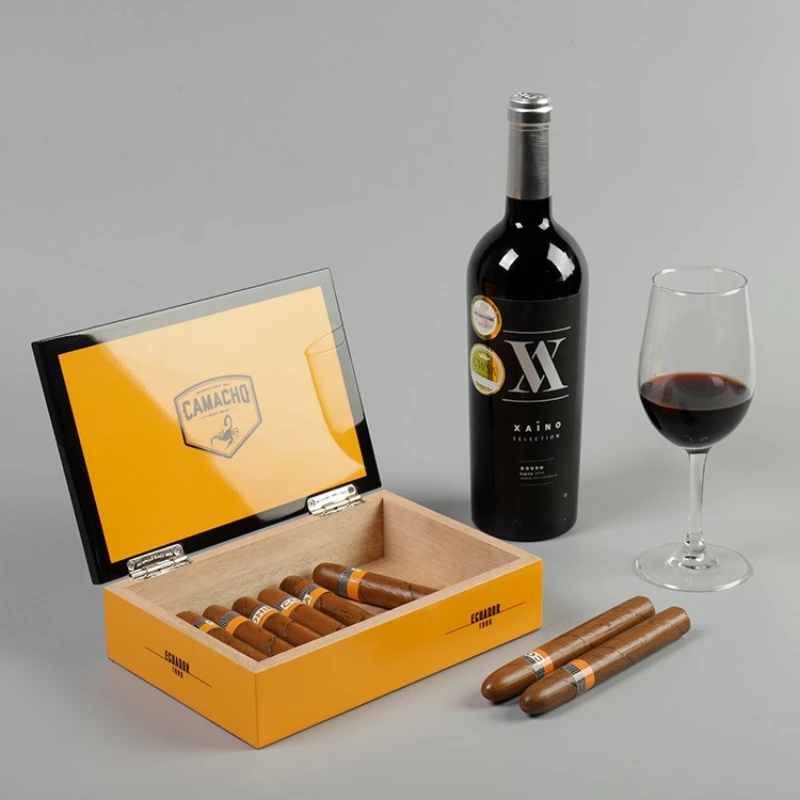
When I work with cigar enthusiasts who buy my boxes, many tell me they started with simple sampler packs. They liked the chance to try different strengths and sizes.
What Beginners Should Look For
- A 3-pack or 5-pack from a trusted brand
- Medium strength
- Consistent construction
- Natural wrapper
What to Avoid
- Very cheap machine-made packs when searching for flavor
- Very strong blends
- Rare limited editions with high prices
Beginner Budget Table
| Budget | Suggested Pack Type | Reason |
|---|---|---|
| $10–$20 | Starter samplers | Easy to explore |
| $20–$35 | 5-packs from known brands | Good balance of cost and flavor |
| $40+ | Premium selections | Only when you feel ready |
Most beginners feel happy when they start small. They learn their taste. They enjoy the moment more. They avoid wasting money.
Conclusion
A cigar pack can fit any budget when you understand what drives the cost.
Brand Name: WoodoBox
Slogan: Custom Wooden Boxes, Crafted to Perfection



 English
  Español
  Português
  Deutsch
  Français
  Italiano
  العربية