跳到内容
跳到内容 
I know many beginners feel nervous when they light a cigar for the first time, because one wrong move can ruin the flavor fast.
Lighting a cigar as a beginner is simple when you control heat, use the right tools, and warm the foot slowly. This gives you better flavor, an even burn, and a smooth start.
I want to show you how a few steady steps can turn this moment into an easy ritual that sets the tone for a great smoke.
Why does lighting technique matter so much for flavor, burn quality, and the whole smoking experience?
I see many beginners rush the lighting step, and this small mistake creates harsh flavors and uneven burns that ruin the cigar.
Good lighting technique matters because heat control shapes the first flavors, sets the burn line, and decides if the cigar stays smooth or becomes bitter.
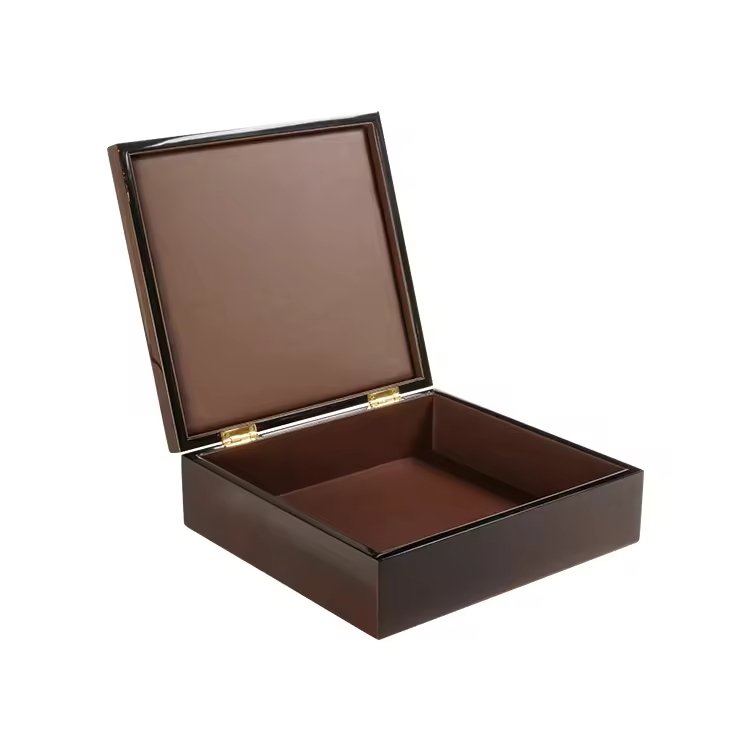
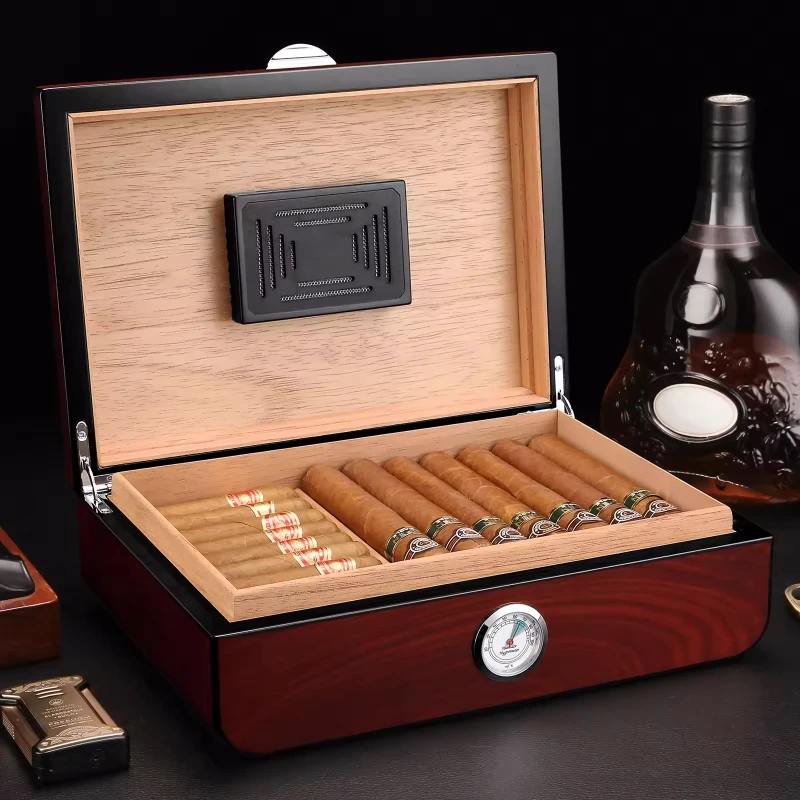
When I talk with cigar buyers while designing high-end wooden cigar boxes, I hear the same story again and again. The first few puffs decide if the cigar feels balanced or unpleasant. I learned this from experienced smokers who explained how tobacco reacts to heat. I started testing their advice on my own cigars. I noticed that a slow start always produced cleaner flavors.
Heat affects flavor
A cigar burns through layers of tobacco that the blender arranged on purpose. When the flame hits too hard, the oils burn too fast. The smoke becomes sharp. A gentle start keeps these oils intact.
Heat sets the burn line
A good burn line is thin and even. If you overheat one side of the foot, the cigar canoes. You then need to relight or touch up the burn, which changes flavor again.
Heat shapes the whole mood
A rushed light feels stressful. A slow light feels calm. Many cigar lovers treat it as part of the ritual. I learned to enjoy this quiet moment before the smoke begins.
Here is a simple table that shows how technique affects flavor and burn:
| Lighting Style | Flavor Result | Burn Result |
|---|---|---|
| Slow, gentle heat | Smooth and clean | Even burn line |
| Strong, direct heat | Bitter and sharp | Uneven burn |
| Flame touching tobacco | Scorched notes | Wrapper damage |
Good lighting becomes a habit. Once you feel the difference, you never go back to rushing.
What tools—torch lighter, soft flame, matches—are easiest for beginners to use?
Many beginners bring the wrong lighter, and this creates stress before they even start.
The easiest tool for beginners is a single-torch butane lighter because it gives steady heat, good control, and works well outdoors.
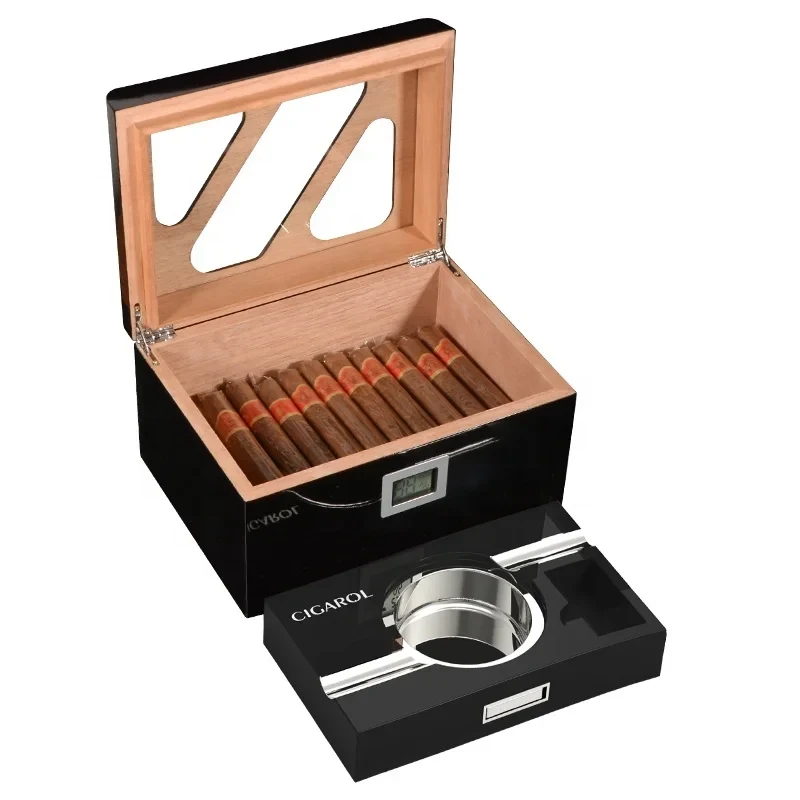
When I tour factories or meet cigar buyers for wooden box projects, I always carry a simple torch lighter. It never fails me, even in a windy yard. Beginners often ask which tool they should buy. I tell them it depends on the setting and their comfort level.
Torch Lighter
A single-jet torch is ideal. It gives a focused flame that avoids overheating. Multi-jet torches burn too hot for beginners. A torch works well outside and offers good control.
Soft Flame Lighter
A soft flame gives gentle heat. It is great for flavor but harder to use outdoors. You must keep the flame close but not touching the cigar. It is perfect for an indoor lounge.
Wooden Matches
Long wooden matches also work well. Let the sulfur burn off first. The flame is soft, so it feels natural for beginners who want more control. The downside is wind and short burn time.
Here is a quick comparison for easy reference:
| Tool | Difficulty Level | Best For | Downsides |
|---|---|---|---|
| Single-torch lighter | Easiest | Outdoor and indoor | Still can overheat if too close |
| Soft flame lighter | Medium | Indoor lounges | Wind sensitive |
| Wooden matches | Medium | Calm indoor use | Burns out quickly |
Most beginners start with a single torch because it keeps the lighting process clean and simple.
How do you toast the foot of the cigar properly before taking the first draw?
Many beginners skip the toasting step, and this makes the cigar burn uneven from the start.
To toast the foot, hold the flame slightly away from the cigar, rotate slowly, and warm the edges until they glow without touching the flame.
When I learned to smoke cigars from old friends in the industry, they always told me to “warm it like bread.” This made sense to me. You never burn bread directly. You warm it slowly until it opens up. Tobacco works the same way.
Step-by-step toasting
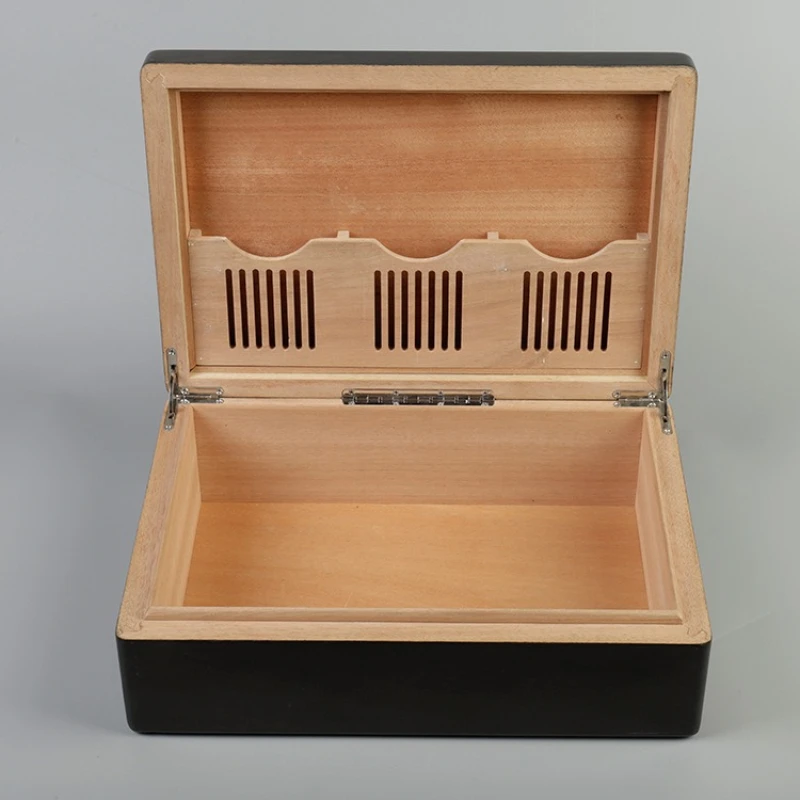
I use simple steps that I teach many of my clients who buy our wooden cigar boxes for their premium cigar lines.
1. Hold the cigar at a slight angle
This helps you see the foot clearly. It also avoids overheating the wrapper.
2. Keep the flame a short distance away
I keep the flame about 1–2 cm from the foot. This distance warms the tobacco without burning it.
3. Rotate slowly
Rotation is important. It makes sure every part of the foot heats evenly.
4. Look for a soft glow
When the foot glows orange, you know the cigar is ready for the first draw. You should not see dark unlit spots.
Why toasting works
Toasting preheats the tobacco. This prepares the cigar for a smooth first puff. It also locks in the flavor balance that the blender created. It gives you a clean burn line from the start.
Many cigar beginners have told me that their smoking experience improved instantly once they learned this step.
What steps help create an even, steady burn without scorching the wrapper?
Beginners often struggle with uneven burns because they rush the flame or puff too hard.
You can create an even burn by rotating the cigar, keeping the flame at the right distance, and taking slow, steady first draws.
I saw this many times while working with cigar brands that order wooden cigar boxes from us. Their brand managers often smoke cigars during meetings. I watched how they lit cigars with patience. These simple movements give a clean burn every time.
Steps for an even burn
1. Keep the flame slightly away
This avoids wrapper scorching. The wrapper leaf is thin and sensitive. It shapes much of the flavor. If you burn it, you lose sweetness.
2. Rotate during lighting
Rotation spreads heat evenly. Without rotation, one side burns faster than the other.
3. Take slow draws
Hard pulls bring too much heat into the cigar. Slow draws keep the burn stable.
4. Check the burn line early
If you see a small unlit corner, touch it up with a quick heat pass. Do not blow on it. Just warm it gently.
Why these steps matter
A cigar burns best when the temperature stays stable. Quick movements or strong heat break this balance. A good burn enhances flavor, reduces relights, and gives you a relaxing rhythm.
Here is a simple table that shows what helps and what hurts burn quality:
| Action | Burn Result |
|---|---|
| Slow rotation | Even burn |
| Flame too close | Scorched wrapper |
| Strong draws | Hot smoke |
| Gentle draws | Cool, smooth burn |
A steady burn always begins with a calm lighting process.
What common beginner mistakes lead to uneven burns or harsh flavors, and how can you avoid them?
Many beginners feel frustrated because their cigars burn sideways or taste bitter after a few puffs.
Common mistakes include using too much heat, drawing too hard, skipping the toast, or lighting in windy places. You can avoid them with slow, steady control.
I heard these stories many times from new cigar lovers who order wooden cigar boxes from us. They enjoy cigars but often say their first attempts felt rough. After some guidance, they fix the issues fast.
Mistake 1: Pushing the flame into the cigar
This burns the wrapper. Keep the flame close but not touching.
Mistake 2: Puffing too hard
Strong draws overheat the core. Heat pulls bitterness from the tobacco.
Mistake 3: Lighting in a windy area
Wind pushes the flame into the cigar. It creates uneven burns. Move to a calm spot.
Mistake 4: Rushing the toast
If the foot is not warmed evenly, the cigar will canoe or tunnel.
Mistake 5: Using a multi-jet torch
Three or four jets burn hot. Beginners lose control easily.
How to avoid these mistakes
Here is a simple guide for beginners:
| Mistake | Fix |
|---|---|
| Flame touching tobacco | Hold flame 1–2 cm away |
| Drawing too hard | Take slow, gentle puffs |
| Wind exposure | Light indoors or shield the flame |
| Uneven toast | Rotate slowly before first draw |
| Hot multi-jet torch | Use a single-torch lighter |
When beginners correct these details, the cigar becomes more enjoyable right away.
Conclusion
Lighting a cigar becomes easy when you slow down, control heat, and let the tobacco open up naturally.


 English
  Español
  Português
  Deutsch
  Français
  Italiano
  العربية