跳到内容
跳到内容 
I know how confusing cigar pairings can feel when flavors clash or fall flat. Many people pick a drink that sounds right but ruins the cigar experience.
The best drink for a cigar is the one that balances strength, sweetness, and aroma without overpowering the tobacco. Whiskey, rum, coffee, and wine all work when their bodies match the cigar’s intensity.
I learned this through years of talking with cigar makers and premium brands while producing custom wooden cigar boxes. Each conversation showed me that pairing is not about rules. It is about balance and mood. Let me show you how to find the right match.
How do different cigar strengths pair with drinks like whiskey, rum, coffee, or wine?
I meet many people who struggle because their drink is too strong for their mild cigar or too light for their full-bodied cigar.
Strong cigars pair best with bold spirits like bourbon or aged rum, while mild cigars work better with light drinks such as coffee, tea, or soft wines. This keeps flavors in balance and avoids harsh clashes.
When I help brand clients choose packaging for their cigars, they often ask about drink pairings for marketing ideas. So I break down cigar strength the same way I break down wood finishes: heavy needs support, light needs space. This thinking helps you understand why certain drinks match better with certain cigars.
Strength Basics
| Cigar Strength | Typical Flavors | Best Drink Match | Why It Works |
|---|---|---|---|
| Mild | Creamy, nutty, light spice | Light coffee, white wine, tea | Soft drinks don’t crush delicate tobacco |
| Medium | Cocoa, earth, toast | Rum, medium red wine, cappuccino | Balanced weight on both sides |
| Full | Pepper, leather, dark earth | Bourbon, single malt, aged rum | Strong drink opens deeper cigar layers |
Dive Deeper
A mild cigar sits close to your palate. It gives gentle notes like nuts, cream, or soft spices. A heavy spirit like barrel-proof whiskey will burn through these layers. It feels the same as pouring strong varnish on a thin veneer—everything gets hidden. That is why light drinks work better. A soft coffee or bright white wine lets the cigar stay the focus.
A medium cigar allows more options. I often suggest rum because rum carries natural sweetness that lifts cocoa or earthy notes. The balance feels natural. I see this often when clients select medium-strength cigars for corporate gifts. Rum pairings make the flavor experience smooth and flexible, just like mid-grade veneers that fit many design styles.
A full-bodied cigar demands something firm. Here I always think about woodworking. Thick, dense hardwood needs a strong tool. A bold cigar needs a bold drink. Bourbon or aged rum does this well. The alcohol opens the heavy tobacco oils. You feel pepper, leather, and deep earth more clearly. If you pair a full cigar with a soft drink, the cigar becomes too dominant, and the drink tastes weak.
Pairing by strength is like pairing the right material with the right finish. When weight matches weight, the result feels natural and complete.
Why do certain spirits enhance cigar flavors while others overpower them?
People often tell me their cigar tastes bitter or thin when paired with the wrong drink. The problem is not the cigar. It is imbalance.
Spirits enhance cigar flavors when their sweetness, body, and aroma match the tobacco’s intensity. Drinks overpower cigars when alcohol heat or strong flavors hit harder than the smoke.
I once joined a tasting event hosted by a cigar brand we made boxes for. They served a strong Honduran cigar with a very smoky Islay whisky. Everyone expected it to work. It did not. The peat destroyed the cigar’s subtle sweetness. That night taught me that power alone does not guarantee harmony.
Key Flavor Factors
1. Alcohol Heat
High-proof spirits give sharp heat. This can sharpen or destroy cigar notes depending on the cigar’s body.
2. Sweetness
Sweet drinks open up natural tobacco oils. This is why rum works with almost everything.
3. Aroma
Strong aromatic spirits can fight the cigar. Heavy smoke plus heavy peat becomes noise.
Dive Deeper
A spirit enhances a cigar when its sweetness lifts flavors instead of hiding them. Rum is one of the most forgiving drinks because it brings sugar-based depth. This sweetness interacts with the cigar’s oils and helps release cocoa, spice, and fruit notes. In woodworking terms, sweetness acts like a soft lighting choice that highlights wood grain instead of washing it out.
Alcohol heat is another factor. Many people assume more heat means more flavor. But heat is not flavor. Heat is pressure. Heat can push flavors forward, but it can also burn away detail. A medium cigar may lose its spice when paired with something too hot. When I smoke and test different drinks, I look for heat that matches the cigar’s natural push. If the cigar already gives pepper and earth, a high-proof bourbon works. If the cigar leans creamy or floral, a softer spirit gives a better balance.
Aroma matters too. Tobacco has its own scent profile. When a drink brings heavy aroma—like peat, botanical gin, or spiced liquor—there is risk of conflict. The two aromas mix in your nose and confuse the senses. I treat aroma the same way I treat finishing smells in the workshop. Strong varnish next to soft wood scent never feels right. Harmony starts in the nose before it reaches the tongue.
Understanding these factors helps you choose spirits not by popularity but by balance.
How does the time of day—morning, afternoon, late evening—affect which drink pairs best?
Many beginners ignore timing, but timing changes everything. A morning palate is soft and clean. A late-night palate is tired and heavy.
Morning pairs best with mild cigars and gentle drinks like coffee or tea. Afternoon works with medium cigars and flexible drinks. Evening is ideal for full cigars and bold spirits.
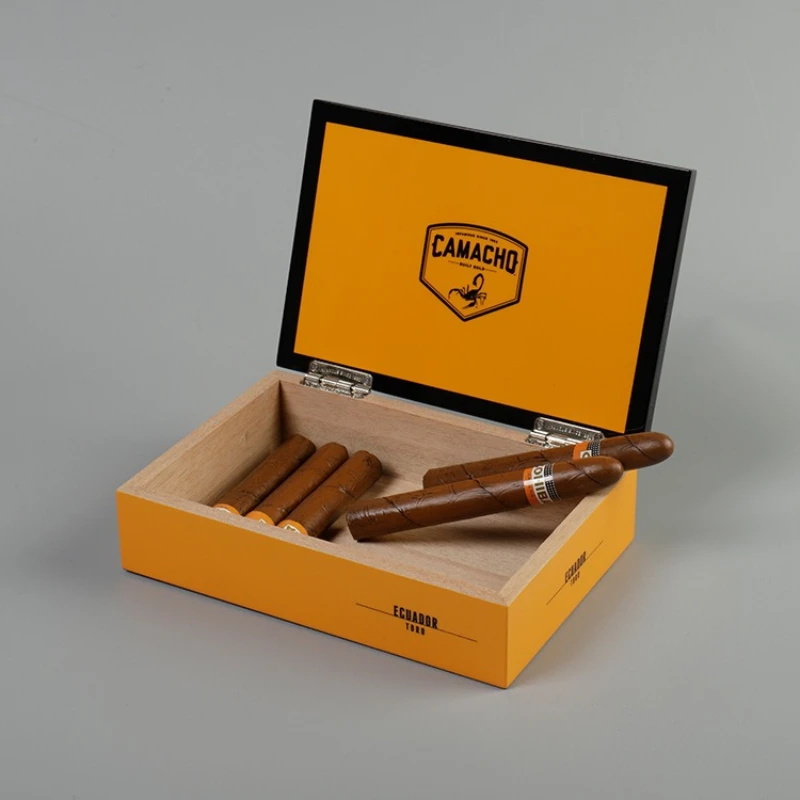
I smoke test samples of cigar box projects at different hours to understand how aroma shifts. The same cigar tastes different at 8 a.m. and 8 p.m.
Time of Day and Pairing Table
| Time | Drinks | Cigar Type | Reason |
|---|---|---|---|
| Morning | Coffee, tea | Mild | Palate is clean and sensitive |
| Afternoon | Wine, rum, espresso | Medium | Palate needs balance and lift |
| Evening | Whiskey, aged rum | Full | Body can handle intensity |
Dive Deeper
In the morning, your senses rest overnight. Flavors feel sharper. A strong cigar or strong drink hits too hard. It is the same as sanding with a coarse grit first thing in the morning: you remove too much too fast. That is why I reach for black coffee and a mild cigar. The mild smoke warms slowly, and the coffee supports it without biting the tongue.
In the afternoon, your palate adjusts. Food, air, and movement make your taste less sensitive but still responsive. Medium cigars shine here. A glass of wine or a balanced rum brings round flavors without overwhelming the senses. I often schedule cigar testing in the afternoon because I get the most realistic reading of the flavor layers.
In the evening, your palate is relaxed. You can handle more weight. This is the best time for bold cigars and bold spirits. Bourbon, aged rum, or dark wine interacts deeply with heavy tobaccos. This combination feels satisfying and calm. Many cigar lovers choose evening sessions for this reason. It becomes a whole ritual.
Understanding timing helps you avoid harsh experiences and find smoother, more enjoyable matches.
What role do body, sweetness, and aroma play in creating a balanced cigar-and-drink pairing?
Many smokers think flavor alone determines pairing, but flavor is only part of the formula.
Body, sweetness, and aroma decide how cigar smoke and drink structure mix. When these elements match, the pairing feels smooth and complete.
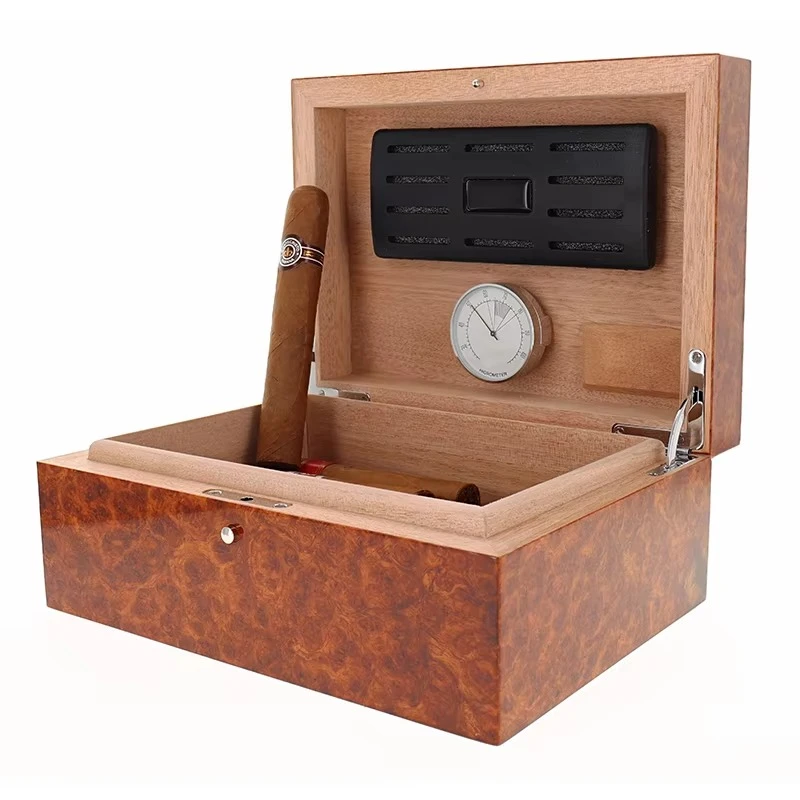
My years of crafting luxury cigar boxes taught me to analyze things in layers—wood texture, lacquer depth, fabric softness. Pairings work the same way. You match layers, not single notes.
Core Elements
Body
Weight and intensity in the mouth.
Sweetness
Softness that rounds sharp edges.
Aroma
Scents that rise before flavor arrives.
Dive Deeper
Body sets the foundation. A light-bodied drink cannot carry a heavy cigar. The stronger cigar will flatten the drink. A heavy drink with a mild cigar creates the opposite problem, drowning subtle tobacco notes. Body is like box structure. Thin walls cannot support a heavy lid. Both sides need balance.
Sweetness plays a stabilizing role. Tobacco has natural oils. These oils respond well to sugar-based sweetness from rum, port wine, or even latte-style coffee. Sweetness opens the cigar’s inner layers and exposes cocoa, spice, or fruit. When pairing, I always test sweetness the same way I test lacquer gloss—too much feels artificial, too little feels dry.
Aroma decides the first impression. You smell before you taste. If the drink has strong aroma—like peat or botanicals—it may clash with the cigar’s smoke. Tobacco aroma shifts with heating. A harmonious drink lifts these scents rather than fighting them. When I design packaging, I avoid materials with strong odor. The same principle applies here.
Balance comes when body, sweetness, and aroma support each other instead of competing. When it happens, both cigar and drink taste fuller and richer.
How can beginners experiment with pairings to discover what matches their personal taste?
Most beginners feel pressure to follow expert rules. But pairing is personal.
Start simple: match cigar strength with drink body, test one variable at a time, and take small notes. This helps beginners learn their own preferences without confusion.
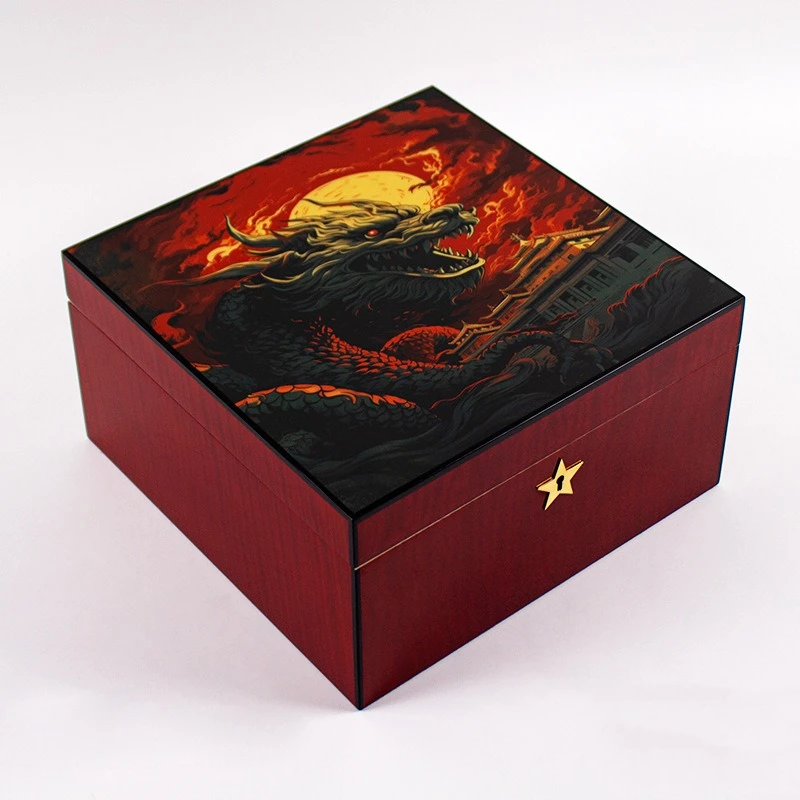
I often guide new buyers who design custom cigar boxes for their brands. They ask how to teach customers about pairings. I always say the same: keep it simple and let people explore.
Beginner Tips
Step 1: Start With Balance
Mild + light drink, medium + medium drink, full + bold drink.
Step 2: Change One Thing
Shift sweetness, strength, or aroma slowly.
Step 3: Take Small Notes
Record what feels smooth or rough.
Dive Deeper
Beginners often jump between very different cigars and very different drinks. This makes learning slow. The secret is to change one thing at a time. Keep the cigar the same and change the drink. Or keep the drink the same and change the cigar. This isolates the variable. It is the same method I use when testing new lacquer formulas. I adjust one layer at a time to see the pure effect.
Start with a simple pairing. For example, choose a medium cigar and a medium rum. Smoke slowly. Then try the same cigar with a wine or coffee. Notice how sweetness feels. Notice how aroma changes. Notice how body shifts. These small steps build your sense of taste.
Take small notes. You don’t need complex tasting language. Write simple words like “smooth,” “sharp,” “sweet,” or “flat.” These notes help you understand your habits. Over time, you will see patterns. Some people always prefer sweetness. Some prefer contrast. Some prefer soft drinks with strong cigars.
Experimenting should feel fun. When you understand your taste, every pairing becomes simpler and more enjoyable.
Conclusion
The right cigar-and-drink pairing is about balance, timing, and personal taste. Explore slowly and enjoy the journey.
WoodoBox — Custom Wooden Boxes, Crafted to Perfection

 English
  Español
  Português
  Deutsch
  Français
  Italiano
  العربية