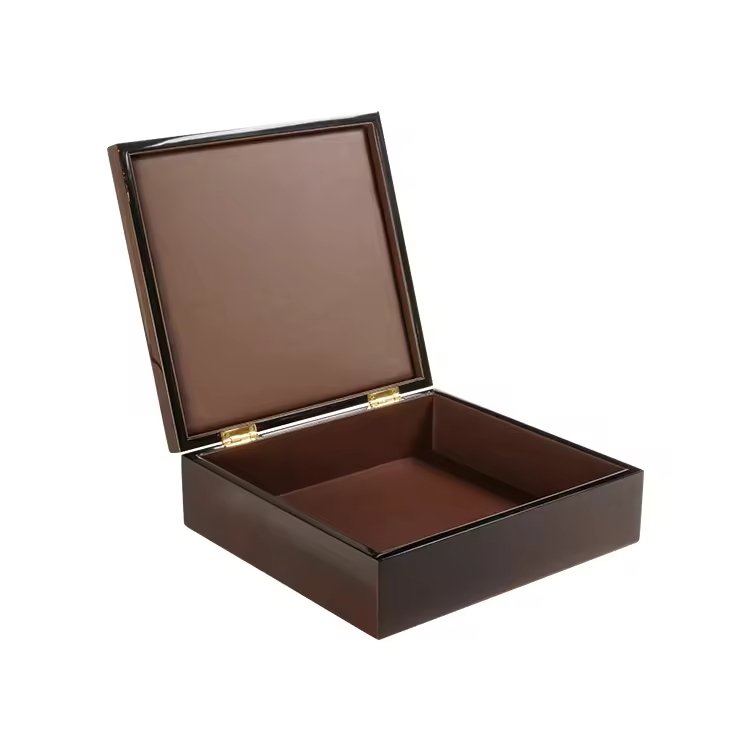

I know how stressful a small cig burn can be, because the damage looks small but feels permanent, and many people do not know where to start.
You can fix a cig burn in a car by checking the burn depth first, then choosing a simple DIY patch for cloth seats or using fillers for leather and vinyl. Professionals help when the burn is deep or color-matching is hard.
I will walk you through each step in a simple way, so you understand what to fix, how to fix it, and when to get professional help.
How can you assess the size and depth of a burn to decide the right repair method?
A tiny burn can look simple, but it may hide deeper damage that spreads slowly and becomes harder to repair.
You can assess a cig burn by checking its diameter, inspecting the melted edges, and gently pressing the material to see how deep the damage goes. This helps you choose a repair that matches the burn level.
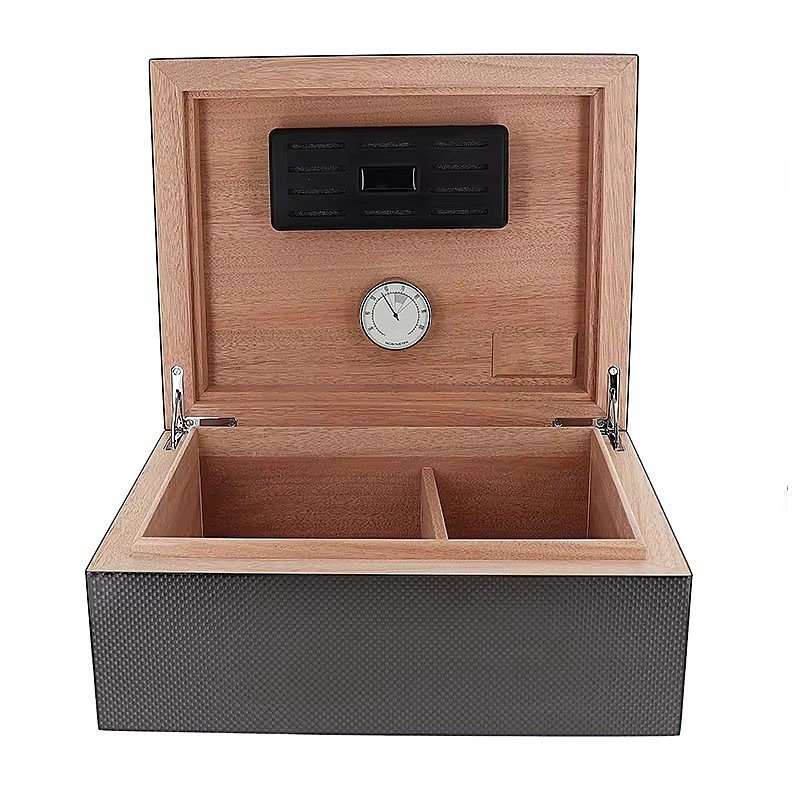
When I look at a cig burn, I always slow down and check the real damage. I do this even when I fix a damaged cigar-box surface in my workshop. The same idea works in a car. A tiny spot on the top layer does not always tell the truth. You must understand the burn before you choose the repair.
Key signs to check
| Burn Sign | What It Means | Best Repair Approach |
|---|---|---|
| Small surface hole | Only top fibers burned | Simple DIY trim and fill |
| Hardened melted rim | Heat spread slightly | Patch or adhesive work |
| Soft, deep dip | Material melted through | Needs filler or panel replacement |
| Discoloration around burn | Heat traveled farther | Professional color-blend |
What I do first
I look at the hole carefully. I check if the burn is round or uneven. I touch the edges lightly. If the material feels rough but not cracked, the burn is shallow. If it feels brittle or the hole grows when I touch it, the burn is deeper.
Why this step matters
A burn on a cloth seat can look like a tiny dot, but the fibers inside may be damaged in a larger area. Leather and vinyl react differently. Heat makes them shrink and harden, so a small hole may actually mean the entire area is weak.
I learned this when I repaired my own car years ago after a friend dropped a cigar nub on the seat. The hole looked small, but when I pressed it, the material around it started to crumble. That told me a simple patch would never hold. This experience still guides my thinking today when I design or repair wooden cigar boxes with soft-touch surfaces. Every material tells a story. You must read it before you fix it.
What simple DIY techniques help repair small burns on fabric seats or car carpets?
A small burn on cloth often scares people because the fibers look melted and messy.
You can fix small burns on cloth by trimming damaged fibers, adding matching fabric, or applying fabric adhesive to blend the area. These methods hide the hole and stop it from growing.
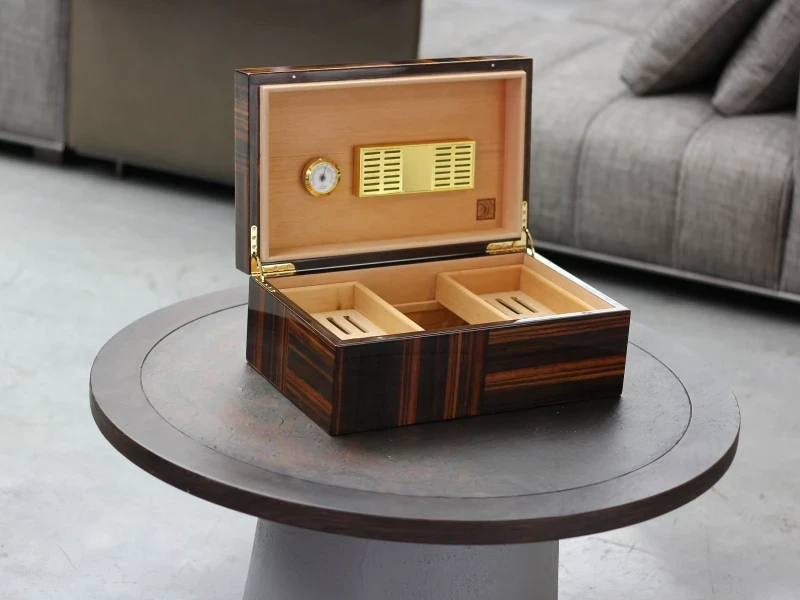
Small burns on cloth seats are usually the easiest to repair at home. Cloth is forgiving. You can cut, blend, and reshape the fibers. This is the same idea I use when I adjust velvet or felt linings inside luxury wooden boxes. Cloth has a natural ability to hide small seams if the color and texture match.
Step-by-step DIY method
1. Trim the damaged fibers
Use a small razor or scissors. Remove only the black, hardened parts. Do not cut too deep. You want to shape a clean round hole.
2. Collect matching fibers
You can gently scrape fibers from the hidden part under the seat or from an old cloth. Many car owners do this with a clean brush.
3. Add fabric adhesive
Apply a small dot of adhesive inside the hole. Press the fibers you collected into the glue. Hold them until they set.
4. Blend the surface
Use a small brush to push the fibers into place. Try to match the nap direction so the repair blends with the original seat.
Example repair table
| Burn Size | Tools Needed | Time Needed | Result |
|---|---|---|---|
| Pin-size to pea-size | Razor, fabric adhesive, loose fibers | 10–15 min | Almost invisible |
| Slightly larger | Patch kit, tweezers | 20–30 min | Visible on close look but clean |
| Deep hole | Larger patch or upholstery shop | 30+ min | Needs professional blending |
Why these methods work
Cloth has a natural "camouflage" ability. If you match the fiber density and direction, most people cannot see the repair unless they lean close. When I apply felt lining in jewelry boxes, a small mark becomes invisible after I align the fibers. The same happens inside your car.
How do repair methods differ for leather, vinyl, and cloth interiors?
Leather and vinyl make people feel stressed because these materials show damage more clearly than cloth.
Leather and vinyl need filler compounds and color-matched dye because they cannot be patched with loose fibers. Cloth can be blended easily, but leather and vinyl must be rebuilt and recolored.
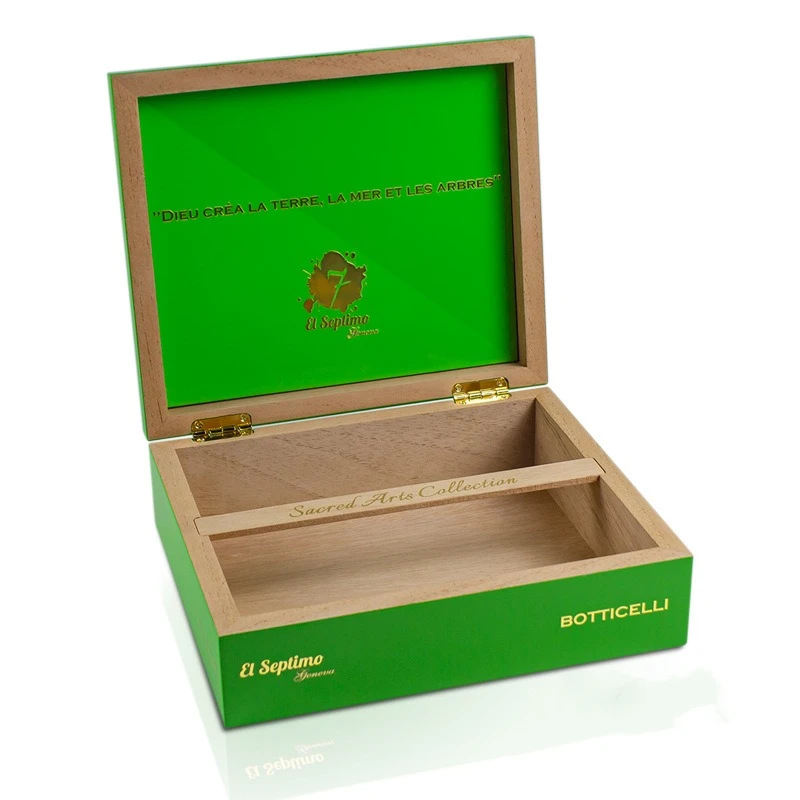
When I work with PU leather or coated wood surfaces for luxury boxes, I deal with heat marks often. These materials do not allow simple patching. They need sculpting and color matching. This is also true for car interiors.
Cloth vs. Leather vs. Vinyl
| Material | Reaction to Burn | Repair Type | Difficulty |
|---|---|---|---|
| Cloth | Fibers melt and shrink | Trim + patch + adhesive | Easy |
| Leather | Surface chars and hardens | Filler + sanding + dye | Medium |
| Vinyl | Melts into a crater | Filler + texture stamp + dye | Hard |
How leather repair works
Leather burns create a small crater. You must fill the hole with a leather compound. After it dries, you sand lightly and apply dye. The topcoat gives the shine or matte look. This takes patience. If the color is slightly off, the repair is obvious.
How vinyl repair works
Vinyl burns look worse because the edges melt sharply. You must trim the edges, add filler, heat-set the compound, and use a texture stamp. Vinyl has many textures—grain, pebble, smooth—so matching it is the hardest part.
Why these repairs feel different
Cloth is soft. Leather is natural and breathes. Vinyl is synthetic and reacts strongly to heat. Each material needs a different way to rebuild the damaged area.
In my factory, we work with both natural leather and PU leather for box coverings. The behavior under heat is different every time. This is why I understand how tricky car interior repairs can be. A 1–2 mm color difference on a leather surface is enough to ruin the repair.
When is a professional repair recommended to restore the car’s appearance properly?
Sometimes a burn looks small, but the damage inside goes deeper than you think.
You should call a professional when the burn is deep, when the seat material needs color matching, or when the surface texture is hard to rebuild. This ensures the repair blends perfectly with the original interior.

I think many people try DIY first, which is good, but some burns are simply too complex. Professionals have tools that we do not keep at home. They use industrial fillers, color-matching systems, and texture pads. These create a clean finish.
Signs you need a professional
1. The hole is larger than a coin
This usually means the burn reached inner layers.
2. The material has a detailed texture
Leather grain or vinyl patterns are hard to copy.
3. The color has multiple tones
Modern seats often use blended colors.
4. You see cracks around the burn
Heat damage spread farther than the hole.
What a professional can do better
| Task | DIY | Professional |
|---|---|---|
| Color matching | Difficult | Precise |
| Texture stamping | Basic kits only | Full matrix options |
| Large area repair | Not possible | Full restoration |
| Final finish | Often uneven | Seamless |
Professional repairs usually take 30–60 minutes. They cost more, but they save the seat from future cracking. When I produce wooden boxes for high-end spirits brands, I often hire leather artisans to repair sample surfaces before color testing. Their work always looks cleaner than anything I can do alone.
What preventative habits help avoid future burns and keep the interior looking clean?
Most cig burns happen when you are relaxed, distracted, or driving.
You can prevent future burns by using ashtrays, avoiding smoking while driving, cleaning ashes quickly, and replacing weak lighters that spark. These habits protect the interior from accidental damage.
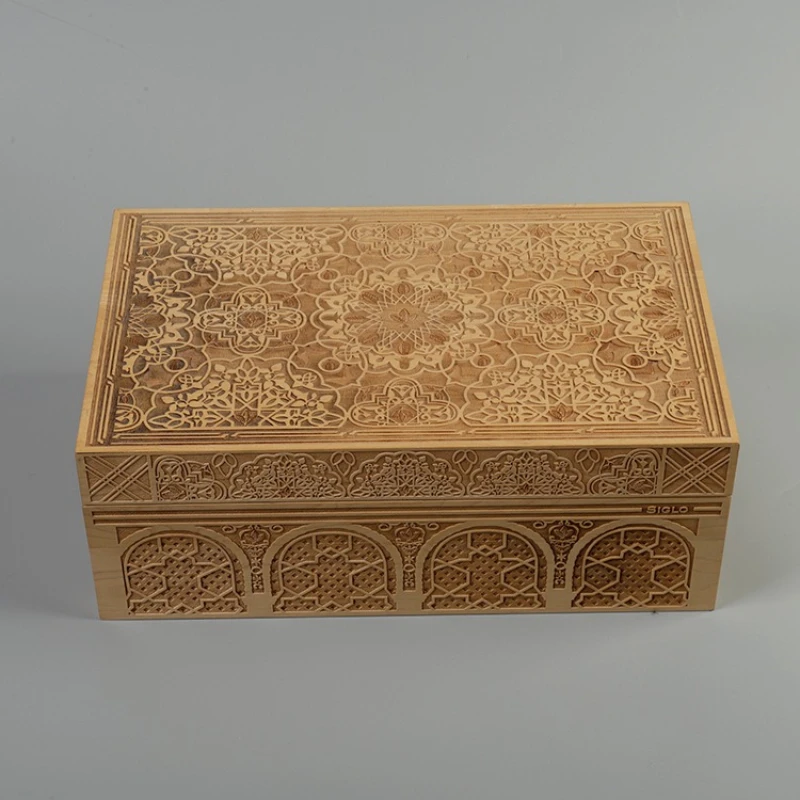
I often listen to cigar customers talk about burn accidents inside cars. Most burns happen in one of three moments: lighting a cigar, tapping ash, or holding a cigar while driving. Simple habits reduce all of these risks.
Practical prevention steps
Use a stable ashtray
Many cars no longer come with built-in ashtrays. A stable cup-holder ashtray works well.
Do not smoke while driving
This is the cause of most burns. One small bump is enough.
Avoid low-quality lighters
Cheap lighters spark or shoot a long flame.
Tap ash frequently
Ash that grows too long can fall suddenly and cause burns.
Use seat covers
They act as a shield, especially on cloth seats.
Keep windows slightly open
This helps ash move out instead of back into the cabin.
Why prevention matters
A cig burn is small, but the repair time and cost are not. I see this often when customers bring in cigar boxes that have tiny heat marks on the surface. These small marks require sanding, repainting, polishing, and sometimes recoating. The same pain applies to car interiors. One second of care prevents hours of repair.
Conclusion
Fixing a cig burn takes careful inspection, the right method, and simple habits to avoid future damage.


 English
  Español
  Português
  Deutsch
  Français
  Italiano
  العربية