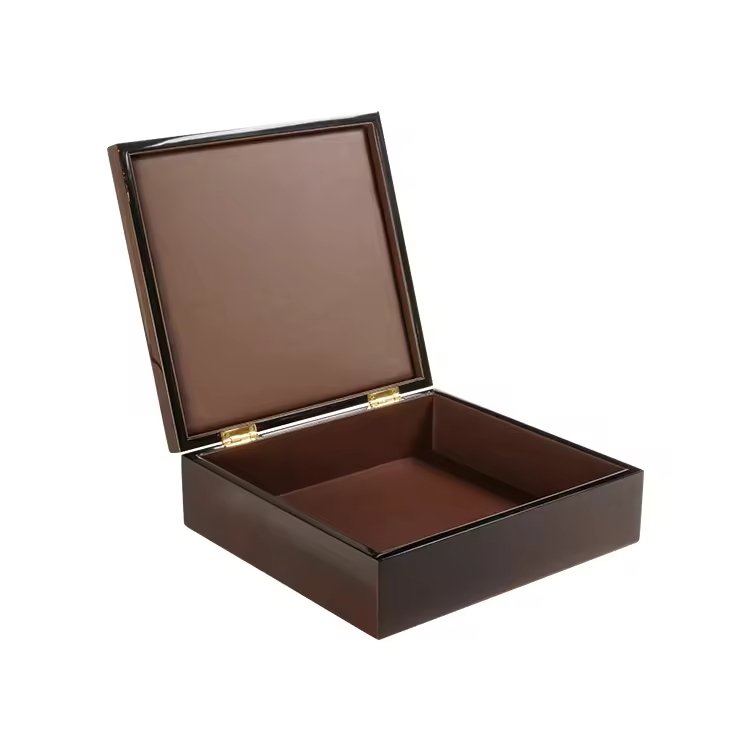
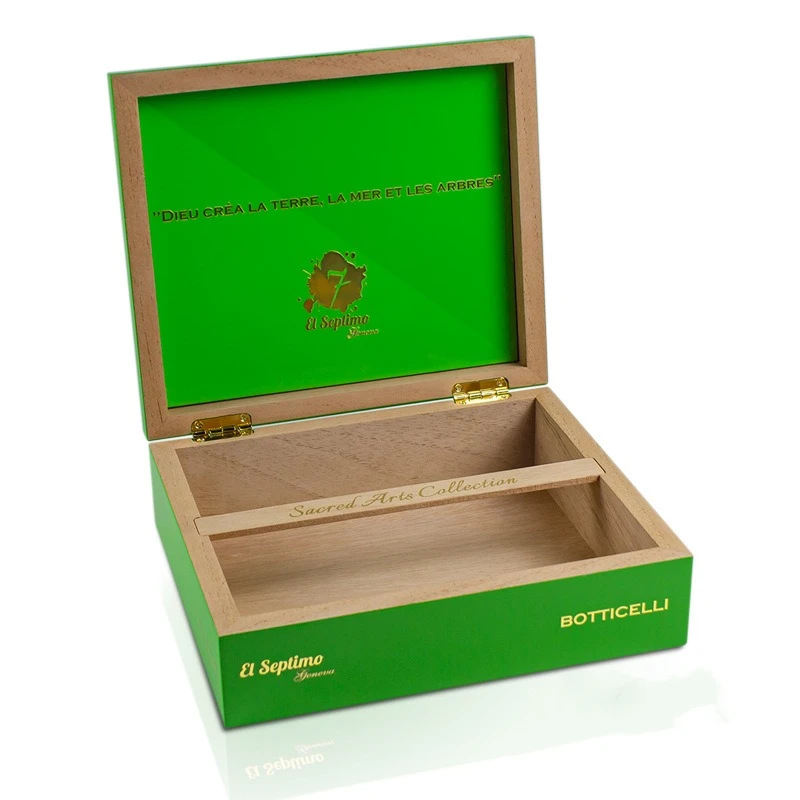
I see many cigar lovers worry about cigars drying out or aging badly because their humidor is not stable.
A cigar can last for many years in a well-maintained humidor because steady humidity and temperature protect the tobacco’s natural oils and aging process.
I want to show you how long cigars can last, why some improve with age, and what signs tell you when storage goes wrong.
What conditions inside a humidor allow cigars to stay fresh for months, years, or even decades?
I talk with many new buyers who face dry cigars because their humidor never reached the right level of balance.
Cigars last for decades when humidity stays near 65–72% and temperature stays near 18–21°C, because this stable environment protects moisture, oils, and slow aging.
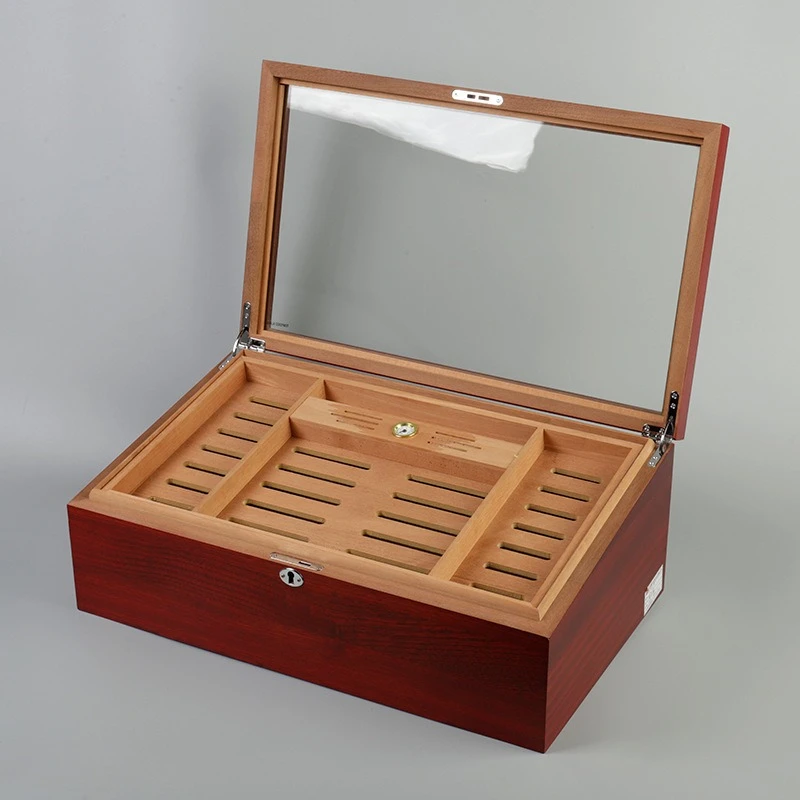
A humidor creates a small world for cigars. I learned this early in my factory when I worked with clients who stored limited-edition cigars for years. They all used the same method. They kept conditions steady. They avoided sudden changes. They avoided sunlight and heat. They used a humidor that closed well and breathed slowly.
Key Factors That Shape Long-Term Freshness
| Factor | Ideal Range | Why It Matters |
|---|---|---|
| Humidity | 65–72% | Keeps cigars moist and flexible |
| Temperature | 18–21°C | Prevents mold and tobacco beetles |
| Airflow | Slow and natural | Helps cigars “breathe” |
| Seal Quality | Tight lid | Keeps conditions stable |
How the Humidor Environment Works
The goal is always stability. When humidity swings, cigars expand and contract. This movement breaks the wrapper and pushes out natural oils. I saw this many times in cheaper MDF humidors without proper sealing. It is the same with temperature. Too much heat invites mold or beetles. Too much cold slows aging and hardens the leaf.
Wood humidors, especially cedar-lined boxes, regulate moisture well because cedar absorbs and releases humidity slowly. This slow exchange protects cigars over many years. Some collectors store cigars for 10 or even 20 years this way.
If the humidor is built from quality materials and maintained well, cigars can outlast your expectations. I have seen cigars from 1990 still alive with deep aroma because their owners respected these conditions.
How do humidity and temperature stability influence a cigar’s long-term aging potential?
People often blame the cigar for aging badly, but the real problem is usually unstable humidity inside the humidor.
Steady humidity and temperature allow cigars to age slowly and evenly, which keeps flavor round and smooth without losing natural oils.
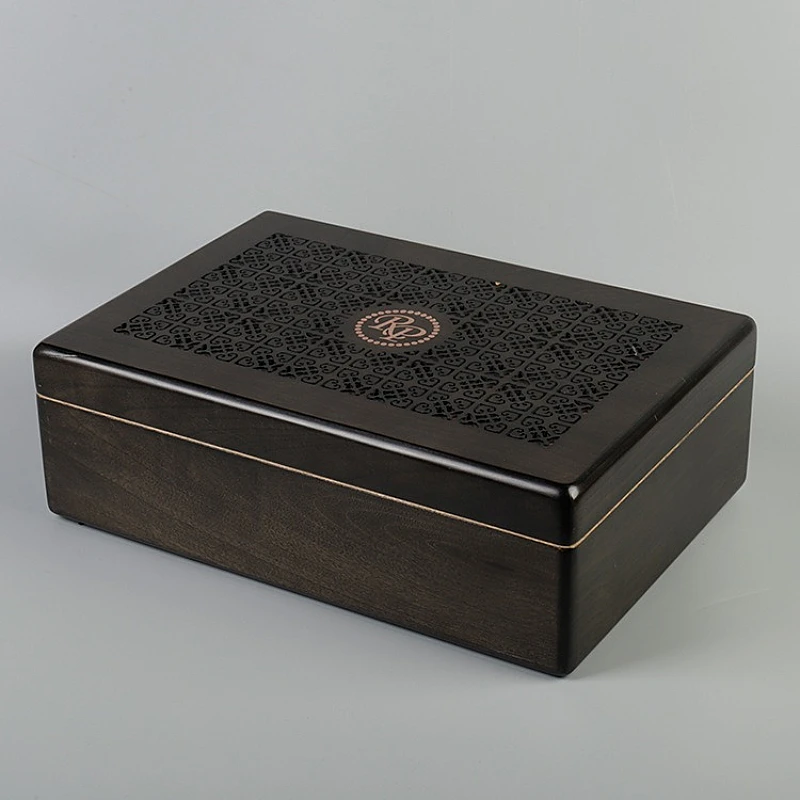
When conditions go up and down, the cigar suffers. I have opened many humidors in customer workshops and smelled the result of unstable levels—musty tobacco, brittle wrappers, or over-swollen cigars.
How Humidity Affects Aging
Humidity is the heart of cigar aging. When the level stays between 65–72%, the cigar holds the right amount of moisture. The leaf stays soft. The oils stay inside. The wrapper stays smooth. When humidity is too high, the cigar becomes spongy. It burns badly. It can even grow mold. When humidity is too low, the cigar becomes dry. The flavor becomes sharp.
Temperature’s Simple but Powerful Role
Temperature works with humidity. If temperature goes above 24°C, oil movement inside the cigar speeds up. This can flatten the flavor. You also risk beetles. If the temperature stays too low for a long time, the cigar ages slowly and can taste muted.
A Practical Look at Stability
| Condition Swing | Result |
|---|---|
| High humidity spike | Mold, swelling, bad burn |
| Low humidity drop | Dryness, cracking, loss of aroma |
| High heat | Beetles, bitter taste |
| Big temperature shifts | Uneven aging |
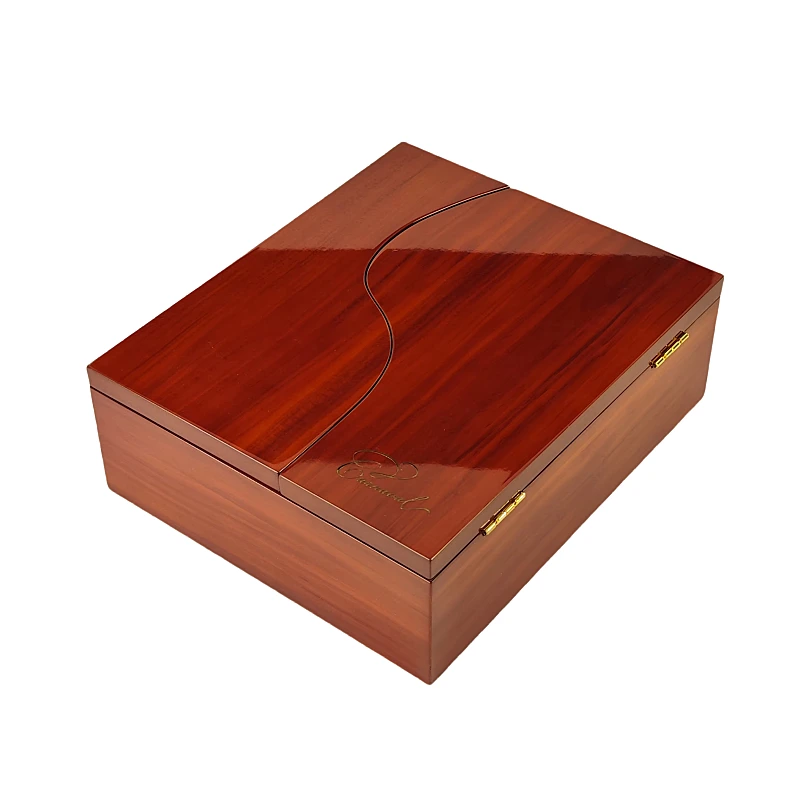
When I design cigar boxes with piano-lacquer finishes for luxury brands, my clients often use them to store rare cigars. These boxes perform well because their structure stays stable. Once humidity and temperature stay steady, the cigars age with confidence.
Why do some cigars get better with age while others lose flavor over time?
I often meet cigar lovers who believe every cigar improves over time. This idea is nice, but not always true.
Some cigars age well because their blend has enough oils and structure, while lighter blends can lose aroma when stored too long.
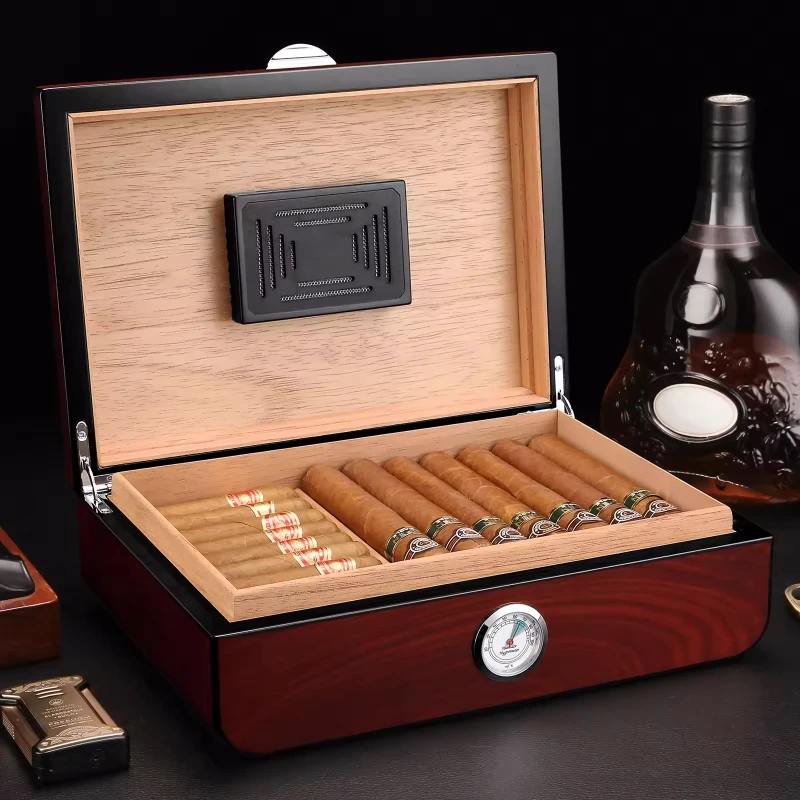
A cigar is like wine. Strong blends with rich oils can evolve for many years. They become smoother and deeper. But mild cigars can fade. They lose their character. They lose their sweet notes.
What Makes a Cigar Age Well
Stronger cigars with thicker leaves carry more oils. These oils age slowly. They release new flavors over time. These cigars can last many years if the humidor is stable.
Milder cigars use thinner leaves. These dry faster. Their oils are fewer. They can age a little but not forever. If stored too long, they taste flat.
Key Elements of Aging Potential
| Cigar Type | Aging Potential | Notes |
|---|---|---|
| Full-bodied cigars | Excellent | More oils and heavier leaves |
| Medium-bodied cigars | Good | Balanced evolution |
| Mild cigars | Limited | Can fade after a few years |
Why Some Cigars Decline
Aging is slow fermentation. If the blend is light, there is not enough fuel for long aging. Some cigars also decline because the storage was not stable. Even a good cigar fails with poor humidity.
I saw this in a collector’s box many years ago. He stored strong Nicaraguan cigars beside very mild Dominican cigars. After ten years, the strong ones reached a peak. The mild ones lost their charm. This taught me that not all cigars are meant for long aging.
What signs show that a cigar has been stored too long or under poor conditions?
Sometimes a cigar looks fine from outside but tells a different story when touched or smelled.
Signs of poor storage include cracked wrappers, dull aroma, mold spots, hard spots, uneven color, or cigars that feel too dry or too soft.
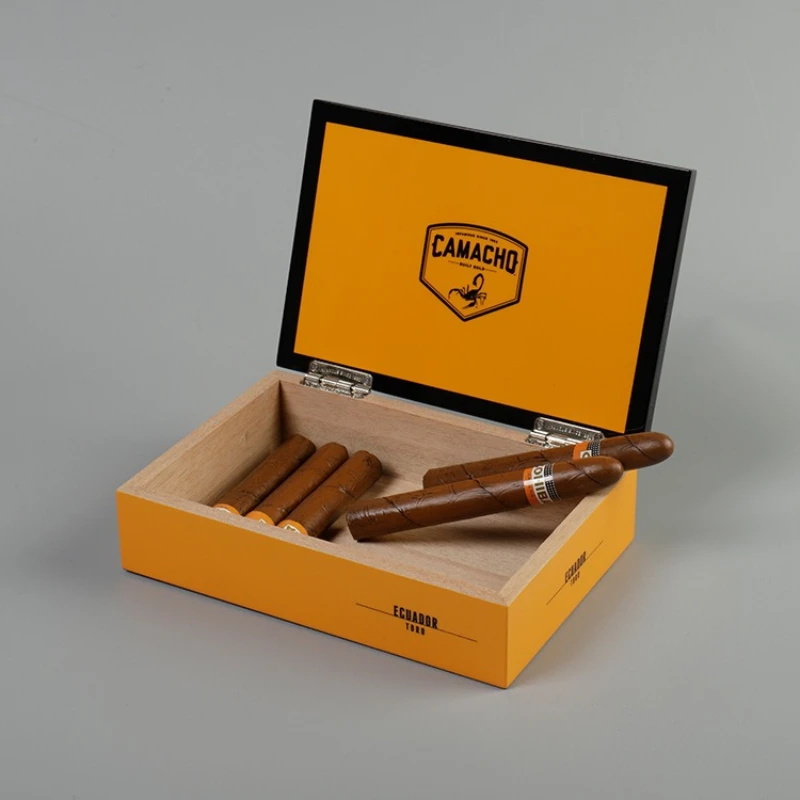
I learned to spot these signs when clients sent cigars to my factory for box-fitting tests. Some cigars arrived in perfect shape. Some arrived ruined. The difference was always the humidor.
Clear Signs of Trouble
Here are common signs that storage conditions were wrong:
- Wrapper cracks
- Dry or brittle texture
- Spongy, over-soft body
- White mold (not plume)
- Bitter or sour aroma
- Uneven coloring
- Hard lumps inside the cigar
What These Signs Mean
Cracks mean dryness. Soft cigars mean too much humidity. Mold means humidity stayed above 75% for too long. Hard spots show fermentation restarted inside the cigar. Sour smell shows ammonia that never released during aging.
Comparison Table
| Sign | Cause | Result |
|---|---|---|
| Cracks | Low humidity | Harsh burn |
| Soft texture | High humidity | Poor draw |
| Mold | Excess moisture | Musty taste |
| Hard spots | Fermentation issues | Uneven burn |
| Dull smell | Loss of oils | Flat taste |
When you learn to read these signs, you can correct the humidor before the cigars go bad. You can save many cigars this way.
How can regular humidor maintenance ensure cigars last as long as intended?
Many people buy a good humidor but forget to maintain it. A humidor without care becomes a simple wooden box.
Regular checks, seasoning, calibrated hygrometers, and clean internal surfaces keep humidity stable, which helps cigars last for many years.
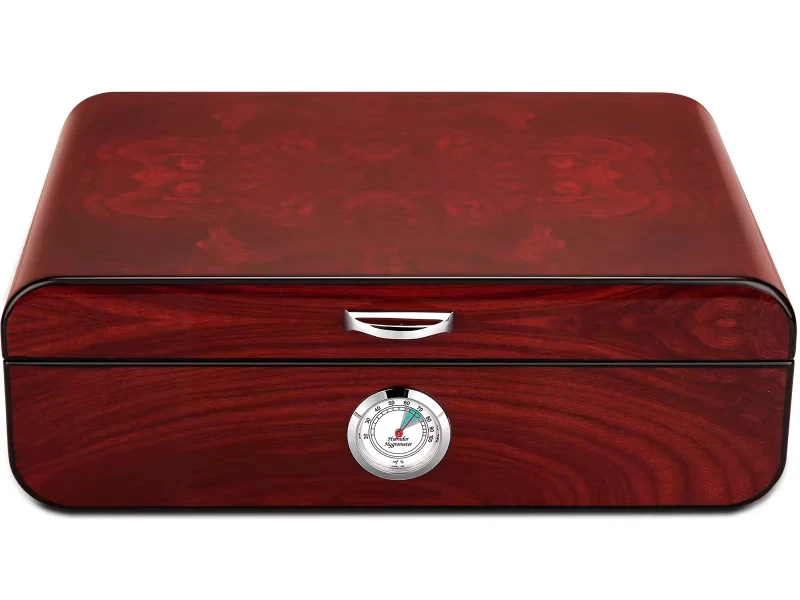
I always tell my clients that even the most expensive humidor needs simple routine care. This routine protects your cigars’ future.
What Maintenance Includes
Here are the steps that matter most:
- Season the humidor when new
- Use a digital hygrometer
- Check humidity weekly
- Rotate cigars every few months
- Refill the humidification unit on time
- Keep the humidor clean and odor-free
Why These Steps Matter
A humidor breathes. Wood absorbs and releases moisture. If the humidor dries out, humidity drops fast. If the humidifier runs out of water, cigars start to dry in days. A simple weekly check prevents all this.
Maintenance Table
| Task | How Often | Purpose |
|---|---|---|
| Humidity check | Weekly | Catch swings early |
| Refill humidifier | Monthly | Keep moisture stable |
| Rotate cigars | Quarterly | Even aging |
| Deep clean | Yearly | Remove odors |
I worked with a luxury cigar brand in Europe that stored thousands of cigars in custom wooden cabinets we built. Their success came from routine checks. They never let humidity drift. Because of this, their cigars aged with great consistency. A small habit creates long cigar life.
Conclusion
A cigar can last many years in a stable humidor that protects moisture, oils, and slow aging.

 English
  Español
  Português
  Deutsch
  Français
  Italiano
  العربية