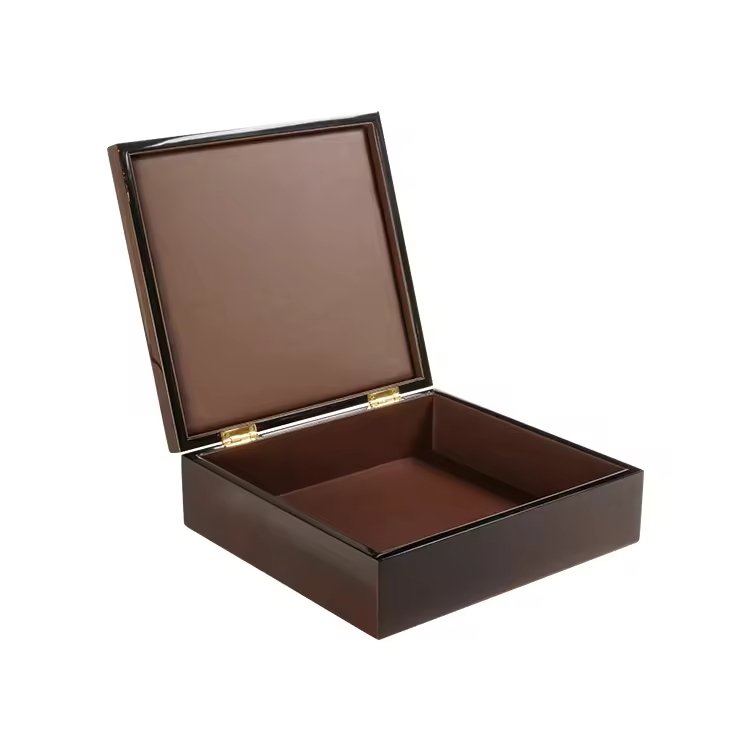
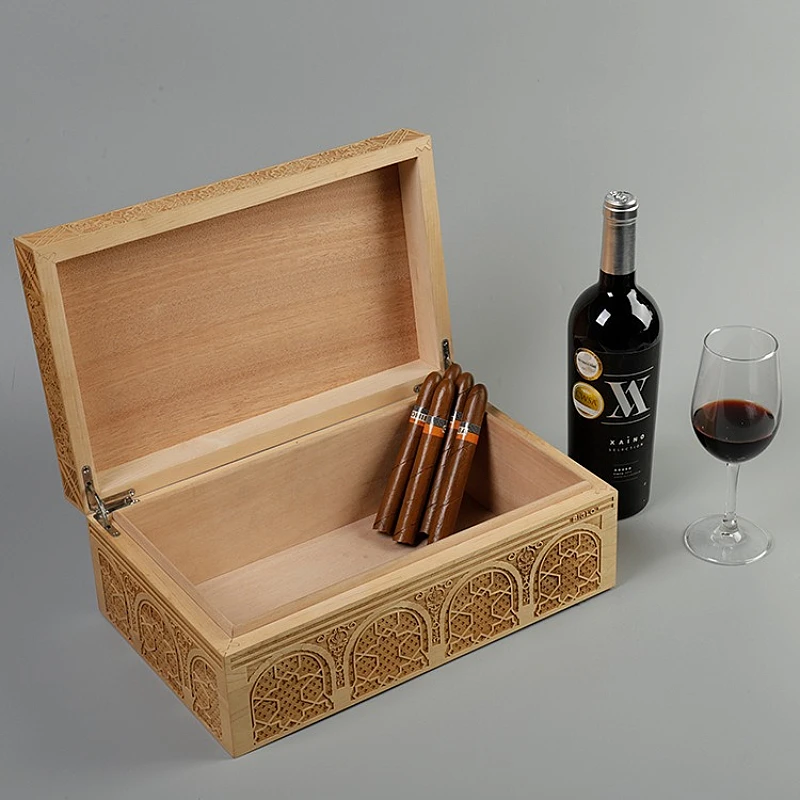
A dry cigar can lose its soul fast, and a wet one can fall apart. Many cigar lovers face this painful problem.
A cigar can last for years or even decades in a stable humidor because balanced temperature and humidity protect the oils inside the tobacco.
I want to show why the right humidor setup lets cigars stay fresh, mature well, and keep their true character for a very long time.
What conditions inside a humidor allow cigars to stay fresh for months—or even years?
A small shift in humidity can dry a cigar within days. A warm week can age it too fast. These problems scare many beginners.
Cigars stay fresh when your humidor keeps humidity around 65–72% and temperature around 18–21°C, because these conditions protect the natural oils inside the leaves.
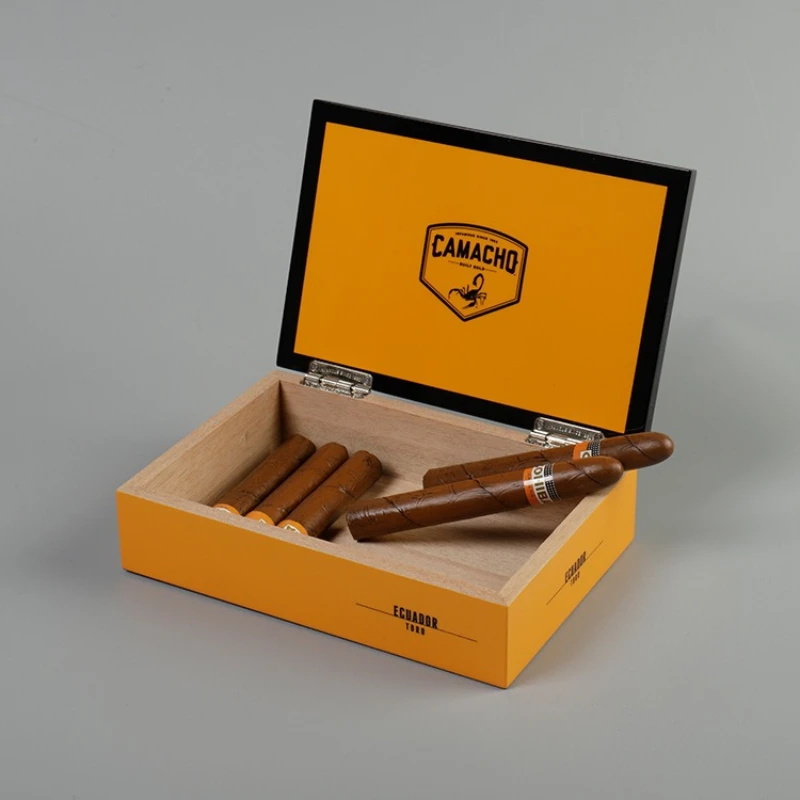
When I design wooden cigar boxes for brands, I always tell them that time inside a humidor is peaceful only when the environment is stable. Below, I will explain how every part of the humidor works together to protect cigars for the long term.
The Role of Humidity, Cedar, and Airflow
Spanish Cedar Works Like a Guard
Spanish cedar is the most common lining material. It absorbs moisture and releases it slowly. This keeps humidity stable. I have seen cedar panels take in extra humidity during the rainy season and release it back during a dry month. This natural balance protects cigars.
Controlled Humidity Prevents Drying and Mold
Humidity between 65–72% keeps tobacco leaves flexible. At this level, the cigar’s wrapper stays smooth and the burn stays even. Higher humidity can cause mold. Lower humidity can crack the wrapper.
Gentle Airflow Helps Cigars Breathe
Cigars need a little air movement. A sealed space without airflow can trap excess moisture near the tobacco surface. A good humidor breathes lightly. That is why traditional wooden boxes work better than many plastic boxes. Wood naturally controls micro-airflow.
Ideal Conditions Summary
| Condition | Ideal Range | Why It Matters |
|---|---|---|
| Humidity | 65–72% | Keeps cigars flexible and prevents mold |
| Temperature | 18–21°C | Slows aging and protects oils |
| Airflow | Mild | Prevents stale air buildup |
| Wood Lining | Spanish cedar | Balances moisture naturally |
When these conditions stay stable, cigars can rest for many years without losing flavor.
How do humidity and temperature stability influence a cigar’s long-term aging potential?
Many people think cigars need very high humidity to stay fresh. Others think low humidity makes them burn better. Both ideas create problems.
Stable temperature and humidity protect cigar oils so they age slowly and evenly. Instability speeds up aging or causes permanent damage.
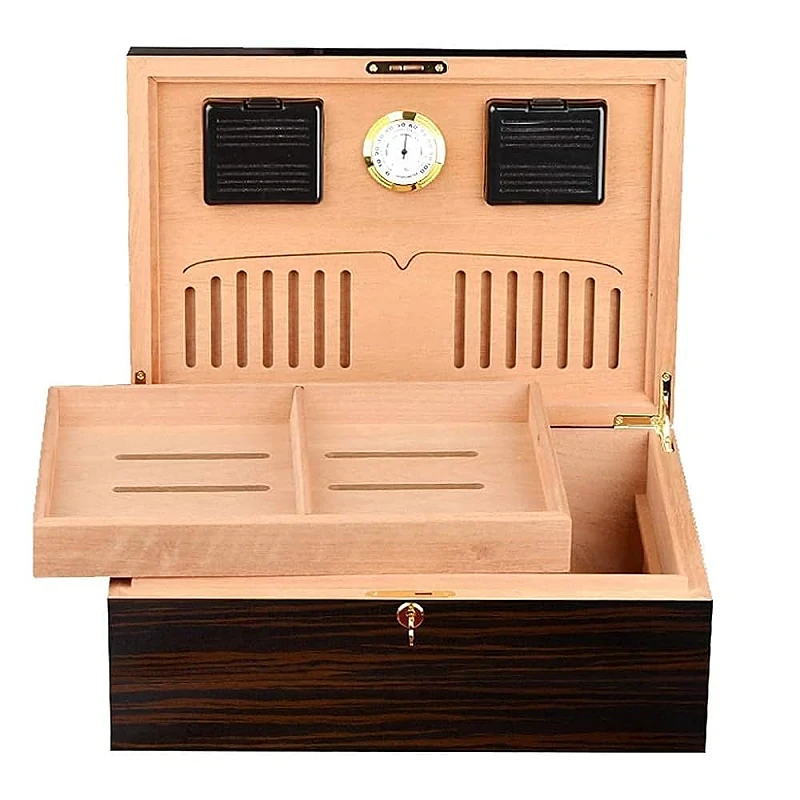
I often test humidors for clients before delivery. I let them run for weeks. I watch the humidity curve. A good humidor has a slow, gentle curve. A bad one jumps up and down. This difference decides whether a cigar lasts five months or five years.
Why Stability Matters More Than Exact Numbers
Temperature Controls Oil Movement
Tobacco oils move faster at higher temperatures. This means flavor changes faster. When temperature goes above 24°C, cigars age too quickly and lose complexity. In extreme heat, beetles can hatch. I have seen boxes ruined this way.
Humidity Controls Structural Health
If humidity jumps from 60% to 75%, cigars expand and shrink. This movement stresses the wrapper. I once received a damaged shipment caused by humidity swings during transit. The wrapper cracked on half the cigars.
Slow Aging Creates Better Flavor
When both humidity and temperature stay stable, cigars age like good wine. The flavor becomes round and smooth. Sharp notes fade. Sweetness grows.
How Instability Damages Cigars
| Instability Type | Result |
|---|---|
| High humidity | Mold, swelling, uneven burn |
| Low humidity | Cracks, loss of aroma |
| Temperature spikes | Beetles, fast aging |
| Constant swings | Loss of oils, structural damage |
Good humidors protect cigars by avoiding these problems.
Why do some cigars improve with age while others are best enjoyed sooner?
Some cigar lovers believe all cigars get better with age. Some believe aging is marketing. The truth is somewhere in the middle.
Cigars age well when their tobacco has enough natural oils and fermentation level to support long-term development. Mild blends with fewer oils age faster and are usually best smoked young.
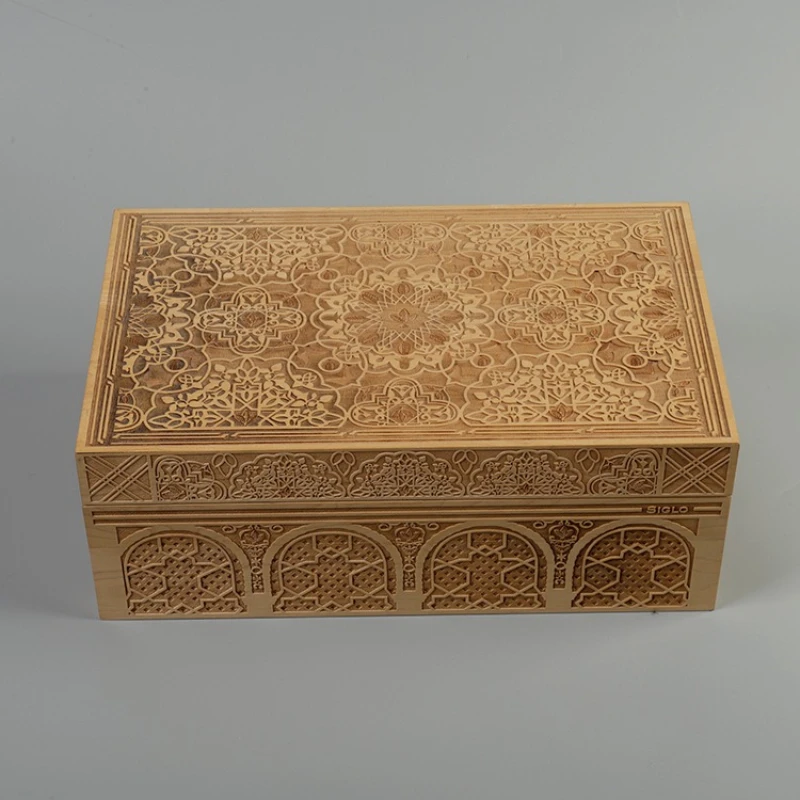
I often speak with brand owners when we design premium wooden boxes for limited edition cigars. They know exactly which cigars will age well and which will not. They adjust their packaging strategy based on this.
Why Only Some Cigars Age Well
Oil Content Creates Aging Potential
More oils mean more flavor left to develop. Stronger cigars made with ligero leaves usually age better.
Fermentation Level Matters
Heavily fermented tobacco already tastes smooth. It has less room to change. Lightly fermented tobacco changes more over time.
Blend Complexity Influences Aging
A blend with many layers becomes more refined with time. A simple blend loses character when aged too long.
When Cigars Should Be Smoked Young
| Cigar Type | Best Timing | Reason |
|---|---|---|
| Mild cigars | Within 6–18 months | Lower oil content |
| Light blends | Sooner | Flavor fades with age |
| Fresh rolled cigars | After 1–3 months | Need to settle |
When Cigars Benefit from Long Aging
| Cigar Type | Aging Potential | Reason |
|---|---|---|
| Full-bodied cigars | 3–10+ years | High oil content |
| Dark wrappers | Strong aging ability | More fermentation |
| Complex blends | Improve over time | More layers to develop |
I learned this from watching cigar collectors store certain cigars for years while smoking others quickly. Some cigars just have the chemistry for aging.
What signs show a cigar has been stored too long or in the wrong environment?
A cigar can sit in a humidor for years without issues, but one month of bad humidity can leave marks.
You can identify storage problems by checking the cigar’s aroma, wrapper condition, color, burn behavior, and flexibility.
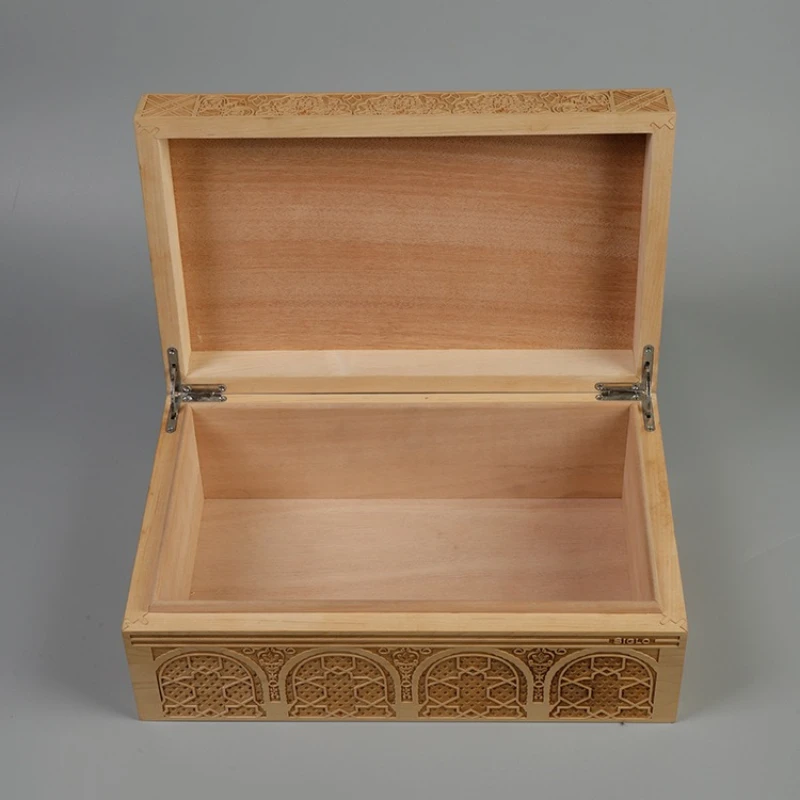
When I inspect cigars kept inside the boxes we manufacture, I look at a few simple indicators. These small signs reveal a lot about the humidor environment.
Visible Signs of Poor Storage
Wrapper Cracks
Wrapper cracks mean the cigar dried out. Even small cracks show repeated humidity swings.
Mold Growth
White fuzzy mold means humidity stayed too high. A small amount might be wiped off, but deep mold ruins flavor.
Oily Spots
Too much temperature can push oils to the surface. This makes the wrapper darker in some areas.
Aroma and Texture Changes
Flat Aroma
A healthy cigar smells rich. If the aroma disappears, it has aged too long or dried out.
Hard Spots
Hard lumps form when humidity is uneven. These can cause tunneling.
Excess Softness
A soggy cigar means humidity stayed above 75%.
Burn Problems Caused by Poor Storage
| Burn Issue | Meaning |
|---|---|
| Uneven burn | Excess humidity or humidity imbalance |
| Fast burn | Cigar dried out |
| Difficult draw | Over-humidification |
| Tunneling | Humidity in outer wrapper is too high |
These signs help you judge whether a cigar is still enjoyable or needs reconditioning.
How can proper humidor maintenance ensure your cigars last as long as they should?
Even a good humidor fails without care. I saw this many times when clients sent us photos of warped lids or dry cedar.
Proper humidor maintenance keeps humidity steady, protects cedar, and ensures cigars stay fresh and stable for the long term.
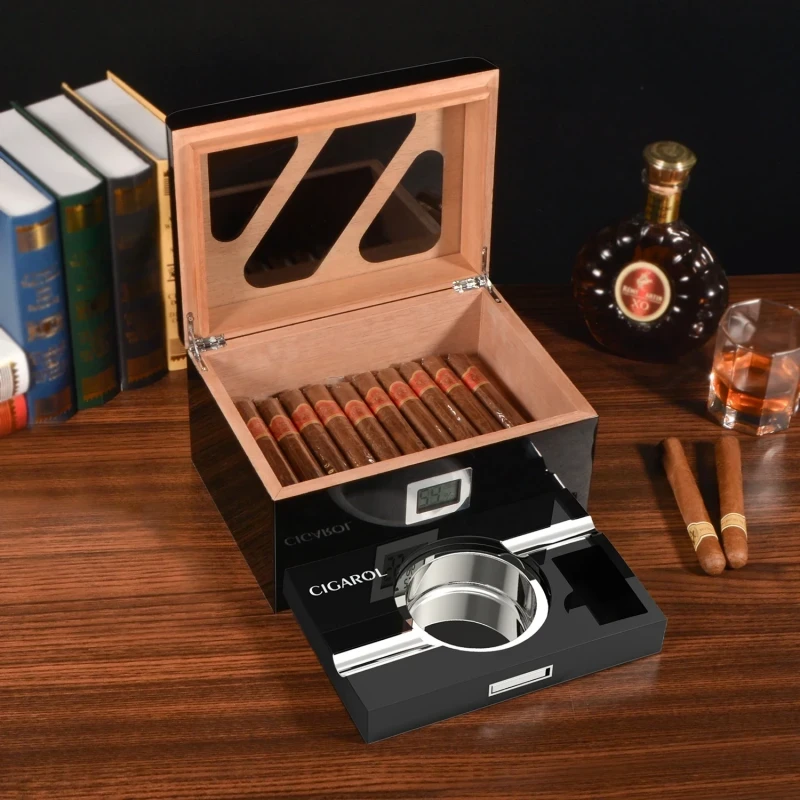
I maintain my own humidors at home and in our factory showroom. The steps are simple but important.
Basic Humidor Care Steps
Calibrate Your Hygrometer
Many humidors show wrong humidity. I always calibrate new hygrometers with a salt test. A wrong reading can ruin cigars for months before you notice.
Season the Cedar
Dry cedar absorbs humidity from your cigars. Seasoning prepares the wood so it supports the environment instead of fighting it.
Maintain Your Humidification System
Every system needs cleaning. Gel beads, Boveda packs, and electronic systems all need attention.
Monthly Maintenance Checklist
| Task | Purpose |
|---|---|
| Check humidity | Prevent long-term swings |
| Check temperature | Avoid over-aging |
| Inspect cigars | Find mold or dryness early |
| Rotate cigars | Ensure even exposure |
| Clean interior | Remove dust and odor |
Advanced Tips for Long-Term Storage
Avoid Opening the Humidor Too Often
Air changes cause humidity swings. I open mine only when needed.
Keep the Humidor Away from Sunlight
Sun raises internal temperature and dries the wood.
Use an Extra Cedar Divider
This helps control micro-airflow and separates different blends.
These steps keep cigars stable for years, even in changing seasons.
Conclusion
Stable conditions let cigars rest, age, and taste their best for years inside a well-maintained humidor.

 English
  Español
  Português
  Deutsch
  Français
  Italiano
  العربية