I know many buyers feel lost when cigar prices jump from $5 to $50, and they wonder what truly makes a cigar “good.”
A good cigar usually costs between $8 and $15, but premium ones often sit between $15 and $30 because of better tobacco, longer aging, and careful craftsmanship.
I want to walk you through these price differences clearly, so you can judge cigars with confidence and avoid paying more than necessary.
What price range typically defines a “good cigar,” and why does quality vary so widely?
I talk with many buyers who struggle with the wide range of cigar prices, and they often think higher cost always means higher quality.
A good cigar usually falls between $8 and $15, while premium cigars often land in the $15 to $30 range because of materials, aging, and brand standards.
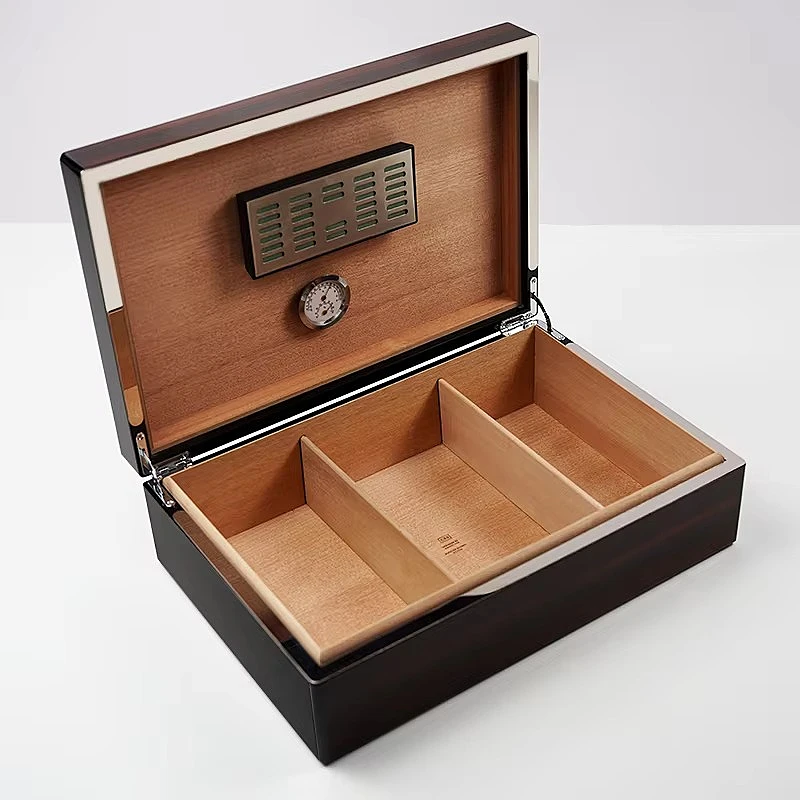
I want to explain why the price range of cigars shifts so much, even when cigars look similar. Tobacco quality, fermentation, and the skills of the rollers all change the flavor and burn, and each of these steps adds time and labor. When I meet cigar makers while producing custom cigar boxes, they often say the same thing: the work behind the cigar is what sets the real value.
Key Factors That Shape Cigar Prices
| Factor | How It Affects Price |
|---|---|
| Tobacco Grade | Higher-grade leaves cost more and produce smoother flavor |
| Fermentation Time | Longer fermentation improves taste but adds labor |
| Roller Skill | Master rollers create more consistent cigars |
| Brand Standards | Premium brands invest more in quality control |
| Aging | More aging means better aroma and higher cost |
Why Quality Varies Even With Similar Prices
Cigar quality can vary even within the same price range because each factory has its own approach. Some brands put money into marketing instead of tobacco. Others focus entirely on craft. I see this same pattern in packaging projects I work on. Some clients pay for real value. Others pay for “image.” A cigar’s true quality comes from its flavor, draw, and construction, not from a price tag.
In the end, the price range only tells part of the story. The smoking experience tells the rest.
How do factors like tobacco origin, aging, and craftsmanship influence the final price?
I meet buyers all the time who wonder why two cigars with similar shapes and sizes have very different price tags.
Tobacco origin, long aging, and skilled craftsmanship shape the final cigar price because they directly affect flavor, burn quality, and production time.
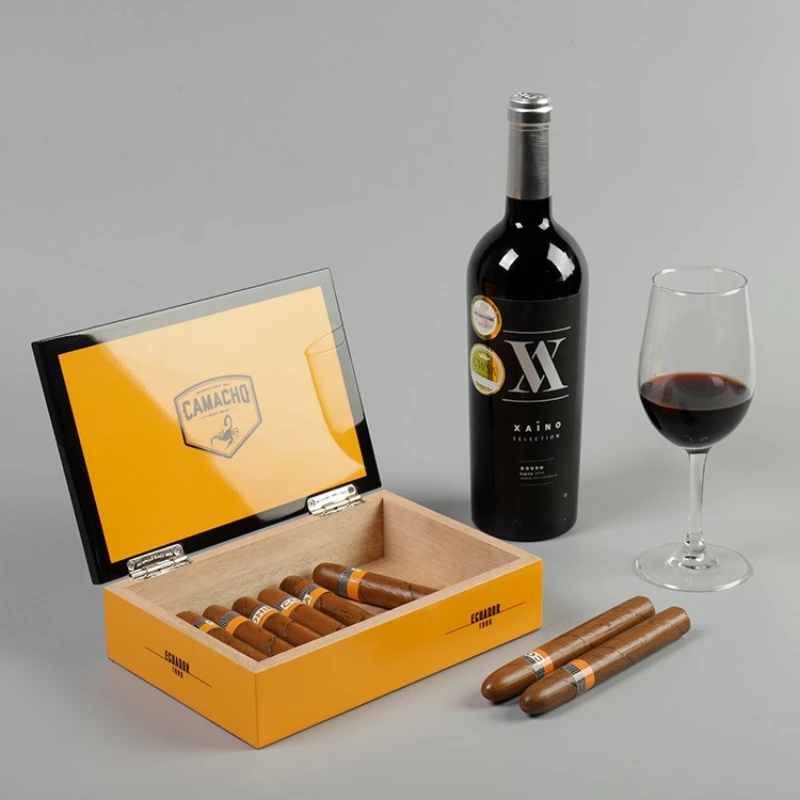
When I work with cigar brands on packaging, they often talk about leaf sourcing the same way winemakers talk about vineyards. A slight change in soil or climate can shift flavor, and growers charge accordingly. The best factories also age tobacco and finished cigars for long periods, and this storage time adds cost, especially when space is limited.
Tobacco Origin and Its Price Impact
| Origin | Flavor Traits | Price Influence |
|---|---|---|
| Nicaragua | Strong, peppery | Medium to high |
| Dominican Republic | Smooth, balanced | Medium |
| Cuba | Rich, complex | High due to scarcity |
| Honduras | Earthy, bold | Medium |
Why Aging Matters
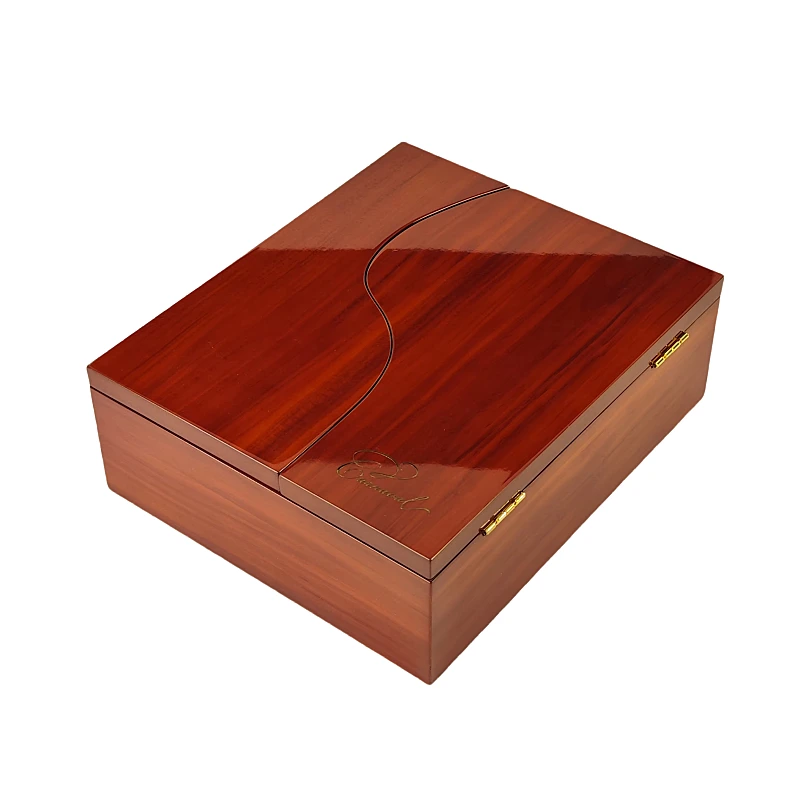
Long aging reduces harshness and builds deeper flavors. This takes warehouse space, humidity control, and time. It is the same in my wood box business. Aging lacquer layers for high-gloss finishes adds weeks of work, but it creates quality you can see and feel. Cigar aging works the same way. Time builds value.
Craftsmanship and Rolling Skill
Master rollers produce cigars with perfect draw and burn. Their work cuts down on defects, and factories pay them more. Higher labor cost raises the price of the final cigar. Many buyers overlook this step, but it is the step that decides whether a cigar smokes well.
When you combine better origin, better aging, and better craftsmanship, the cigar becomes more expensive, but it also becomes more enjoyable.
Why do some cigars under $10 smoke beautifully while others cost $20–$40 or more?
I often hear cigar lovers say, “This $9 cigar smoked better than the $30 one I tried last week.” And yes, that happens often.
Some cigars under $10 smoke well because they use good tobacco and simple production, while higher-priced cigars often cost more due to aging, limited blends, or branding—not always flavor.
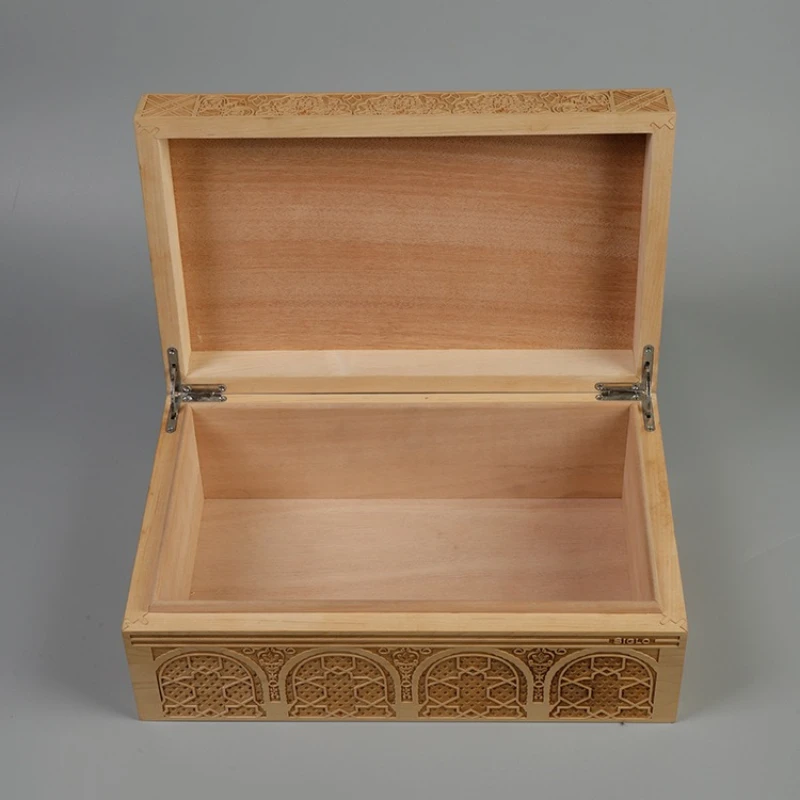
Many of the cigar brands I work with produce budget-friendly lines using strong, well-fermented tobacco. They may skip long aging or fancy packaging, but the flavor can be very enjoyable. Meanwhile, some premium cigars charge for rarity or packaging instead of real flavor improvements.
Why Cheap Cigars Can Smoke Well
- Good everyday blends
- Less marketing cost
- High production volume
- Simple boxes, simple bands
- No long aging process
Why Expensive Cigars Can Cost More
- Limited tobacco crops
- Signature blends from master blenders
- Extra years of aging
- High-end packaging (including piano-lacquer boxes)
- Brand prestige and collector interest
A Real Story From My Work
I once made a high-gloss cigar box for a limited run of only 500 cigars. The cigars were good, but not better than some $10 cigars I smoke on normal days. The price soared because collectors wanted the exclusivity, not because the blend was life-changing. This experience showed me how market perception shapes price as much as the cigar itself.
Great cigars do not need high prices. Great cigars need good tobacco and good craftsmanship.
I see how brand reputation affects price every time I make custom boxes for well-known cigar brands.
Brand reputation and limited production raise cigar prices because buyers pay for trust, rarity, and the prestige of owning something not easily found.
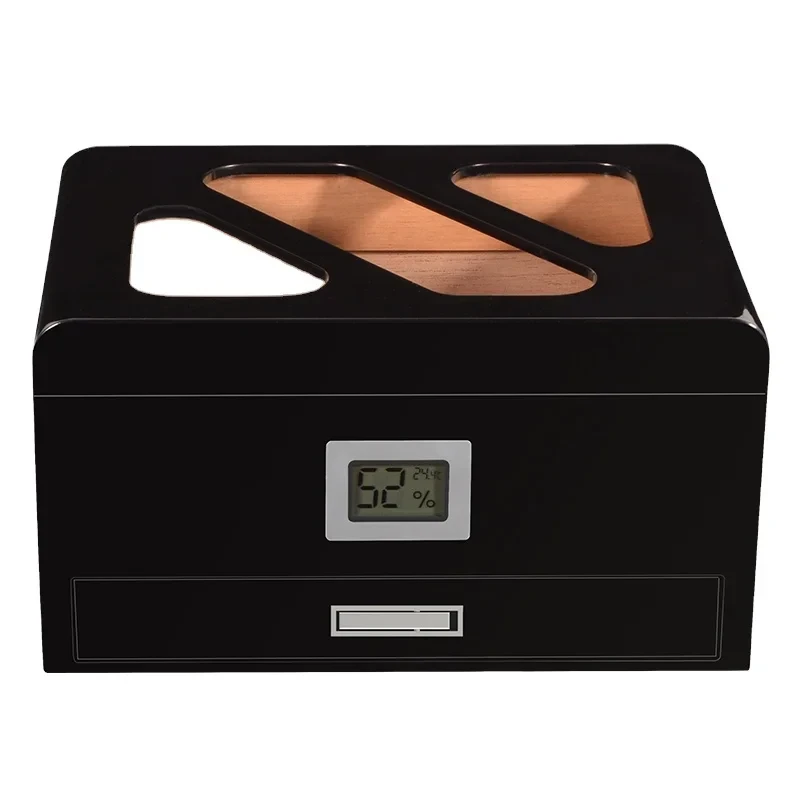
Some brands spend decades building a reputation for consistency. When a customer buys a cigar from them, they expect a certain standard. That trust adds value. Limited editions take this even further. They use rare tobacco, custom blends, and high-end packaging, and they often sell out before they ship.
How Brand Reputation Shapes Cost
| Brand Type | What You Pay For | Effect on Price |
|---|---|---|
| Heritage Brand | Consistency, name recognition | Higher |
| Boutique Brand | Unique small-batch flavors | Medium to high |
| New Brand | Lower marketing cost | Lower |
How Limited Production Works
Limited cigars usually use:
- Rare leaf
- Small-batch fermentation
- Signature blends
- Longer aging
- High-end boxes (often piano finish, velvet lining, metal badges)
This kind of production costs more. I see this clearly when brands request special packaging. Limited-run boxes require small-volume production, and this alone can triple cost. The same logic applies to cigars.
Some buyers enjoy the exclusivity. Others buy them for gifts. Some keep them for collections. The price reflects more than the smoke; it reflects the experience.
What should beginners budget for if they want a cigar that offers great value without overspending?
I often receive emails from beginners asking which cigars to try first and how much to spend.
A beginner should budget $8 to $12 per cigar because this price range offers reliable quality, good flavor, and less risk of disappointment.
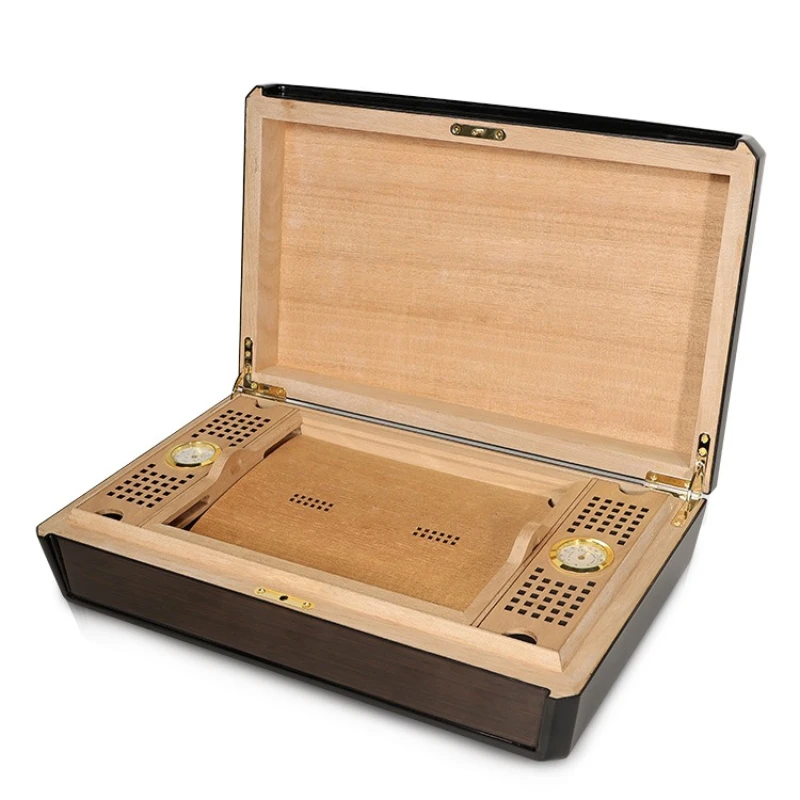
This is a safe range because many factories produce excellent “daily smoker” blends in this category. They use good tobacco, simple packaging, and consistent construction. Beginners also do not need limited editions or long-aged cigars yet. They need cigars that help them learn their flavor preferences.
What Beginners Should Look For
| Feature | Reason |
|---|---|
| Medium body | Easier to enjoy |
| Well-known factory | More consistency |
| Simple packaging | Better value |
| Known blend lines | Easy to compare flavors |
What Beginners Should Avoid
- Very cheap cigars under $5
- Very strong blends
- Limited editions
- Fancy packaging that adds cost
- Large ring gauges that burn hot
Why This Budget Works
When I talk to cigar retailers during packaging projects, they always tell me beginners should start in the middle. Not too cheap. Not too fancy. Cigars in the $8 to $12 range let beginners enjoy real flavor and good construction without paying for extra aging or exclusivity.
It is the best way to build confidence and understand what “good” means to you.
Conclusion
A good cigar does not need a high price; it only needs good tobacco, solid construction, and a smooth, enjoyable burn.

 English
  Español
  Português
  Deutsch
  Français
  Italiano
  العربية