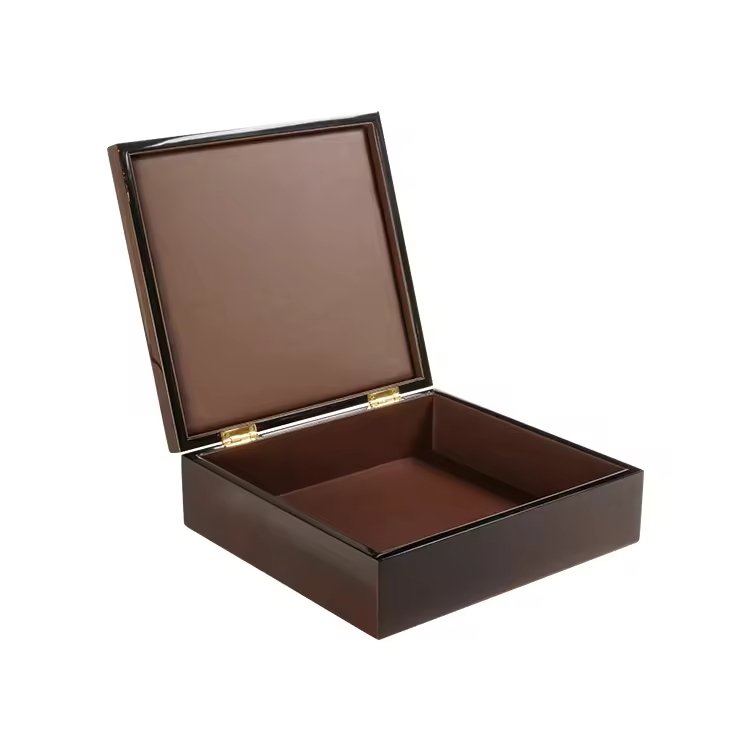
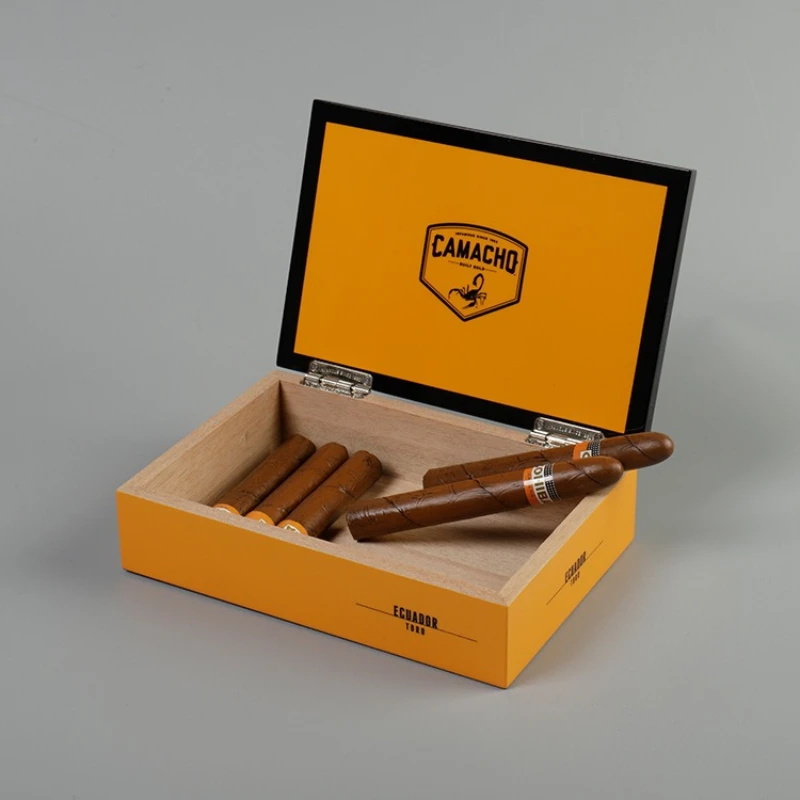
Some cigar boxes feel dry after just a few weeks. Others keep cigars fresh for months. The difference? The right wood lining—usually Spanish cedar.
Spanish cedar lining regulates moisture, enhances aroma, prevents pests, and helps cigars age properly. That’s why it’s the preferred choice for high-end cigar boxes.
Luxury isn’t just about appearance. True cigar lovers know that the inside of the box matters just as much as the outside. Let’s explore why Spanish cedar has become the gold standard in cigar box lining.
What unique characteristics make Spanish cedar different from other woods?
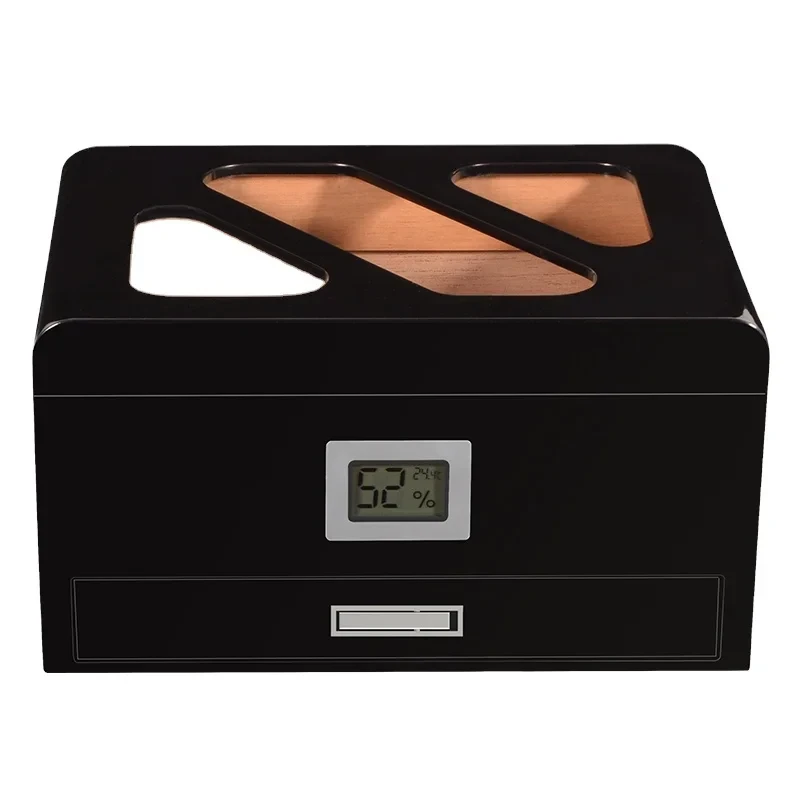
Many woods look beautiful, but not all of them are functional for cigar storage. Spanish cedar is in a class of its own.
Spanish cedar has a porous yet stable structure. It absorbs and releases humidity slowly, helping maintain a balanced internal environment.
Spanish cedar (Cedrela odorata) is not a true cedar. It belongs to the mahogany family. Its properties make it ideal for cigars in ways few other woods can match.
Key Characteristics:
| Feature | Benefit |
|---|---|
| High Porosity | Absorbs and releases moisture gradually |
| Low Shrinkage | Maintains shape over time |
| Light Weight | Easy to construct and customize |
| Resinous Aroma | Enhances cigar flavor and aging |
| Anti-fungal Components | Naturally resists mold and mildew |
| Insect-Repelling Oils | Protects cigars from beetles and pests |
In my own factory, we always test moisture retention on different wood types. Most hardwoods either trap too much moisture or release it too quickly. Spanish cedar strikes a perfect balance—it adapts slowly to the humidity around it, which is exactly what cigars need.
How does Spanish cedar help maintain ideal humidity for cigars?
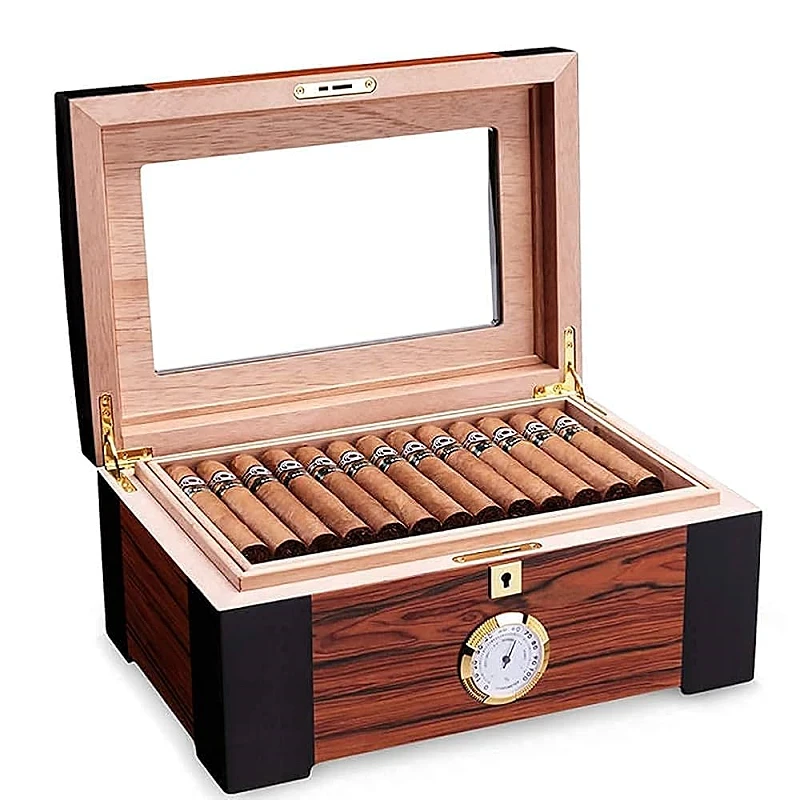
A poorly regulated environment can dry out or saturate cigars quickly. This is where Spanish cedar’s internal cell structure plays a vital role.
Spanish cedar acts as a natural humidity buffer. It absorbs excess moisture when RH rises and releases it when RH drops, keeping conditions stable.
Cigars need consistent humidity—ideally around 65–70%. If the relative humidity fluctuates too much, the wrapper can crack, flavors fade, or mold forms. Spanish cedar naturally keeps this range balanced.
How It Works:
- Micropores inside Spanish cedar act like mini reservoirs.
- Capillary action pulls in moisture during high humidity.
- Slow release happens during drier conditions.
- Consistent equilibrium keeps cigars from swinging between dry and damp.
Most of the boxes we manufacture line the entire inner wall with 3–5mm thick Spanish cedar sheets. Even a thin layer can stabilize the internal humidity. It works so well that even humidor manufacturers use this material in high-end electric humidors.
Why does this wood prevent mold and protect cigars from pests?
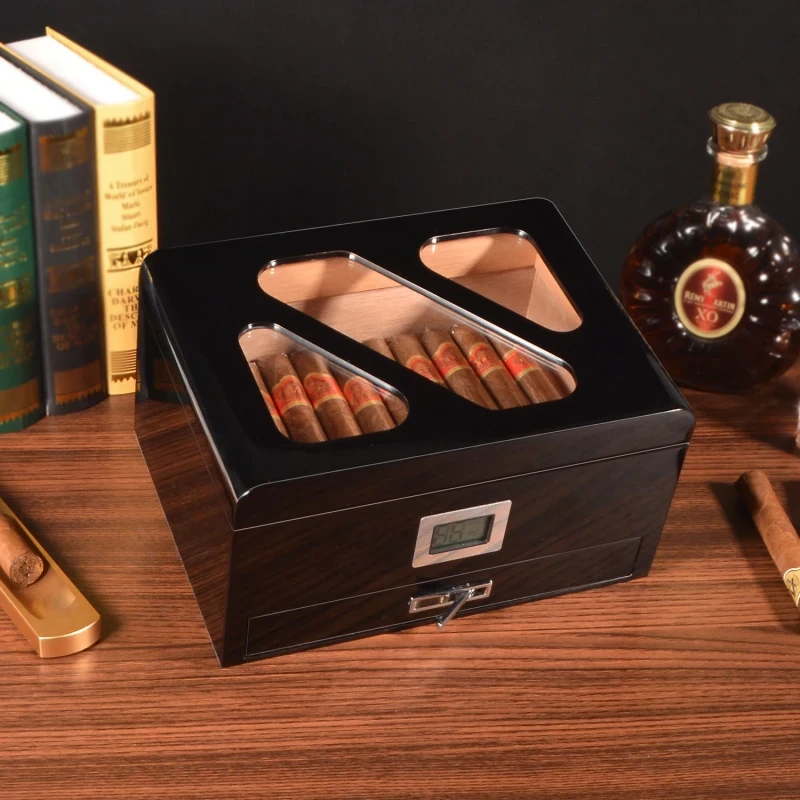
Cigars are vulnerable to tobacco beetles and mold spores, especially in tropical or poorly controlled environments.
Spanish cedar contains natural oils and compounds that repel insects and inhibit mold growth, making it a functional shield.
This is not just a coincidence. Spanish cedar evolved in humid climates, and its heartwood developed antifungal and insect-repelling properties.
Natural Protective Agents:
| Component | Function |
|---|---|
| Cedrol Oil | Repels tobacco beetles |
| Natural Resins | Prevent fungal growth |
| Terpenes | Create unfavorable conditions for larvae |
I’ve seen many clients lose entire cigar shipments to beetle infestations. This usually happens when cheaper wood is used in place of cedar. By using real Spanish cedar, you lower the risk dramatically. We also kiln-dry our cedar planks before use, which helps remove any residual larvae or mold spores.
How does Spanish cedar influence the aroma and aging of cigars?
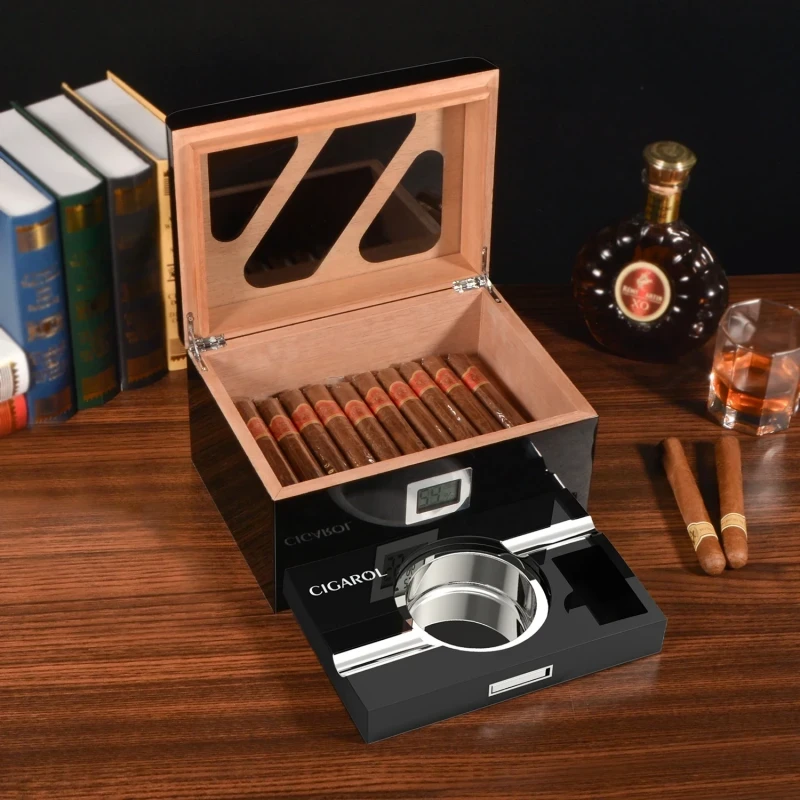
Open a premium cigar box, and you’ll often notice a rich, slightly sweet woody aroma. That’s not from the cigars—it’s from the cedar.
Spanish cedar emits a soft, warm aroma that blends with tobacco over time, helping cigars age with deeper, smoother flavor profiles.
The interaction between tobacco and cedar is subtle but powerful. As cigars rest in a box, they "breathe" with the environment. Cedar adds aromatic oils into the air, which then gently infuse the cigars.
Effects on Aging:
| Time Frame | Cedar’s Impact on Cigars |
|---|---|
| 1–3 Months | Softens harsh notes in young cigars |
| 3–6 Months | Blends tobacco flavors more evenly |
| 6+ Months | Adds complex woody undertones |
Many of my long-term clients age cigars for over a year. They always request Spanish cedar because it allows the cigars to mature gracefully, just like aging a fine wine in oak barrels. The flavor becomes smoother, richer, and more luxurious.
Are there any alternatives to Spanish cedar, and how do they compare?
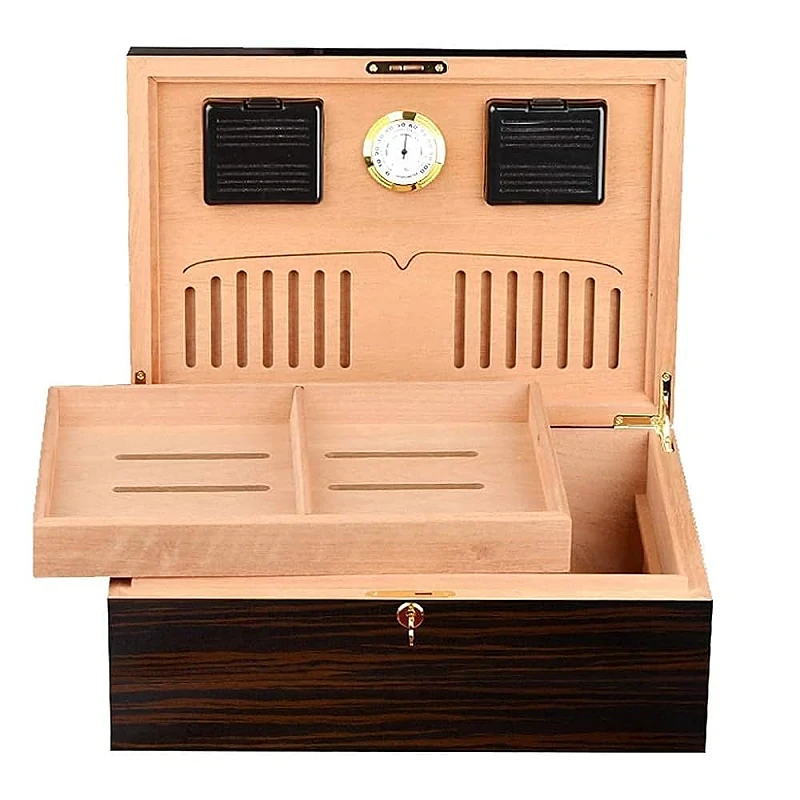
Due to rising costs and sourcing issues, some manufacturers look for alternatives. But not all substitutes perform equally.
Alternatives like American red cedar, mahogany, or okoume exist, but none match the full range of Spanish cedar’s benefits.
Here’s a quick comparison:
Cedar Alternatives Comparison Table:
| Wood Type | Humidity Control | Aroma Impact | Pest Resistance | Availability |
|---|---|---|---|---|
| Spanish Cedar | Excellent | Excellent | Excellent | Moderate |
| American Red Cedar | Good | Strong (overpowering) | Moderate | High |
| Okoume | Poor | Neutral | Low | High |
| African Mahogany | Fair | Mild | Low | Moderate |
We occasionally get asked to use okoume due to its low cost and easy availability. But I always explain: okoume doesn’t absorb or release moisture well. It can also create a sterile aging environment that leaves cigars tasting flat.
If budget is tight, African mahogany may be an acceptable substitute for casual smokers. But for luxury or long-term aging, nothing compares to Spanish cedar.
What should cigar box manufacturers consider when sourcing Spanish cedar?
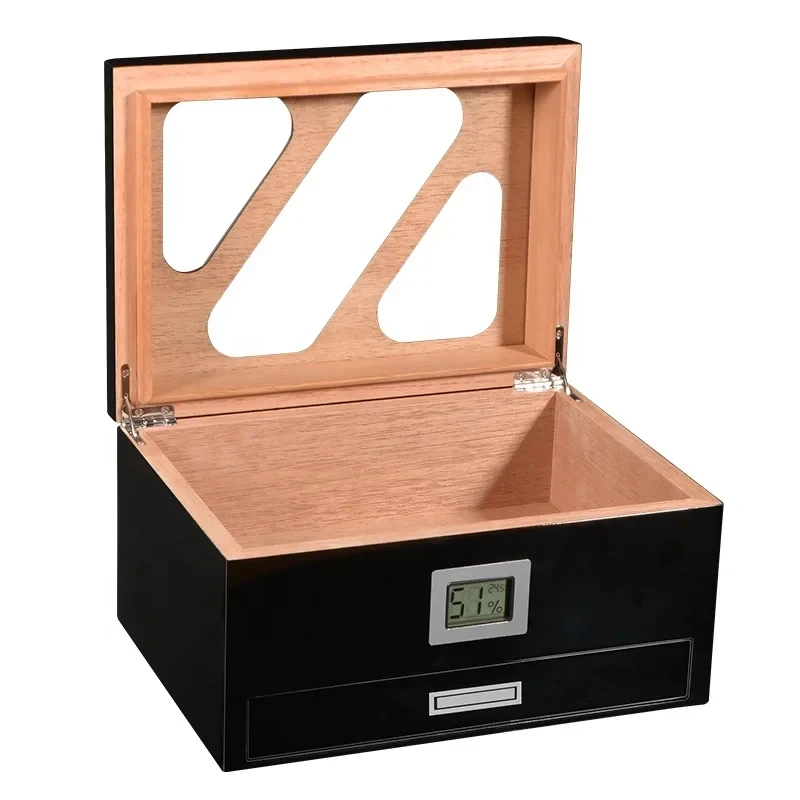
Not all Spanish cedar is the same. Poorly processed cedar can cause warping, dust shedding, or inconsistent performance.
Manufacturers should ensure cedar is kiln-dried, sustainably sourced, and correctly graded for internal box use.
In our factory, we work with FSC-certified suppliers in South America. We only accept planks that meet strict moisture and thickness standards.
Sourcing Checklist:
- Kiln Drying: Moisture content should be <10% to avoid warping.
- No Resin Pools: Too much resin can stain cigars or make boxes sticky.
- Smooth Grain: Makes it easier to finish and doesn’t shed dust.
- Sustainable Harvesting: Complies with international trade regulations.
Some new customers ask why our boxes cost more. I explain that Spanish cedar itself can make up 15–20% of the box’s cost. But it’s worth it—for function, for aroma, and for long-term cigar quality.
Conclusion
Spanish cedar does more than line a box—it protects, enhances, and matures cigars. No premium cigar box is complete without it.
Brand Name: WoodoBox
Slogan: Custom Wooden Boxes, Crafted to Perfection
Website: www.woodobox.com
WhatsApp: +86 18359265311

 English
  Español
  Português
  Deutsch
  Français
  Italiano
  العربية