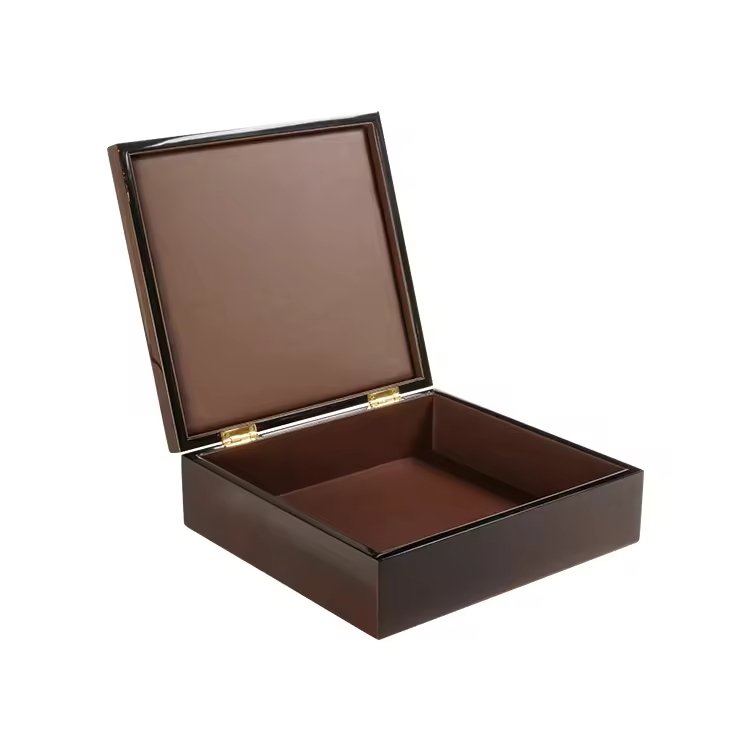

Cigars demand balance. Whether stored in a cabinet or a box, poor structure destroys their flavor and value.
Humidor cabinets and cigar boxes share sealing, lining, and airflow principles. Their differences in scale create unique challenges, but both can inspire each other’s design improvements.
Over years of building both cabinets and boxes, I have found that good engineering at one scale often translates into better solutions at another.
What core structural principles (sealing, lining, airflow) are common to both cabinets and boxes?
Without sealing, lining, and airflow control, neither cabinet nor box works well.
Both cabinets and boxes rely on airtight sealing, Spanish cedar lining, and controlled airflow to keep cigars in a stable microclimate.
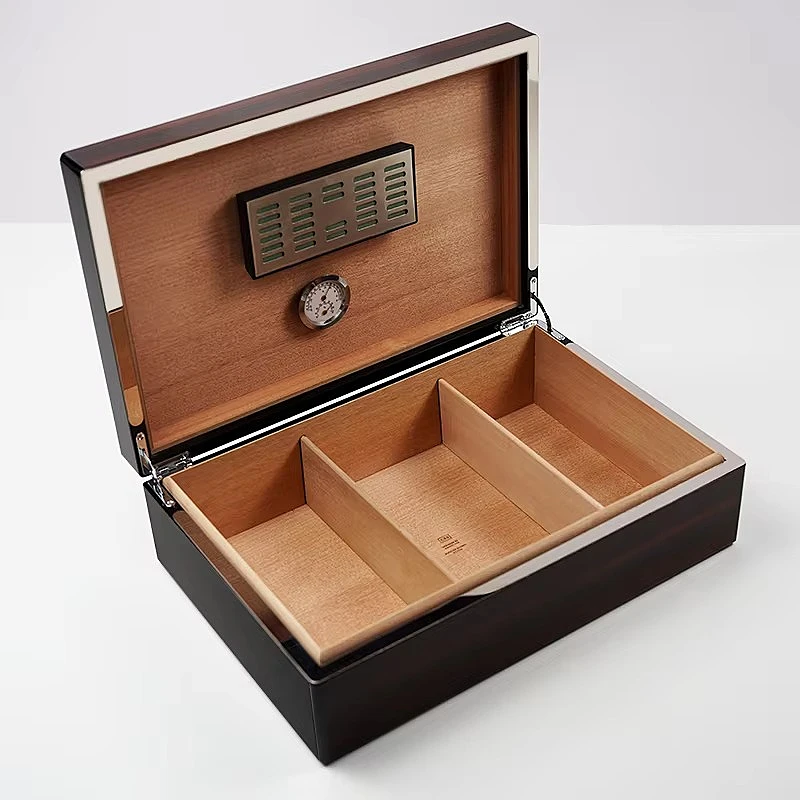
Airtight seals prevent moisture loss. Spanish cedar absorbs and releases humidity gradually. Airflow prevents mold by distributing humidity evenly. These are not optional—they are structural essentials.
Shared Structural Principles
| Principle | Cabinet | Box |
|---|---|---|
| Sealing | Multi-point door gaskets | Lid bevels, magnets, or latches |
| Lining | Thick cedar panels | Cedar veneer or solid lining |
| Airflow | Vents and circulation fans | Natural passive airflow |
When I transitioned from making boxes to cabinets, I realized how these same rules scale up. The difference lies only in size, not in fundamentals.
How does the scale difference (large cabinet vs. small box) change humidity management needs?
Size changes everything.
Large cabinets need active humidification and airflow systems, while small boxes rely on passive buffering from cedar and simple sealing.
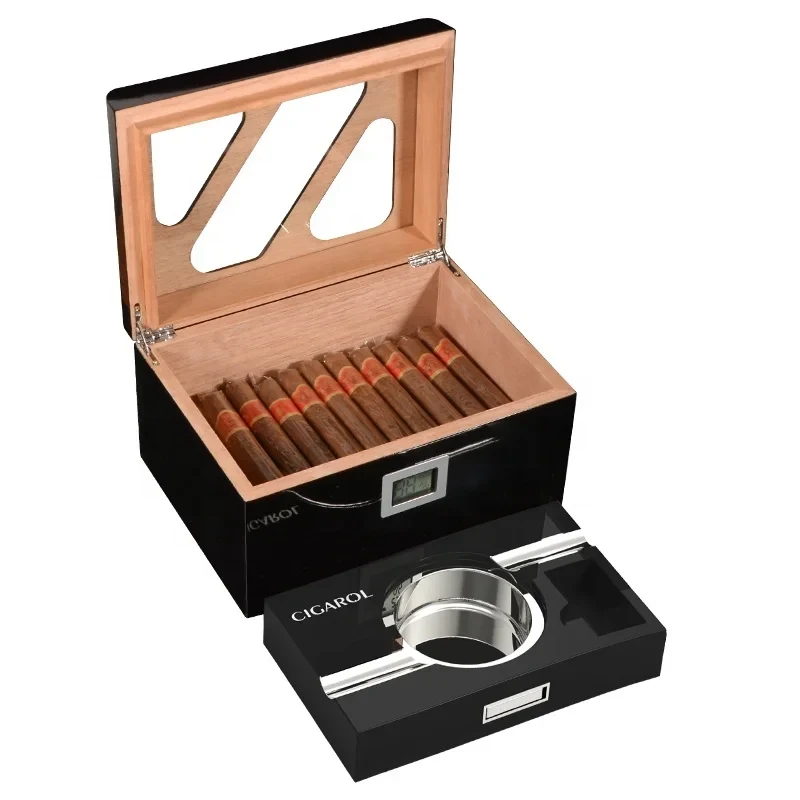
In a small cigar box, a piece of cedar lining is enough to regulate moisture. But in a cabinet holding hundreds of cigars, uneven humidity zones appear unless fans circulate air. Scale changes the energy required to maintain balance.
Key Differences
- Cabinet: Needs powered humidifiers and sometimes heaters.
- Box: Needs tight lid fit and cedar buffer only.
- Cabinet: Large space increases risk of uneven RH.
- Box: Small space equalizes fast but is more sensitive to leaks.
I once designed a cabinet for a Swiss retailer. Without a fan, the top shelf was too dry and the bottom too wet. In a cigar box, that problem never exists because of the limited space.
Can cabinet features like ventilation channels or multi-point seals be miniaturized for boxes?
Features often flow from big to small.
Ventilation channels and multi-point seals from cabinets can be scaled down to boxes, improving humidity balance and airtightness.
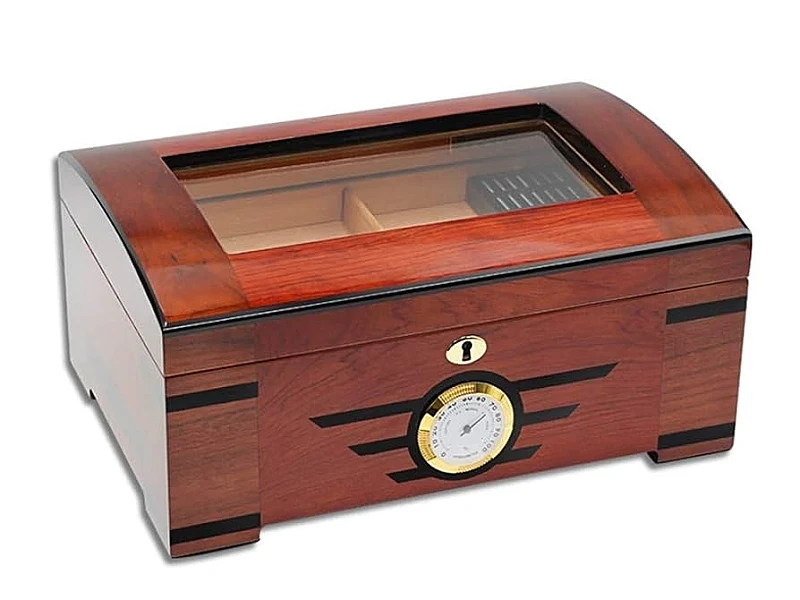
In cabinets, air channels and gaskets ensure uniformity. For boxes, scaled-down channels or dual seals can also improve performance. For example, adding a tiny vent groove under a tray helps air move inside multi-layer boxes.
Miniaturized Features
| Cabinet Feature | Box Version | Effect |
|---|---|---|
| Ventilation Channel | Tray grooves | Evens RH inside |
| Multi-point Seal | Beveled edges + magnets | Tight lid closure |
| Adjustable Vents | Micro vents in travel boxes | Prevent condensation |
One German client asked me to make a travel humidor with a hidden vent. This idea came directly from my cabinet experience. The result was a box that traveled well across climates without fogging.
Should the layered wall construction of cabinets inspire double-wall or buffer designs in boxes?
Cabinets are usually thick and layered.
Cabinet-style layered walls can inspire double-wall or buffer-zone designs in boxes, improving insulation and stability.
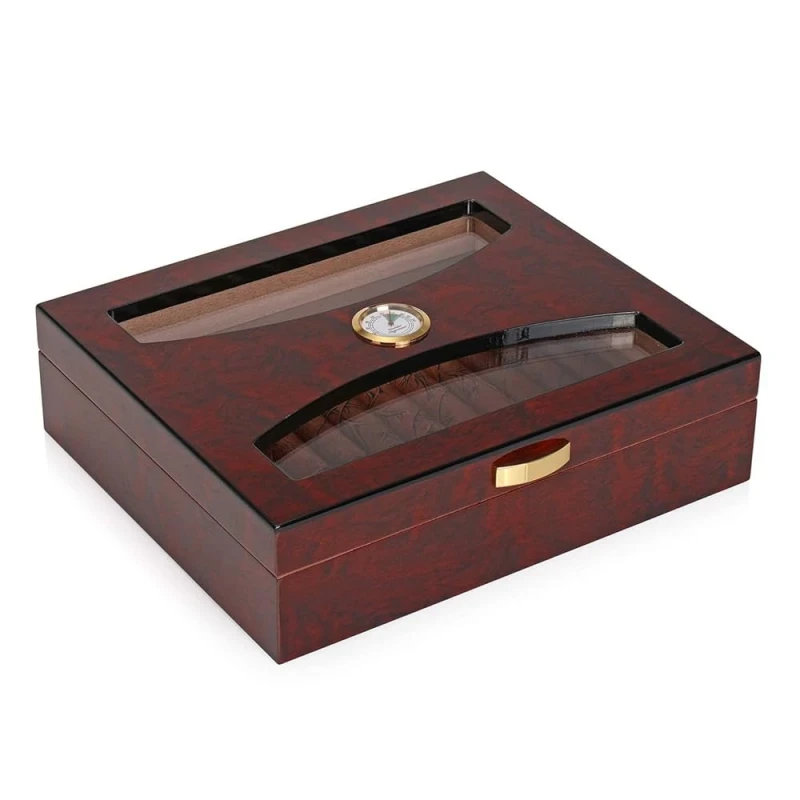
Cabinets often use MDF cores, cedar lining, and veneer exteriors. This multi-layer wall reduces temperature impact. For cigar boxes, double walls or hidden buffer chambers can achieve the same benefit.
Structural Layer Inspirations
- Cabinet Walls: Cedar + MDF + outer veneer.
- Box Walls: Cedar + MDF + lacquer.
- Buffer Layer: Hidden air gaps for insulation.
I applied this idea to a piano-lacquer humidor project. By using cabinet-style walls, the box kept cigars stable even during winter shipping.
How does the placement of humidification devices differ, and what lessons can be borrowed?
Humidity sources must be placed carefully.
In cabinets, humidifiers sit at the bottom with fans distributing air. In boxes, small units or gels are placed near lids or corners to avoid direct cigar contact.
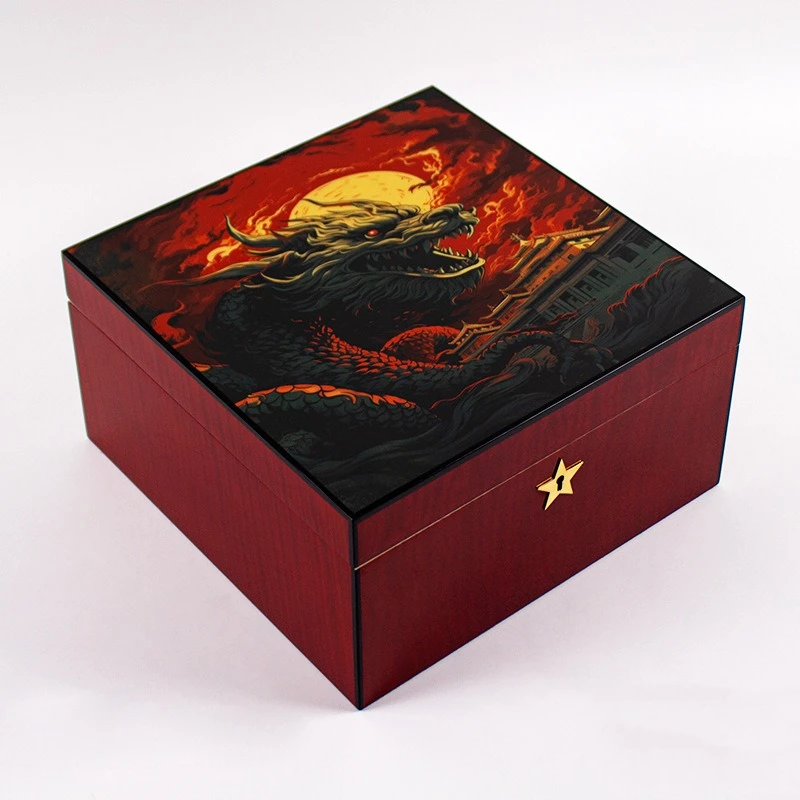
The principle is the same: humidity must circulate evenly without touching cigars directly. Cabinets need active circulation, while boxes rely on passive diffusion.
Placement Lessons
| Cabinet | Box | Lesson |
|---|---|---|
| Bottom + Fan Circulation | Lid, corner, or base | Keep airflow indirect |
| Large Reservoir | Small packets or units | Match scale to space |
| Electronic Sensors | Hygrometer in lid | Monitor for balance |
Once, I copied the idea of multi-point humidity sources from cabinets into a large presentation box. By placing two small humidifiers instead of one, the cigars stayed evenly conditioned.
In luxury design, how can both cabinets and boxes balance aesthetics with technical performance?
A luxury cigar box or cabinet must look as good as it works.
Both need to balance flawless finishing—like lacquer or hidden hardware—with functional elements like sealing, lining, and airflow.
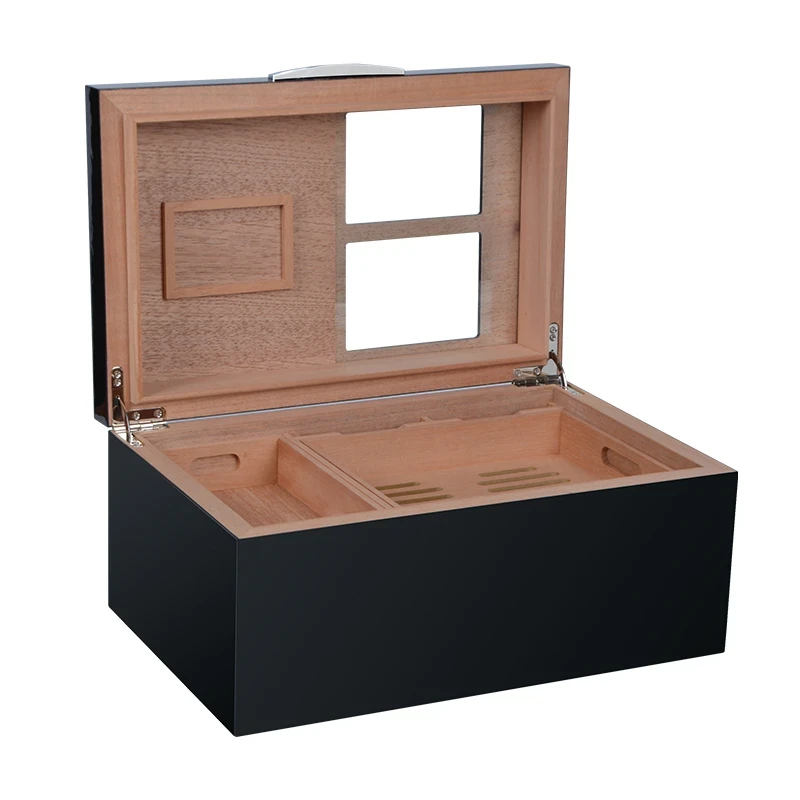
Luxury customers expect perfect piano finishes and invisible engineering. That means hiding vents, magnets, and seals under elegant exteriors. The challenge is not whether it works, but whether it works without showing the effort.
Balancing Luxury and Function
- Invisible Closures: Hidden magnets or locks.
- Perfect Lining: Thick cedar that feels smooth.
- Seamless Design: No compromise between look and seal.
A Middle Eastern client once told me: “I don’t want to see technology, I want to feel it.” That is the secret—letting the structure work silently while the surface shows luxury.
Conclusion
Cigar cabinets and boxes share the same structural DNA. Each can inspire the other to deliver both beauty and stable cigar preservation.
Brand Name: WoodoBox
Slogan: Custom Wooden Boxes, Crafted to Perfection
Website: www.woodobox.com
WhatsApp: +86 18359265311




 English
  Español
  Português
  Deutsch
  Français
  Italiano
  العربية