跳到内容
跳到内容 
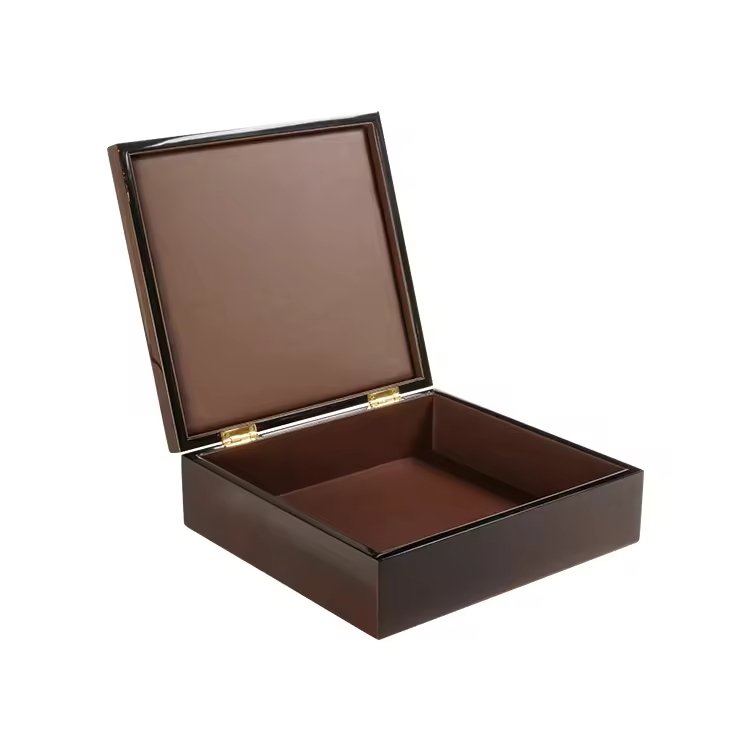
Cigars are prized for their complex flavors. But their delicate aroma is easily influenced by the materials used in storage boxes.
The choice of lining wood directly affects cigar flavor, making Spanish cedar the most trusted option while others may risk interference.
To protect authenticity, cigar brands must carefully choose and test their lining materials.
Why is the cigar’s original aroma so sensitive to external influences?
Cigars are made from natural tobacco leaves. They breathe and absorb their environment. This makes them both valuable and vulnerable.
Cigar leaves act like sponges, taking in external aromas, which is why storage materials strongly affect flavor.

Cigar wrappers are not sealed like packaged food. Instead, they remain porous. Over time, they naturally interact with the surrounding air. This quality allows cigars to age and develop complexity. But it also makes them sensitive to any foreign scent. Even small amounts of wood oils, glue, or paint fumes can change the cigar’s taste.
Why Sensitivity Matters
| Factor | Impact on Cigars |
|---|---|
| Porous tobacco leaf | Absorbs surrounding odors |
| Long-term storage | Greater chance of aroma transfer |
| Premium blends | Subtle flavors easily disrupted |
I often remind clients that cigars do not forgive mistakes. A poor choice of material may ruin months of aging work.
How does Spanish cedar enhance cigar aging without overpowering its flavor?
Spanish cedar is considered the gold standard. Its balance of aroma and performance is unmatched.
Spanish cedar gently enhances flavor while also regulating humidity and repelling pests.
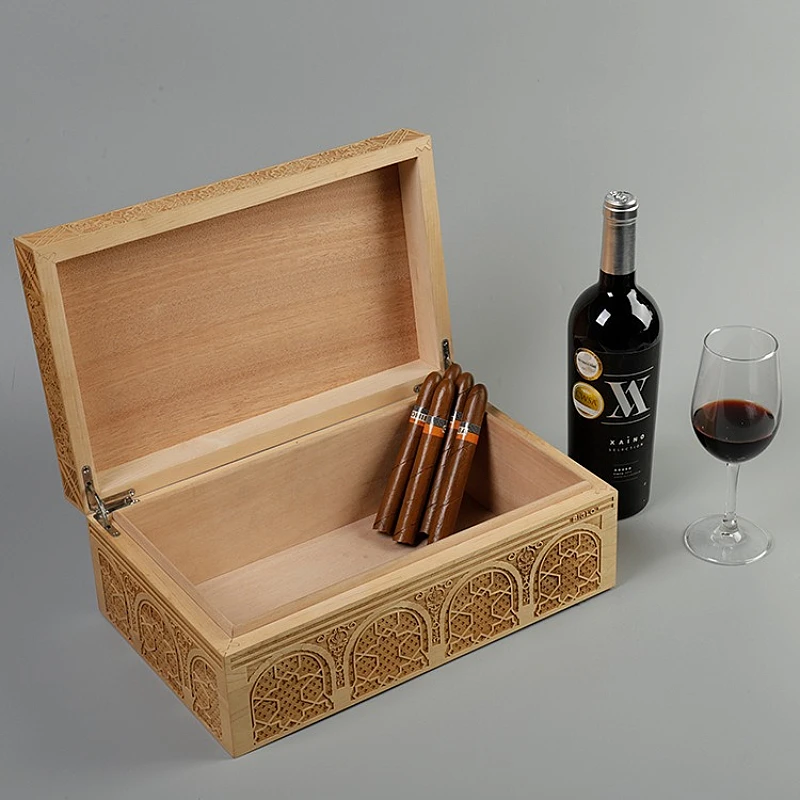
The wood releases a mild fragrance that complements cigar tobacco. It never dominates but adds subtle woody sweetness. Spanish cedar also breathes naturally, helping to keep humidity stable. This balance ensures cigars mature smoothly over time. The oils in cedar further protect against tobacco beetles, a critical factor in cigar preservation.
Benefits of Spanish Cedar
| Property | Effect on Cigars |
|---|---|
| Mild aroma | Adds depth without masking flavor |
| Humidity balance | Prevents drying or molding |
| Pest resistance | Protects from beetle infestation |
From my own production experience, clients who try other woods often return to cedar. They find it gives the safest, most predictable results for aging.
What risks do strongly scented woods pose to cigar taste and balance?
Not all woods are safe for cigars. Some release scents that overpower or distort tobacco.
Woods with strong or resinous aromas can mask or ruin cigar flavor during storage.
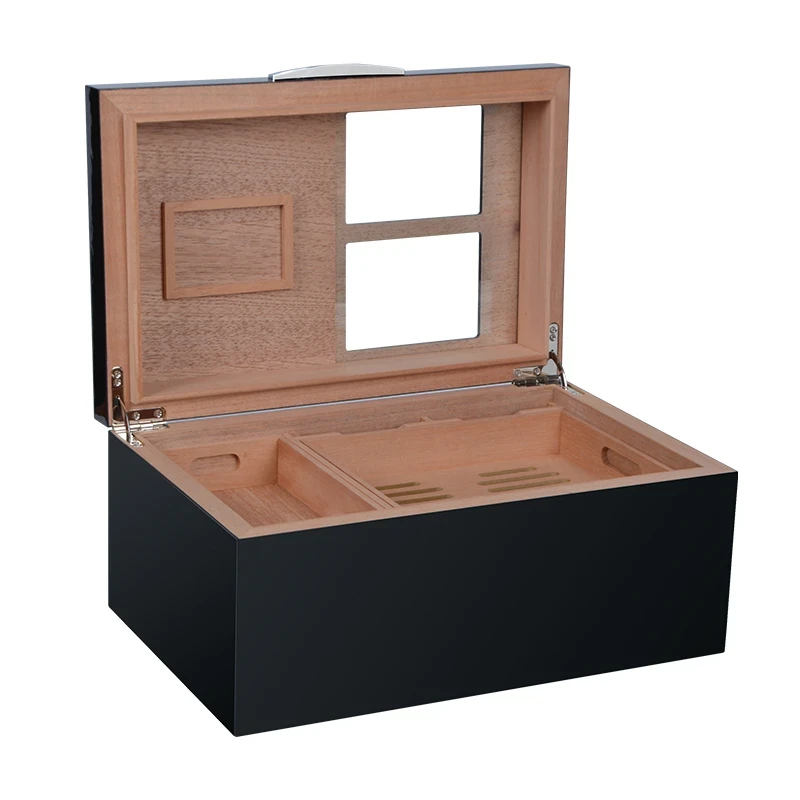
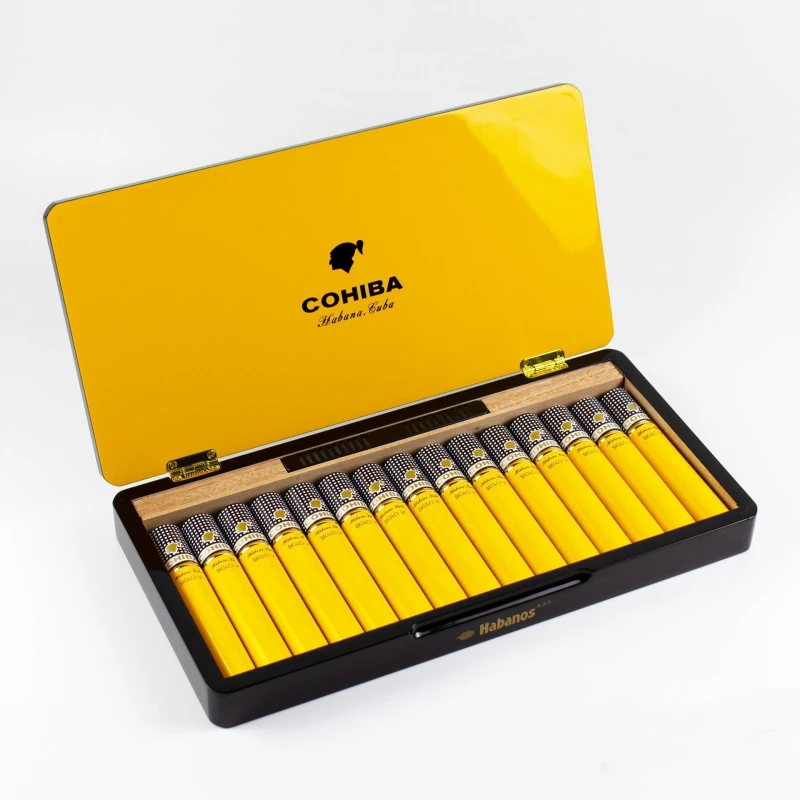
For example, red cedar has a sharp, penetrating smell. It works for closets but overwhelms cigars. Rosewood carries heavy, perfume-like notes. Walnut, though mild, still has an oil content that may alter cigar character. Over months of storage, these aromas penetrate the leaves and cannot be removed.
Risks of Strong Woods
- Overpowering scent masks the cigar’s blend.
- Harsh oils leave bitterness or sharpness.
- Resin stains can physically mark wrappers.
- Collector value drops if cigars lose authenticity.
I recall a customer who insisted on rosewood interiors for a premium edition. After testing, they found the cigars smelled perfumed. We had to rebuild the boxes with cedar lining.
Which wood properties (porosity, oil content, aroma intensity) matter most in selection?
The right choice comes down to science. Wood properties decide how safe it is for cigars.
Porosity, oil content, and aroma strength are the three main factors to evaluate.
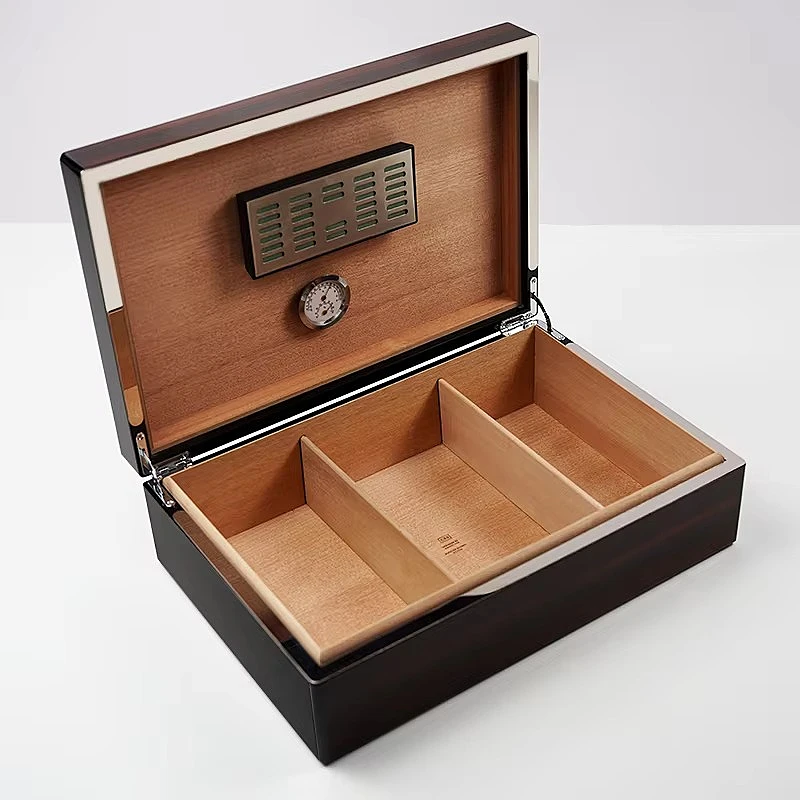
- Porosity: Determines how well the wood breathes and balances humidity.
- Oil Content: High oil means higher risk of aroma transfer and resin stains.
- Aroma Intensity: Woods with subtle scents are safer than those with strong fragrances.
Property Comparison
| Property | Ideal Range for Cigars |
|---|---|
| Porosity | Medium (balances humidity) |
| Oil content | Low to moderate |
| Aroma intensity | Mild, complementary |
Spanish cedar fits these requirements almost perfectly. Other woods often fail in one or more categories.
Can engineered or treated woods reduce unwanted scent interference?
Yes, engineering and treatments offer solutions. But they have limits.
Engineered cores with cedar veneer or degreased treatments can reduce risks, but tradition still favors natural cedar.
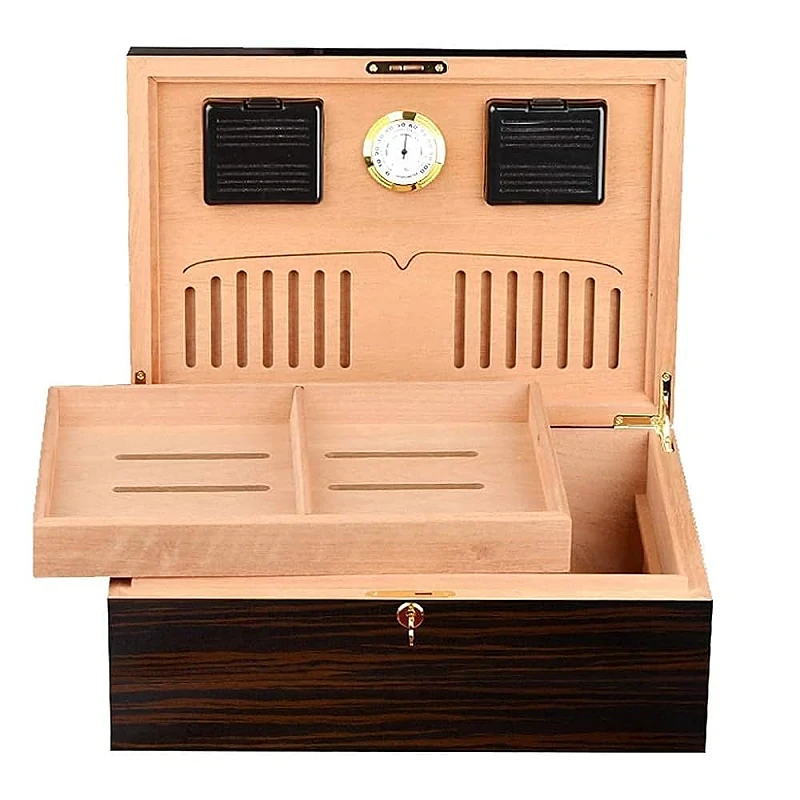
Manufacturers sometimes use MDF with cedar veneer. This reduces cost and keeps cedar in contact with cigars. Degreasing treatments on cedar lower oil content, making it safer. Other exotic hardwoods can be used if sealed or kept outside the lining layer. However, collectors often still prefer authentic solid cedar for its heritage and aroma.
Solutions Available
| Technique | Effectiveness for Cigar Safety |
|---|---|
| Cedar veneer on MDF | Preserves aroma, lowers cost |
| Kiln-dried cedar lining | Removes excess oils, stable |
| Exotic hardwood exterior | Luxury look, no aroma transfer |
In practice, many brands now adopt hybrid solutions: cedar inside, luxury hardwood or veneer outside.
How should cigar brands evaluate and test lining materials before mass production?
Testing is essential before committing to large orders. This prevents costly mistakes.
Brands should run aroma, humidity, and aging tests on box prototypes before approving materials.
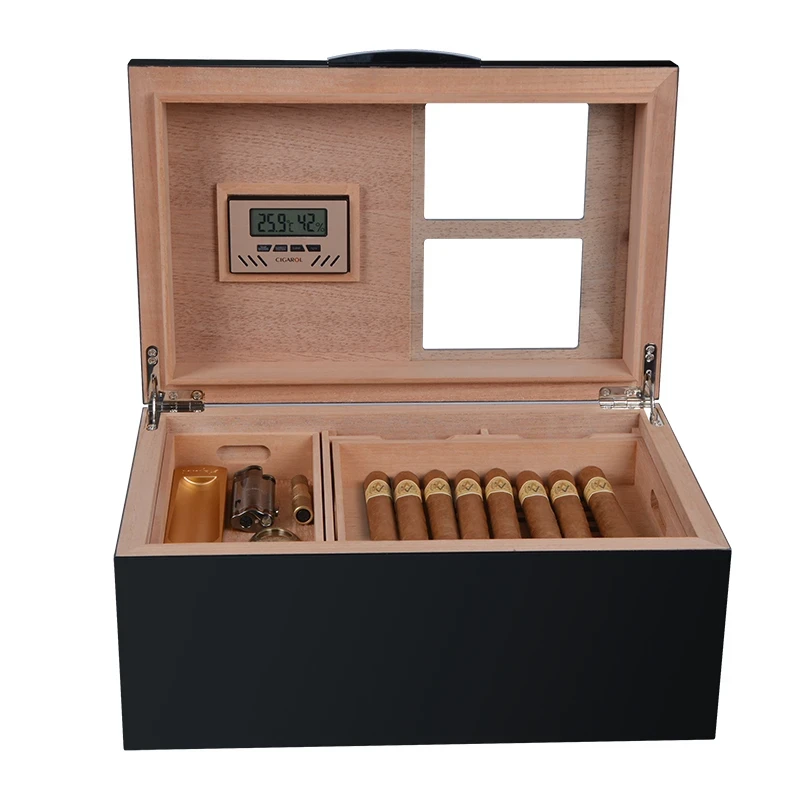
Steps for Evaluation
- Smell Test: Place cigars in a prototype box for two weeks. Check if flavors shift.
- Humidity Test: Monitor moisture balance over 30 days. Compare with ideal levels.
- Aging Test: Store cigars for three months. Evaluate changes in flavor.
- Material Certification: Ask suppliers for kiln-drying or treatment records.
- Client Feedback: Share samples with loyal customers for early impressions.
In my own work, I never start mass production without sending a sample box for client testing. This builds trust and avoids future complaints.
Conclusion
Cigar flavor is fragile. Spanish cedar remains the safest lining choice, but engineered solutions or hybrids can work if properly tested and treated.
Brand Name: WoodoBox
Slogan: Custom Wooden Boxes, Crafted to Perfection
Website: www.woodobox.com
WhatsApp:** +86 18359265311

 English
  Español
  Português
  Deutsch
  Français
  Italiano
  العربية