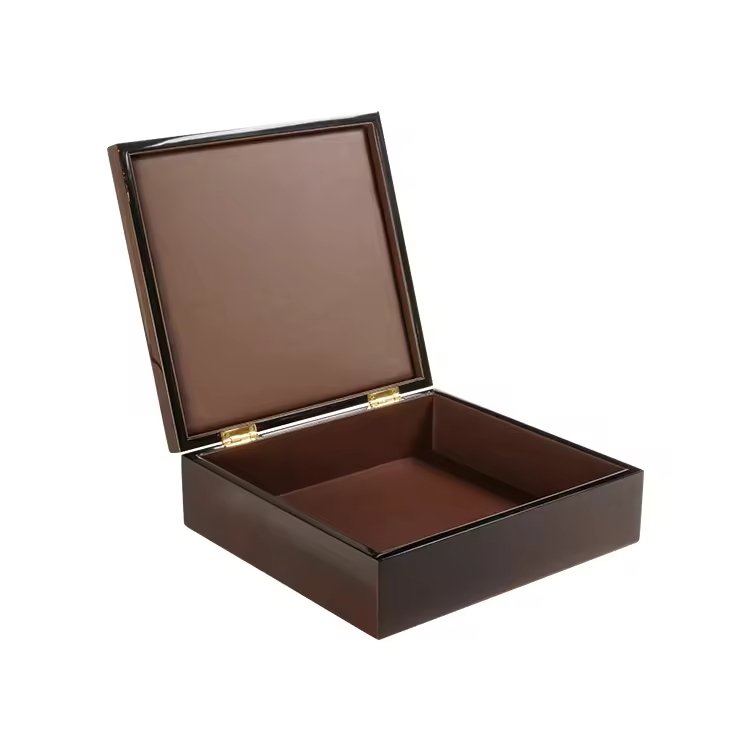
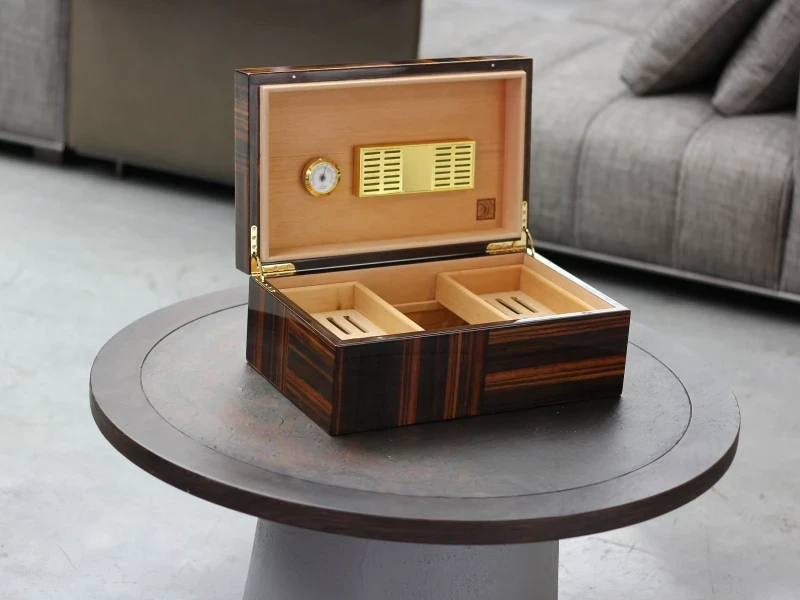
Wood is the soul of every luxury box. But different origins bring different behavior in the workshop.
Yes, the origin of wooden materials affects processing stability because density, moisture, and grain vary, leading to different challenges in machining and long-term durability.
Understanding origin helps buyers choose materials that look beautiful, process efficiently, and remain stable for years.
How do different wood origins influence hardness and workability during processing?
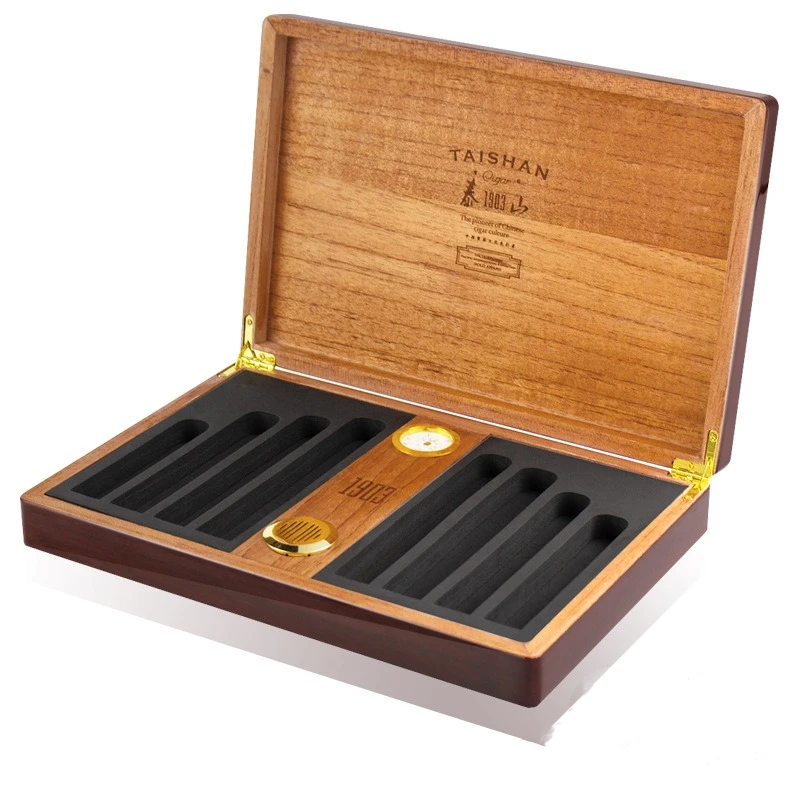
African Padauk and North American Walnut are both popular. Yet they feel very different under tools.
Padauk is harder and denser, requiring sharper tools, while Walnut is softer and easier to cut, sand, and polish.
Comparison of Workability
| Wood Origin | Hardness (Janka) | Workability | Tool Wear |
|---|---|---|---|
| African Padauk | Very High | Low-Medium | High |
| North American Walnut | Medium | High | Low |
My Workshop Story
When I first cut African Padauk, the rich reddish color amazed me. But the density quickly dulled my blades. Walnut, on the other hand, cuts smoothly and allows delicate carving without burning tools.
So, in terms of processing stability, walnut gives more predictable results. Padauk brings unmatched hardness but demands more skill and equipment maintenance.
Does the moisture content of African vs. North American wood affect stability?

Moisture balance decides if wood will stay stable or twist later. Different origins have different drying behavior.
African Padauk tends to hold more natural oils and requires longer drying, while Walnut stabilizes faster and shows fewer post-drying shifts.
Moisture Behavior Table
| Wood Origin | Natural Oil Content | Drying Speed | Risk After Drying |
|---|---|---|---|
| African Padauk | High | Slow | Moderate Movement |
| North American Walnut | Low-Medium | Fast | Low Movement |
Practical Experience
In my factory, I once had a shipment of Padauk that was not dried long enough. After machining, small cracks appeared a week later. With Walnut, I rarely see this issue because it stabilizes more predictably.
So, for buyers who want stable production with fewer surprises, North American Walnut usually performs better. Padauk needs extra care in moisture control before use.
How does grain structure from different regions impact carving or finishing results?
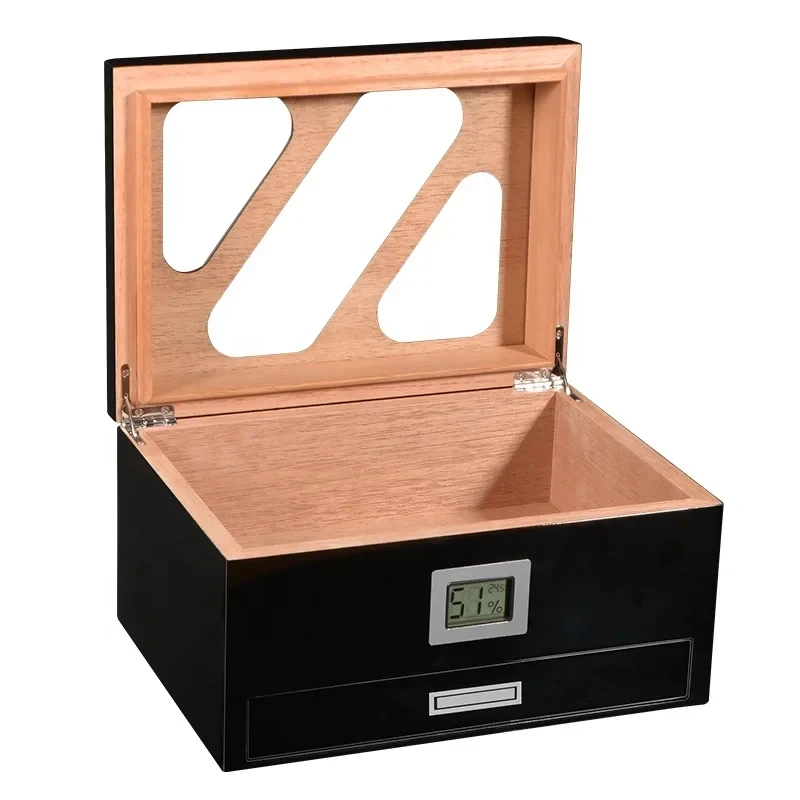
Grain is not only visual. It changes how wood responds to carving, sanding, and polishing.
Padauk has interlocked grain that makes carving harder but creates a bold exotic look. Walnut has straight grain that is smooth to shape and finishes evenly.
Grain Characteristics
| Wood Origin | Grain Type | Carving Ease | Finishing Result |
|---|---|---|---|
| African Padauk | Interlocked | Hard | Bold Exotic Look |
| North American Walnut | Straight | Easy | Smooth Classic |
Example
A client once ordered jewelry boxes with Padauk carving. The interlocked grain made clean carving very difficult. Small fibers tended to tear out. Walnut carvings, however, came out crisp and refined, ideal for delicate brand logos.
In finishing, Padauk’s oily nature sometimes resists water-based coatings, while Walnut accepts most finishes without problems. This difference often affects production time and consistency.
Are certain origins more resistant to warping, cracking, or deformation over time?
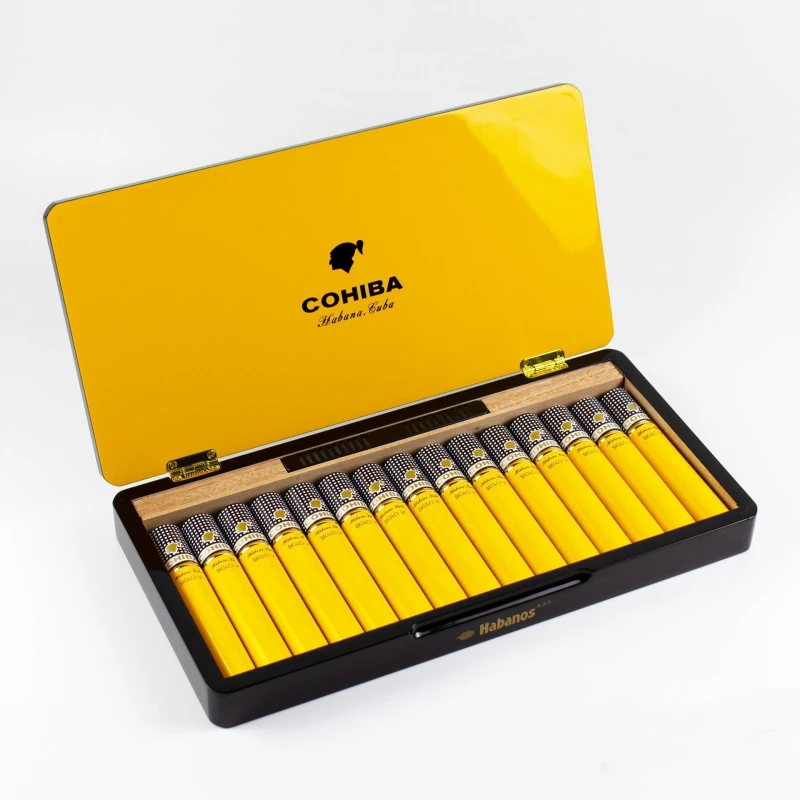
Long-term stability is key for luxury boxes that must look good for decades.
Walnut shows higher resistance to warping and cracking, while Padauk can deform if not dried and sealed properly.
Resistance Table
| Wood Origin | Warping Resistance | Cracking Resistance | Long-Term Stability |
|---|---|---|---|
| African Padauk | Medium | Medium | Medium |
| North American Walnut | High | High | High |
Story from Practice
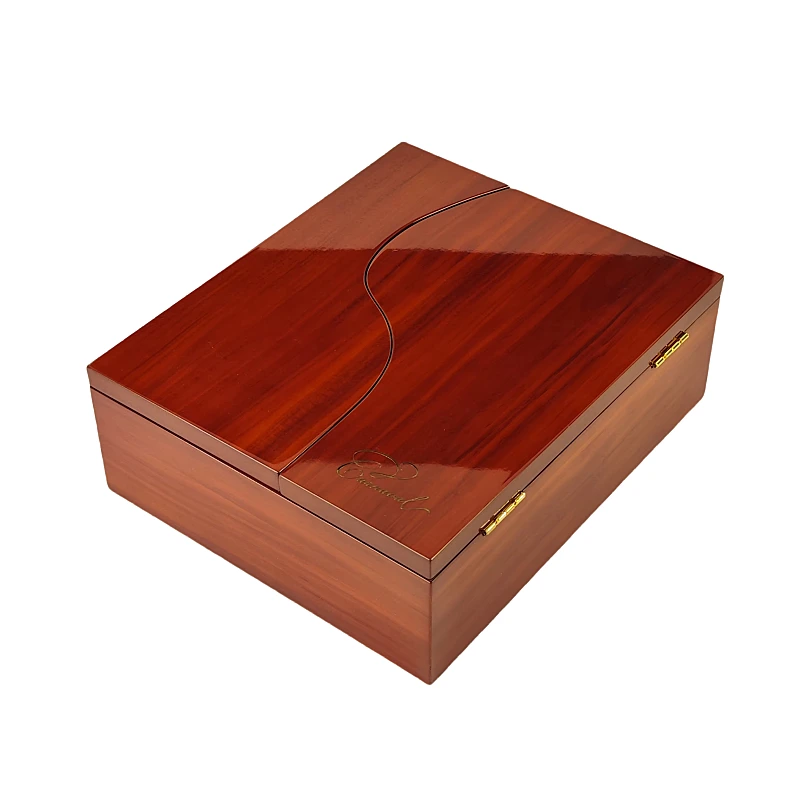
I once shipped a small cigar humidor series made with Padauk panels. Six months later, a customer from Europe reported slight lid warping. The same designs made in Walnut never had this problem. The difference came from natural oil and interlocked grain, which react more to humidity.
So, if stability is the top priority, North American Walnut is usually the safer choice.
How do wood origins influence the cost-efficiency of manufacturing luxury boxes?
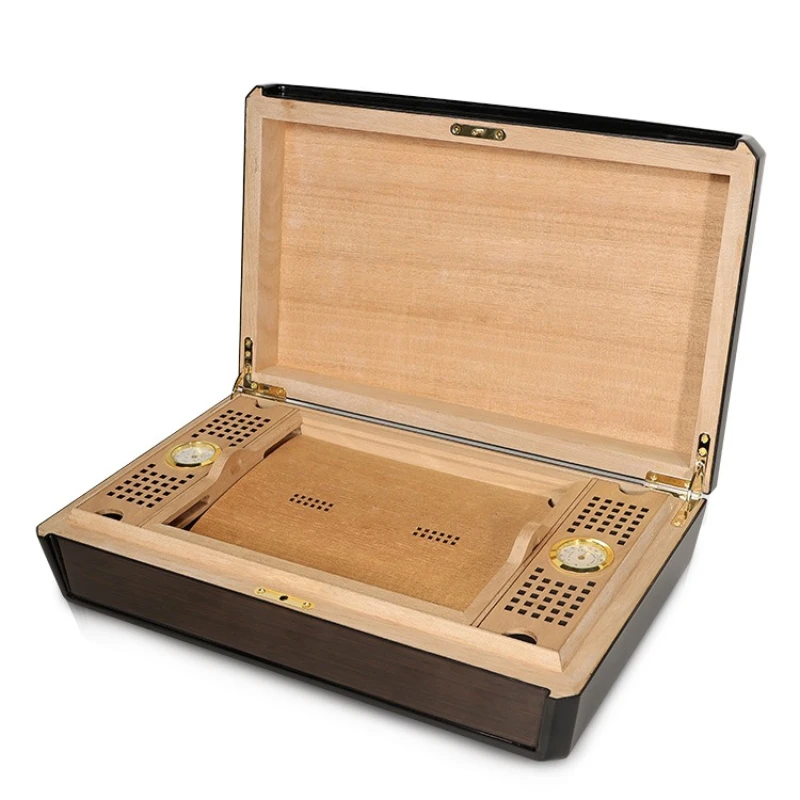
Cost-efficiency is more than raw price. It includes tool wear, drying time, defect rates, and ease of finishing.
Walnut is more cost-efficient overall because it processes easily, while Padauk increases tool costs, drying time, and finishing challenges.
Cost Breakdown
| Factor | African Padauk | North American Walnut |
|---|---|---|
| Raw Material Cost | Medium | Medium-High |
| Processing Cost | High | Medium |
| Waste Rate | Higher | Lower |
| Overall Efficiency | Lower | Higher |
My Own Numbers
In one project, Padauk raised tool replacement cost by 20% compared to Walnut. Finishing took longer too. Walnut, while slightly pricier in raw cost, saved money in processing and gave more consistent results.
So, from a business point of view, Walnut often brings better balance of cost and quality.
Which origin materials are better suited for high-end cigar, watch, or jewelry boxes?
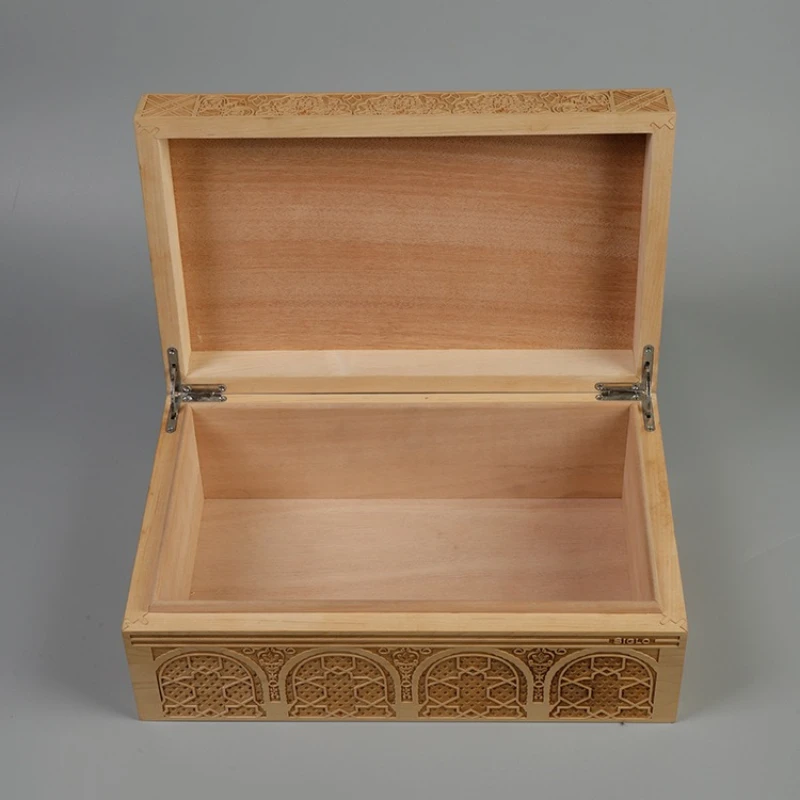
Different luxury products call for different wood aesthetics and stability.
Walnut is best for refined, stable high-end boxes, while Padauk is suitable for bold, exotic limited editions.
Suitability Table
| Product Type | African Padauk | North American Walnut |
|---|---|---|
| Cigar Boxes | Exotic, vibrant, heavy | Stable, classic, reliable |
| Watc |

 English
  Español
  Português
  Deutsch
  Français
  Italiano
  العربية