跳到内容
跳到内容 

I know the frustration when you want to pause a cigar, but you fear it will taste awful later. Many smokers face this same problem.
You can save a cigar for later by letting it go out naturally, trimming the burnt end, cooling it down, and storing it in a sealed and odor-free environment. These steps keep the flavors stable and reduce bitterness when you relight it.
I learned this process from years of working with cigar brands and from watching how flavor changes during handling. When you follow the right steps, a saved cigar can still taste good and smooth.
Why should a cigar be handled gently when you plan to save it rather than smoke it all at once?
I know how easy it is to tap or squeeze a cigar without thinking, but this can damage the wrapper and ruin the smoke later.
A cigar needs gentle handling because its wrapper and inner structure are fragile after heating. You protect the natural oils and prevent cracks when you handle it softly.

When a cigar burns, the wrapper becomes softer and more sensitive. I have seen many partially smoked cigars crack because someone tapped them against an ashtray or held them too firmly. Heat weakens the leaf fibers. The wrapper then reacts strongly to pressure. This is why even a small squeeze can open a tear, and a tear lets moisture escape fast.
How heat affects the cigar structure
The heat from smoking makes the tobacco swell. The wrapper stretches. This is normal during smoking. But when you stop smoking and plan to save the cigar, the cigar begins to cool. As it cools, the wrapper contracts. This movement makes it even easier to damage.
What gentle handling protects
- Natural oils: These oils give the cigar its aroma and smooth taste. If the wrapper cracks, the oils dry faster.
- Shape and firmness: A firm shape keeps the draw smooth. Once the structure breaks, airflow becomes uneven.
- Wrapper integrity: A clean wrapper means slower staling and less bitterness later.
I learned this from many years of making high-end cigar boxes. When I test cigars for humidity behavior, even a small surface crack changes the result. This is why cigar brands always tell buyers to treat cigars carefully.
So gentle handling is not only about respect. It is about keeping the cigar alive for the next session.
How long can a partially smoked cigar realistically be kept without losing too much flavor?
Most people think you can save a cigar for hours, but the truth is more limited.
A partially smoked cigar can usually stay acceptable for 12–24 hours if stored correctly, but flavor decline starts within minutes, not hours.
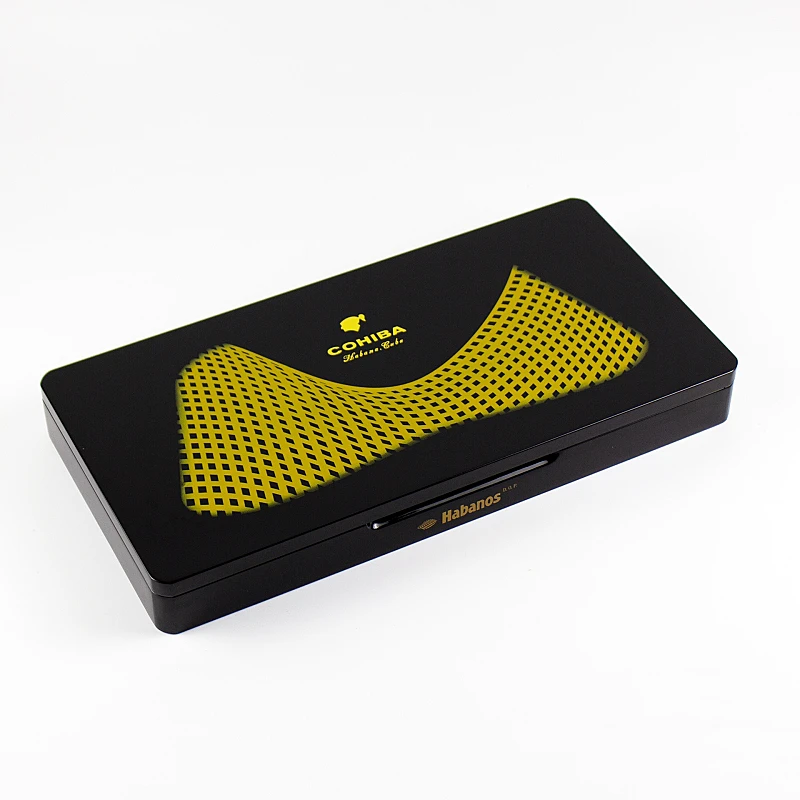
Once a cigar is lit, oxygen and heat start changing the tobacco. When the ember stops burning, the inner leaves cool down. This slows the process but does not stop it. I have tested saved cigars many times when working with cigar clients, because they often check how their cigars behave in real-life use.
Flavor timeline after stopping your smoke
Here is what usually happens:
| Time After Stopping | What Happens | Impact on Flavor |
|---|---|---|
| 0–10 minutes | Cigar still warm | Slight sourness may start |
| 30 minutes | Oils begin to dry | Stronger burnt note |
| 1–3 hours | More oxidation | Harsher first draws |
| 6–12 hours | Staling increases | Noticeable bitterness |
| 24+ hours | Tobacco dries out | Harsh, flat, low aroma |
What affects the time window
- Humidity control: A sealed bag or tube slows drying.
- Heat exposure: Warm rooms shorten the “good window.”
- How clean the cut end is: A fresh trim reduces burnt flavors.
- Air exposure: Open air accelerates staling.
You can keep a cigar overnight if you follow the right steps, but I tell most clients not to push beyond 24 hours. After that, the taste loss is too big.
What steps help a cigar cool naturally and prepare it for proper storage?
Many smokers rush this step, but rushing causes more damage than they expect.
A cigar should be allowed to rest untouched until it goes out on its own, then cool for 5–10 minutes before you trim and store it. This protects the wrapper and reduces bitterness.

When I work with cigar makers, we often test cigars under different cooling patterns to see how the wrapper behaves. Fast temperature changes always cause micro-cracks that the eye cannot see but the smoke can feel later.
Simple steps for natural cooling
1. Let it go out naturally
Do not stub it like a cigarette. This crushes the structure and leaves a strong burnt smell.
2. Wait for 5–10 minutes
This allows the cigar to cool evenly. A hot cigar in storage releases moisture quickly. This creates sharp, sour smells inside the container.
3. Trim the burnt end
Use a cutter to remove 3–5 mm of the burnt ash area. This removes the strongest bitter part. I tested this many times, and trimming always gives a cleaner relight.
4. Prepare for enclosure
Hold the cigar gently so the wrapper does not crack. A cooled and trimmed cigar is ready for controlled storage.
Why this cooling matters
Natural cooling protects these key elements:
- Moisture balance
- Wrapper elasticity
- Aroma stability
- Reduced burnt residue
A cigar that cools the right way enters storage in a stable condition. This gives you a better chance of enjoying it later.
How should a half-smoked cigar be stored to reduce bitterness, odor, and moisture loss?
This step determines how good the cigar will taste when you pick it up again.
The best way to store a half-smoked cigar is inside a sealed container, tube, or zipper bag with as little air as possible. This limits odor, slows drying, and reduces oxidation.
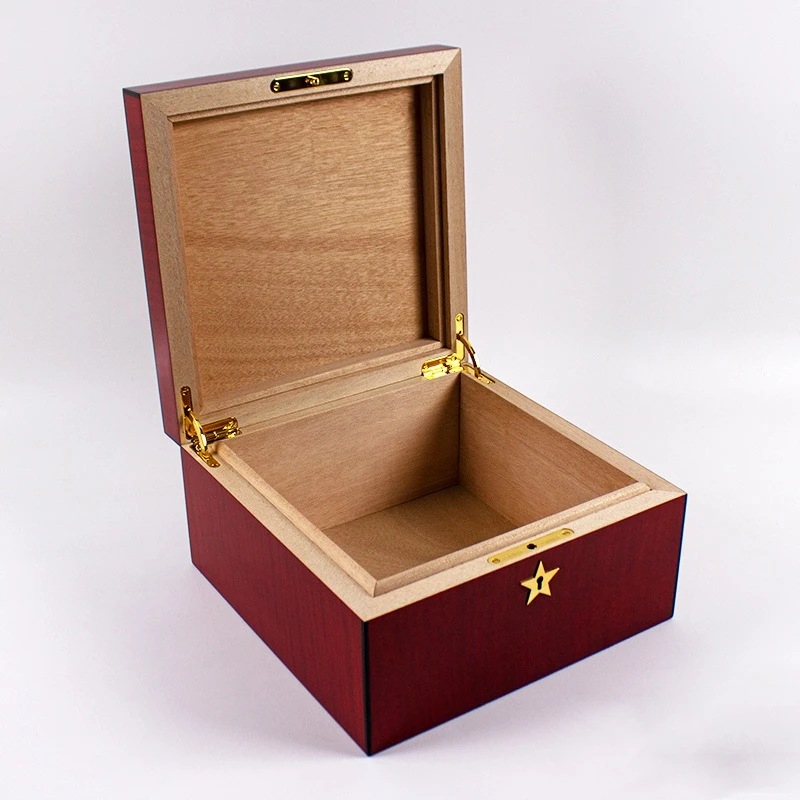
When I work with cigar packaging projects, we run tests on how cigars behave in different enclosures. The same cigar tastes very different depending on storage. Air is the enemy. Odor transfer is the second enemy.
Best storage options
1. Aluminum or stainless cigar tube
- Blocks odor
- Limits air
- Good for short-term saving
2. Small resealable plastic bag
- Easy to carry
- Keeps moisture longer
- Remove as much air as possible
3. Glass or acrylic cigar jar
- Better protection
- Works well for overnight storage
I do not recommend storing a half-smoked cigar inside a humidor. A humidor will absorb the burnt smell and affect other cigars.
Key storage principles
| Principle | Why it matters |
|---|---|
| Minimal air | Slows oxidation and staling |
| Odor isolation | Prevents the “ash smell” from getting stronger |
| Cool environment | Heat speeds flavor loss |
| Clean trimmed foot | Reduces bitterness on relight |
Extra note from my experience
When cigar brands ask me to design packaging for them, they often test short-term storage with real customers. The cigars that were stored with minimal air always performed better. Small details matter.
What mistakes ruin a saved cigar, and how can smokers avoid them for a better relighting experience?
Most bad relighting experiences come from simple mistakes that are easy to avoid.
The biggest mistakes include stubbing the cigar, storing it while still hot, leaving it exposed to open air, and failing to trim the burnt end. Avoiding these keeps the taste smoother.

Over the years, I have listened to many smokers complain about harsh relights. When I ask how they stored the cigar, they usually name one of these mistakes.
Top mistakes to avoid
1. Stubbing the cigar
This crushes the structure. It also forces burnt smell deep into the tobacco.
2. Leaving it in open air
The cigar dries fast. The wrapper becomes brittle. The draw becomes sharp and hot.
3. Storing while hot
Heat increases moisture loss. It also makes the burnt zone stronger.
4. Skipping the trimming
A burnt tip holds many bitter compounds. Trimming removes most of them.
5. Putting it back in the humidor
Humidors spread the burnt smell. Other cigars absorb it.
How to get the best relighting experience
- Let the cigar go out naturally
- Allow full cooling
- Trim before storage
- Store in a sealed space
- Relight slowly with patience
Why avoiding these mistakes matters
Good cigars cost money. They also carry the character of the brand. When I work with cigar companies, we talk a lot about how to protect the cigar taste in every stage of handling. Saving a cigar for later is simply another stage that needs attention.
Conclusion
Saving a cigar works well when you cool it slowly, trim it clean, and store it with minimal air for a smoother relight.



 English
  Español
  Português
  Deutsch
  Français
  Italiano
  العربية