I know the pain of opening a box and seeing cigars that feel stiff and lifeless, and I know how fast this problem can ruin good tobacco.
You can rehydrate a cigar by slowly restoring balanced humidity with a stable environment, gentle airflow, and the right tools. When you raise moisture step by step, the cigar regains flexibility, aroma, and burn consistency.
I want to walk you through every part of this process in a simple and clear way, so you can save your cigars without stress and feel confident each time you handle this situation.
How can you tell when a cigar is truly dried out and needs rehydration rather than replacement?
I see many cigars arrive in my workshop from buyers who think they are too dry to save, and they worry they already lost their investment.
A cigar needs rehydration when the wrapper cracks easily, the body feels hollow or crunchy, and the aroma becomes faint. When the leaf has not discolored or split deeply, rehydration is still possible.
When I inspect cigars for clients, I look for a few simple signals that never fail. You can check the same things at home without any tools. I want to explain them in detail so you know the difference between “dry but recoverable” and “too far gone.”
Key Signs of a Recoverable Cigar
| Sign | What It Means | Still Recoverable? |
|---|---|---|
| Wrapper feels stiff but not cracked open | Lost surface moisture | Yes |
| Body feels light but not crumbly | Core still holds oils | Yes |
| Aroma is faint but present | Oils not fully evaporated | Yes |
| Cap intact and not flaking | Structure still stable | Yes |
| Color looks normal | No heat or sun damage | Yes |
When a Cigar Is Truly “Dead”
A cigar becomes impossible to save when the leaf is scorched by heat or dried under strong sun. The wrapper will form wide cracks, the filler will crumble like dust, and the smell becomes stale, not faint. In those cases, moisture cannot rebuild the structure.
Personal Story From the Workshop
I once received a box of cigars left in a shipping container for weeks. The client expected to save them, but the wrappers were peeling off like old paper. I could not recover them because the fibers lost their oil content. That moment taught me a simple rule I still share today: If the wrapper is broken deeply, no amount of humidity will repair it. This rule alone saves buyers a lot of time and frustration.
What safe, gradual methods help bring moisture back into a cigar without damaging its structure?
Many people make the mistake of adding moisture too fast, and they see the wrapper swell or split. I saw this happen many times when buyers tried home fixes.
You can safely rehydrate a cigar by increasing humidity in small steps. Start with a mildly humid environment, let the cigar adjust for several days, and slowly move it toward ideal humidity.
A safe rehydration method protects the wrapper first, then the filler. That is why slow humidity is always the goal. I use this same slow method when clients send me antique cigars or handmade cigars with delicate wrappers.
The Gentle Rehydration Timeline
I like to use a simple three-phase approach:
Phase 1: Low Humidity Introduction (55–60% RH)
This stage wakes the cigar slowly. The wrapper gains softness first, which prevents cracking later.
Phase 2: Mid-Range Humidity (60–65% RH)
The filler begins absorbing moisture and regains shape. The cigar becomes less brittle.
Phase 3: Final Stabilization (65–69% RH)
The cigar reaches a smokable condition. The oils start to express aroma again.
This method usually takes 7 to 14 days. Faster change may harm the cigar more than dryness itself.
Tools You Can Use
| Tool | Why It Helps | Notes |
|---|---|---|
| Small plastic box | Creates a stable micro-environment | Cheap and easy |
| Humidification pack | Gives controlled humidity | Choose mild RH first |
| Distilled water dish (sealed separately) | Raises humidity slowly | Never let the cigar touch water |
| Hygrometer | Shows changes clearly | Digital is best |
Why Gradual Humidity Is the Only Safe Path
Tobacco leaves expand when they absorb moisture. The wrapper is thin and fragile, so it expands faster than the filler. When humidity is too high at the start, the wrapper swells before the filler catches up, and this causes cracking. Slow humidity keeps everything expanding evenly.
How does using a humidor, Boveda pack, or controlled environment affect rehydration success?
Many buyers rely on humidors or Boveda packs, but they apply them without understanding how each tool changes moisture movement.
A humidor, Boveda pack, or controlled box works well for rehydration when you begin with low humidity and increase it step by step. These tools keep moisture steady, which protects the wrapper from sudden expansion.
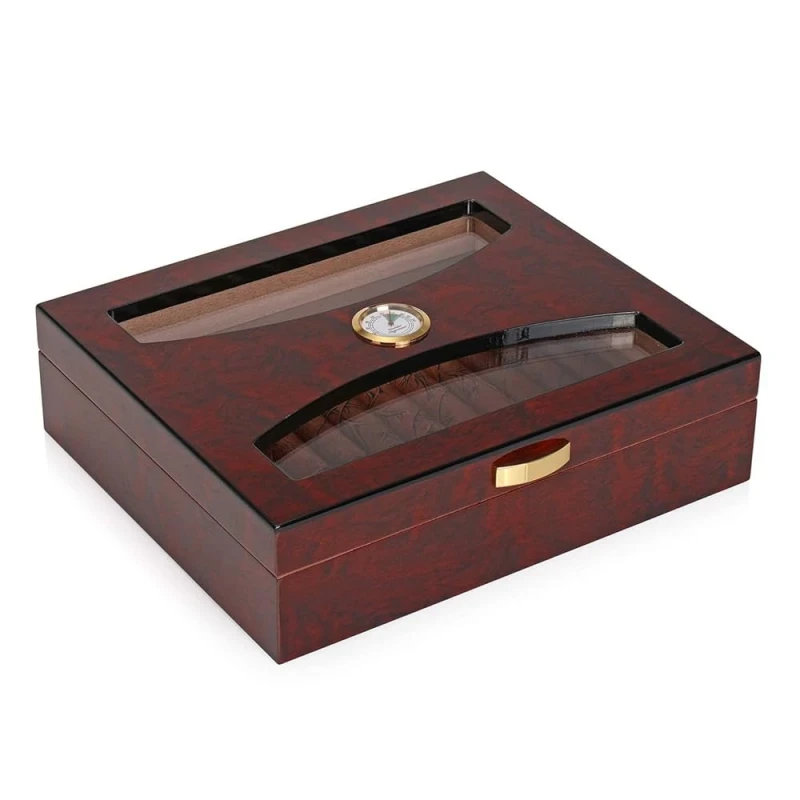
I worked with cigar brands that ship in bulk. They use different methods depending on cigar age, wrapper thickness, and shipping distance. Their approach taught me that humidity stability, not the tool itself, determines success.
Humidor Rehydration Method
A humidor works best when the cigars are only slightly dry. I start with a low-humidity humidification source inside the humidor, then let the cigars rest for a few days.
Steps I Follow
- Remove all high-RH packs or humidifiers.
- Place a 55% pack or mild humidifier.
- Let cigars sit for 3–4 days.
- Replace with a 62% pack for another few days.
- Finish with a 65–69% pack for 3 more days.
This slow process keeps the humidor from shocking the wrapper.
Boveda-Only Method
Boveda packs are simple and stable. They balance humidity without needing any adjustment. But the key is to start low.
| Cigar Condition | Recommended Starting Pack | Reason |
|---|---|---|
| Slightly dry | 62% | Gentle adjustment |
| Very dry | 55% | Protects wrapper |
| Moderately dry | 58% | Safe mid-ground |
Buyers sometimes put a 72% pack directly into a box of dry cigars. This is too fast. It creates swelling and cracking.
Controlled Box Method
This method uses a sealed plastic or wooden box with a dish of distilled water. It gives very slow humidity rise. I use this method for old or delicate cigars.
Why it works well:
- No sudden moisture spikes
- The air changes naturally
- Easy to monitor
- Low risk of mold
The only rule is simple: Keep the cigar far away from liquid water.
Why is slow rehydration essential for preserving a cigar’s flavor, burn quality, and wrapper integrity?
Every cigar is a bundle of long, natural leaves. They respond to moisture in ways many smokers do not notice.
Slow rehydration protects the wrapper from cracking, keeps the filler from swelling unevenly, and preserves the oils that create aroma, flavor, and smooth burn. Fast moisture often ruins these qualities permanently.
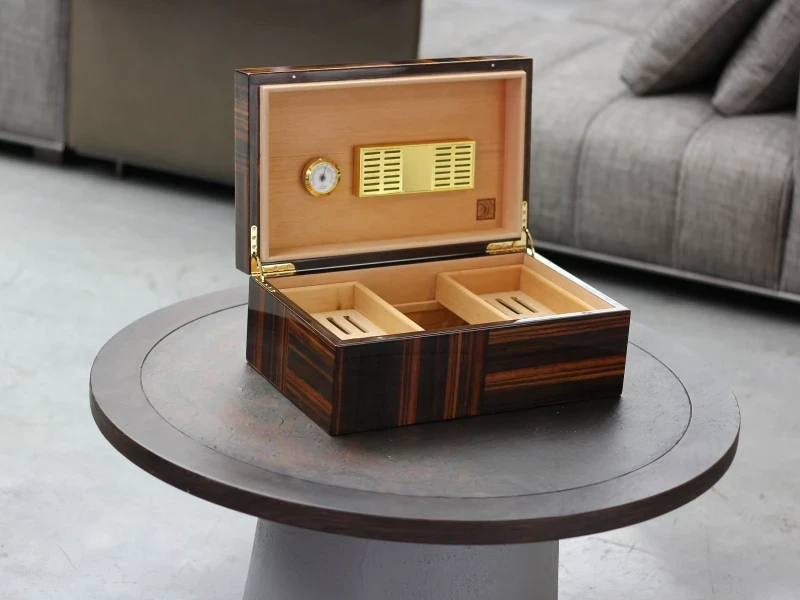
I saw this many times when brands rushed production or shipping. Cigars stored in fast-changing humidity often lost flavor even when they looked fine on the outside.
The Science of Slow Moisture Absorption
Tobacco absorbs moisture from the outside inward. The wrapper leaf always changes first. If you add moisture too fast, the wrapper expands before the filler. This leads to:
- Cracks
- Tunnels in the cigar
- Uneven density
- Harsh burn
Slow humidity allows all layers to expand at the same pace.
Flavor Preservation Through Controlled Humidity
Cigar flavor comes from volatile oils inside the leaves. When moisture rises too fast:
- Oils migrate unevenly
- Aroma becomes muted
- Flavor becomes flat or harsh
When moisture rises slowly:
- Oils remain stable
- Aroma returns gradually
- Flavor stays balanced
I once helped a client restore a batch of cedar-aged cigars. Slow rehydration brought back the sweet wood notes, while fast methods had previously left them tasting bitter.
Burn Quality and Draw
A cigar burns well when:
- Density is even
- Wrapper and filler have similar moisture
- Airflow is balanced
Slow rehydration protects these qualities. Fast humidity causes swelling inside the filler, blocking airflow. Many smokers think their cigar is plugged, but often it is just over-hydrated too fast.
What common mistakes ruin a dried cigar during rehydration, and how can smokers avoid them?
Over the years, I have seen many cigars ruined not by dryness but by the attempt to fix dryness.
The main mistakes include adding moisture too fast, using direct water contact, using high-RH packs at the start, sealing a cigar with mold, and rushing the timeline. These can all destroy a recoverable cigar.
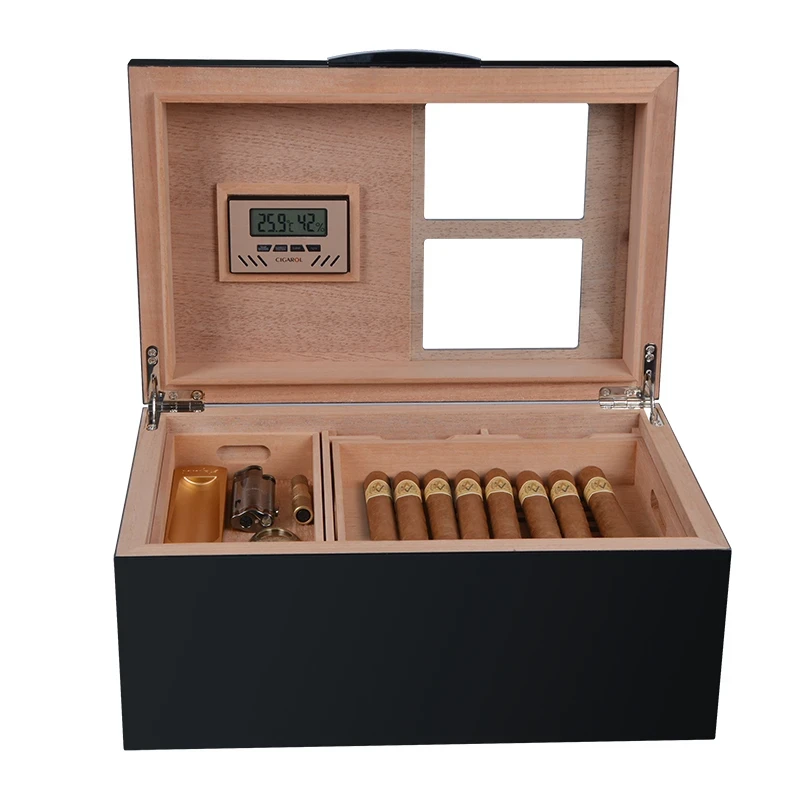
I want to help you avoid these problems with simple rules that always work.
The Most Common Mistakes
1. Adding Too Much Humidity Too Fast
This is the number one cause of wrapper cracking. Never jump from 0% to 70% RH.
2. Putting Cigars Near or Over Water
Cigars should never touch liquid water. This causes swelling and mold.
3. Using 69–72% Packs at the Start
This shocks the wrapper. Always start with lower humidity.
4. Sealing a Dry Cigar in an Over-Wet Box
Over-wet environments create uneven expansion. Let air exchange naturally.
5. Trying to Smoke Too Soon
A rehydrated cigar needs stabilization time. If you smoke early, the burn will be uneven.
The Safe Path: My Simple Rule
If you think you are going slow, go even slower.
This rule has saved more cigars in my workshop than any tool or technique.
Quick Comparison Table
| Mistake | What Happens | How to Avoid |
|---|---|---|
| Fast humidity jump | Wrapper cracks | Start with 55–60% RH |
| Direct water | Swelling and mold | Keep cigars dry |
| High RH pack first | Uneven expansion | Gradual increases |
| No airflow | Mold and odor | Keep micro-ventilation |
| Smoking too early | Hot burn | Let humidity balance |
Conclusion
Slow, steady humidity is the key to saving a dry cigar and bringing back aroma, flavor, and smooth burn.
Brand Name: WoodoBox
Slogan: Custom Wooden Boxes, Crafted to Perfection

 English
  Español
  Português
  Deutsch
  Français
  Italiano
  العربية