跳到内容
跳到内容 
I see many beginners light the wrong end because both sides look similar at first glance.
You should always light the open end of the cigar, called the foot. This end shows exposed tobacco, while the capped end stays in your mouth to control airflow and keep the cigar intact.
When you know how each part works, you protect the flavor and enjoy a smooth start. Now let me walk you through each detail step by step.
How can you easily identify the lighting end of a cigar, even as a beginner?
I have seen new smokers feel unsure because both ends seem confusing, especially with dark wrappers.
You can identify the lighting end by looking for the open side with exposed filler tobacco. The opposite end has a clean, rounded cap that is always meant for cutting, not lighting.
The foot is simple to recognize once you know what to look for. I have explained this to customers many times when they visit my workshop to check the cigar boxes we build. The foot shows loose tobacco leaves, while the cap looks sealed and smooth. The cigar maker shapes the cap in a very careful way. The cap keeps the wrapper firmly in place. When you light the foot, the fire touches the filler, binder, and wrapper in the right order. This protects the flavor and gives a balanced start.
What You Will See
| Part | What It Looks Like | What You Do |
|---|---|---|
| Foot | Open, rough, exposed filler | Light this side |
| Cap | Closed, rounded, smooth | Cut this side |
| Shoulder | Curve between cap and body | Supports cutting accuracy |
Why This Matters
If you light the cap by mistake, the wrapper may unravel. I saw this happen once with a designer I worked with on a cigar box project. He lit the capped end, and the cigar opened like a flower. Understanding the foot gives you confidence. You don’t need experience. You just need to look for exposed tobacco.
Lighting the correct end gives you a clean burn. The cigar warms up the way the maker intended. The first draws feel cooler and smoother. The smoke flows in the right direction. That’s the goal every cigar smoker wants.
Why is it important to keep the cap (the closed end) intact and light only the foot?
I often see beginners damage the cap because they cut too deep or even try to light it.
The cap protects the cigar’s structure. If you light it, you break the construction, ruin the draw, and create harsh flavors.
When I visit factories that produce cigars for luxury brands, I always watch how rollers create the cap. They place two or three small wrapper pieces to keep the cigar tight. This part is delicate. Once the cap breaks, the wrapper may peel off. This changes the burn and makes the draw too open or too tight.
What the Cap Does
| Function | Description |
|---|---|
| Holds wrapper | Keeps the wrapper leaf secure around the cigar |
| Controls airflow | Creates the right resistance when drawing |
| Ensures stability | Prevents unraveling and splitting |
Why You Never Light the Cap
When fire hits the cap, the wrapper burns unevenly. The heat flows backward, and the cigar can tunnel. I once saw a buyer for a luxury cigar brand test samples using the wrong end. He thought both ends were the same. The result was a bitter taste because the oils heated too fast.
By keeping the cap intact, the cigar stays firm. You also protect the craftsmanship of the roller. Many people forget cigars are handmade objects. Respecting the cap honors the maker’s work.
What signs show you’ve lit the correct end properly for an even and smooth burn?
I always teach my clients a simple method to check if they lit the cigar correctly.
You know you lit the cigar properly when the foot glows evenly and the smoke pulls smoothly without effort.
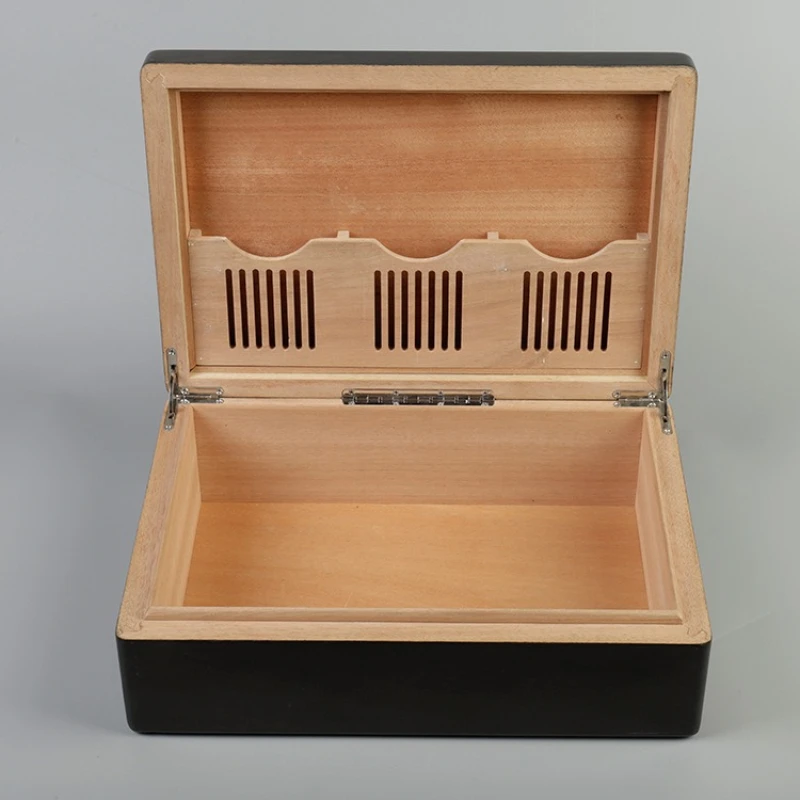
A good light sets the tone for the whole cigar. If you rush or burn only part of the foot, you may get an uneven burn or canoeing. When I talk with cigar collectors who buy our humidor boxes, they often mention the value of a perfect first light.
Key Signs You Did It Right
| Sign | Meaning |
|---|---|
| Even orange glow | The foot is fully lit |
| White thin ash | Heat is consistent |
| Smooth draw | Good airflow through the filler |
| Balanced flavor | No bitter or raw taste |
A Simple Method I Recommend
- Toast the foot before drawing.
- Hold the flame close but not touching the cigar.
- Rotate the cigar slowly.
- Check the foot by blowing lightly.
When you blow softly, the foot should show a round, even circle of orange. If you see dark spots, those areas need heat. Many beginners skip this step and end up with uneven burns.
I learned this from Cuban rollers during a factory visit. One master roller told me, “A cigar tells you when it is ready. Look at the foot.” This stuck with me, and I pass it on to every beginner I meet.
How do different cigar shapes affect the way you prepare and light the correct end?
Many buyers I work with source boxes for torpedoes, perfectos, and parejos. Each shape affects lighting.
Most straight cigars light the same way, but tapered or closed-foot cigars need extra preparation.
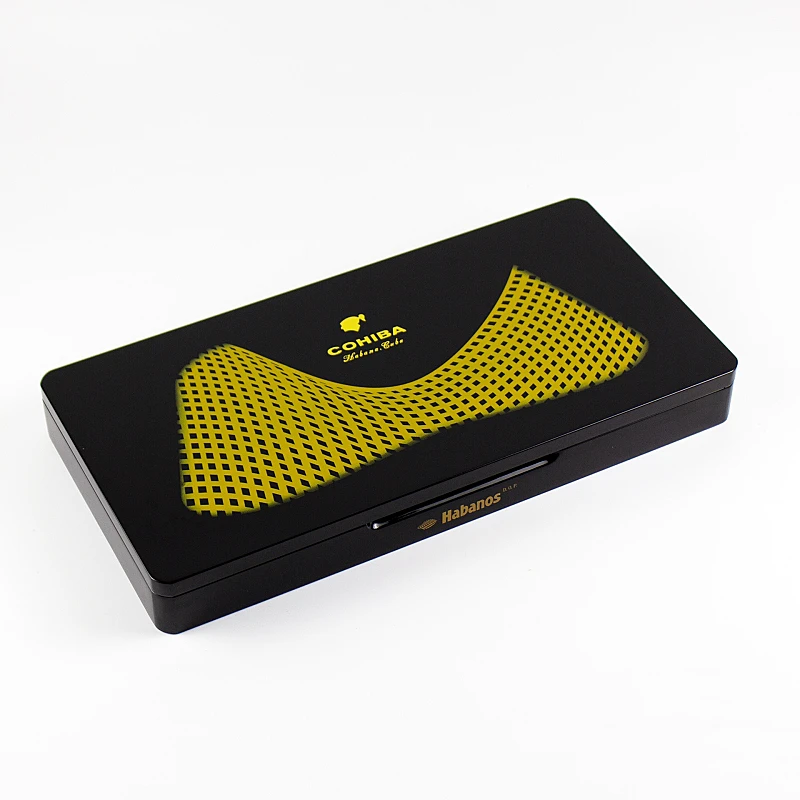
Cigar shapes are not only about looks. They change how air flows and how the burn begins. When I help brands design boxes, they often ask why certain shapes need different trays or holes. That is because each shape behaves differently when lighting.
Common Cigar Shapes
| Shape | Foot | Cap | Lighting Difficulty |
|---|---|---|---|
| Parejo (straight) | Open | Flat or rounded | Easy |
| Torpedo | Open | Pointed | Medium |
| Perfecto | Closed or partly closed | Rounded | Hard |
| Figurado | Varies | Tapered | Medium |
How Each Shape Affects Lighting
Parejos
These are the easiest. You see the open foot clearly. Light evenly.
Torpedoes
The pointed cap means you cut less. The foot is still open, but the draw changes. Light slowly to avoid overheating the narrow tip.
Perfectos
These come with a closed or tiny foot. You must toast more gently. The burn will open after the first few puffs.
Figurados
These are artistic shapes. The foot and head vary. Look closely for the open end. Sometimes it is small and easy to miss.
Knowing the differences helps you handle each cigar with care. You do not need advanced skills, only attention.
What common mistakes do new smokers make when choosing which end to light, and how can they avoid them?
I see beginners repeat the same mistakes, especially when I pack sample boxes for international buyers.
The most common mistakes include lighting the cap, cutting too much, and ignoring the exposed filler. These mistakes are easy to avoid once you know what to look for.
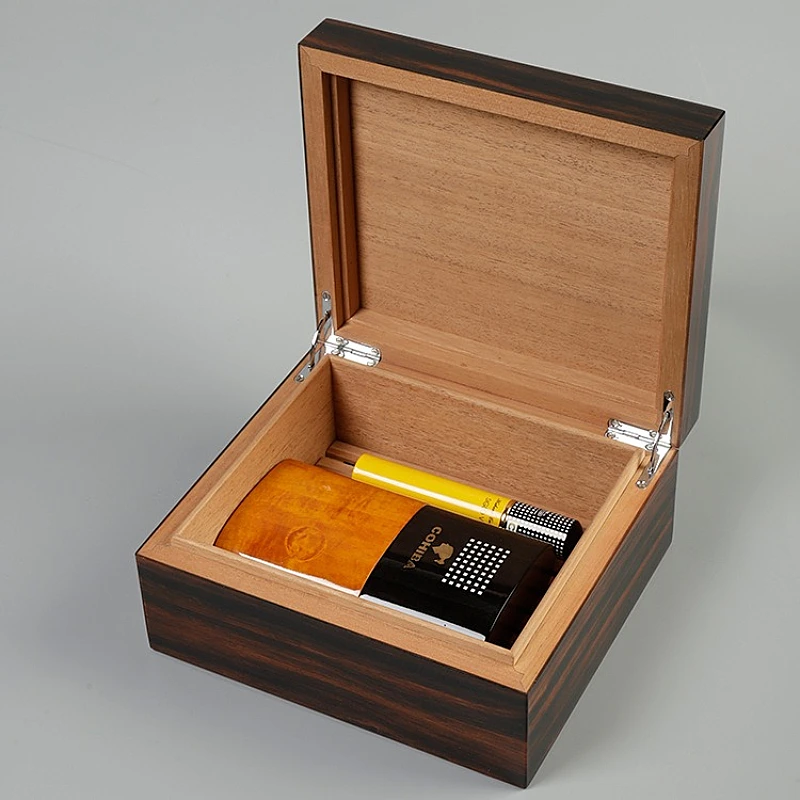
Common Beginner Mistakes
| Mistake | Result |
|---|---|
| Lighting the cap | Wrapper unravels |
| Cutting too deep | Loose draw |
| Ignoring exposed foot | Wrong end confusion |
| Rushing the toast | Uneven burn |
| Using candle lighters | Contaminated flavors |
How to Avoid Them
Always check for exposed tobacco
Hold the cigar at eye level. The open side is always the foot.
Cut only the cap
Use a guillotine cutter. Remove only the top layer.
Toast before lighting
Let the heat prepare the foot.
Use butane
Avoid scented flames. I once tested a cigar lit with a candle. The taste was terrible.
Take your time
A good light takes 20–30 seconds. It is not a race.
These simple habits transform the experience. I have seen new smokers gain confidence after learning these steps. It becomes a small ritual, and they enjoy it more.
Conclusion
Lighting the right end protects the cigar’s flavor and gives you a smooth, satisfying smoke.
Brand Name: WoodoBox
Slogan: Custom Wooden Boxes, Crafted to Perfection


 English
  Español
  Português
  Deutsch
  Français
  Italiano
  العربية