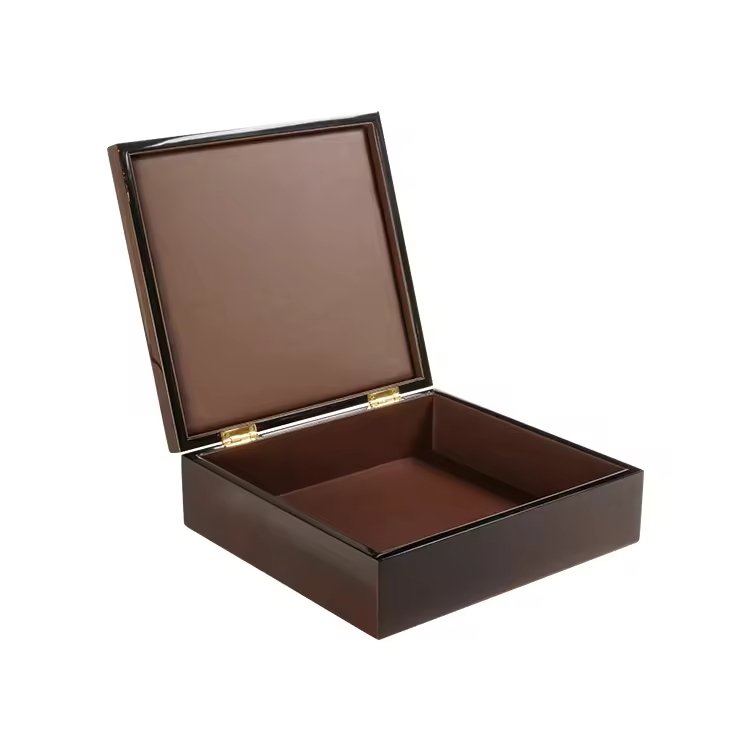
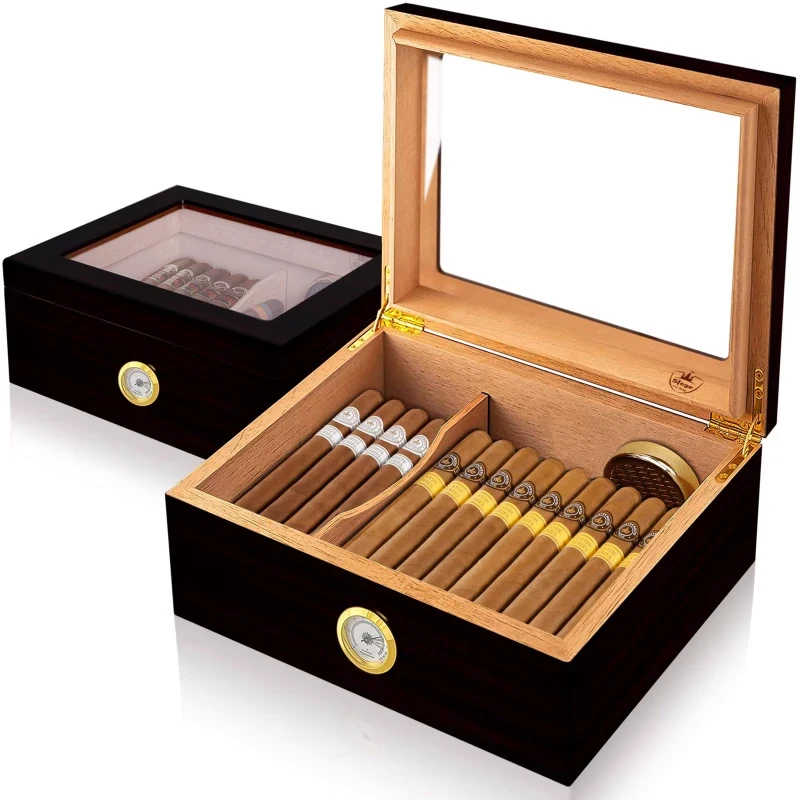
I see many buyers struggle to understand why premium cigars always come in wooden boxes, so I want to start with the origin story that changed the entire industry.
The first wooden cigar box appeared because cigar makers needed better protection, clear branding, and a legal way to follow new tax rules. These boxes soon became a standard because they kept cigars fresh and created a strong brand image.
This history shows why wooden cigar boxes matter today, and it also helps modern buyers see the real value behind premium packaging.
How Did Early Cigar Packaging Evolve Before Wooden Boxes Became the Standard?
Before wooden boxes became normal, cigar makers used very simple and unstable packaging that caused many quality problems.
Early cigar packaging evolved through trial and error. Makers used bundles, leaves, and crude crates until they saw wood protected cigars better and created a stable unit for transport and trade.
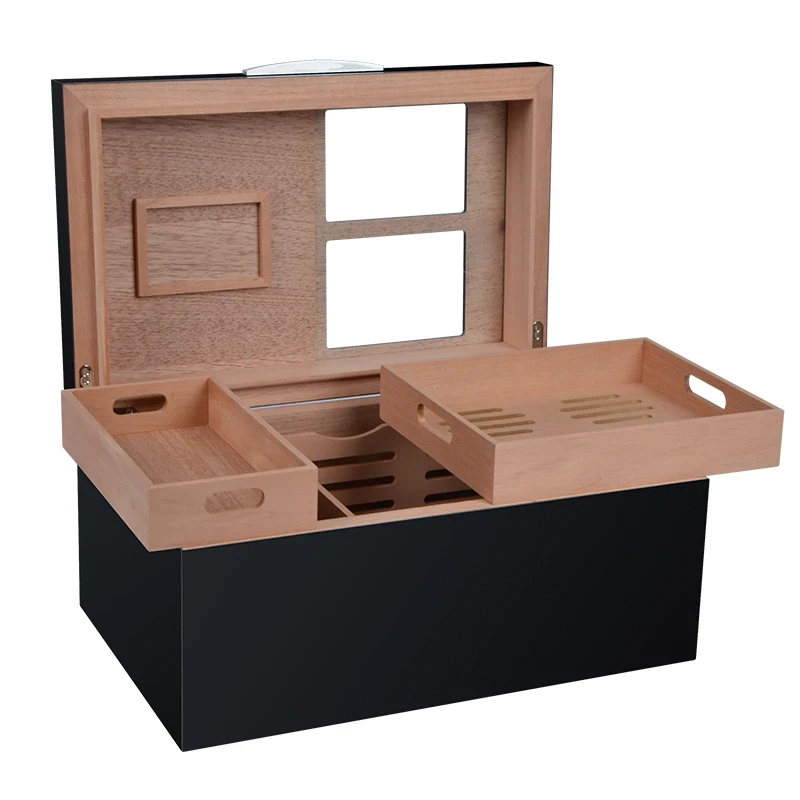
The Long Road Before Wooden Boxes Appeared
In my work at WoodoBox, I often see how buyers underestimate the role packaging plays in cigar quality. In the early days, makers felt this pressure even more. They wrapped cigars in palm leaves, paper bundles, or cloth rolls. These options gave almost no structure. They also exposed cigars to moisture, insects, and strong temperature changes.
Early Methods Compared
| Packaging Type | Benefits | Problems |
|---|---|---|
| Palm leaves | Cheap | No structure, insects |
| Cloth bundles | Easy to carry | No moisture control |
| Paper bundles | Simple | Breaks easily |
| Crude wooden crates | Good for shipping | Not designed for retail |
Cigar makers did not think about presentation at this time. They focused only on transport. Retail buyers saw cigars in piles or open baskets. Nothing felt premium. Nothing protected aroma.
When I started producing cigar boxes years ago, I saw the same issue when clients used low-end packaging. The cigar may be good, but bad packaging damages the entire experience. This was exactly what cigar makers discovered before wooden boxes became standard.
Why Evolution Became Necessary
The global cigar trade began to grow fast in the late 1700s and early 1800s. More ships, more importers, more retailers. This growth created new expectations:
- Buyers wanted consistent quantity
- Retailers wanted better display
- Makers wanted to protect the product
- Customs wanted clear tax control
Early packaging could not meet these needs. It was only a matter of time before wood became the perfect answer for structure, protection, and presentation.
Why Did the 19th Century Mark a Turning Point for Wooden Cigar Box Production?
The 19th century changed everything because the cigar market exploded in size.
The 19th century became a turning point because demand grew fast, and producers needed stronger packaging. Wooden boxes solved supply, storage, and retail problems that other materials could not fix.
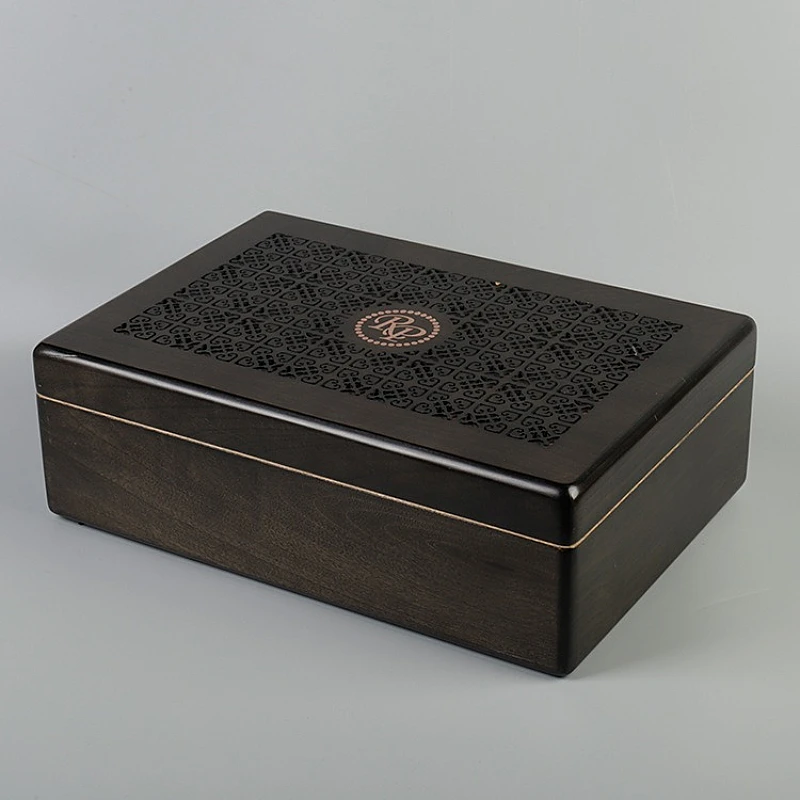
A Growing Market Needed Better Packaging
When I work with modern cigar brands, I often see a pattern: when sales grow, packaging must upgrade too. The same thing happened in the 1800s. The cigar market expanded in the United States and Europe. More brands competed. More shops opened. Cigars needed a stable form of packaging that could survive long transport.
Wood served every need:
- It protected cigars from humidity
- It handled long shipping routes
- It allowed stacking and storage
- It improved presentation
- It kept aroma better, especially cedar
Why Cedar Became Popular
Cedar became the preferred wood because it helps aging and keeps bugs away. As a manufacturer, I can confirm cedar still plays an important role in premium cigar boxes today. The aroma is natural and subtle, and it blends well with tobacco.
Manufacturing Became More Advanced
The 19th century also gave us better cutting tools, better sanding machines, and more stable glues. These improvements allowed box makers to produce consistent boxes at higher volume.
Brands Needed a Better Look
Retail stores needed products that looked high-end. Wooden boxes solved this problem instantly. Even a simple pine or cedar box looked better than bundles or crates. Cigar makers wanted to show quality before someone opened the box.
This was the moment wooden boxes moved from “just packaging” to “a tool for branding.”
Did Government Regulations Play a Role in Creating the First Official Wooden Cigar Box?
Government rules did not just influence wooden cigar boxes. They made them necessary.
Government regulations forced cigar manufacturers to use wooden boxes because officials needed a fixed unit for tax stamps. Wooden boxes gave them control and pushed the industry toward standard packaging.
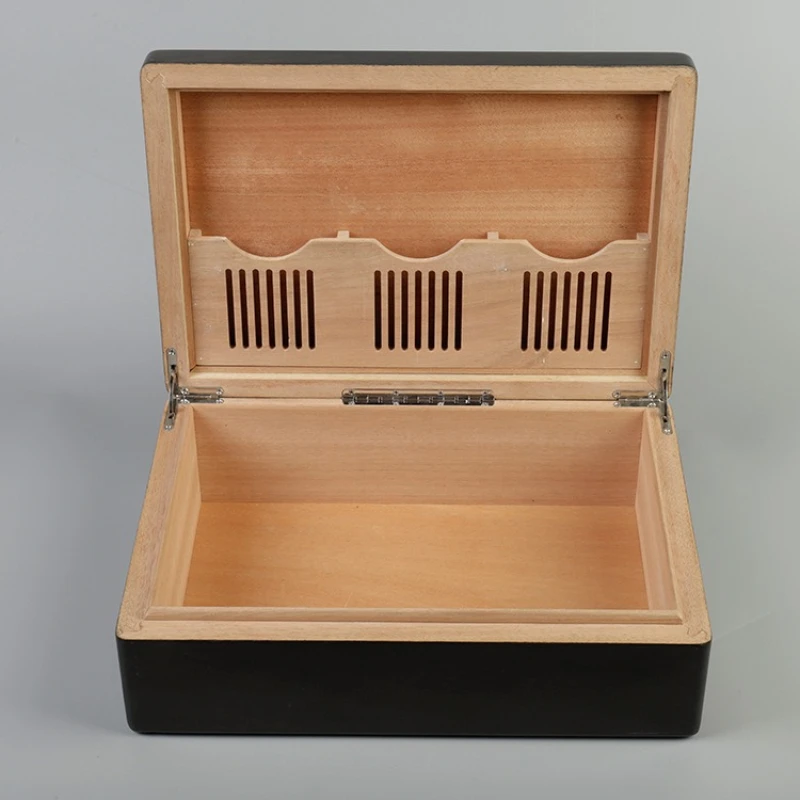
The Law That Changed Everything
In 1865, the U.S. government passed laws that required cigars to be sold in wooden boxes of fixed quantities. Taxes were applied per box. This made the wooden cigar box the official standard overnight.
As a manufacturer, I know the power of constraints. When the law demands something specific, every factory follows the rule. And soon the rule becomes a habit.
What the Law Required
| Requirement | Impact |
|---|---|
| Fixed box sizes | Forced standardization |
| Clear tax stamps | Boxes needed clean surfaces |
| Sealed packaging | Better lids and hinges |
| Durable material | Wood became the only option |
Wood matched every requirement perfectly. Paper or cloth could not carry tax stamps well. Crates were too large and inconsistent. Wood offered the balance of cost, structure, and longevity.
How Regulation Shaped Box Design
Because the government needed each box to show tax paid, the lid became a key design element. This is one reason early boxes had flat tops, strong hinges, and smooth sanding. Many of these design ideas still influence the boxes I produce today for cigar brands around the world.
Regulation Turned Necessity Into Art
Once everyone had to use wooden boxes, brands started to upgrade their boxes to stand out. High-end woods, piano finishes, and fine linings came much later, but the government rules were the first step in this evolution.
Who Were the Early Innovators That Popularized Wooden Cigar Boxes in the Market?
Several early makers and merchants saw the future before others did.
Early innovators were cigar manufacturers and merchants who used wooden boxes as a marketing tool, not only for storage. Their designs made wooden boxes popular and helped set industry standards.
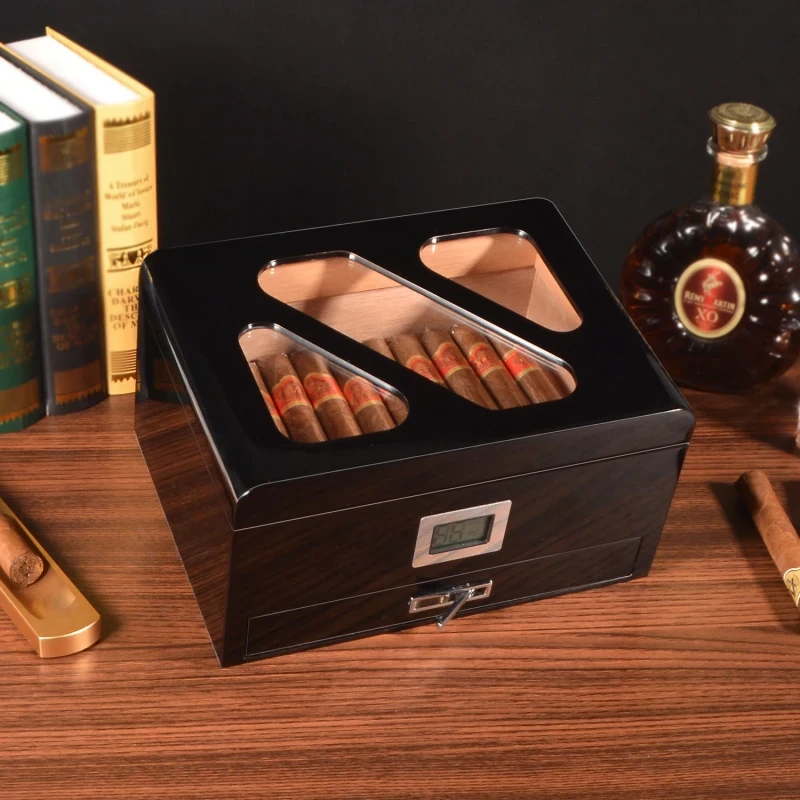
Makers Who Saw Opportunity
Some cigar makers quickly realized they could use the box to tell a story. These innovators added printed labels, gold foil, and colorful imagery. Boxes became advertising spaces.
In my own experience, good packaging sells faster. When a brand gives me a detailed design, I know they understand how important the box is. The same mindset existed with early innovators.
Why Their Designs Worked
Here is what set these early leaders apart:
- They used strong cedar
- They added artistic labels
- They promoted brand identity
- They improved usability
- They protected cigars better
These simple ideas attracted consumers and helped wooden boxes become a symbol of premium quality.
Box Makers Became Specialists
By the late 1800s, a new profession appeared: the cigar box maker.
These were craftsmen who understood wood, moisture, hinges, and printing. Their work created the foundation for modern luxury cigar packaging. When I started WoodoBox, I took the same approach. I studied material behavior, humidity control, coatings, and finishing. I often think these early innovators would enjoy seeing how far the craft has developed.
How Did the Rise of Branding and Trade Labels Influence the Development of Early Wooden Boxes?
Branding changed the purpose of the cigar box forever.
Branding and trade labels turned wooden cigar boxes into marketing tools. Early labels helped manufacturers stand out, protect authenticity, and tell a visual brand story.
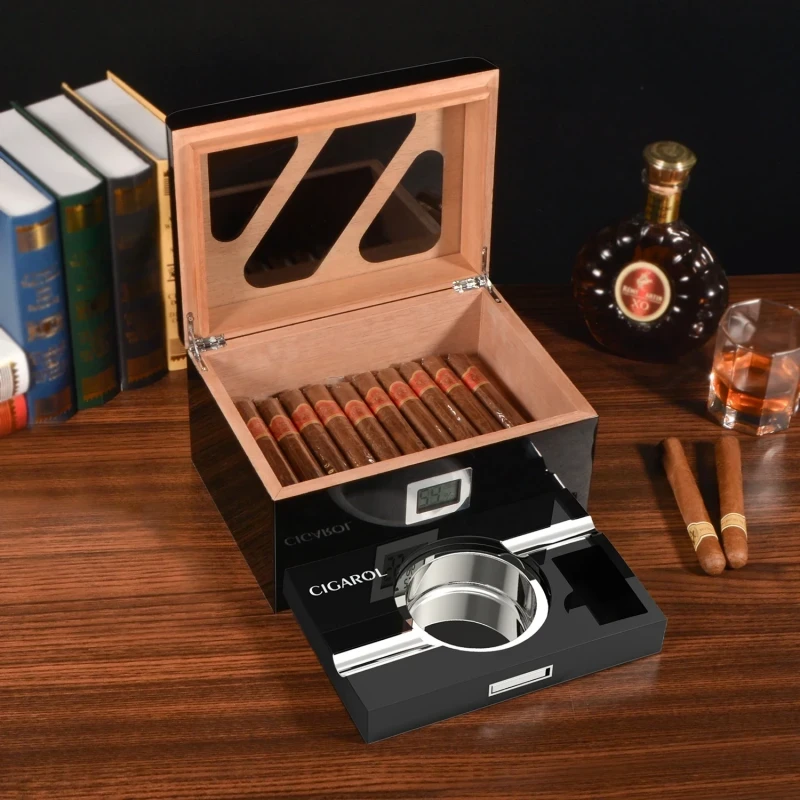
Labels Became a Competitive Weapon
Once cigar companies saw how boxes influenced sales, they invested in artwork. Some used bold imagery. Some used gold stamping. Some used patriotic themes. Retailers loved boxes that looked good on shelves. Consumers trusted brands with clean labels.
Even today, many of my clients care deeply about their logos, foil stamping, or embossing. The roots of this mindset come directly from this era.
The Psychology Behind Labels
Here is what early makers understood:
| Branding Element | Purpose |
|---|---|
| Color labels | Attract attention |
| Brand logos | Build trust |
| Paper seals | Prove authenticity |
| Artwork | Tell a story |
Labels made cigars look premium and reliable. They also protected against counterfeit products, because buyers looked for the correct stamp or seal.
Wooden Boxes Became Storytelling Tools
When I design boxes today, I always ask brands about their story. A wooden box should show character. It should feel like the brand. Early makers used the same idea. They used the box to communicate value before anyone opened it.
This is why wooden cigar boxes have survived for centuries. They are not just containers. They are visual storytellers.
Conclusion
Wooden cigar boxes became essential because they protected cigars, supported branding, and followed laws, and this history still shapes how we design boxes today.

 English
  Español
  Português
  Deutsch
  Français
  Italiano
  العربية