
Reusable wooden boxes demand more than visual appeal. Without structural strength and durable materials, they fail quickly.
To ensure reusability, manufacturers must reinforce structure, select durable wood, use strong hardware, apply protective finishes, and balance eco-friendliness with longevity.
Designing for repeated use means thinking beyond the first impression.
What structural reinforcements are necessary to ensure repeated opening and closing?
Every opening puts stress on the box. Weak structures wear out fast.
Reinforcements like strong joints, thicker walls, and tested lid ratios ensure a box withstands repeated use.

Thin walls or weak joints may survive once, but they fail after 50 openings. Reinforcement means building with proven structural methods that protect both beauty and function.
Structural Reinforcement Methods
- Use finger or dovetail joints for stronger edges.
- Increase wall thickness for lids and bases.
- Apply internal corner blocks for extra stability.
- Maintain standard lid-to-base ratios for balance.
I once delivered a jewelry box project where the client initially asked for very thin side panels to save cost. After testing, the lid warped within weeks. We changed to thicker MDF with veneer and added reinforced joints. The box then passed repeated stress tests.
How to choose the right type of wood for long-term durability and resistance?
Not all wood types handle repeated use well. Some look good but lack strength.
For durability, hardwoods or engineered wood with quality veneer perform better than softwood or unstable options.
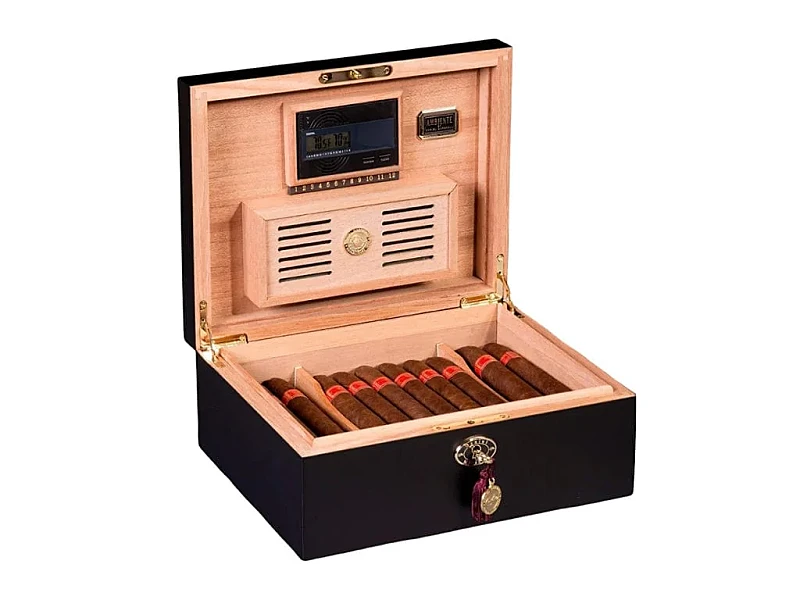
Solid hardwoods like mahogany or oak resist impact and wear. MDF with veneer offers stability against warping. Cheaper pine or plywood may crack under pressure.
Wood Choices for Reusable Boxes
| Wood Type | Durability | Best Use |
|---|---|---|
| Mahogany | Very strong | Luxury reusable boxes |
| Oak | Hard and stable | Premium storage boxes |
| MDF + Veneer | Cost-effective | Decorative reusable boxes |
| Pine/Plywood | Weak, unstable | Not suitable for reuse |
For a cigar box project in Germany, the client originally chose plywood for cost reasons. After a durability test, we recommended Spanish cedar with MDF reinforcement. This combination preserved both structure and aroma performance, proving material selection is key.
Why do hinges, locks, and joints play a critical role in multi-use wooden boxes?
Hardware is the most stressed part of any reusable box. Poor choices cause early failure.
Strong hinges, reliable locks, and reinforced joints are essential for smooth function and long-term durability.
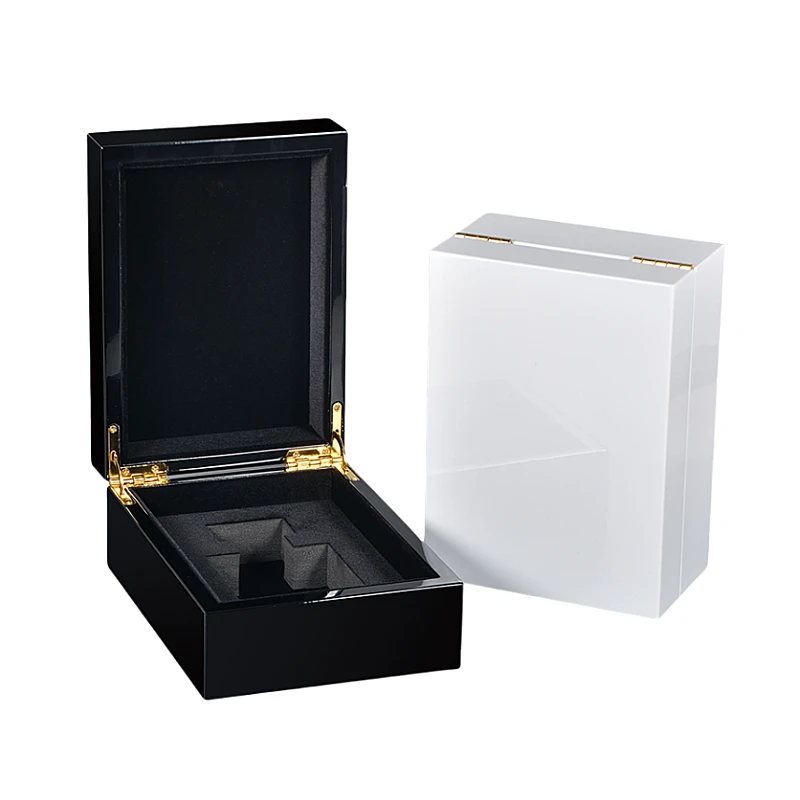
Every opening stresses hinges. Every closing stresses locks and joints. Without strong hardware, boxes fail quickly, no matter how beautiful the exterior looks.
Hardware Standards
- Hinges: Use brass or stainless steel soft-close hinges.
- Locks: Choose durable clasps or magnetic systems tested for repeat cycles.
- Joints: Use dovetail, finger, or reinforced miters for stress resistance.
A watch box order for a Middle Eastern brand once failed because they used cheap iron hinges. After six months, many customers complained about rust and broken lids. We replaced them with stainless steel piano hinges, solving the issue. Hardware defines long-term quality.
How can interior lining materials (velvet, leather, fabric) affect longevity and reusability?
Interiors face wear from constant contact with products. Wrong materials wear down quickly.
Interior linings must resist friction, moisture, and repeated handling to ensure long-term usability.
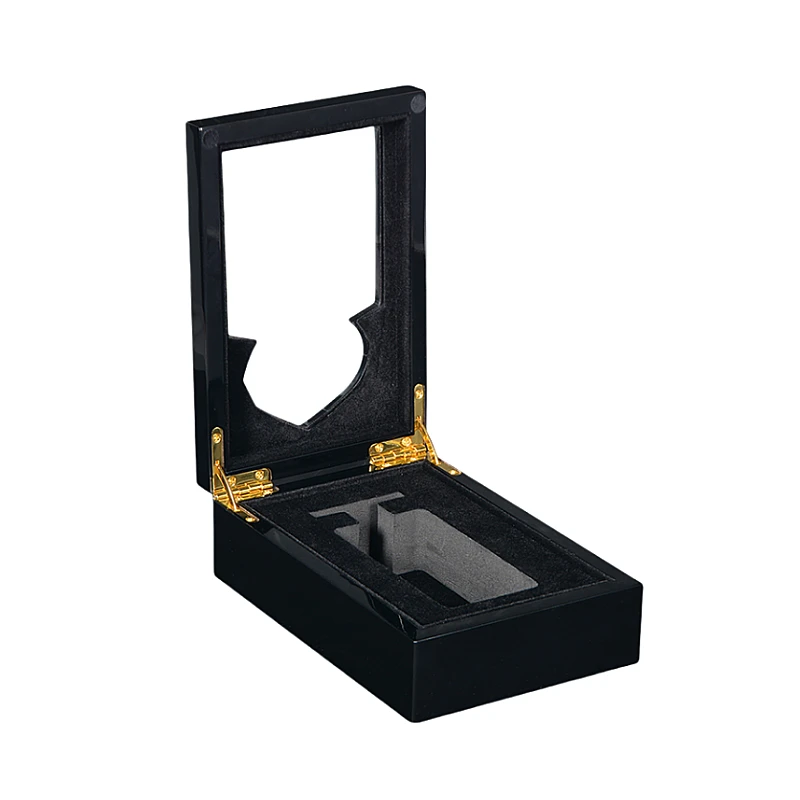
Velvet feels soft, but poor-quality velvet sheds over time. PU leather is durable but may crack if exposed to humidity. Natural suede looks luxurious but is sensitive to moisture.
Lining Options for Reusable Boxes
| Lining Material | Advantage | Limitation |
|---|---|---|
| High-quality Velvet | Soft, elegant look | Wears under heavy friction |
| PU Leather | Strong, wipe-clean | May age in humid climates |
| Natural Suede | Luxurious, premium | Sensitive to moisture |
| Fabric Weave | Breathable, stable | Less luxurious feel |
I once made a reusable jewelry box series with low-cost velvet. After one year, customers noticed shedding. In the next batch, we switched to PU leather lining. The feedback improved significantly, showing how interior choices affect reusability.
What finishing and coating methods help protect the box from wear, moisture, and scratches?
Without strong finishing, even the best wood loses quality after repeated use.
Protective finishes like lacquer, PU, and natural oils extend the life of reusable wooden boxes.
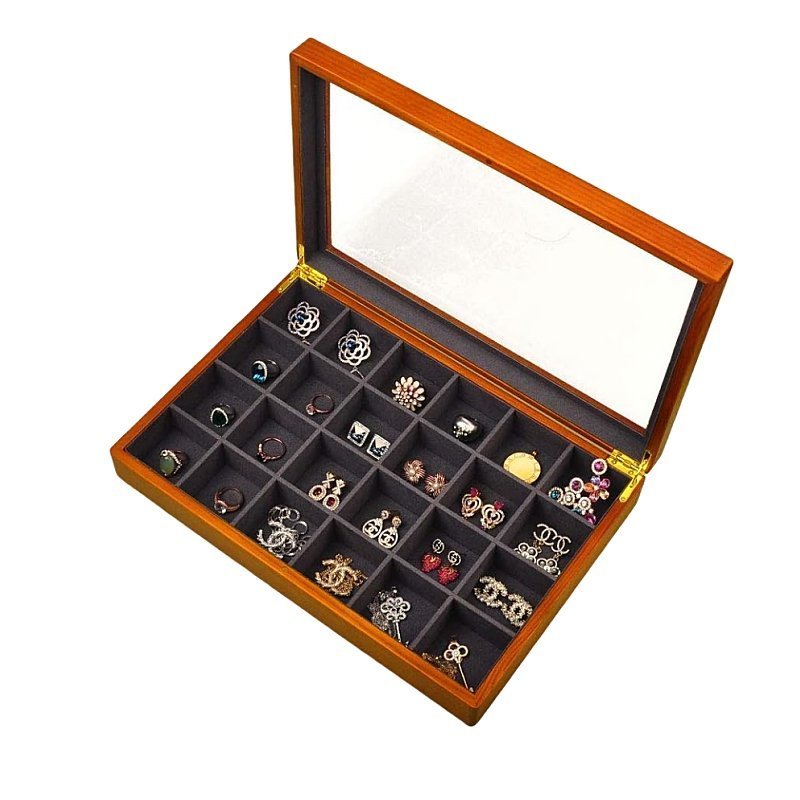
High-gloss piano lacquer resists scratches and moisture. Matte PU finishes provide understated durability. Natural oils protect wood grain but require maintenance.
Protective Coating Options
- Piano Lacquer: Luxurious, highly durable, but labor-intensive.
- Matte PU: Scratch-resistant, cost-effective.
- Natural Oils: Eco-friendly, requires re-application.
- UV Coating: Prevents fading, suitable for decorative boxes.
A wine box order for a UK client demanded heavy reusability. We used 12 layers of piano lacquer with hand polishing. The finish not only looked premium but also stayed scratch-free after years of repeated use.
How to balance eco-friendliness with durability when designing for multiple uses?
Clients today care about sustainability. But eco-friendly must also mean long-lasting.
Balancing eco-friendliness with durability means selecting sustainable wood, low-VOC finishes, and recyclable hardware while ensuring structural strength.
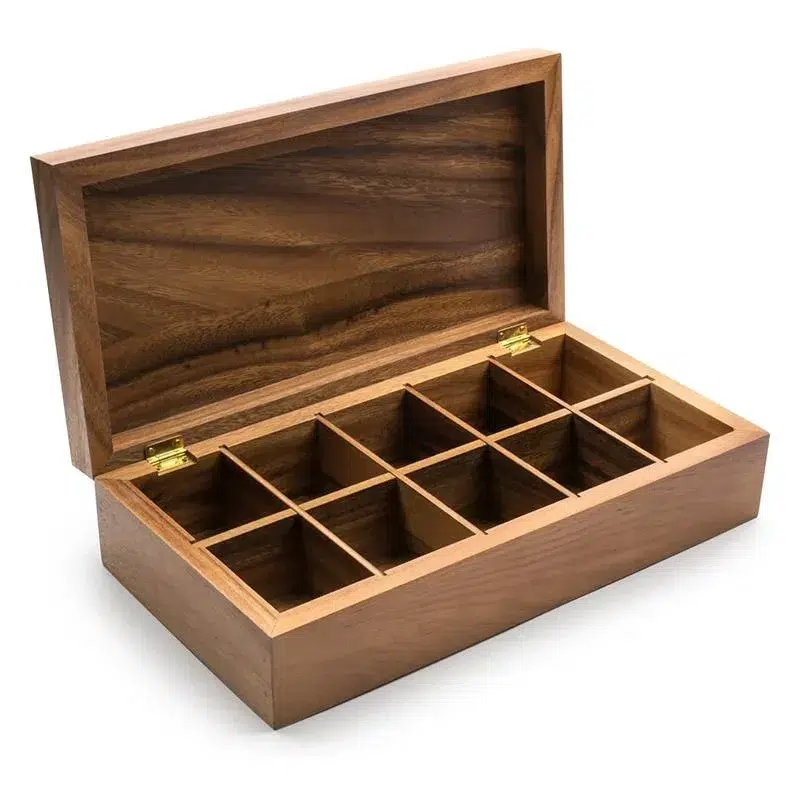
Using FSC-certified wood, water-based finishes, and recyclable hardware reduces environmental impact. But avoiding structural reinforcements in the name of eco-friendliness can make the box disposable, which is not truly sustainable.
Balanced Eco Choices
- FSC-certified mahogany or cedar.
- Water-based PU finishes.
- Recyclable stainless steel hardware.
- Long-life design that avoids replacement waste.
I once consulted for a brand in Scandinavia who wanted “eco packaging.” Instead of removing protective coatings, we used water-based lacquers and renewable veneer. The boxes lasted for years, and customers praised both durability and eco values.
Conclusion
Reusable wooden boxes require smart material choices, strong hardware, protective finishes, and eco-conscious durability to truly deliver long-term value.
Brand Name: WoodoBox
Slogan: Custom Wooden Boxes, Crafted to Perfection
Website: www.woodobox.com
WhatsApp: +86 18359265311