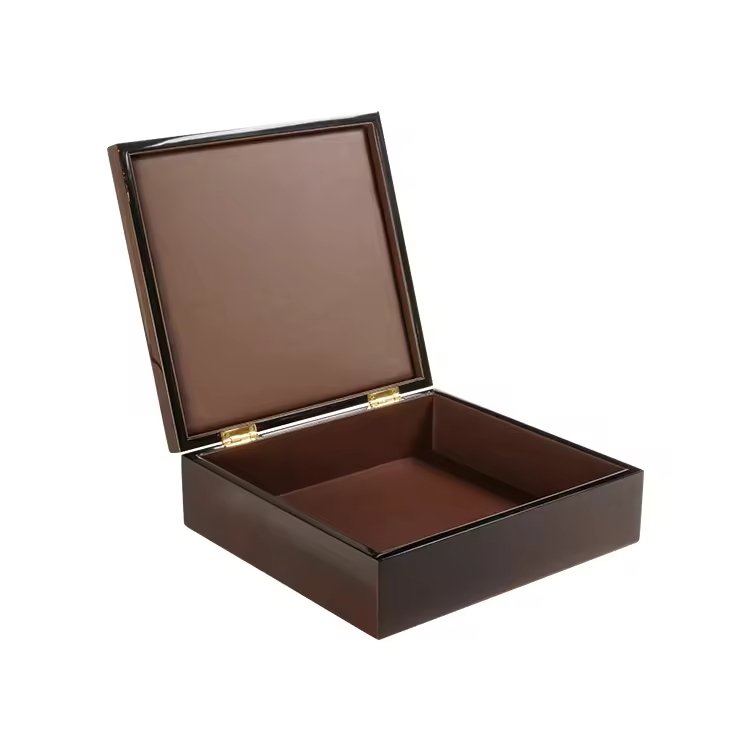

Some clients ask for cigar boxes with a “stronger wood aroma.” They believe it makes cigars richer. But is this true?
A stronger aroma is often a misconception. The goal is subtlety, not dominance, which is why Spanish cedar is trusted worldwide.
As a manufacturer, I often explain to clients that aroma must support, not overwhelm, the cigar’s natural flavor.
Why do some clients believe that a stronger wood aroma improves cigar storage?
At first glance, stronger scent feels like higher quality. Many clients connect aroma intensity with value.
Clients believe a heavy cedar smell means cigars will absorb more flavor and age better.
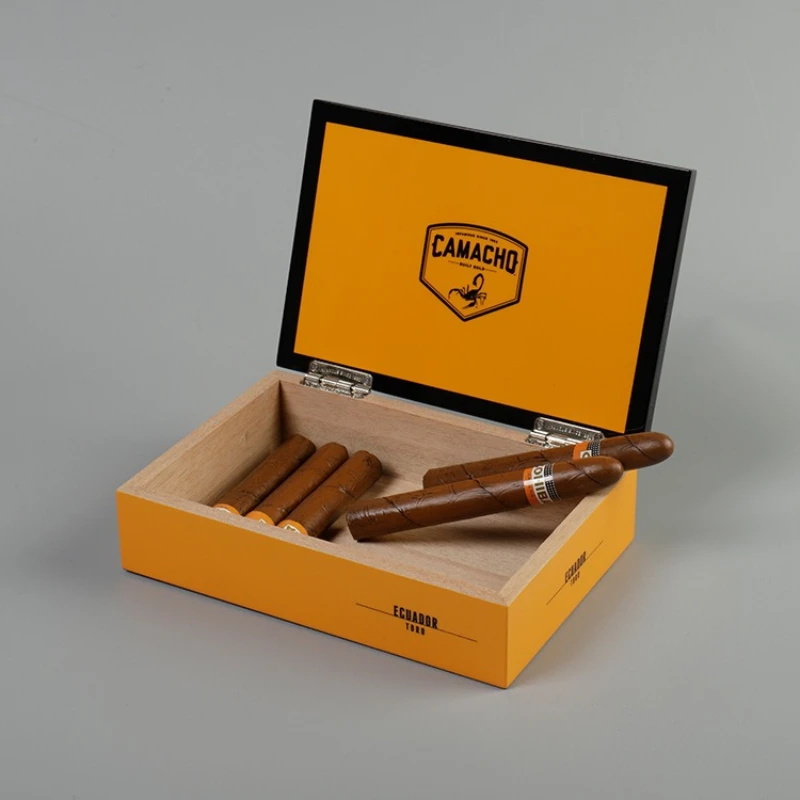
This misunderstanding usually comes from comparing cigars to foods like wine or cheese, where oak barrels or aging rooms leave a strong signature. They assume the same logic applies to cigar boxes. Some also think that when they open a box, the aroma “shock” proves authenticity. In reality, cigars need stability, not intensity.
Why Clients Think Stronger = Better
| Motivo | Misconception |
|---|---|
| Strong scent feels luxurious | Belief that intensity equals quality |
| Comparison with wine or spirits | Expect cigars to “absorb flavor” |
| Marketing influence | Some brands exaggerate cedar aroma |
In my experience, education is key. Clients need to understand cigars are different from wines: too much aroma spoils, not improves.
How can excessive wood scent interfere with the cigar’s natural flavor profile?
Cigars are delicate blends of tobacco leaves. External odors easily distort them.
Too much wood aroma masks cigar flavors, leaving bitterness, resin notes, or perfume-like smells.
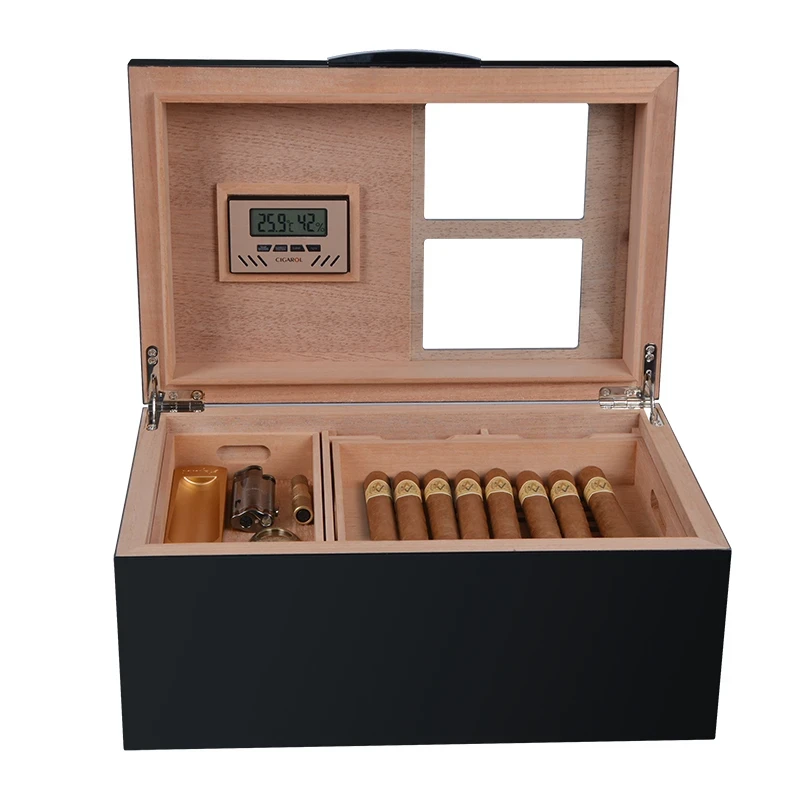
Cigar wrappers are porous and absorb surrounding air. If wood oils are strong, they penetrate the leaves. Instead of smooth blends, smokers taste sharp, resinous, or unnatural notes. Once contaminated, cigars cannot return to their original balance. Collectors lose value and trust when this happens.
Risks of Excessive Aroma
- Overpowers natural tobacco sweetness.
- Leaves bitter or chemical-like taste.
- Masks complex blending notes.
- Damages brand reputation among connoisseurs.
I recall one project where a client insisted on red cedar lining. After testing, the cigars tasted harsh. We had to rebuild with Spanish cedar to fix the issue.
What is the ideal balance between subtle wood aroma and cigar preservation?
The goal is harmony. The wood should support aging, not dominate flavor.
The ideal cigar box aroma is subtle: noticeable but gentle, enhancing rather than overwhelming.
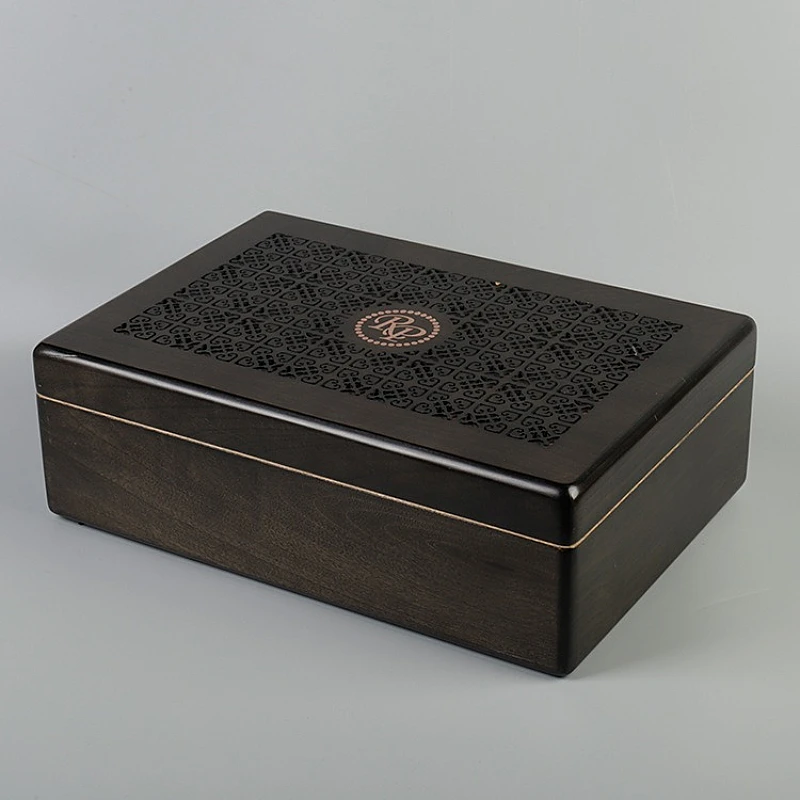
Spanish cedar is valued because its aroma is mild. It adds a faint woody sweetness while keeping tobacco flavor primary. This balance creates smoother, richer cigars over time. Too little aroma offers no benefit, too much destroys balance. The right level ensures cigars mature naturally and consistently.
Aroma Balance Spectrum
| Aroma Level | Effect on Cigar Storage |
|---|---|
| Too weak | No enhancement, cigars age flat |
| Ideal (mild) | Supports smooth, complex aging |
| Muito forte | Overpowers and contaminates flavor |
As I often explain to clients: the best cedar is not the one that shouts, but the one that whispers.
How does Spanish cedar achieve this balance better than other woods?
Spanish cedar is unique among woods used in cigar boxes. Its properties make it irreplaceable.
Spanish cedar combines mild aroma, natural humidity control, and pest resistance, making it the perfect lining wood.
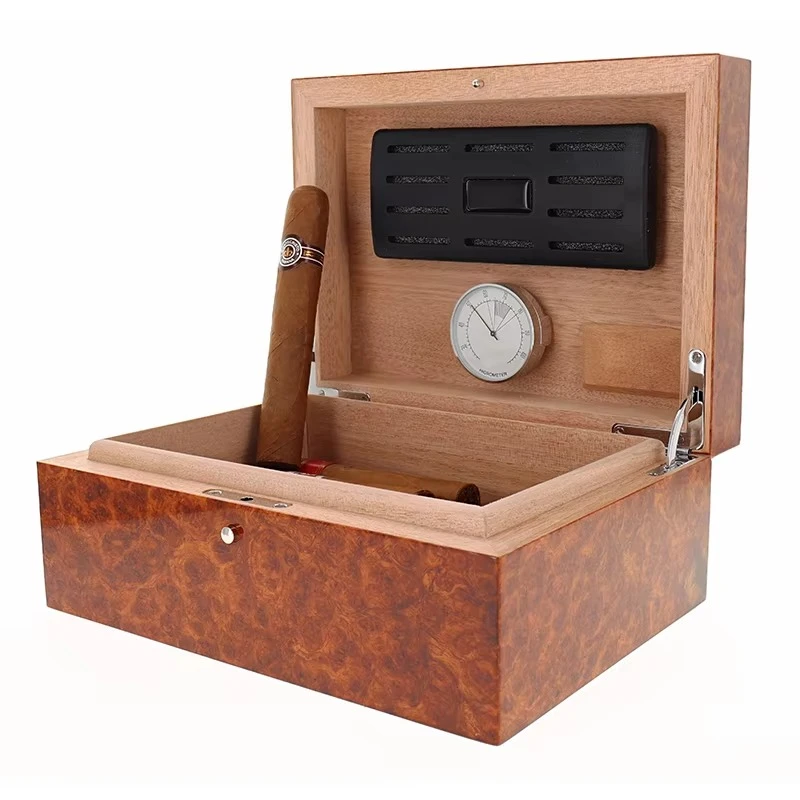
Unlike red cedar, which is too strong, or walnut, which is too weak, Spanish cedar sits in the middle. It breathes, balances humidity, and contributes a soft aroma that enhances cigar flavor. Its natural oils also deter tobacco beetles, giving practical benefits beyond aroma.
Comparison with Other Woods
| Tipo de madeira | Intensidade do aroma | Efeito nos charutos |
|---|---|---|
| Cedro espanhol | Mild, supportive | Ideal aging environment |
| Red Cedar | Muito forte | Overpowers, bitter taste |
| Noz | Weak, neutral | Flat aging, less aroma |
| Rosewood | Perfumed strong | Distorts cigar character |
For these reasons, I always guide premium brands back to Spanish cedar. It consistently delivers results.
What practical advice can manufacturers give clients to avoid this misconception?
Education is part of our responsibility. Clear advice helps clients make better choices.
Manufacturers should explain risks of strong aromas, share comparisons, and offer cedar samples to demonstrate the balance.
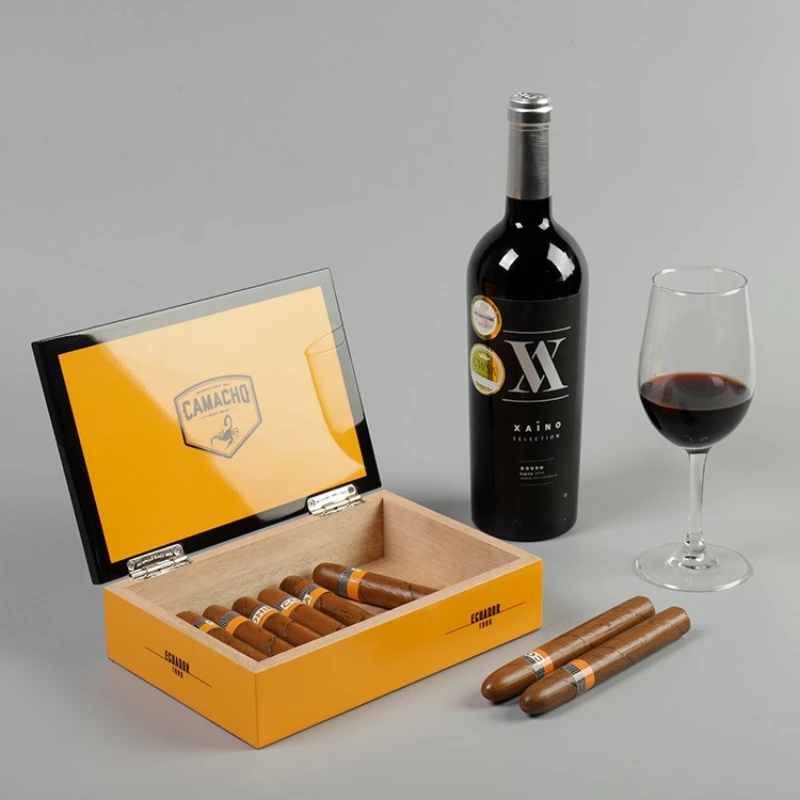
When clients request “strong aroma,” I usually:
- Explain how cigars differ from wine or spirits.
- Compare wood types and their effects.
- Show samples of cedar and red cedar for direct smell test.
- Share past client cases where strong woods failed.
- Recommend mild cedar as the standard.
This approach not only prevents mistakes but also builds trust. Clients appreciate honesty and expertise.
How can sample testing help clients experience the difference before final production?
Nothing convinces clients more than real-world testing. Samples turn theory into proof.
By storing cigars in sample boxes, clients directly experience how aroma balance affects flavor.
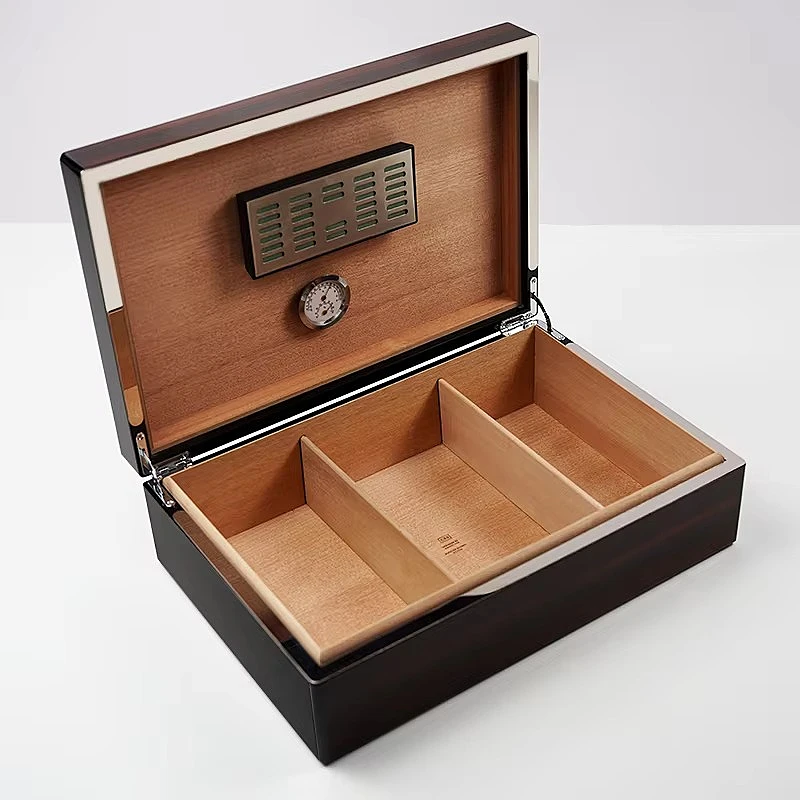
I usually prepare two sample boxes: one lined with Spanish cedar, another with a stronger-scented wood. Clients place their cigars inside for a few weeks. When they smoke the cigars, they taste the difference immediately. Almost every time, they choose Spanish cedar afterward.
Benefits of Sample Testing
| Benefício | Outcome for Clients |
|---|---|
| Real cigar experience | Taste impact becomes clear |
| Risk-free comparison | Avoids costly mistakes later |
| Confidence in decision | Stronger trust in supplier |
This method is simple but powerful. Once clients experience the subtle balance themselves, they never ask for “stronger aroma” again.
Conclusão
A stronger aroma is not better. Spanish cedar’s subtlety is the true key to cigar preservation and flavor harmony.
Nome da marca: WoodoBox
Slogan: Caixas de madeira personalizadas, fabricadas na perfeição
Sítio Web: www.woodobox.com
WhatsApp: +86 18359265311



 Português
  English
  Español
  Deutsch
  Français
  Italiano
  العربية