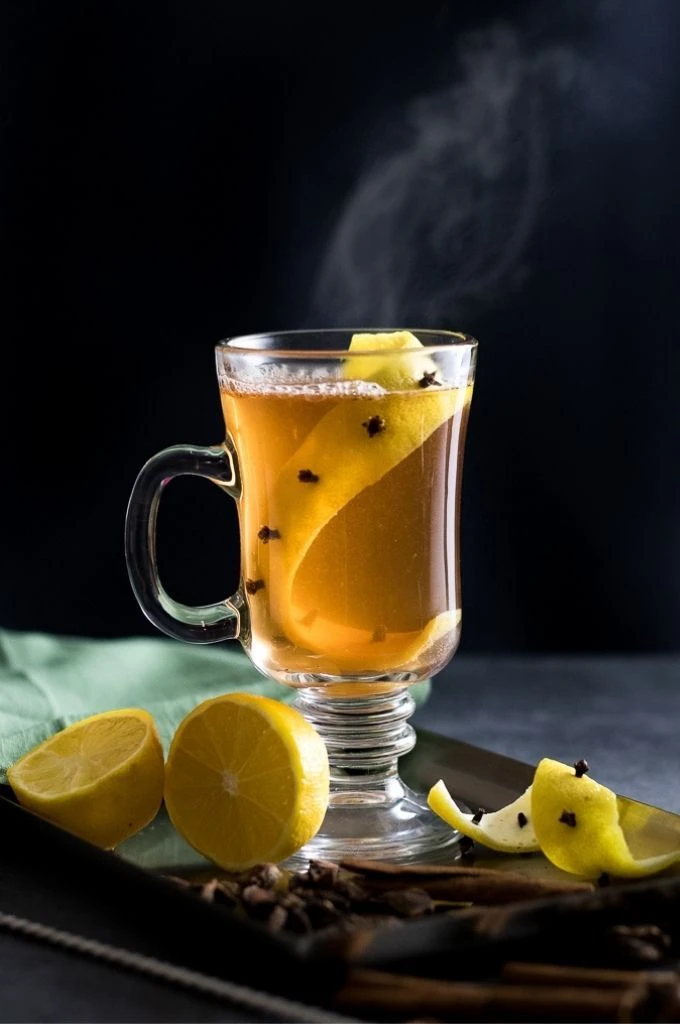
Many classic cocktails look simple, yet people struggle to recreate them at home. The whisky sour is one of those drinks that feels easy, but only works when balance is respected.
A whisky sour is built on three core ingredients—whisky, fresh lemon juice, and sugar—combined to create balance between strength, acidity, and sweetness.
After more than 15 years in high-end wooden box manufacturing, I’ve learned the same lesson again and again: timeless results come from restraint, not excess. The whisky sour follows that exact philosophy.
What are the classic ingredients of a traditional whisky sour?
Before variations and modern twists, it’s important to understand the foundation.
A traditional whisky sour contains whisky, fresh lemon juice, and sugar or simple syrup—nothing more is required.
The three core elements
A classic whisky sour is built from:
- whisky, usually bourbon
- fresh lemon juice
- sugar or simple syrup
Each ingredient has a clear role. None is optional in the classic structure.
Why bourbon is commonly used
Bourbon brings:
- natural sweetness from corn
- vanilla and caramel notes from oak
- enough strength to stand up to lemon
Other whiskies can work, but bourbon creates the most familiar profile.
Balance over complexity
The whisky sour is not about layering flavors. It is about proportion.
Too much lemon makes it sharp. Too much sugar makes it flat. Too much whisky makes it aggressive.
A simple structure view
| Elemento | Objetivo |
|---|---|
| Whisky | body and depth |
| Lemon juice | freshness and acidity |
| Sugar | balance and softness |
My craftsmanship comparison
In wooden box design, structure matters more than decoration. The whisky sour survives because its structure is sound.
Why is fresh lemon juice essential in a whisky sour?
This is where many home versions fail.
Fresh lemon juice is essential because it provides clean acidity, brightness, and balance that bottled juice cannot replicate.
What lemon juice contributes
Fresh lemon juice adds:
- sharp acidity
- natural aroma
- freshness
It cuts through alcohol and lifts the entire drink.
Why bottled juice doesn’t work well
Bottled lemon juice often tastes:
- dull
- overly sour
- slightly bitter
Preservation changes its character.
Acidity as structure
Acidity gives the whisky sour its backbone. Without it, the drink feels sweet and heavy.
Timing matters
Fresh lemon juice should be:
- squeezed just before mixing
- never stored long after opening
Freshness fades quickly.
My professional analogy
Using fresh lemon is like choosing the right wood grain. The difference is subtle at first, but obvious over time.
A practical rule
If you skip fresh lemon, you’re not making a whisky sour. You’re making a compromise.
What role does sugar or syrup play in balancing the drink?
Sugar often gets misunderstood as optional or adjustable without consequence.
Sugar or simple syrup balances the acidity of lemon and the strength of whisky, creating harmony rather than sweetness.
Why sweetness is necessary
Without sugar:
- lemon becomes harsh
- whisky feels thin
- the drink lacks cohesion
Sweetness connects the elements.
Sugar vs simple syrup
Simple syrup dissolves easily and provides:
- consistência
- control
- smooth texture
Granulated sugar can work, but requires more effort.
Balance, not dessert
A good whisky sour should not taste sweet. It should taste balanced.
Adjusting sweetness carefully
Small changes matter. A few extra milliliters can shift the drink completely.
A simple balance guide
| Adjustment | Resultado |
|---|---|
| More sugar | softer, rounder |
| Less sugar | sharper, brighter |
Craftsmanship perspective
In packaging, too much finishing hides material. Too much sugar hides whisky. Restraint keeps character visible.
Why do some whisky sours include egg white?
This ingredient surprises many people, but it has a clear purpose.
Egg white adds texture and foam, creating a smoother mouthfeel without changing the flavor of the whisky sour.
What egg white actually does
Egg white contributes:
- silky texture
- creamy mouthfeel
- stable foam
It does not add sweetness or flavor.
Why texture matters
Texture changes perception. A smooth drink feels calmer and more refined, even if the ingredients are the same.
Optional, not mandatory
Egg white is traditional in many classic recipes, but it is not required. The drink still works without it.
Safety concerns
Using fresh eggs or pasteurized egg whites reduces risk. Many modern bars use alternatives for consistency.
My design analogy
Egg white is like a soft-touch finish on a wooden box. The structure stays the same, but the experience improves.
When to skip it
If you prefer a sharper, lighter drink, skip the egg white. Personal preference always comes first.
How can you adjust a whisky sour to suit your personal taste?
This is where the whisky sour truly shines.
You can adjust a whisky sour by changing whisky style, sweetness level, acidity, or texture while keeping the core structure intact.
Adjusting the whisky
Different whiskies change the drink:
- bourbon: sweet and round
- rye: spicier and drier
- smoky whisky: bold and challenging
Each choice creates a new expression.
Adjusting sweetness and acidity
Taste matters more than ratios. Adjust slowly and taste as you go.
Small changes create big differences.
Texture choices
- with egg white: smooth and creamy
- without egg white: bright and direct
Both are valid.
Ice and dilution
Shaking controls dilution. More ice means more dilution, which can soften the drink.
A flexible mindset
The whisky sour rewards curiosity. It stays recognizable even as details change.
My long-term observation
Clients who understand structure gain freedom. The same applies here. Once you understand the base, you can personalize without losing identity.
Conclusão
A whisky sour is made from whisky, fresh lemon juice, and sugar, sometimes finished with egg white. Its power lies in balance, not complexity. When each ingredient is respected, the drink feels timeless and complete.
WoodoBox
Caixas de madeira personalizadas, fabricadas na perfeição



 Português
  English
  Español
  Deutsch
  Français
  Italiano
  العربية