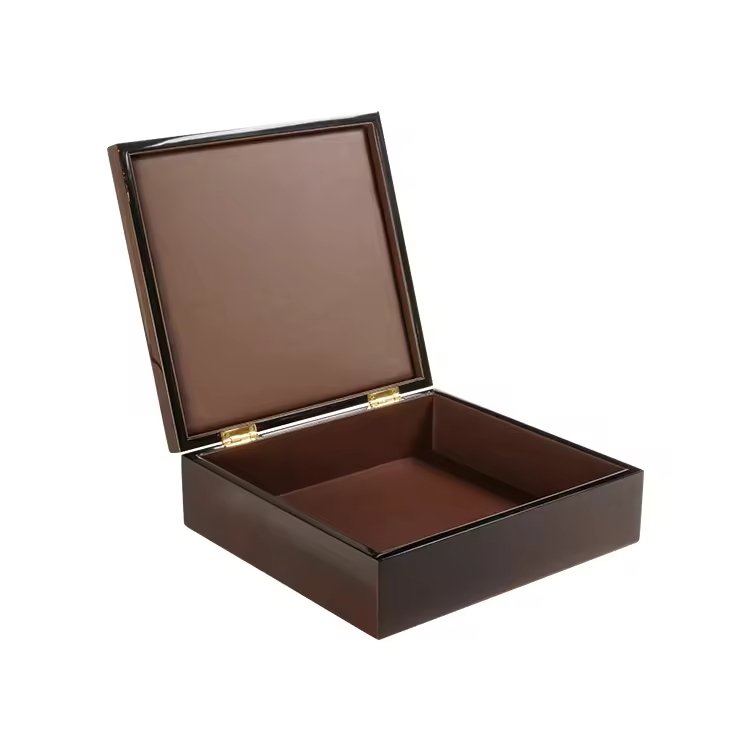
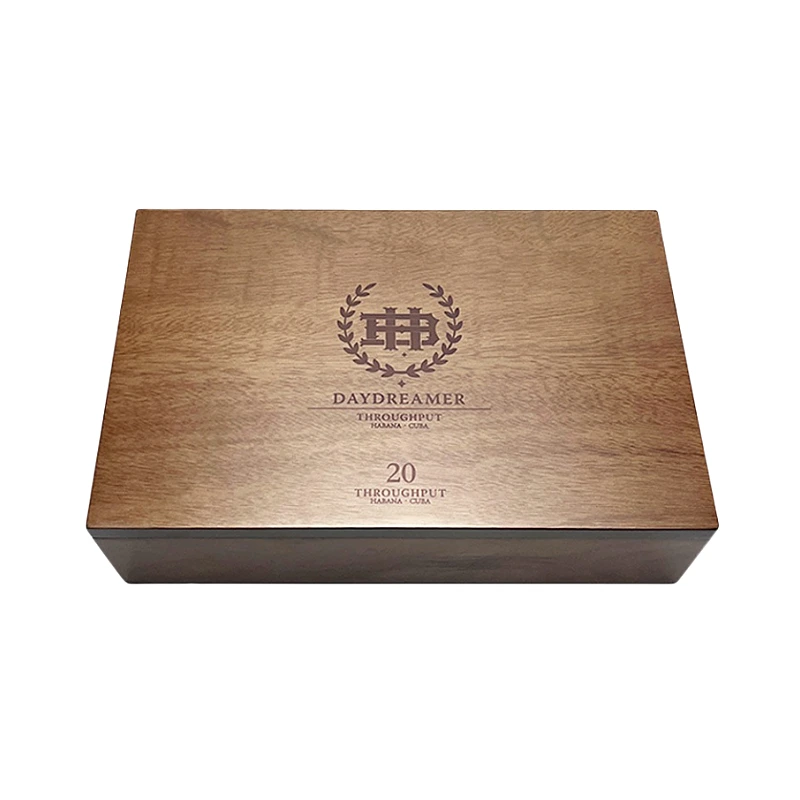
Many brands want the warmth of real wood packaging. But solid wood often brings higher costs and unstable production results. This creates a difficult balance for luxury packaging projects.
MDF with natural veneer combines a stable engineered core with a thin layer of real wood. It delivers an authentic wood appearance at a lower cost while improving structural stability. However, veneer still requires careful production control and thoughtful design decisions.
I have worked with many brands that face this same dilemma. They want packaging that feels natural and premium. At the same time, they must control budget and production risk. Over the years, MDF with natural veneer has become one of the most practical solutions for these projects.
Why MDF with Natural Veneer Is Popular for Luxury Wooden Packaging
Many clients initially believe that luxury packaging must use solid wood. But once we analyze the project requirements, veneer over MDF often becomes the more practical option.
MDF with natural veneer is popular because it combines the beauty of real wood with the structural stability and production consistency of engineered materials.
Balancing Appearance and Cost
Luxury packaging often needs to communicate quality at first sight. Natural wood textures immediately create a premium feeling.
However, solid wood presents several production challenges:
- higher raw material costs
- natural warping risks
- inconsistent grain patterns
- lower yield rates during machining
Veneer allows brands to maintain the visual identity of wood while controlling these factors.
Natural veneer is usually sliced from real logs. The thickness normally ranges between 0.3 mm and 0.6 mm. This thin layer is then applied to an MDF core panel.
The structure works like this:
| Camada | Função |
|---|---|
| Folheado natural | Provides real wood texture |
| Adhesive layer | Bonds veneer to core |
| MDF core | Provides structural stability |
The result is a panel that looks like solid wood but behaves more predictably during production.
Stability Matters in Packaging
Solid wood expands and contracts depending on humidity and temperature. This movement is natural. But it can cause problems in box manufacturing.
Examples include:
- lid misalignment
- visible gaps at corners
- small cracks near joints
MDF remains much more stable because its fiber structure distributes stress evenly.
When the veneer layer sits on top of a stable MDF base, the entire structure becomes easier to control during production.
Scalability for Larger Production Runs
Luxury brands rarely produce only a few boxes. Many projects involve hundreds or thousands of units.
Scaling production with solid wood can be difficult. Each board behaves slightly differently.
MDF with veneer improves consistency across batches. The core material remains stable, while the veneer provides the desired visual effect.
For many premium packaging projects, this combination offers the best balance between aesthetics, cost, and production reliability.
How Natural Veneer Delivers a Genuine Wood Appearance at Lower Cost
Many people assume veneer looks artificial. In reality, natural veneer is real wood, just in a thinner form.
Natural veneer provides authentic wood grain, texture, and color because it is sliced directly from real logs, allowing brands to achieve a natural appearance without using thick solid wood panels.
What Natural Veneer Actually Is
Natural veneer is created by slicing or peeling logs into very thin sheets.
Different cutting methods produce different grain effects.
Common veneer cutting styles include:
| Cutting Method | Efeito visual |
|---|---|
| Plain sliced | Natural cathedral grain |
| Quarter sliced | Straight linear grain |
| Rift cut | Very uniform vertical grain |
| Rotary cut | Wide flowing grain patterns |
These sheets preserve the original structure of the wood.
When applied to a panel, the veneer keeps the natural character of the species.
Popular Veneer Species in Packaging
Many luxury packaging designs rely on specific wood species to communicate a particular mood.
Common veneer choices include:
| Espécies de madeira | Brand Impression |
|---|---|
| Noz | Warm, premium, classic |
| Carvalho | Natural, modern, strong |
| Cinzas | Light, Scandinavian style |
| Bordo | Clean and minimal |
Each species creates a different visual language.
For example, walnut veneer is often used in luxury watch boxes or premium wine packaging. Its darker tone immediately signals sophistication.
Material Efficiency
One major advantage of veneer is material efficiency.
A single log can produce hundreds of square meters of veneer sheets. If the same log were cut into solid boards, much of the material would be lost.
This efficiency reduces cost.
It also makes rare wood species more accessible for packaging projects.
Consistent Panel Thickness
Another benefit appears during manufacturing.
Solid wood boards often vary slightly in thickness due to natural grain structure. Veneer panels maintain uniform thickness because the MDF core is precisely manufactured.
This consistency helps during:
- panel cutting
- box assembly
- hardware installation
The final result looks like real wood but behaves much more predictably in production.
Key Differences Between Veneer-Finished MDF and Solid Wood Boxes
At first glance, veneer boxes and solid wood boxes can look very similar. But their internal structure and production behavior are quite different.
The main difference is structural composition: veneer boxes use a thin real wood layer over MDF, while solid wood boxes are made entirely from natural lumber.
Structural Composition
Understanding the internal structure helps explain the performance differences.
| Caraterística | Veneer MDF Box | Caixa de madeira maciça |
|---|---|---|
| Material de base | MDF | Solid lumber |
| Surface layer | Thin real wood veneer | Natural wood surface |
| Structural stability | Elevado | Médio |
| Production consistency | Elevado | Variável |
Both materials can look beautiful. But their manufacturing behavior differs.
Surface Appearance
Solid wood displays deeper grain variation. Some clients love this natural unpredictability.
Veneer surfaces still show authentic grain, but the pattern may be more controlled depending on how sheets are matched.
Factories often perform veneer matching, which arranges sheets to create consistent visual patterns.
Cost Differences
Solid wood packaging usually costs more because of:
- thicker raw material
- lower machining yield
- longer production cycles
Veneer panels reduce these costs because the wood layer is extremely thin.
This makes veneer boxes attractive for projects where visual quality matters but budgets remain limited.
Dimensional Stability
Solid wood naturally reacts to environmental conditions.
Humidity changes cause the wood fibers to expand or shrink. Over time, this movement may affect box alignment.
MDF cores remain much more stable under the same conditions.
This stability helps maintain:
- straight panels
- consistent lid alignment
- long-term structural integrity
For large production runs, this stability becomes a major advantage.
Common Challenges When Working with Natural Wood Veneer
Although veneer offers many advantages, it also introduces unique manufacturing challenges.
Natural veneer requires careful handling because its thin structure makes it sensitive to sanding pressure, grain variation, and edge finishing techniques.
Grain Consistency Across Production
Veneer sheets come from natural logs. Each sheet has slightly different grain patterns and color tones.
When producing a few boxes, this variation may look beautiful.
But when producing hundreds of boxes, inconsistency can become noticeable.
Factories must carefully select veneer sheets and plan how they will appear across the final products.
This process is often called veneer matching.
Common matching styles include:
| Matching Method | Resultado |
|---|---|
| Book match | Mirror grain patterns |
| Slip match | Parallel grain appearance |
| Random match | Natural variation |
Choosing the right method helps maintain visual harmony across production batches.
The Challenge of Thin Material
Veneer thickness usually ranges between 0.3 mm and 0.6 mm. This means the surface layer is extremely thin.
Aggressive sanding can easily damage the veneer.
If sanding removes too much material, the MDF core underneath becomes visible.
This problem is known as sanding through the veneer.
To prevent this issue, factories must control:
- sanding pressure
- sanding grit levels
- operator technique
Edge Treatment Requirements
Edges present another challenge.
Solid wood edges can be sanded freely because the material is thick.
Veneer edges must be handled carefully.
Factories usually use cintagem de bordo ou solid wood edge strips to protect exposed areas.
Edge treatment methods may include:
| Método | Objetivo |
|---|---|
| Veneer edge banding | Maintain consistent appearance |
| Solid wood edge strips | Improve durability |
| Precision trimming | Clean edge finishing |
These steps help maintain the illusion of solid wood construction.
Importance of Veneer Layout Planning
In our projects, one step makes a significant difference: creating a veneer layout plan during sampling.
This plan defines:
- grain direction
- veneer matching style
- panel placement
For example, the lid and body panels may require aligned grain directions to create a clean visual flow.
Without planning, boxes may look inconsistent during mass production.
Small planning decisions at the sampling stage often determine the final visual quality.
When MDF with Natural Veneer Is the Right Choice for Premium Packaging
Not every packaging project requires veneer. But many luxury products benefit from this structure.
MDF with natural veneer works best when brands want authentic wood aesthetics, controlled production cost, and stable structural performance.
Wine Packaging
Premium wine boxes often aim to communicate tradition and craftsmanship.
Natural wood surfaces reinforce this message.
Veneer allows brands to achieve this look without dramatically increasing production costs.
Walnut and oak veneers are especially popular in this category.
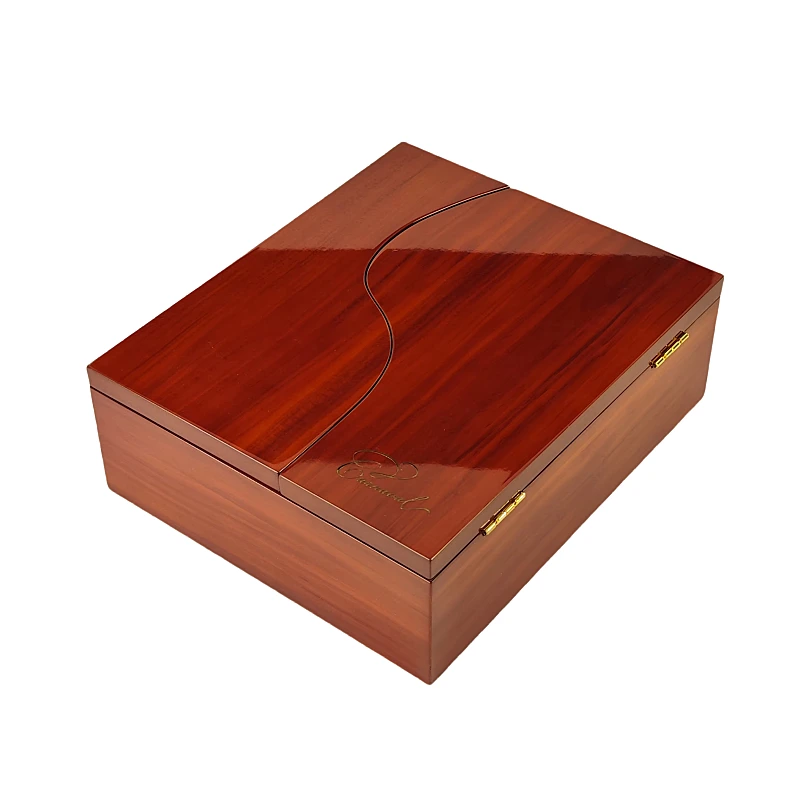
Cigar Boxes
Cigar packaging has a long tradition of wooden boxes.
However, many modern cigar brands use veneer panels instead of solid wood.
This approach offers:
- stable box geometry
- consistent lid alignment
- reliable large-scale production
At the same time, the natural wood surface maintains the classic aesthetic.
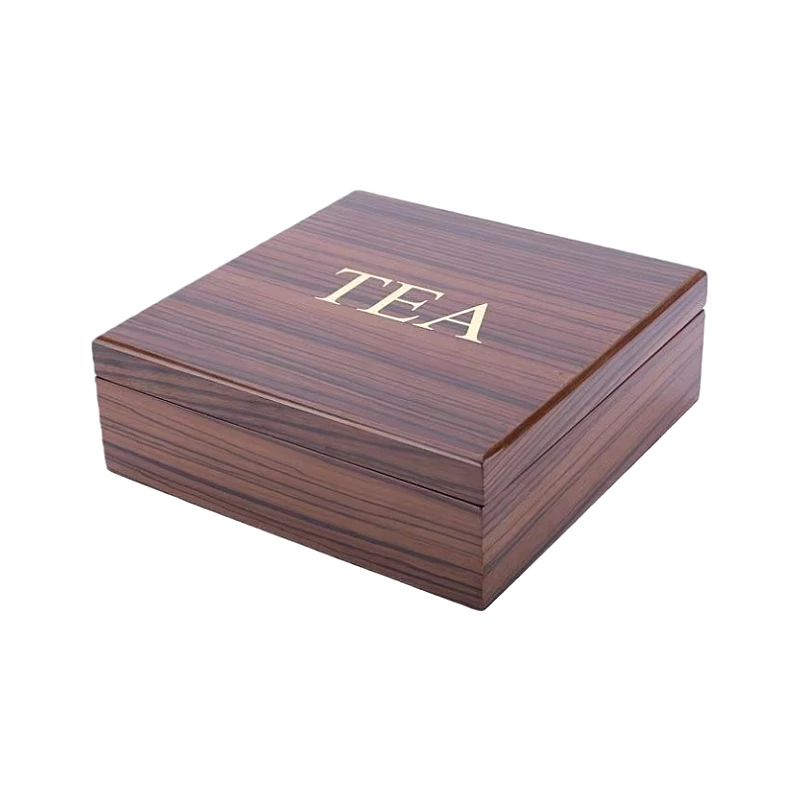
Premium Gift Boxes
Luxury gift boxes often require a balance between appearance and budget.
Veneer surfaces help brands present a natural and elegant packaging style while controlling material costs.
These boxes often appear in:
- corporate gift programs
- luxury product launches
- promotional limited editions
Decorative Presentation Boxes
Some brands want packaging that feels like part of the product itself.
Examples include:
| Product Category | Papel da embalagem |
|---|---|
| Luxury pens | Display presentation |
| Collectibles | Protective storage |
| Commemorative gifts | Long-term keepsake |
Veneer surfaces create a furniture-like appearance that fits these categories very well.
When Solid Wood Is Still the Better Option
Despite its advantages, veneer is not always the best solution.
Solid wood remains ideal when:
- deep carving is required
- thick edge profiles are needed
- strong natural grain variation is desired
These designs rely on the structural depth of real lumber.
Veneer works best when the goal is visual authenticity with production efficiency.
Conclusão
MDF with natural veneer offers the look of real wood with better stability and lower cost. It is not perfect, but it provides a practical balance for many luxury packaging projects.
WoodoBox — Caixas de madeira personalizadas, fabricadas com perfeição

 Português
  English
  Español
  Deutsch
  Français
  Italiano
  العربية