Perfume aging surprises many brands. The scent changes. The color shifts. Complaints appear. Most teams blame the formula, but the real issue often starts with the bottle and where it lives.
Bottle color affects perfume longevity by controlling how much light reaches the liquid, but its real impact only appears when combined with storage conditions such as light exposure, temperature stability, and packaging protection.
I have worked with perfume brands for more than 15 years. I have handled packaging failures, customer complaints, and long-term storage tests. Over time, I learned one core truth. Bottle color never works alone. It either helps or fails based on the environment around it.
If you understand this interaction, you can reduce aging issues before they reach the market.
How does bottle color control light exposure and photochemical reactions?
Light damage is silent. It does not crack the bottle. It does not leak. It slowly changes the perfume from the inside.
Clear glass allows almost all light to pass through. UV light and high-energy visible light reach the liquid with no resistance. This energy triggers photochemical reactions. These reactions break down aromatic molecules, especially top notes and delicate accords.
Bottle color controls perfume longevity by filtering light wavelengths that cause photochemical reactions, but only to the degree that the storage environment exposes the bottle to light.
From my experience, many brands underestimate light. They test stability in controlled labs, but forget real life. Retail shelves sit under LED lighting for months. Homes place bottles near windows. Even indirect sunlight matters over time.
How light interacts with perfume ingredients
Not all fragrance materials react the same way. Citrus oils, aldehydes, and some floral compounds are highly sensitive. When light hits them, oxidation accelerates.
I often explain this to clients using simple logic. Light is energy. Energy causes change.
Here is a simplified view:
| Light Type | Efeito no perfume |
|---|---|
| luz ultravioleta | Breaks molecular bonds |
| Blue visible light | Triggers slow oxidation |
| Warm indoor light | Causes cumulative stress |
Clear bottles offer no filter. Light-tinted bottles block some wavelengths. Dark bottles block most.
Why bottle color is a filter, not a shield
Even dark bottles are not perfect. They reduce light, but they do not eliminate it unless fully opaque or coated.
In many projects, I saw brands choose light amber or soft gray bottles. They assumed this was enough. In low-light storage, it often was. In bright retail spaces, it was not.
Bottle color acts like sunglasses. In shade, they work well. Under strong sun, you still feel the heat.
This is why I always tell brands to think in systems, not parts.
Why do clear bottles age faster in bright or unstable environments?
Clear bottles are honest. They show everything. That includes damage.
Clear glass does not block UV light. It does not reduce visible light. It creates no barrier between the perfume and its environment.
Clear bottles age faster because they allow constant light exposure, and unstable environments amplify photochemical and oxidative reactions inside the perfume.
I have seen this problem repeat many times. A brand launches a beautiful clear bottle. Sales are strong. Six months later, complaints appear from certain regions only. The formula did not change. The environment did.
Environmental instability makes damage worse
Clear bottles suffer most when conditions change often. These factors stack together:
- Bright retail lighting
- Window display exposure
- Temperature changes between day and night
- Frequent handling by customers
Each factor alone is manageable. Together, they accelerate aging.
In one case, two customers bought the same perfume. One stored it in a dark drawer. The other placed it on a sunny shelf. After one year, the color and scent were noticeably different.
Why oxidation accelerates in clear bottles
Light starts the reaction. Heat speeds it up. Air completes it.
Clear bottles heat up faster under light. Warm liquid expands. Micro air exchange increases at the seal. Oxygen enters. Oxidation continues.
This process explains why top notes disappear first. Freshness fades. The scent becomes flat.
Clear bottles demand discipline
Clear bottles are not wrong. They are demanding.
They require:
- Controlled retail lighting
- Strong outer packaging
- Clear storage guidance for customers
Without these controls, clear bottles expose every weakness in the storage chain.
How do dark and opaque bottles work together with storage conditions to slow degradation?
Dark bottles forgive mistakes. That is their real value.
They block most harmful light. They stabilize internal temperature. They reduce stress on the liquid.
Dark and opaque bottles slow perfume degradation by limiting light exposure and increasing tolerance to imperfect storage conditions.
From my experience, brands using dark bottles receive fewer complaints. This is not because their formulas are better. It is because their packaging protects better.
Degrees of protection in dark bottles
Not all dark bottles perform the same. Color depth and coating matter.
| Tipo de garrafa | Light Protection Level |
|---|---|
| Light amber | Médio |
| Deep amber | Elevado |
| Black glass | Muito elevado |
| Fully coated opaque | Máximo |
Fully opaque bottles almost eliminate light damage. They turn light into a non-issue.
Storage conditions still matter
Even with dark bottles, environment matters. Heat still degrades perfume. Air still oxidizes it.
However, dark bottles create a buffer. They slow down the damage. This gives brands more margin for error.
In hot climates or sunny markets, this buffer is critical.
Why dark bottles reduce customer complaints
Most customers do not store perfume correctly. They leave it out. They display it. They open it often.
Dark bottles compensate for this behavior. They protect the product even when storage discipline is weak.
This is why many luxury brands choose black or coated bottles for export markets with strong sunlight.
Why does bottle color matter more when outer packaging is removed?
Outer packaging is often ignored after purchase. That is a mistake.
Once the box is removed, the bottle becomes fully exposed to the environment. At this point, bottle color becomes the primary line of defense.
Bottle color matters more without outer packaging because it becomes the only barrier against light, temperature changes, and daily exposure.
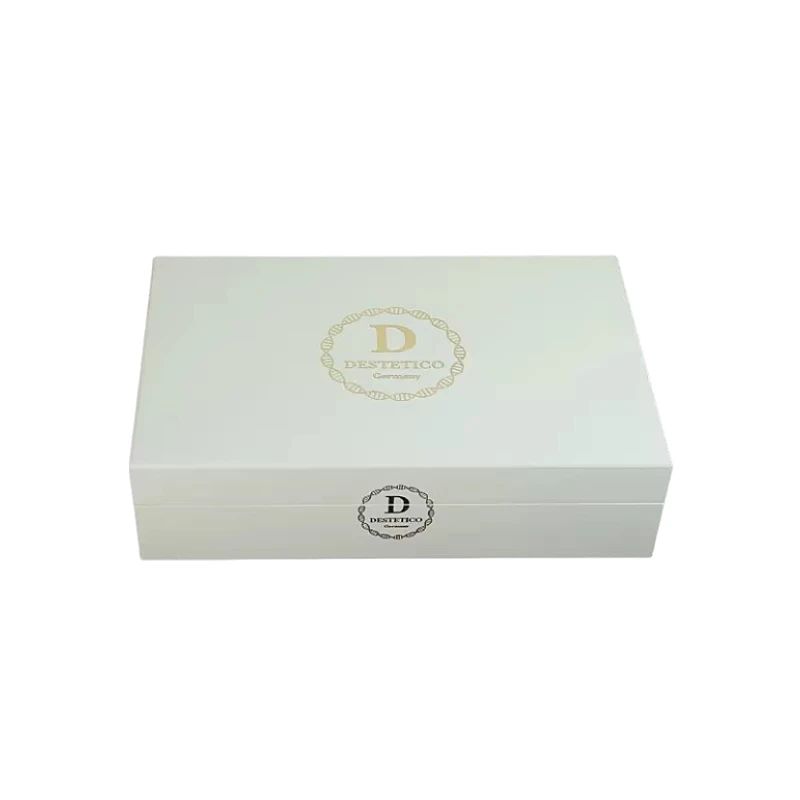
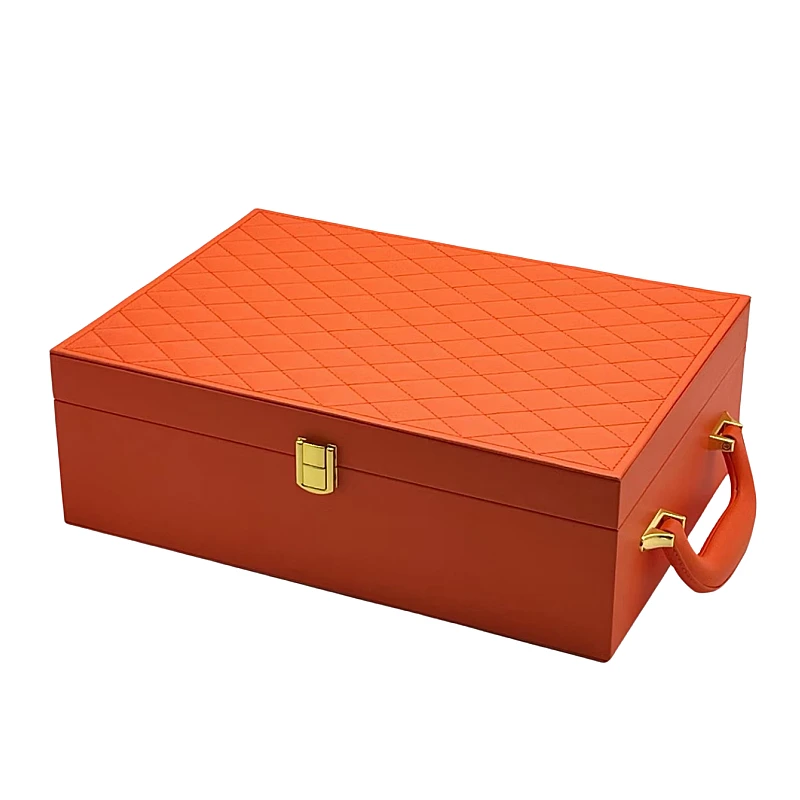
%[Caixa branca de luxo com logótipo Destetico
I have seen perfumes stored in wooden boxes age beautifully, even with clear bottles. I have also seen dark bottles fail when left exposed in harsh conditions.
The role of secondary packaging
Secondary packaging controls the environment.
It blocks light.
It slows temperature change.
It reduces air movement.
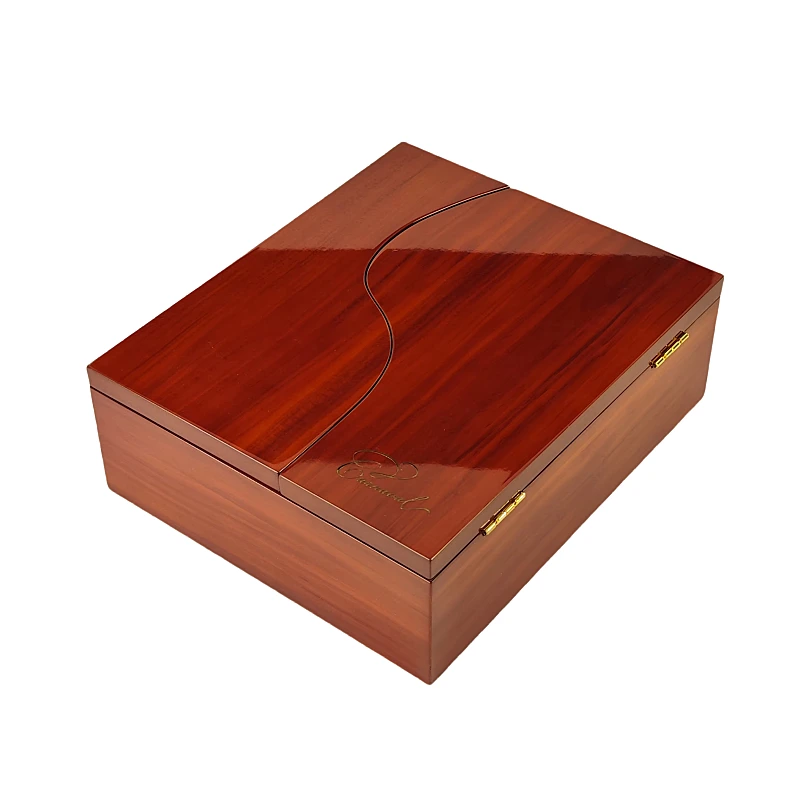
A rigid box, especially wood, creates a stable microclimate.
Wooden boxes as environment stabilizers
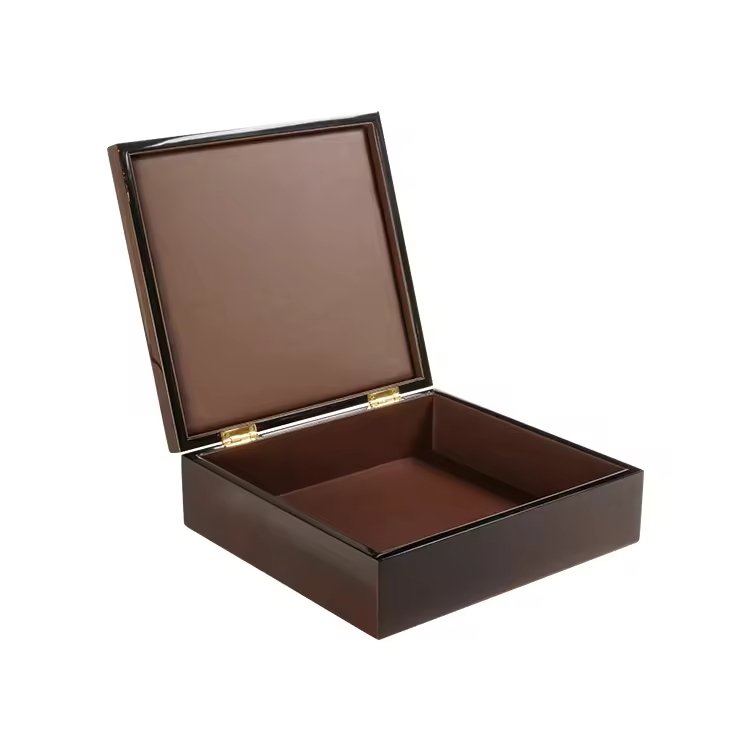
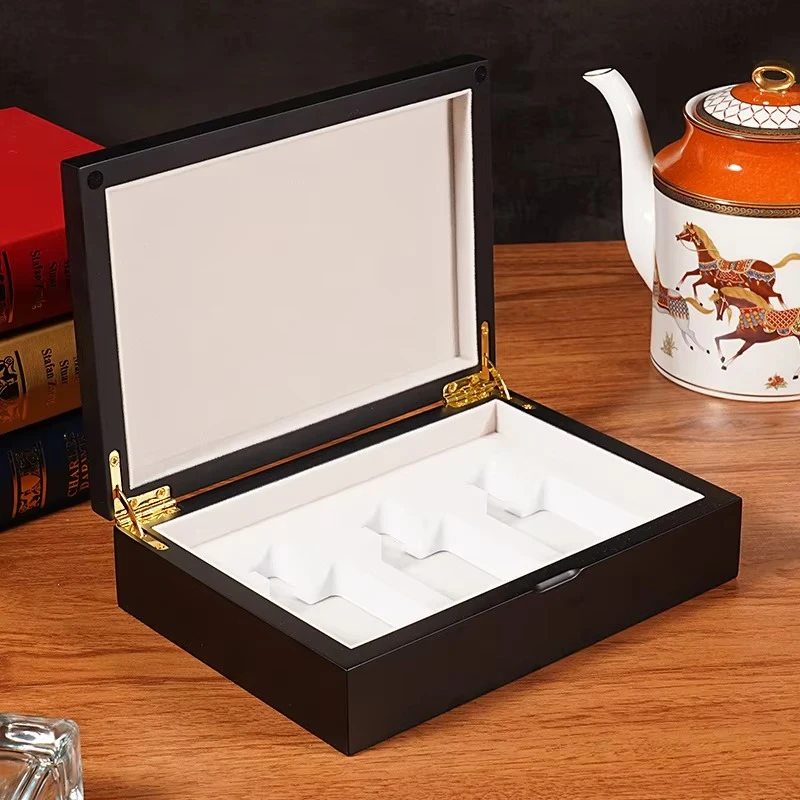
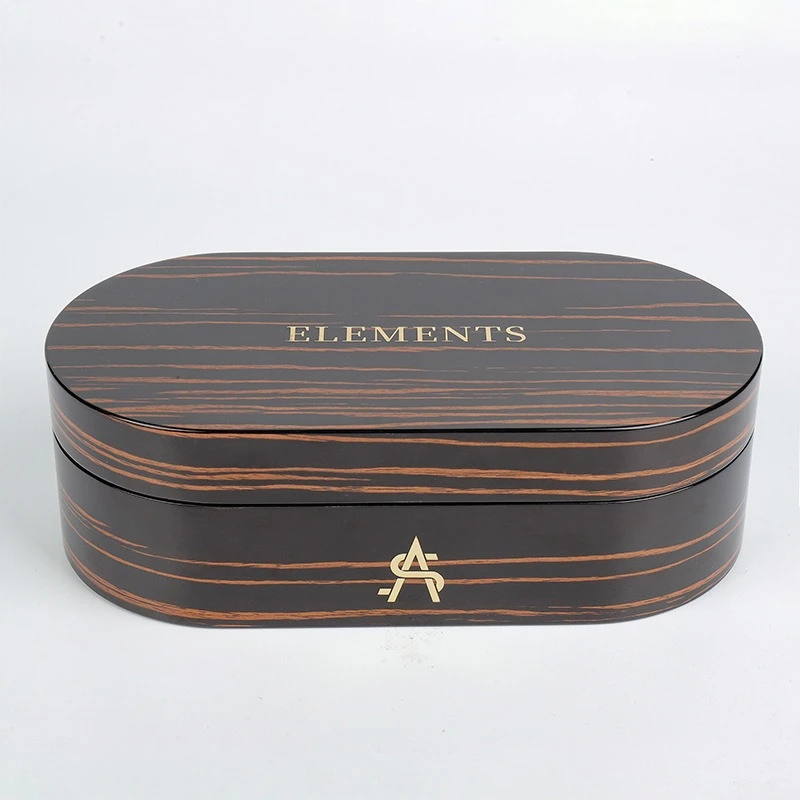
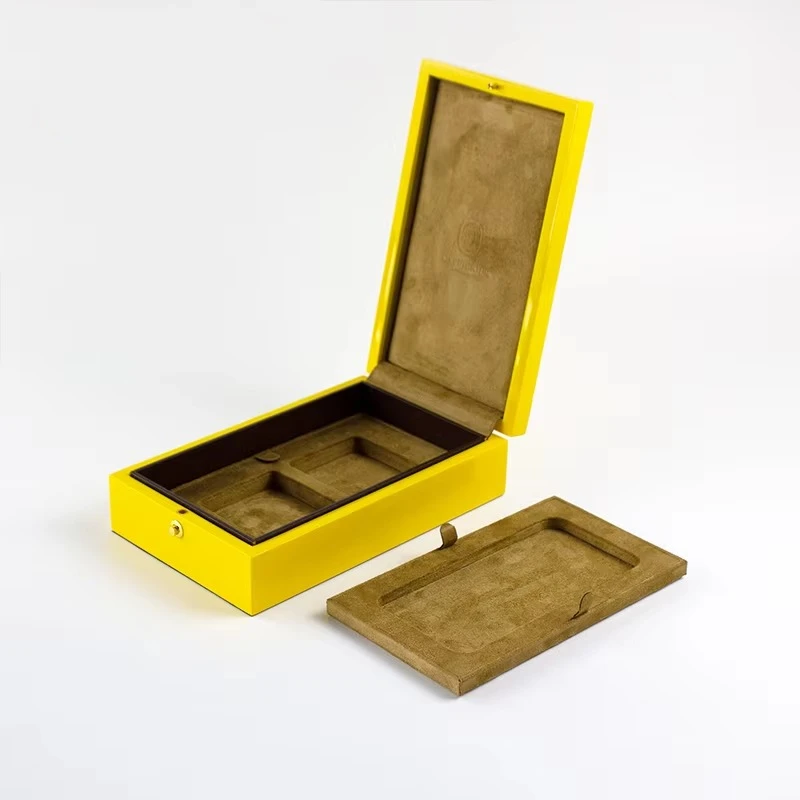
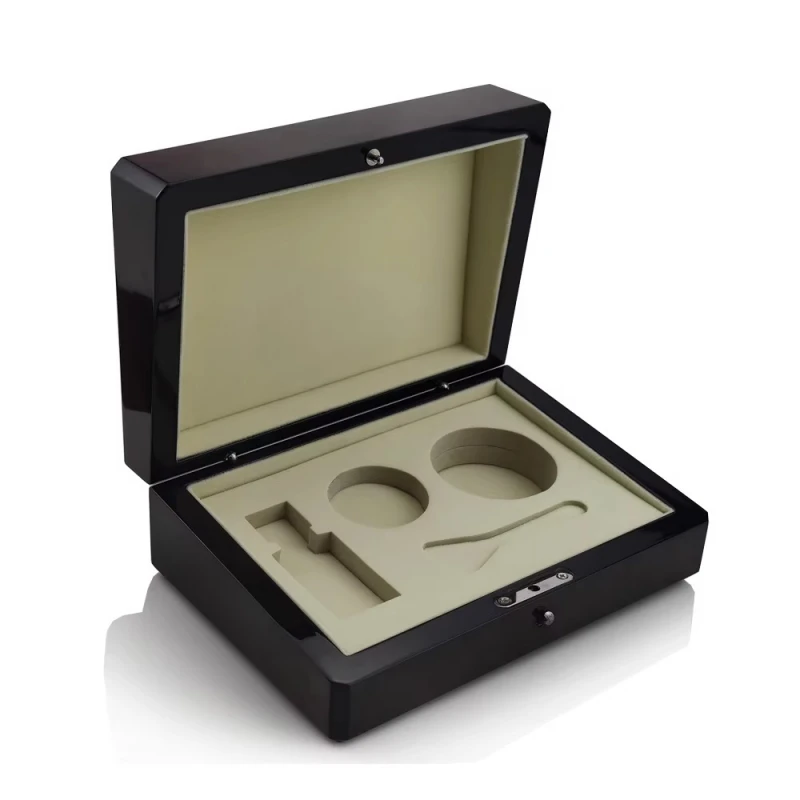
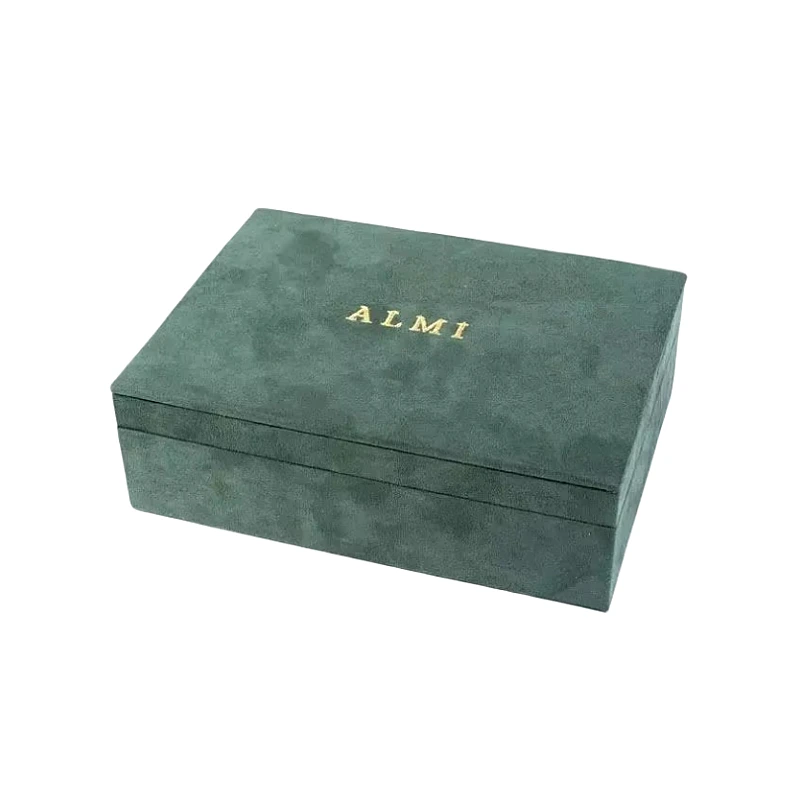
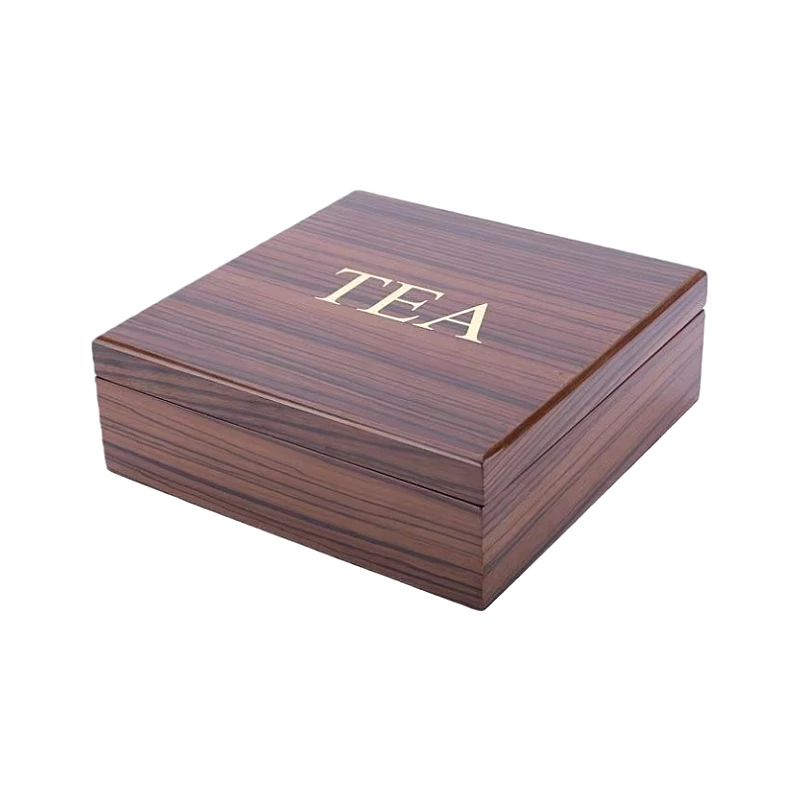
From my work at WoodoBox, I know wooden boxes well. Wood is not just decorative. It insulates.
Benefits of wooden perfume boxes:
- Total light blockage
- Slower heat transfer
- Reduced temperature swings
- Premium brand perception
This is why I have seen clear-bottle perfumes perform very well when stored consistently inside wooden boxes.
What happens when packaging is removed
Once removed, the bottle faces:
- Direct light
- Open air
- Handling heat
At this stage, bottle color defines survival time.
Clear bottles decline fastest. Dark bottles last longer. Opaque bottles last longest.
How can brands balance visual design with long-term fragrance protection?
Design sells. Protection sustains.
This tension exists in every perfume project.
Brands balance visual design and fragrance protection by treating bottle color and packaging as one integrated system, not separate design choices.
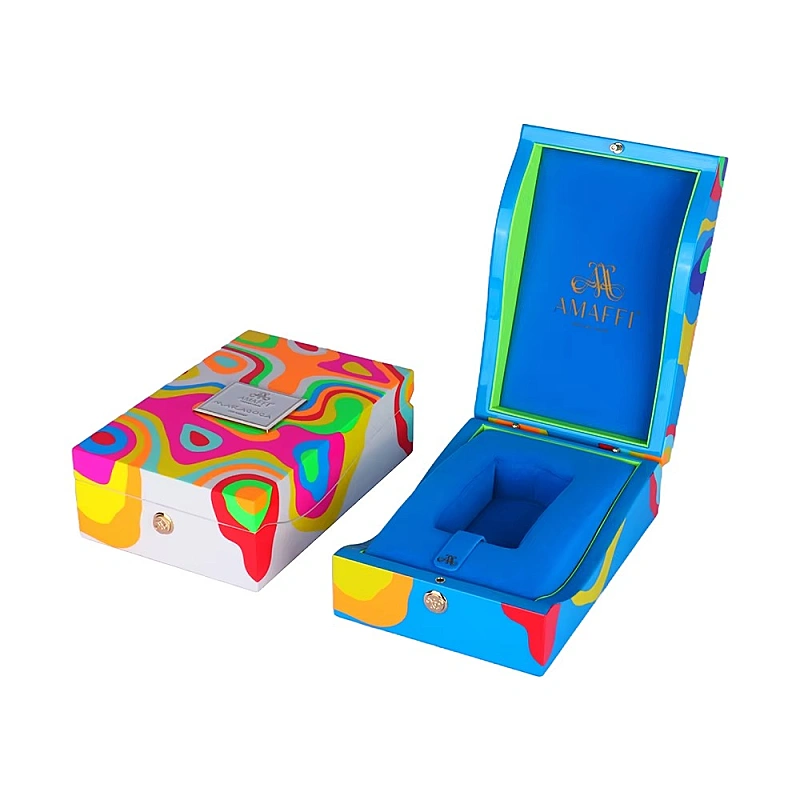
I often advise brands to stop asking one question. Instead of asking “Which bottle looks best?” ask “Where will this bottle live?”
Design strategies that work
Here are approaches I have seen succeed:
Strategy 1: Clear bottle + strong box
- Clear glass for visual impact
- Rigid or wooden outer box
- Controlled retail display
Strategy 2: Light-tinted bottle + moderate packaging
- Partial light protection
- Reduced risk in normal environments
Strategy 3: Dark or opaque bottle + minimal box
- High internal protection
- Suitable for high-exposure markets
Matching strategy to market behavior
Different markets behave differently.
| Market Type | Recommended Approach |
|---|---|
| High sunlight regions | Dark bottle |
| Luxury gifting | Clear bottle + wooden box |
| Travel retail | Opaque bottle |
Why system thinking matters
When brands fail, they often optimize only one element. They choose beauty over protection or protection over appeal.
The best brands design systems. Bottle color, coating, box material, and storage advice work together.
This reduces complaints. It protects brand reputation. It extends product life naturally.
Conclusão
Bottle color does not decide perfume longevity alone. Environment completes the story. When bottle, storage, and packaging align, fragrance quality lasts longer.
Nome da marca: WoodoBox
Slogan: Caixas de madeira personalizadas, fabricadas na perfeição

 Português
  English
  Español
  Deutsch
  Français
  Italiano
  العربية