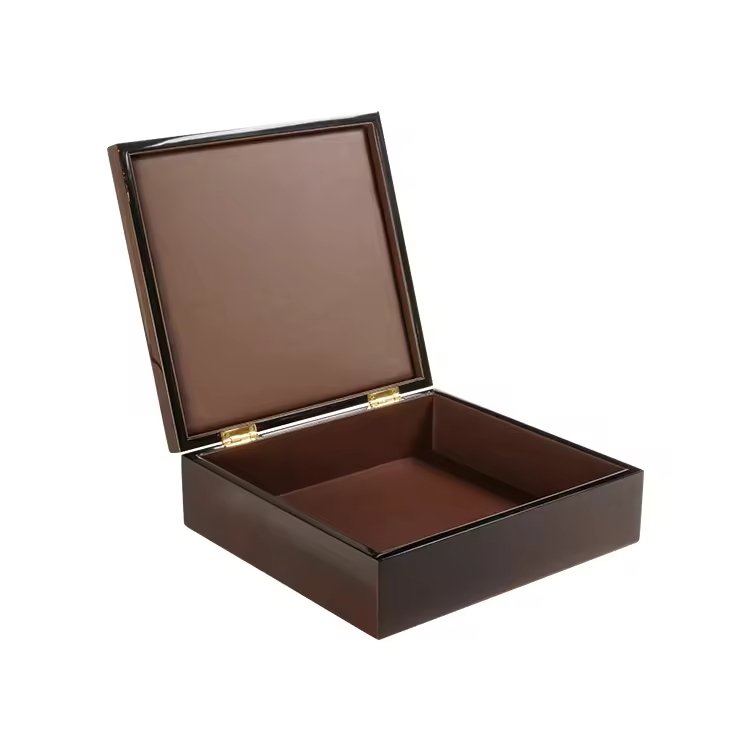
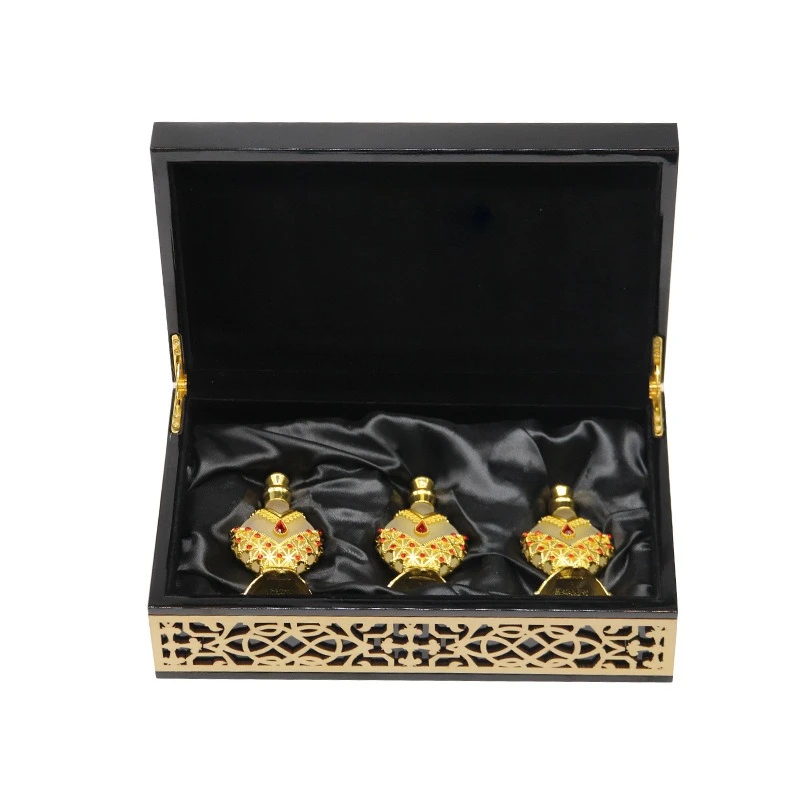
I have seen many perfume brands fail, not because of scent quality, but because the gift box felt wrong to the buyer. The problem is often cultural misunderstanding, not design skill.
Cultural preferences directly shape how perfume gift boxes are perceived, valued, and emotionally received. Luxury packaging only works when it aligns with local views on color, symbolism, structure, and gifting behavior.
I want to explain how culture changes everything in perfume gift box design. I will speak from my own experience as a wooden box manufacturer working with global perfume brands for more than 15 years.
How Do Different Cultures Interpret Luxury, Symbolism, and Color in Gift Packaging?
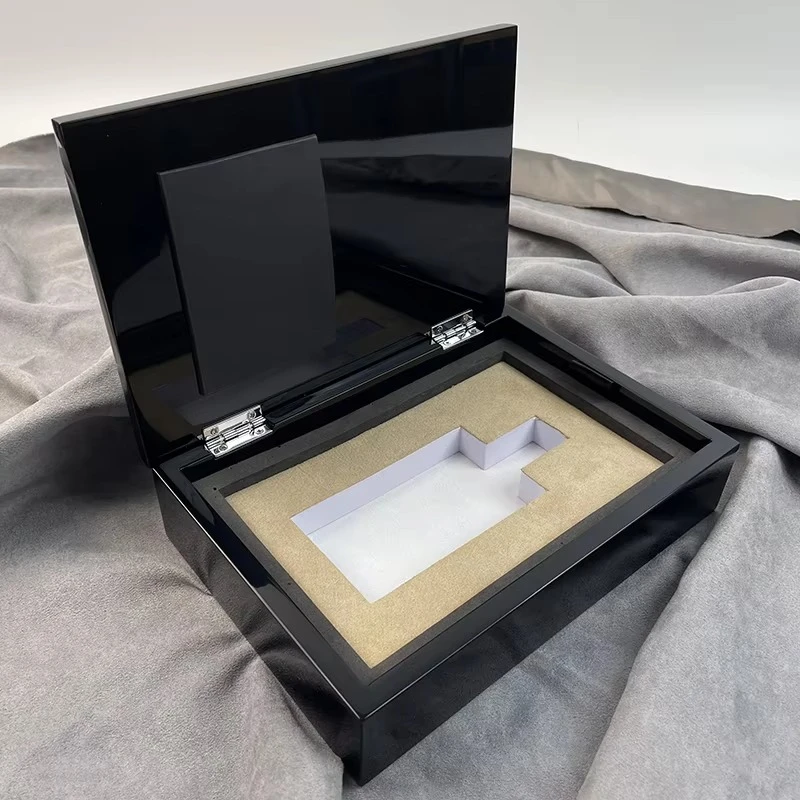
Many brands assume luxury looks the same everywhere. This assumption causes expensive mistakes. Luxury is a cultural language, and color is one of its strongest words.
Different cultures assign very different meanings to luxury, symbols, and colors in perfume gift packaging. Ignoring these meanings can weaken even the best perfume.
Luxury Is a Visual Code, Not a Universal Rule
When I work with European and American clients, luxury usually means control. Fewer elements. Calm colors. Clear structure. A matte wooden surface with clean edges often feels confident and honest.
In contrast, many Middle Eastern and Asian clients expect luxury to be visible. The box must show effort. It must feel like a gift before it is opened. Weight, shine, and detail matter more.
I once produced the same wooden perfume box design for two markets.
- In Germany, the minimal version sold well.
- In the UAE, the same box felt too simple and emotionally cold.
Color Meaning Changes by Region
Color is never neutral. I always warn clients about this early.
Here is a simplified comparison based on my experience:
| Cor | Western Markets | China & East Asia | Médio Oriente |
|---|---|---|---|
| Branco | Clean, pure, modern | Can suggest mourning | Acceptable, often neutral |
| Vermelho | Bold, sometimes aggressive | Celebration, luck | Power, strength |
| Preto | Premium, masculine, elegant | Formal, sometimes heavy | Luxury, authority |
| Ouro | Luxury accent | Wealth, success | Prestige, honor |
I remember a Chinese client rejecting a white-dominant perfume box. The wood quality was excellent. The finish was perfect. Still, the emotional response was wrong.
Symbolism Goes Beyond Color
Symbols include textures, patterns, and even emptiness.
- Empty space can feel refined in Europe.
- The same space can feel unfinished in other regions.
This is why I believe packaging designers must study culture before they draw anything. Luxury is not what we like. It is what the customer understands.
Why Does the Meaning of “Premium” Packaging Vary Between Western and Eastern Markets?
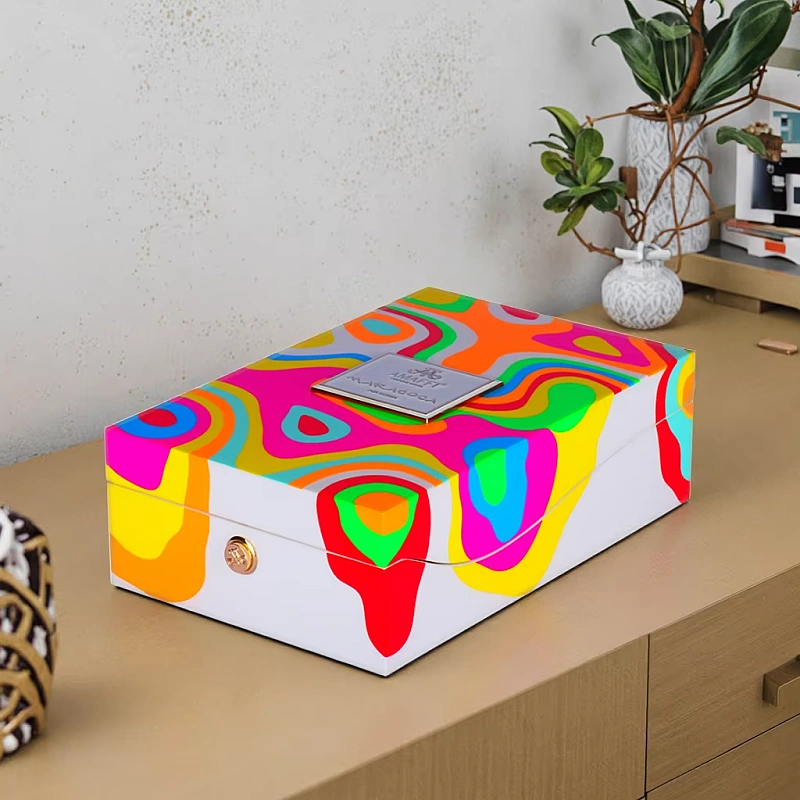
Premium is one of the most misused words in packaging. Every brand wants premium results, but few understand that premium is defined locally.
The idea of premium packaging changes because cultures value different signals of quality, trust, and status.
Western Markets Prefer Quiet Confidence
In Europe and the USA, premium often means:
- Subtle materials
- Consistent proportions
- Controlled decoration
A wooden perfume box with a soft-touch finish, a hidden hinge, and a precise fit often feels expensive. No explanation is needed. The box speaks quietly.
I often hear Western buyers say:
“If it looks too fancy, it feels fake.”
This mindset values authenticity and craftsmanship over display.
Eastern and Middle Eastern Markets Expect Visible Value
In many Asian and Middle Eastern regions, premium must be shown. The buyer expects:
- Layered box structures
- Heavier weight
- Rich finishes like gloss, lacquer, or metallic details
A box that looks simple may feel cheap, even if production cost is high.
I worked with a Saudi brand that increased box thickness by only a few millimeters. Customer feedback improved immediately. The perfume did not change. The perception did.
Premium Signals Are Learned Through Culture
Premium is not taught by brands. It is learned through society.
Here is a comparison I often share with clients:
| Sinal | Western Interpretation | Eastern Interpretation |
|---|---|---|
| Minimal design | Confidence | Lack of effort |
| Heavy box | Wasteful | Valuable |
| High-gloss finish | Commercial | Luxurious |
| Simple logo | Maduro | Weak branding |
When brands fail to localize premium signals, the box works against the perfume.
How Do Gifting Traditions Shape Box Structure, Opening Rituals, and Materials?
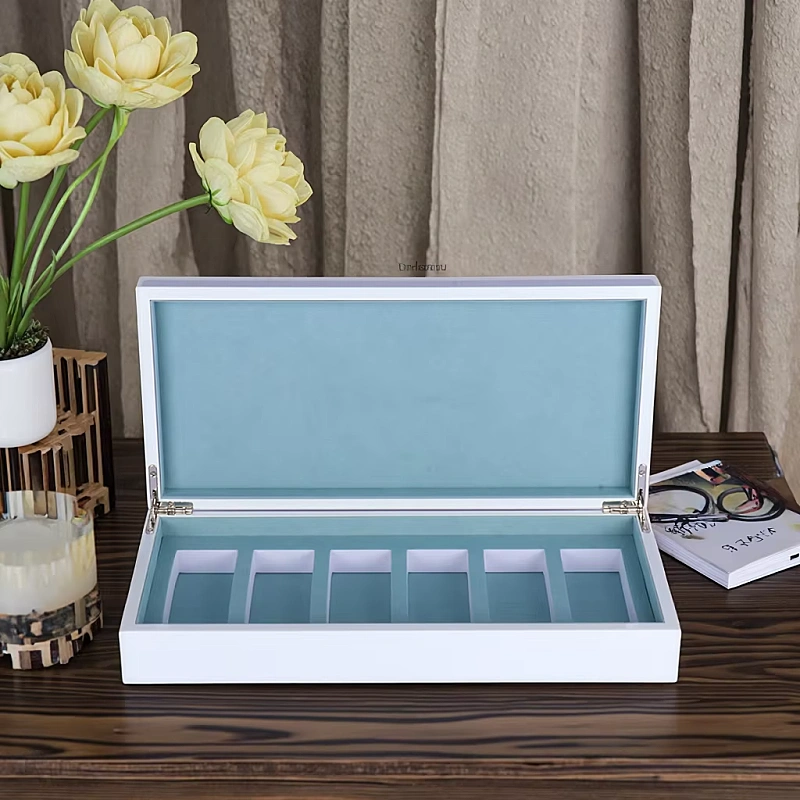
A perfume gift box is part of a ritual. The way it opens matters as much as how it looks.
Gifting traditions directly influence box structure, unboxing speed, and material choices.
The Importance of the Opening Experience
In some cultures, gifting is private and quick. In others, it is slow and public.
Western buyers often prefer:
- Easy opening
- Clear visibility
- Functional inner trays
In contrast, many Asian and Middle Eastern buyers enjoy:
- Multi-step opening
- Inner layers
- A sense of ceremony
I once redesigned a perfume box by adding a second inner lid. Sales increased in Japan, even though production cost rose slightly.
Structure Reflects Respect
In gifting cultures, effort equals respect. Structure is proof of effort.
Common structural preferences I see:
| Mercado | Preferred Structure |
|---|---|
| USA / EU | Magnetic flip-top |
| China | Drawer box with inner tray |
| Médio Oriente | Rigid lift-off lid with lining |
| Korea / Japan | Precise compartments |
Material Choices Carry Emotional Weight
Wood performs well across cultures because it feels honest. But surface treatment changes everything.
- Matte wood feels calm and modern.
- Glossy lacquer feels formal and celebratory.
- Fabric lining feels warm and personal.
I always say this to clients:
“The material touches the emotion before the perfume touches the skin.”
Why Do Some Cultures Value Restraint While Others Expect Visual Richness?
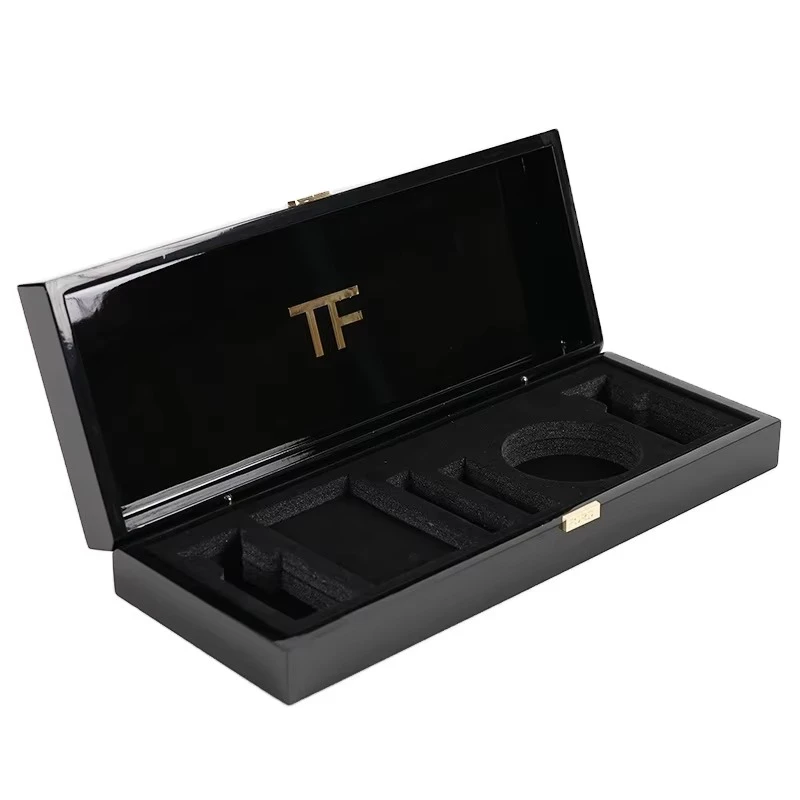
This question goes beyond packaging. It touches history, religion, and social habits.
Cultural preference for restraint or richness comes from how societies express status and emotion.
Restraint Signals Confidence in Some Cultures
In many Western societies, showing too much can feel insecure. True luxury does not need explanation.
This mindset favors:
- Cores neutras
- Clean surfaces
- Limited decoration
The product speaks for itself.
Richness Signals Care and Status Elsewhere
In other cultures, richness shows sincerity. A gift must look valuable to prove respect.
This includes:
- Decorative patterns
- Cores profundas
- Shiny finishes
A simple box may suggest laziness, not elegance.
Designers Must Avoid Personal Bias
I always remind my team:
“Our taste is not the market’s taste.”
A good perfume gift box designer listens more than they decorate. Culture decides where to stop.
How Can Brands Design Perfume Gift Boxes That Travel Well Across Cultures?
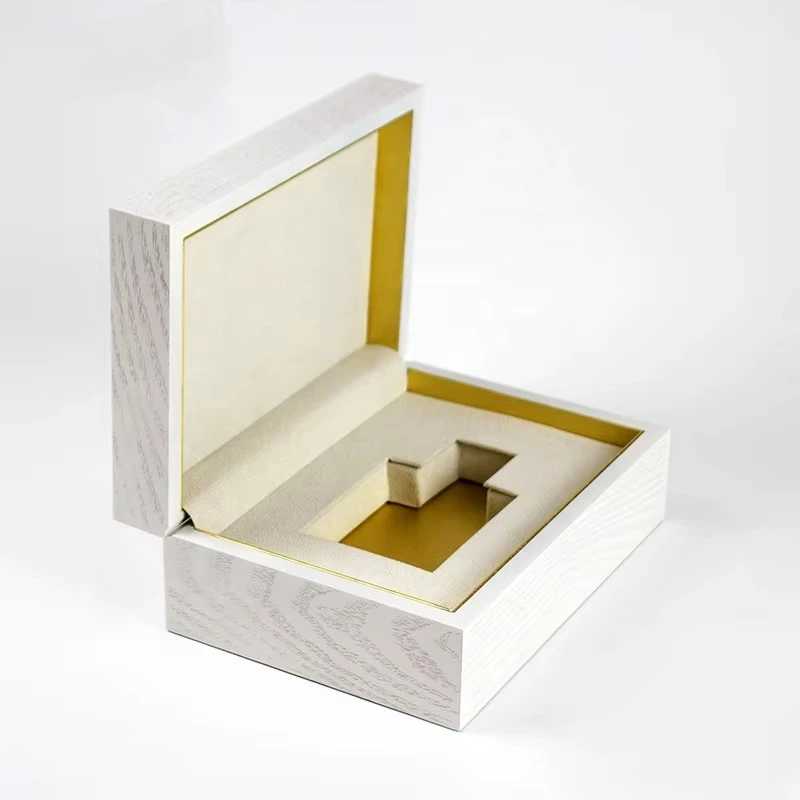
Global brands need balance. They cannot redesign everything for each market, but they cannot ignore culture either.
The best perfume gift boxes keep a strong core identity and allow controlled local adaptation.
Start with a Universal Core
I suggest brands define what never changes:
- Material quality
- Box proportions
- Structural integrity
Wooden boxes work well here. Wood feels premium almost everywhere.
Adjust the Surface, Not the Soul
Local adaptation should focus on:
- Cor
- Acabamento
- Lining material
- Decoration level
This keeps costs controlled and brand identity stable.
Modular Design Works Best
From a manufacturing view, modular design saves money and reduces risk.
Exemplo:
| Elemento | Global | Local |
|---|---|---|
| Box body | Same | Same |
| Acabamento | Base neutra | Específico do mercado |
| Lining | Adjustable | Cultural preference |
| Logótipo | Same | Same |
I have seen this approach help brands scale without losing meaning.
Culture Is Not a Barrier, It Is a Tool
When brands respect culture, packaging becomes a bridge. The perfume enters the market with trust.
I truly believe this:
A culturally aligned box makes the fragrance feel familiar before it is smelled.
Conclusão
Culture shapes luxury more than design trends. When perfume gift boxes respect cultural meaning, they earn trust, emotion, and value before the perfume is ever opened.
Nome da marca: WoodoBox
Slogan: Caixas de madeira personalizadas, fabricadas na perfeição

 Português
  English
  Español
  Deutsch
  Français
  Italiano
  العربية