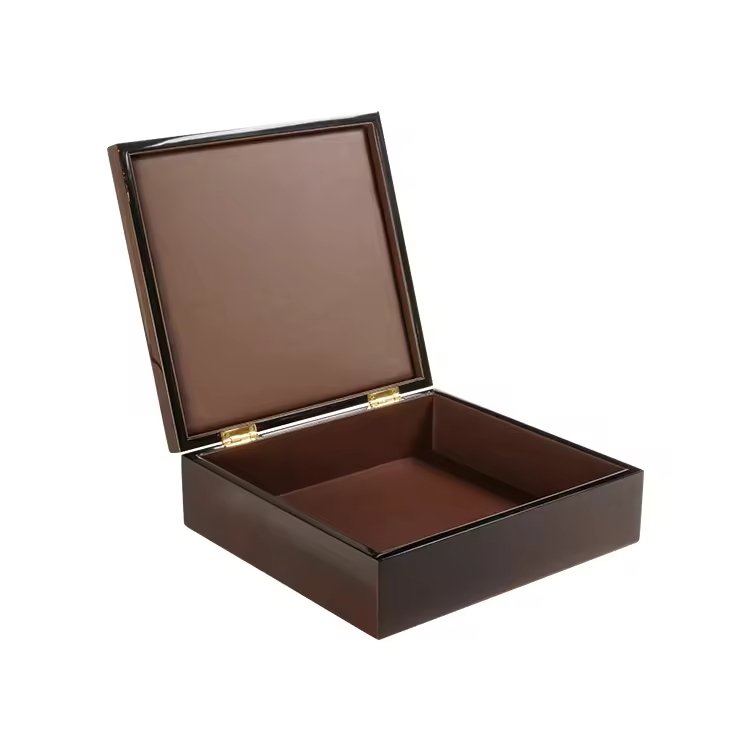
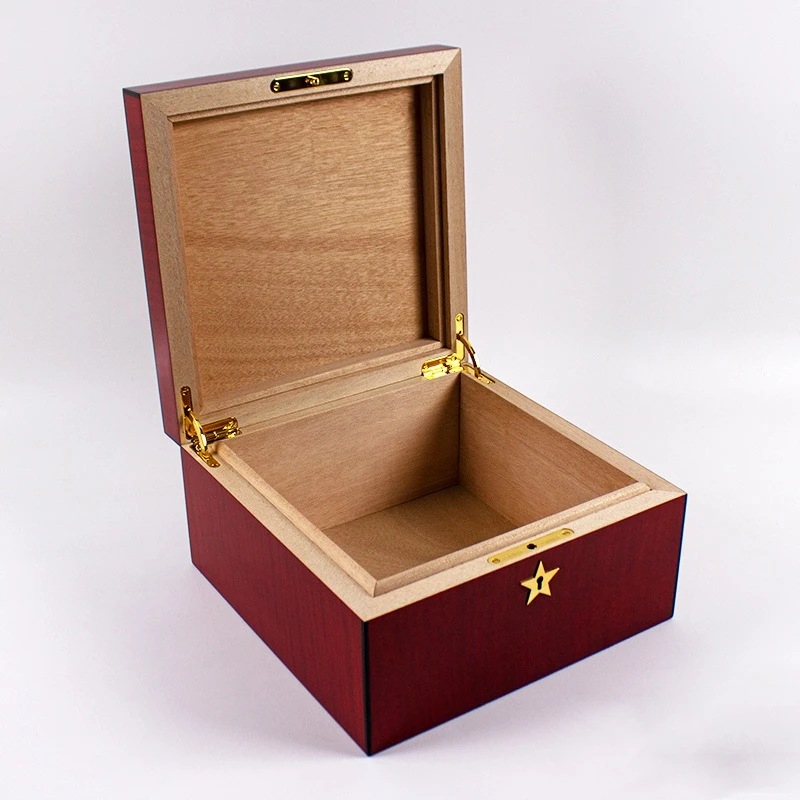
Many cigar lovers demand unique, luxurious boxes. But unusual materials like marble and acrylic may bring both beauty and challenges.
Marble and acrylic finishes can elevate cigar boxes with luxury, durability, and bold style, but they must be balanced with wood to protect cigars properly.
When selecting finishes, the choice is not only about looks. It is about how the material interacts with wood, how it impacts preservation, and how customers perceive value.
What unique style or luxury touch do marble and acrylic finishes bring to cigar boxes?
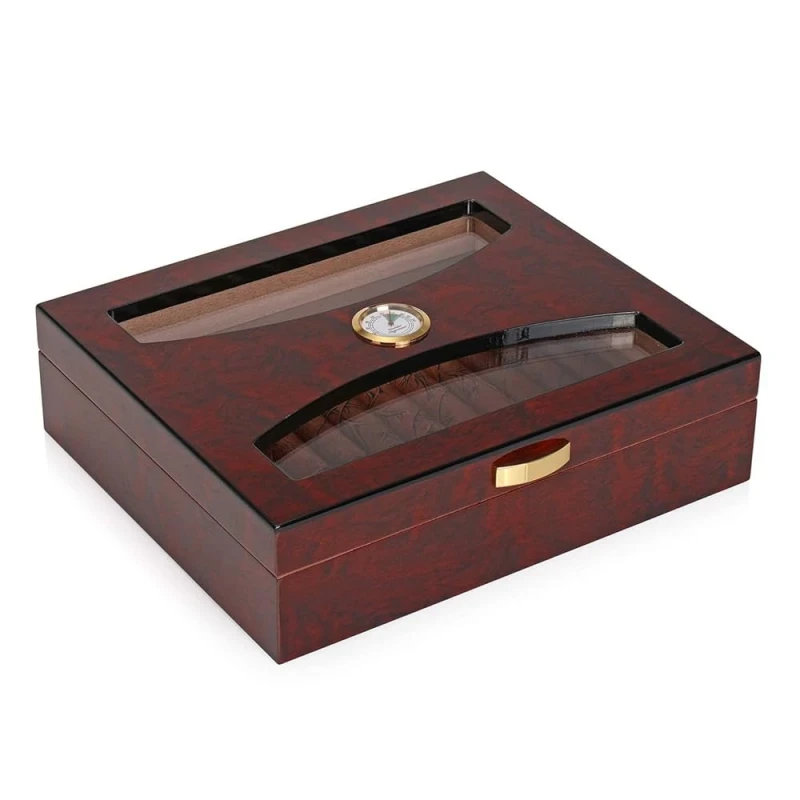
Marble and acrylic give cigar boxes a striking and modern look. They make the box feel more like an art piece than just packaging.
Marble provides timeless elegance, while acrylic offers a sleek modern glow, both creating strong visual impact in luxury cigar boxes.
I have worked with many high-end brands that wanted something different from traditional glossy wood finishes. Marble panels instantly give a box a sense of permanence, while acrylic can bring color and transparency that catches light.
Types of Luxury Appeal
- Marble: classic, natural veins, heavy in presence
- Acrylic: modern, glossy, versatile in color and light play
A Real Case
One client once asked me to design a limited cigar box series with black marble inlays. The heavy, cool surface made every piece feel like a collectible. Another time, I used acrylic in transparent red panels for a contemporary cigar lounge edition. It gave a futuristic glow that wood alone could not deliver.
Both materials add a luxury aura, but they speak to different customer groups. Marble leans to tradition and status. Acrylic appeals to younger or modern markets.
How do marble/acrylic surfaces compare with traditional wooden finishes in durability and function?
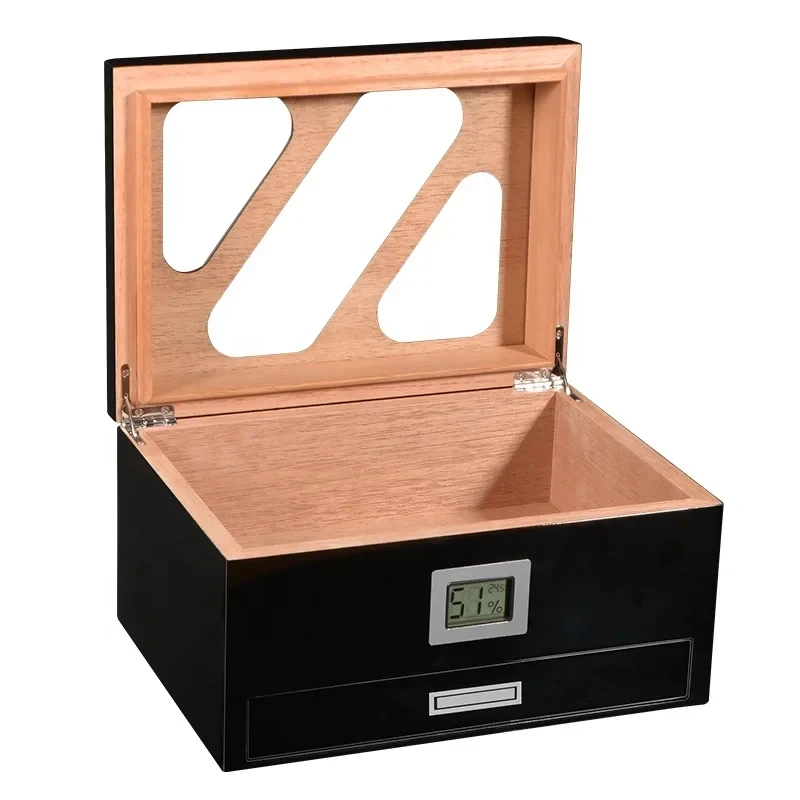
Wood has always been the main body of cigar boxes. It balances beauty and function well. But marble and acrylic bring different strengths and weaknesses.
Wood remains best for balance and preservation, while marble adds hardness and acrylic brings scratch resistance but risks cracking or discoloration.
Tabela de comparação
| Material | Durabilidade | Peso | Resistência aos riscos | Manutenção |
|---|---|---|---|---|
| Madeira | Bom | Luz | Médio | Fácil |
| Marble | Muito elevado | Pesado | Elevado | Moderado |
| Acrílico | Elevado | Médio | Muito elevado | Fácil |
A minha experiência
In production, marble always adds significant weight. A medium-sized marble-finished box feels luxurious but heavy in hand. It is not ideal for shipping in bulk. Acrylic is lighter, but if exposed to strong light over years, some colors fade.
Função
Marble protects well from scratches but can chip if dropped. Acrylic resists scratches better than lacquered wood, but it feels less "organic" in touch. For everyday cigar use, wood is still the easiest to maintain.
So, marble and acrylic are more about aesthetic power, while wood remains central for balance and practicality.
Can marble or acrylic affect the cigar preservation quality inside the box?
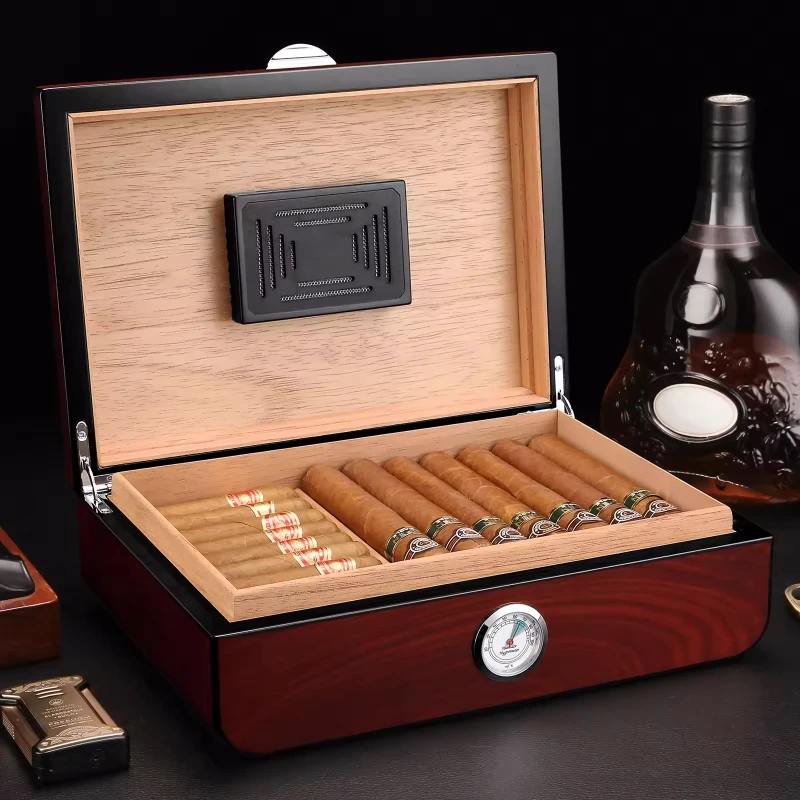
Cigars are sensitive. They need stable humidity and protection from light. Any box finish must respect this.
Marble and acrylic do not directly preserve cigars, so the inner wood lining—usually Spanish cedar—remains essential for quality storage.
Why Inner Wood Matters
Cigars breathe. Spanish cedar absorbs and releases humidity. It also protects against insects. Marble and acrylic have no such qualities. If used alone, cigars would dry or mold quickly.
Risks
- Marble: Cold surface can change temperature inside if not balanced.
- Acrylic: Transparent acrylic lets light in, which can damage cigars if not properly shielded.
A Client Story
I once made a prototype with thick acrylic walls. It looked amazing, like cigars floating in glass. But after testing, the cigars inside lost aroma faster because there was no cedar lining. We had to redesign by adding a full inner wooden core, with acrylic as an outer shell.
So, when designing cigar boxes with these materials, I always make sure the interior remains traditional wood. The outer marble or acrylic is only for luxury presentation.
What production challenges may appear when combining wood with marble or acrylic?
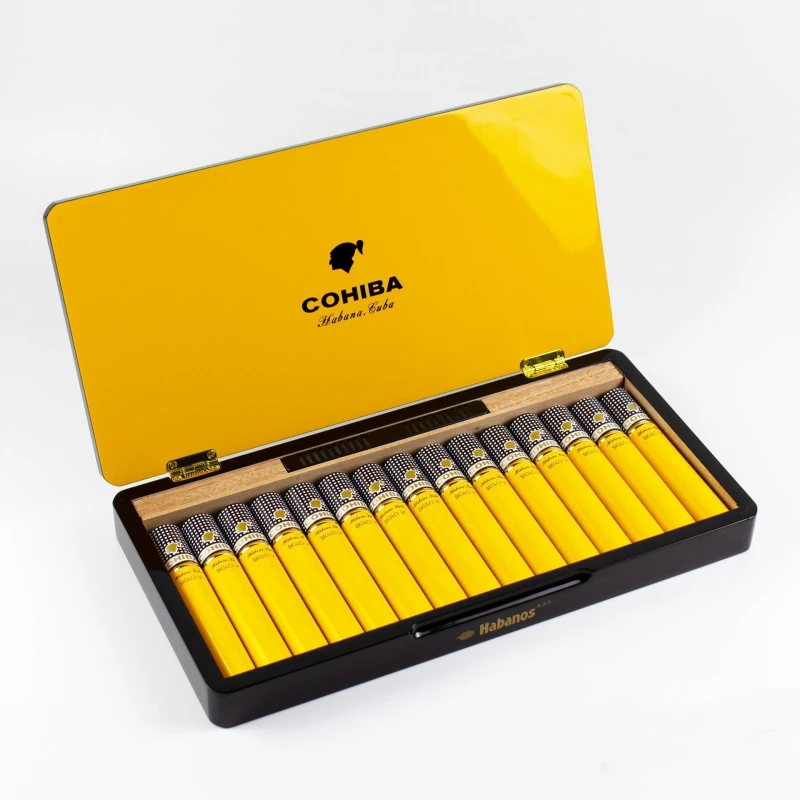
The idea of mixing materials sounds simple, but real production is complex.
Combining wood with marble or acrylic brings technical challenges in weight, bonding, cutting, and finish alignment.
Key Challenges
- Weight Control – Marble adds heavy mass. It needs reinforced hinges and strong base.
- Bonding Issues – Marble and acrylic do not bond easily with wood. Strong adhesives and careful testing are needed.
- Cutting Precision – Acrylic scratches during cutting. Marble chips if mishandled. Wood expands and contracts with humidity. These differences must be managed.
- Finish Alignment – Getting a smooth transition between glossy wood, polished marble, and clear acrylic takes skilled polishing.
Exemplo da minha oficina
In one project, we added thin marble strips into a walnut cigar box lid. The difficulty was keeping marble flush with wood after polishing. If even 0.1 mm difference appeared, the lid would feel rough. It took multiple re-polish steps to get it right.
Production is not impossible, but it requires higher cost and more time. Only experienced factories can guarantee consistent quality.
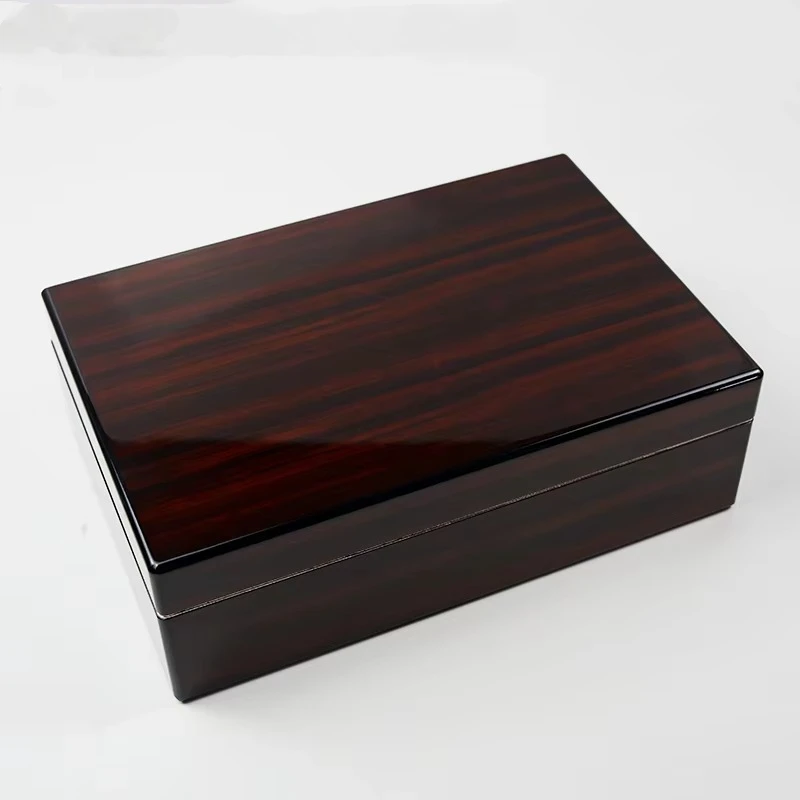
Price is always a concern for premium packaging buyers. Luxury must be justified by value.
Marble is expensive and heavy, while acrylic is cheaper but less timeless. Both are costlier than wood finishes, and they raise shipping and handling costs.
Cost Factors
- Marble: Quarry sourcing, cutting, polishing, high weight shipping.
- Acrylic: Lower raw cost, but scratch-resistant coatings and custom coloring increase price.
- Wood: Stable pricing, wide options from MDF to exotic veneer.
Approximate Cost Impact
| Tipo de acabamento | Relative Material Cost | Shipping Impact |
|---|---|---|
| Traditional Wood | Low to Medium | Baixa |
| Marble Panels | Elevado | Muito elevado |
| Acrylic Panels | Médio | Médio |
In my projects, adding marble increased total unit cost by at least 40–60%. Acrylic raised cost by about 20–30%. Clients who chose marble wanted to sell limited editions with very high retail price. Acrylic was more popular for mid-range luxury lines where modern style mattered more than timeless prestige.
Which customer groups or markets would appreciate cigar boxes with marble/acrylic designs most?
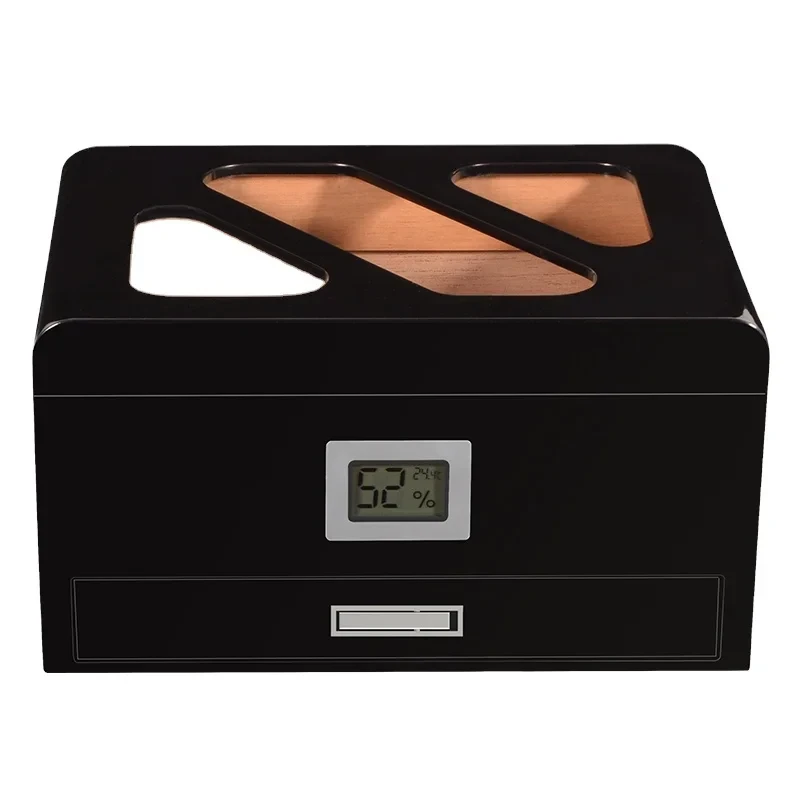
Not all cigar lovers want marble or acrylic. The market is niche but clear.
Marble appeals to traditional collectors seeking heritage prestige, while acrylic attracts modern buyers who want bold, artistic packaging.
Market Segments
- Collectors and Luxury Connoisseurs – They value marble’s weight and natural stone feel.
- Modern Lifestyle Brands – They prefer acrylic to show bold colors and unique transparency.
- Corporate Gifts Market – Both marble and acrylic make strong statement pieces for limited edition gifting.
- Boutique Lounges and Hotels – They buy such boxes to create standout displays in cigar lounges or bars.
Real Buyer Behavior
One European brand I worked with wanted marble cigar boxes only for their VIP club. Each member received one box with engraved initials. In contrast, a US-based lounge chose acrylic cigar boxes for their modern interior design theme. Customers loved the glowing red acrylic lids under the lounge lighting.
So, while the market is smaller than for traditional wooden finishes, marble and acrylic have strong impact when used in the right segment.
Conclusão
Marble and acrylic give cigar boxes luxury style, but they must always work with wood inside to balance beauty and preservation.
Nome da marca: WoodoBox
Slogan: Caixas de madeira personalizadas, fabricadas na perfeição
Sítio Web: www.woodobox.com
WhatsApp: +86 18359265311


 Português
  English
  Español
  Deutsch
  Français
  Italiano
  العربية