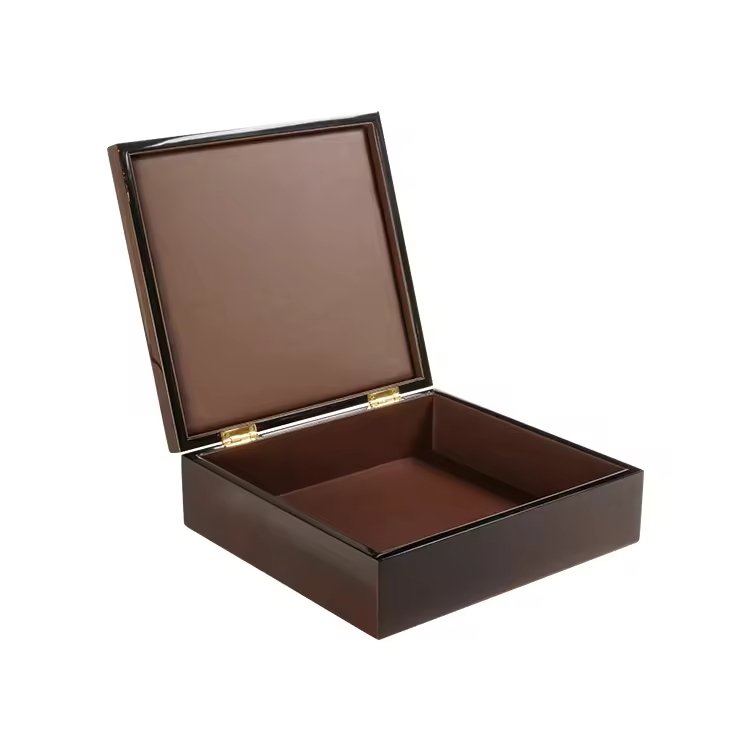
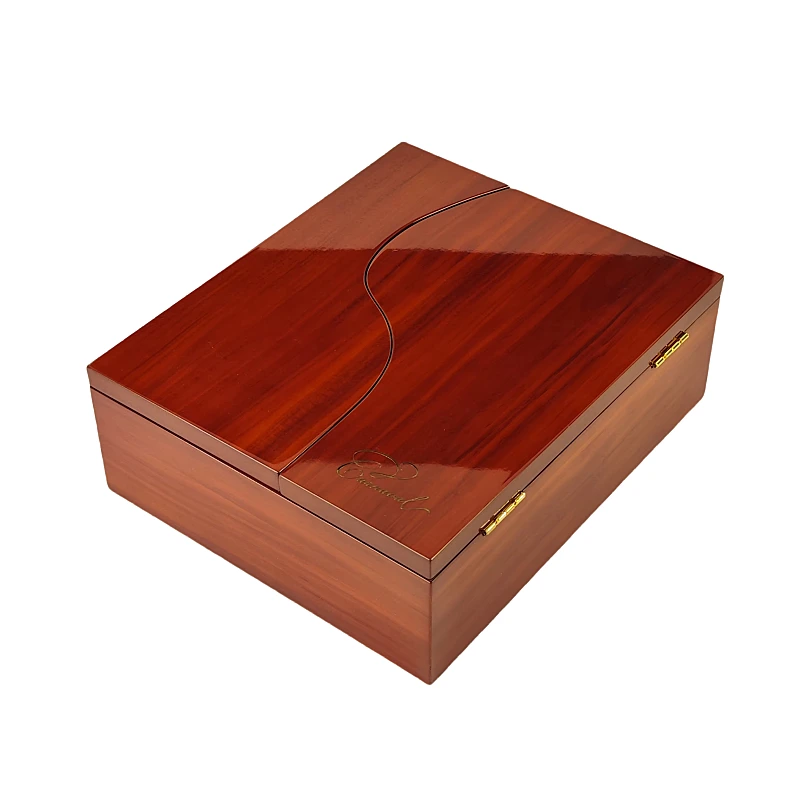
Many brands want wood-style packaging. But real wood veneer quickly increases cost. This creates a gap between visual expectations and packaging budgets.
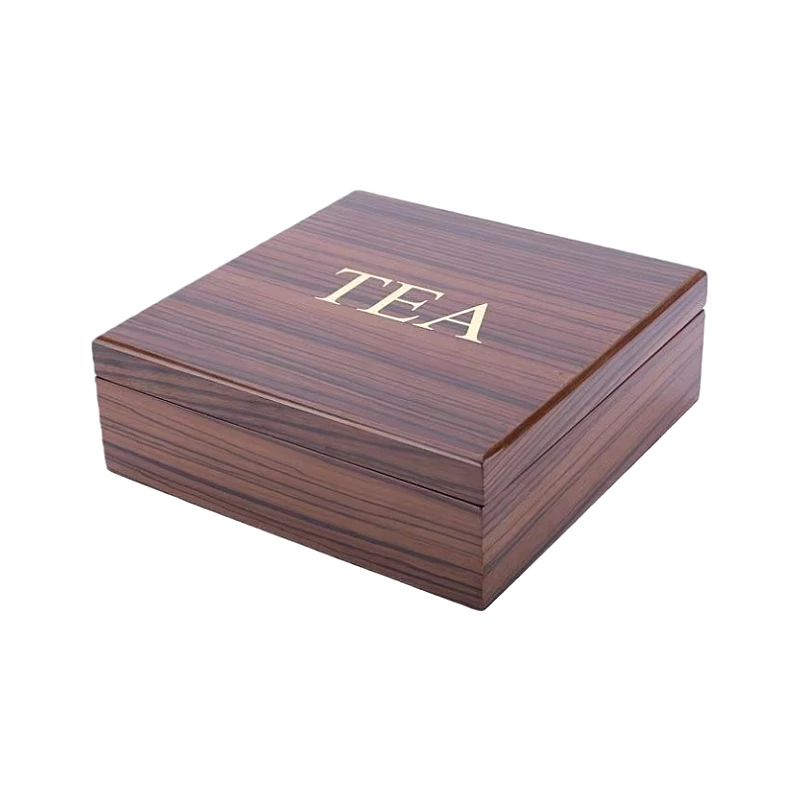
Decorative paper laminated on MDF is the most cost-efficient way to create a wood-look box. It offers consistent color, flexible designs, and stable production, but it cannot fully replicate the depth and texture of real wood veneer.
I have seen many packaging projects where clients want the warmth of wood but need strict cost control. In these situations, decorative paper on MDF becomes a practical solution. It delivers a convincing wood appearance at first glance while keeping production efficient and predictable.
What Decorative Paper Is and Why It’s Used on MDF Packaging Boxes
Many people hear the term decorative paper and assume it is basic printed paper. In reality, packaging-grade decorative paper is specially engineered for surface lamination.
Decorative paper is a printed surface material laminated onto MDF panels to simulate wood grain or other textures, offering a stable and affordable alternative to natural veneer.
Decorative paper used in wooden packaging is typically high-density printed paper treated for durability. The surface often includes protective coatings that improve scratch resistance and color stability.
The production structure usually includes several layers:
| Camada | Função |
|---|---|
| Decorative paper | Printed wood grain or texture |
| Adhesive layer | Bonds surface to MDF |
| MDF core | Provides structural stability |
The MDF base is important. It provides a smooth and stable foundation that supports the laminated paper surface.
Why MDF Works Well with Decor Paper
Decorative paper requires a perfectly flat base to maintain its visual appearance. MDF offers several advantages for this application:
- uniform surface density
- smooth machining results
- strong dimensional stability
If the base material is uneven, the laminated surface can show imperfections.
MDF panels reduce these risks. That is why most decorative paper wooden boxes use MDF as the internal structure.
Wide Design Flexibility
One reason decorative paper is popular is the wide variety of available patterns.
Manufacturers can print almost any design, including:
- walnut grain
- oak grain
- ebony finishes
- custom brand textures
This flexibility allows brands to experiment with different packaging styles without committing to expensive wood materials.
For many packaging buyers, this balance between flexibility and cost makes decorative paper an attractive option.
How Decorative Paper Creates a Wood-Look Finish at Very Low Cost
One of the main reasons brands choose decorative paper is cost efficiency. Compared with real wood veneer, the price difference can be significant.
Decorative paper creates a wood appearance through printed grain patterns and lamination technology, allowing manufacturers to simulate premium wood finishes without using real wood materials.
The Printing Process
The wood texture seen on decorative paper is created using advanced printing techniques.
Designers first scan or photograph real wood grain patterns. These images are then processed to create repeatable designs.
The printing stage applies these patterns onto special paper surfaces.
This process allows extremely consistent results.
Every sheet of decorative paper can display nearly identical grain and color.
Cost Efficiency Through Material Substitution
Natural wood veneer requires real hardwood logs. These materials are limited and can fluctuate in price depending on supply conditions.
Decorative paper avoids this issue because the wood pattern is printed rather than sliced from logs.
This change dramatically reduces material costs.
The cost structure often looks like this:
| Tipo de material | Relative Cost |
|---|---|
| Painéis de madeira maciça | Mais alto |
| Folheado natural | Elevado |
| Engineered veneer | Médio |
| Decorative paper | Lowest |
This difference makes decorative paper especially attractive for large packaging orders.
Consistency Advantages
Another benefit of printed surfaces is color consistency.
Natural wood always contains variations. Decorative paper maintains uniform patterns across large production runs.
For retail packaging where many boxes appear together, this consistency can be valuable.
Velocidade de produção
Decorative paper lamination is also faster than veneer finishing.
The process usually involves:
- cutting MDF panels
- applying adhesive
- pressing decorative paper onto surfaces
- trimming and finishing edges
Compared with veneer matching and staining processes, this workflow is simpler.
As a result, production timelines can be shorter.
Key Differences Between Decor Paper, Natural Veneer, and Engineered Veneer
At first glance, decorative paper boxes may resemble wood veneer packaging. But the materials behave very differently.
Decorative paper differs from veneer materials in composition, texture, and perceived material value, which affects how the final packaging is perceived.
Understanding these differences helps brands choose the right material for their project.
Material Structure Comparison
| Caraterística | Decor Paper | Folheado natural | Engineered Veneer |
|---|---|---|---|
| Surface material | Printed paper | Real wood slice | Processed wood veneer |
| Textura | Suave | Textura de madeira natural | Controlled wood texture |
| Variação dos grãos | Printed pattern | Naturally random | Controlled repeat pattern |
| Material authenticity | Baixa | Elevado | Médio |
Decorative paper focuses on appearance rather than material authenticity.
Visual Depth
One major difference appears in visual depth.
Real wood veneer has fiber structure that interacts with light. This creates subtle reflections and depth.
Decorative paper cannot fully replicate this effect.
Under strong lighting or close inspection, the printed surface may appear flatter.
Experiência tátil
Touch is another noticeable difference.
Natural veneer surfaces feel slightly textured because of the wood grain.
Decorative paper surfaces feel smoother and more uniform.
For many mid-range packaging projects, this difference is acceptable. But in luxury packaging where materials communicate brand value, veneer usually feels more premium.
Perceived Brand Value
Material choice influences how customers perceive the packaging.
Higher-end brands often choose real wood veneer because it communicates craftsmanship.
Decorative paper works better when the packaging is functional rather than symbolic.
Understanding this difference helps brands make better packaging decisions.
Quality Risks to Watch When Using Decorative Paper on Wooden Boxes
Decorative paper can produce attractive packaging, but the quality depends heavily on manufacturing techniques.
The most common risks involve edge durability, lamination quality, and surface wear resistance.
Edge Wrapping Challenges
Decorative paper is relatively thin. This means corners and edges require careful handling.
During lamination, the paper must wrap around edges smoothly.
If the wrapping process is poorly controlled, problems may appear such as:
- edge lifting
- paper wrinkles
- visible seams
These defects often become visible after repeated box use.
Lamination Pressure Control
Proper lamination requires consistent pressure and adhesive distribution.
Factories usually use pressing machines to bond the paper to MDF panels.
If pressure is uneven, the surface may develop bubbles or weak bonding areas.
Quality inspection at this stage is critical.
Durability Concerns
Decorative paper surfaces can wear faster than real wood veneer.
Frequent handling may cause:
- scratches
- color fading
- surface wear at edges
For packaging that will be reused many times, this durability difference becomes more noticeable.
Importance of Skilled Workmanship
Many decorative paper issues come from poor manufacturing technique rather than the material itself.
Experienced factories pay attention to:
- precise panel cutting
- controlled adhesive application
- careful edge finishing
These details help ensure the final box looks clean and professional.
Even with a lower-cost material, good craftsmanship still makes a significant difference.
When Decor Paper on MDF Is a Practical Choice for Packaging Projects
Decorative paper is not designed to replace real wood in every situation. But it works very well in certain packaging categories.
Decor paper on MDF is most practical when cost control, consistent appearance, and large production volumes are the primary priorities.
Promotional Gift Boxes
Many promotional campaigns require large quantities of packaging.
Companies may produce thousands of boxes for events, marketing programs, or seasonal promotions.
Decorative paper helps keep costs manageable while still providing a wood-style aesthetic.
Retail Product Packaging
In many retail environments, the focus is on the product inside rather than the box itself.
Decor paper works well for:
- electronics accessories
- mid-range consumer products
- retail gift sets
The packaging still looks attractive without dramatically increasing product cost.
Large Volume Orders
Decorative paper becomes especially useful when production volumes are high.
Large orders benefit from:
- consistent printed patterns
- stable material availability
- predictable production timelines
These advantages simplify supply chain planning.
Situations Where Veneer Is Better
Despite its advantages, decorative paper is not ideal for all luxury packaging.
Real veneer is usually preferred when:
| Packaging Goal | Recommended Material |
|---|---|
| Luxury presentation boxes | Folheado natural |
| Premium wine packaging | Folheado natural |
| Heritage brand storytelling | Real wood materials |
In these cases, the material itself becomes part of the brand story.
Decorative paper focuses more on cost efficiency and visual practicality.
Conclusão
Decor paper on MDF provides an affordable wood-look solution with strong consistency and efficient production. It works best for cost-sensitive packaging projects where appearance matters but material authenticity is less critical.
WoodoBox — Caixas de madeira personalizadas, fabricadas com perfeição

 Português
  English
  Español
  Deutsch
  Français
  Italiano
  العربية