Pular para o conteúdo
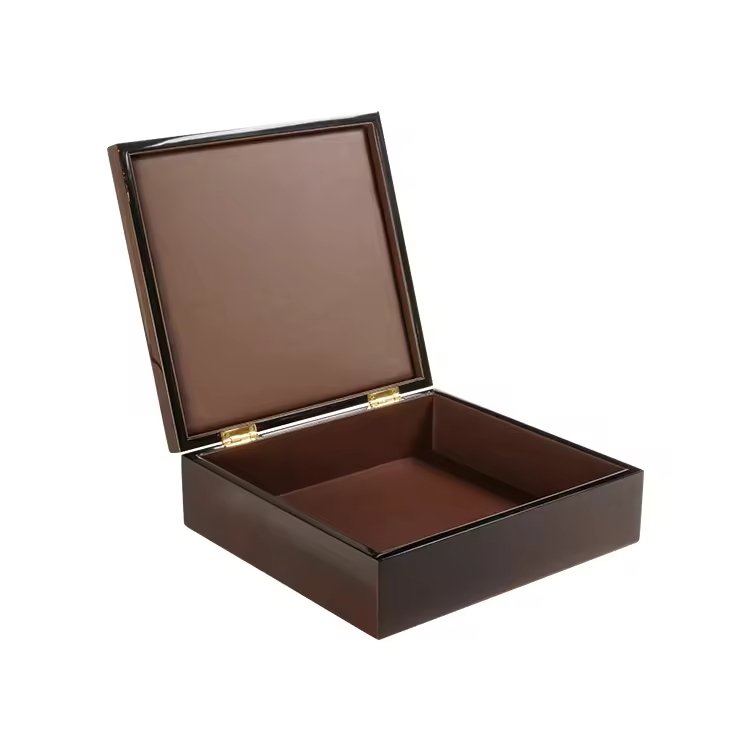
Many brands want the beauty of wood packaging. But natural veneer often creates variation in color and grain between boxes. This becomes a challenge when producing thousands of units.
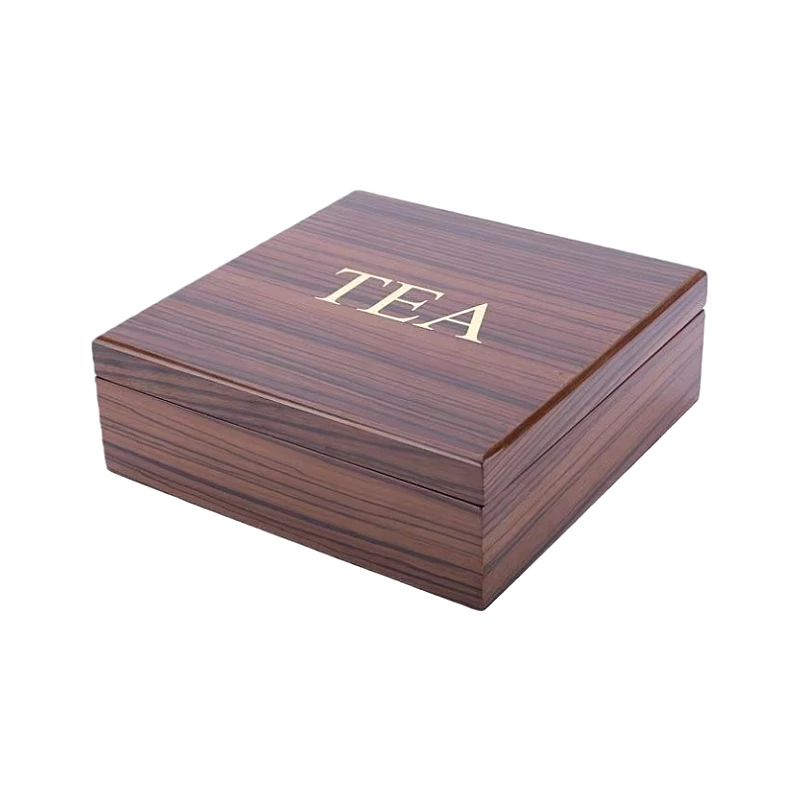
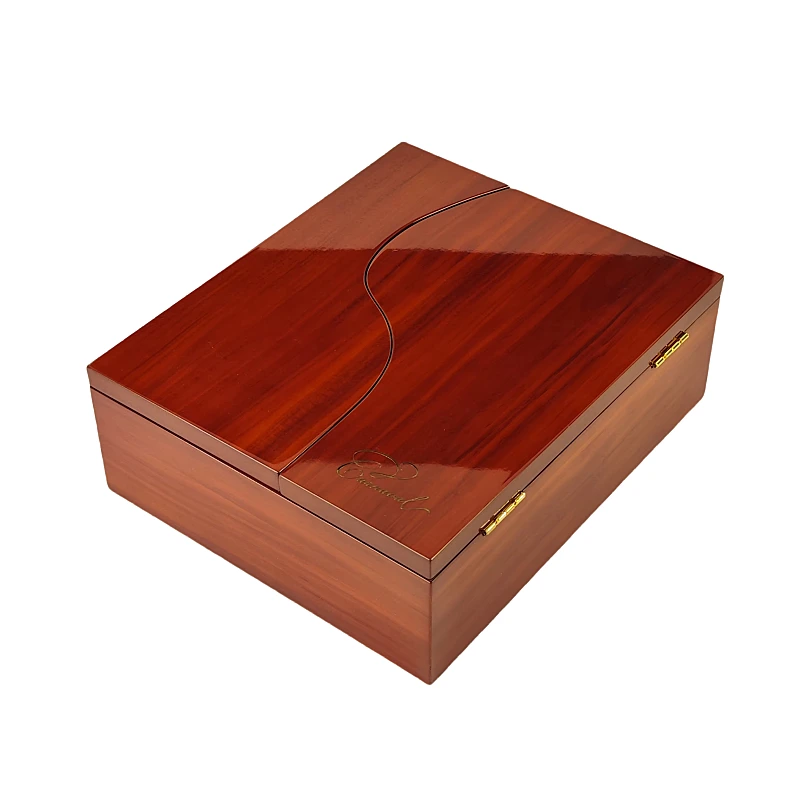
Engineered veneer on MDF offers a controlled wood appearance with consistent color and grain patterns. It improves production efficiency and visual uniformity, though it may look slightly less natural than real wood veneer under close inspection.
I have worked with many clients who face this decision. They want the warmth of wood packaging, but they also need reliable mass production. When orders reach thousands of boxes, maintaining visual consistency becomes a real production challenge. That is when engineered veneer often becomes a very practical solution.
What Engineered Veneer Is and How It Differs from Natural Wood Veneer
Many people hear the term engineered veneer and assume it is artificial. In reality, it is still made from real wood.
Engineered veneer is created by processing natural wood fibers through dyeing, laminating, and slicing techniques to produce consistent grain patterns and color tones across many sheets.
How Engineered Veneer Is Produced
The manufacturing process is quite different from traditional veneer cutting.
Instead of slicing random patterns directly from logs, engineered veneer follows a controlled sequence:
- Fast-growing wood species are selected
- The wood is peeled into thin sheets
- Sheets are dyed to specific colors
- Layers are laminated together in blocks
- The block is sliced again to create uniform veneer sheets
This process allows manufacturers to design grain patterns intentionally.
For example, producers can simulate the appearance of walnut, oak, or teak.
Structural Comparison
Understanding the difference between natural veneer and engineered veneer helps explain their behavior in production.
| Caraterística | Folheado natural | Engineered Veneer |
|---|---|---|
| Fonte | Directly sliced logs | Processed laminated wood |
| Padrão de grãos | Naturally random | Controlled and repeated |
| Color variation | Elevado | Muito baixo |
| Visual consistency | Variável | Very consistent |
Both materials still use real wood fibers. The difference lies in how the grain pattern is created.
Why MDF Is Often Used as the Core
Engineered veneer is usually applied to MDF panels.
The reason is simple: MDF provides a stable and smooth base surface.
This structure combines two advantages:
- MDF delivers structural stability
- Engineered veneer provides the wood appearance
Together they create panels that are visually attractive and easy to manufacture.
Visual Characteristics
Engineered veneer often has a very balanced and symmetrical grain pattern.
At normal viewing distance, it looks very similar to natural wood.
However, if someone examines the surface very closely, the grain pattern may appear slightly more regular.
Some people describe it as looking “too perfect.”
For certain brands, this controlled look is actually desirable.
Why Engineered Veneer Offers Better Consistency for Large Production Runs
When producing luxury packaging in large quantities, consistency becomes extremely important.
Engineered veneer provides better consistency because its color and grain patterns are manufactured to repeat uniformly across sheets.
The Challenge of Natural Veneer Variability
Natural wood is inherently unpredictable.
Even sheets cut from the same log may show differences in:
- grain direction
- color tone
- pattern density
These differences can become very visible when hundreds of boxes are placed together in retail displays.
For small handcrafted batches, this natural variation can feel charming.
For mass production, it creates quality control challenges.
Production Efficiency Improvements
With natural veneer, our production team often spends many hours sorting veneer sheets.
The goal is to maintain visual consistency between boxes.
This process usually involves:
- selecting similar grain patterns
- matching color tones
- arranging sheets carefully across panels
Engineered veneer simplifies this process.
Because the sheets already have controlled patterns, less sorting is required.
This reduces several production steps.
| Production Step | Folheado natural | Engineered Veneer |
|---|---|---|
| Sheet sorting | Extensive | Mínimo |
| Correspondência de grãos | Necessary | Often unnecessary |
| Visual inspection | High attention | Faster process |
Consistency Across Production Batches
Another advantage appears when orders are produced in multiple batches.
With natural veneer, the next shipment of veneer sheets may come from a different log.
That change may create visible differences in color.
Engineered veneer reduces this risk because manufacturers control the dyeing and pattern creation process.
This means batches produced months apart can still look very similar.
Retail Shelf Impact
Many brands display packaging directly in stores.
When dozens of boxes appear together, visual differences become easy to notice.
Engineered veneer helps maintain uniform presentation across large displays.
For brands that rely on a clean and consistent retail image, this benefit can be very important.
How Engineered Veneer Helps Control Color and Grain Appearance
One major advantage of engineered veneer is the ability to design the visual effect intentionally.
Engineered veneer allows manufacturers to control wood color and grain structure through dyeing and layered construction techniques.
Color Control
Natural wood varies greatly in color.
Even within a single species, tones may range from light brown to deep chocolate.
Engineered veneer solves this problem through dyeing processes.
Wood sheets are dyed before being laminated together.
This allows producers to create extremely consistent color tones.
Common design goals include:
- deep walnut appearance
- light oak style
- dark ebony effect
Because the color is controlled during production, large quantities remain visually consistent.
Grain Pattern Engineering
Another interesting aspect is grain pattern design.
Manufacturers can simulate several wood styles by adjusting the internal structure of the laminated block.
Common engineered grain styles include:
| Estilo | Efeito visual |
|---|---|
| Grão reto | Clean, modern appearance |
| Cathedral grain | Natural wood look |
| Linear grain | Minimalist aesthetic |
Designers can choose the grain style that best matches the brand identity.
Predictable Surface Appearance
Natural wood sometimes contains unexpected features such as:
- knots
- mineral streaks
- sudden color shifts
These elements can add character but may disrupt a clean visual design.
Engineered veneer removes most of these irregularities.
The result is a surface that feels balanced and predictable.
Design Flexibility
Because the grain and color can be controlled, designers gain more creative freedom.
They can match packaging more precisely with brand colors or product identity.
This is especially useful for modern brands that want the warmth of wood without the unpredictability of natural materials.
For many packaging designers, this balance between natural aesthetics and visual control makes engineered veneer very attractive.
Cost vs. Appearance: Is Engineered Veneer a Practical Alternative to Natural Wood?
Cost is always an important factor in packaging decisions. But appearance and brand perception matter just as much.
Engineered veneer offers a cost-effective alternative to natural veneer by reducing sorting labor, material waste, and production variability.
Material Cost Considerations
Natural veneer often comes from slower-growing hardwood species.
These logs can be expensive and difficult to source consistently.
Engineered veneer uses fast-growing wood species as its base material.
Because the visual effect is created through processing, the raw material cost becomes more manageable.
Labor and Production Costs
Labor is another hidden factor in veneer packaging production.
Natural veneer requires additional time for:
- sheet selection
- grain matching
- color coordination
Engineered veneer simplifies many of these tasks.
This reduction in labor often offsets the cost of the engineered veneer material itself.
Appearance Trade-Off
However, engineered veneer is not identical to natural wood.
Under close inspection, the grain may appear more regular than natural wood.
For some luxury brands, this controlled look works perfectly.
For others, the natural randomness of real wood feels more authentic.
Decision Factors
When choosing between natural veneer and engineered veneer, several factors usually influence the decision.
| Fator | Folheado natural | Engineered Veneer |
|---|---|---|
| Authentic wood character | Forte | Moderado |
| Visual consistency | Médio | Muito elevado |
| Production efficiency | Médio | Elevado |
| Cost predictability | Médio | Elevado |
Brands must decide which factors matter most for their project.
Best Packaging Applications for Engineered Veneer on MDF
Not every packaging design requires engineered veneer. But certain product categories benefit greatly from its consistency.
Engineered veneer works best for premium packaging projects that require uniform wood appearance across large production volumes.
Premium Electronics Packaging
Many technology brands prefer minimal packaging with subtle natural textures.
Engineered veneer provides a clean wood appearance that complements modern product design.
Its consistent grain pattern fits well with contemporary aesthetics.
Corporate Gift Packaging
Corporate gift programs often require large production runs.
Thousands of identical boxes may be distributed across different regions.
Engineered veneer helps maintain uniform appearance across these batches.
This ensures that every recipient experiences the same brand presentation.
Luxury Promotional Campaigns
Limited edition promotional packaging often requires a precise visual style.
Marketing teams may want packaging that matches specific brand colors.
Engineered veneer allows controlled color matching while still presenting a wood texture.
Mid to Large Volume Luxury Packaging
Orders between 1,000 and 5,000 units often highlight the strengths of engineered veneer.
At this scale, maintaining visual consistency with natural veneer becomes difficult.
Engineered veneer simplifies the process while still delivering a premium wood appearance.
When Natural Veneer Is Still Preferred
Natural veneer still holds strong value in certain applications.
Examples include:
| Tipo de produto | Motivo |
|---|---|
| Premium wine boxes | Authentic wood storytelling |
| Caixas de charutos de luxo | Traditional craftsmanship |
| Heritage brand packaging | Natural material authenticity |
In these cases, the natural unpredictability of wood becomes part of the product experience.
Engineered veneer focuses more on precision and consistency, while natural veneer celebrates organic character.
Conclusão
Engineered veneer on MDF offers controlled wood aesthetics, strong production consistency, and efficient manufacturing. For many large-scale luxury packaging projects, it becomes a practical and reliable material choice.
WoodoBox — Caixas de madeira personalizadas, fabricadas com perfeição

 Português
  English
  Español
  Deutsch
  Français
  Italiano
  العربية