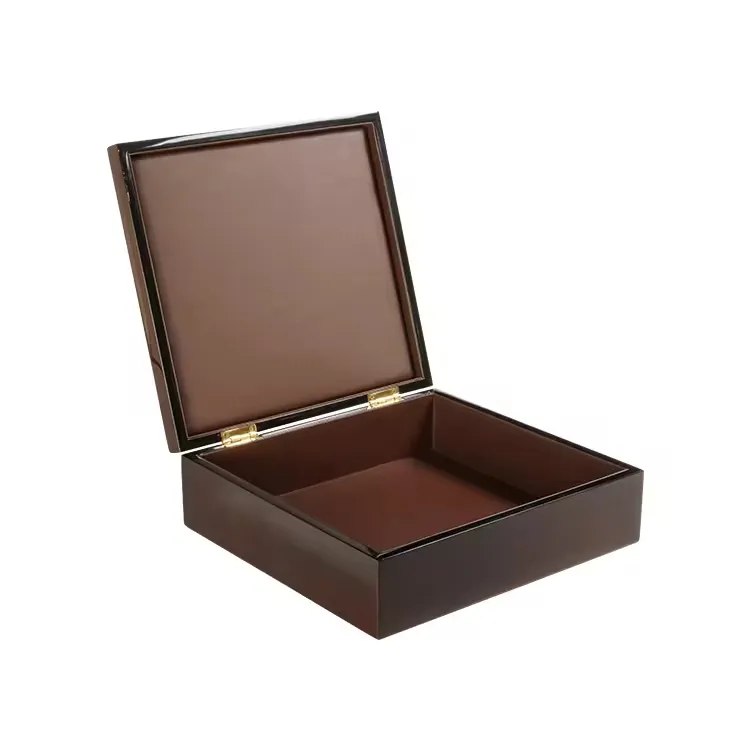
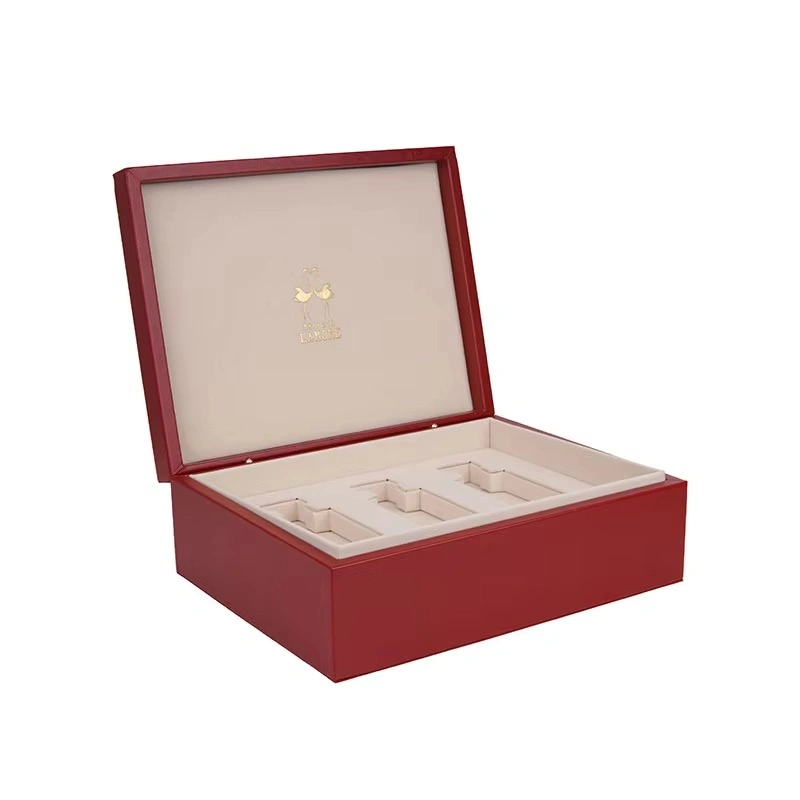
Perfume brands struggle to prove real craftsmanship. Many boxes look expensive, but feel empty. Buyers doubt the effort behind them.
Rosewood projects high-end craftsmanship because the material itself exposes skill, effort, and intention without explanation.
I have worked with rosewood for many years. Every time I use it, I know the box will be judged by touch, weight, and detail. That pressure is exactly why it signals true craftsmanship.
This article explains, step by step, why rosewood sends such a strong message in luxury perfume packaging, based on my own production experience.
Why does rosewood’s rarity immediately signal exclusivity and value?
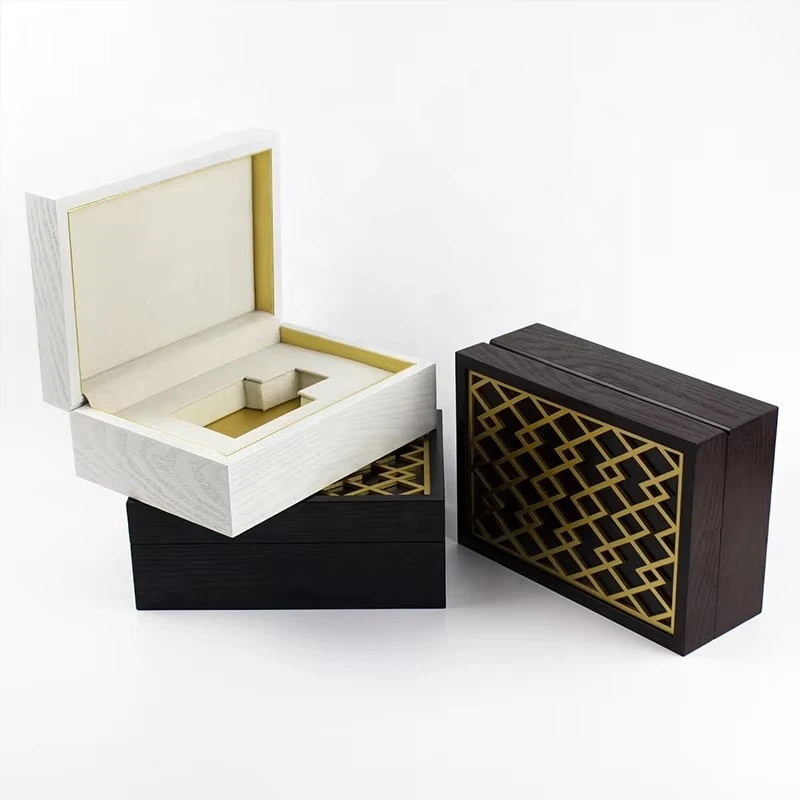
Many luxury packages try to look rare. Rosewood is rare. That difference matters more than most brands realize.
Rosewood signals exclusivity because its limited supply, regulations, and sourcing effort are widely understood as signs of serious investment.
Rarity is felt before it is understood
In my work, I notice something interesting. Most customers cannot name rosewood species. But they still feel its value. The reason is simple. Humans react to materials that feel difficult to obtain.
Rosewood is not casual wood. It is regulated. It is controlled. It is often discussed with care. These facts travel quietly through the market. Buyers do not need technical knowledge to sense them.
When a customer opens a rosewood perfume box, the message is immediate:
“This brand did not choose the easy option.”
Why regulated materials change perception
From a production view, rosewood creates friction. That friction is costly.
- Sourcing takes longer
- Documentation is stricter
- Waste tolerance is lower
- Mistakes are expensive
I have to plan rosewood projects more carefully than most other woods. That effort transfers into perceived value.
Here is how buyers subconsciously read it:
| Escolha do material | Buyer Interpretation |
|---|---|
| Common wood or MDF | Cost-controlled |
| Decorative veneer only | Marketing-driven |
| Genuine rosewood | Investment-driven |
Rosewood does not shout luxury. It assumes it.
Exclusivity without explanation
Luxury perfume packaging often relies on stories printed on paper. Rosewood does not need that help.
In my experience, clients who choose rosewood often reduce surface decoration. They trust the material to speak.
This is important. True exclusivity does not explain itself. It simply exists.
That is why rosewood immediately signals value. Not because it is rare in theory, but because it behaves like something that should not be wasted.
How does rosewood’s complex grain showcase advanced woodworking skill?
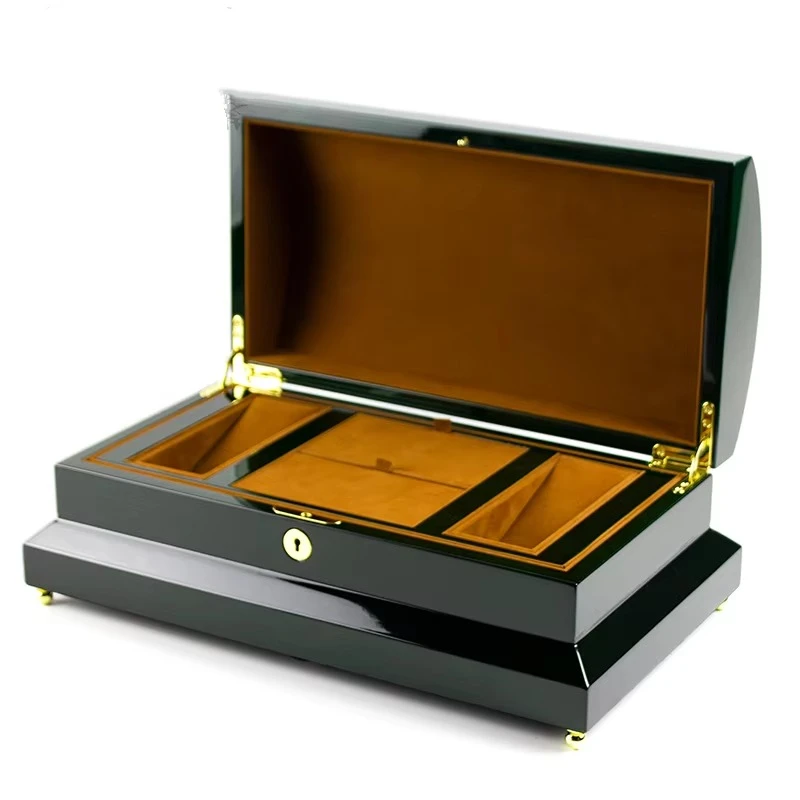
Rosewood grain is unforgiving. That is exactly why it proves craftsmanship.
Rosewood showcases skill because its dramatic grain makes every cut, joint, and finish visible and impossible to hide.
Grain that refuses to be simplified
Some woods forgive mistakes. Rosewood does not.
Its grain is deep. It shifts direction. It carries contrast. Any misalignment becomes obvious.
When I cut rosewood panels, I must think ahead. Grain flow matters. Book-matching matters. Even small boxes demand planning.
This is where craftsmanship becomes visible, even to non-experts.
Why mistakes stand out immediately
With rosewood, problems cannot be covered easily.
- Poor joints break the grain flow
- Uneven sanding shows under finish
- Inaccurate angles distort reflection
- Weak polishing kills depth
Customers may not know why a box feels wrong. But they feel it.
That feeling is the result of visible effort, or lack of it.
Craft skill becomes the surface design
In many luxury boxes, decoration hides structure. Rosewood does the opposite.
The grain is the decoration.
Here is how skill shows itself clearly:
| Craft Element | What the Customer Sees |
|---|---|
| Clean miters | Calm, controlled edges |
| Alinhamento dos grãos | Intentional design |
| Even polish | Depth and clarity |
| Tight tolerances | Precisão e cuidado |
In my workshop, rosewood forces discipline. It rewards patience. It punishes shortcuts.
That is why brands using rosewood automatically communicate advanced skill. The material itself audits the maker.
Why is rosewood historically associated with master craftsmanship and luxury objects?
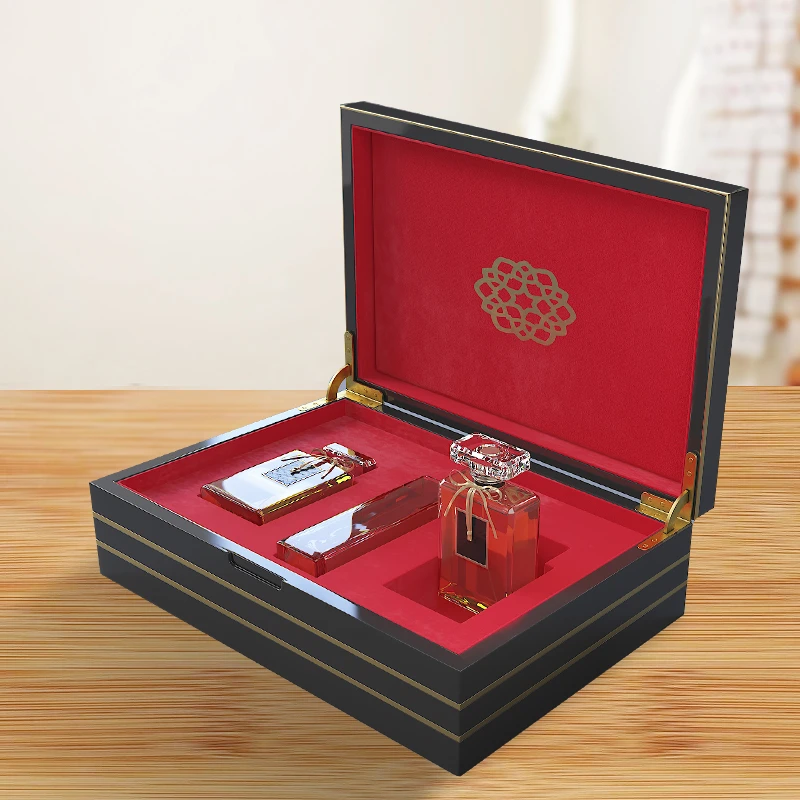
Materials carry memory. Rosewood carries centuries of it.
Rosewood is linked to master craftsmanship because it has long been used in objects that required time, training, and respect.
Historical usage shapes modern meaning
Rosewood did not start as a trend. It earned its place.
Historically, rosewood appeared in:
- Fine furniture
- Instrumentos musicais
- Religious objects
- Ceremonial boxes
These items were not mass-produced. They were made slowly. Often by named artisans.
That history still matters today.
Why customers trust historical materials
In luxury markets, buyers look for signals of continuity.
New materials feel risky. Old materials feel tested.
Rosewood sits firmly in the second category.
Even if customers cannot name the history, they sense it. The weight. The smell. The visual depth. These cues trigger associations with legacy.
In perfume, legacy matters deeply.
Connection to artisanal values
Artisanal perfume brands often talk about:
- Tempo
- Envelhecimento
- Complexidade
- Patience
Rosewood mirrors these ideas perfectly.
I have seen niche brands choose rosewood specifically because it supports their story without text.
Here is the alignment clearly:
| Perfume Value | Rosewood Parallel |
|---|---|
| Slow creation | Time-intensive processing |
| Depth of scent | Deep grain and color |
| Aging well | Patina over wear |
| Craft heritage | Historical usage |
This is why rosewood feels natural in luxury perfume packaging. It belongs to the same cultural language as craftsmanship itself.
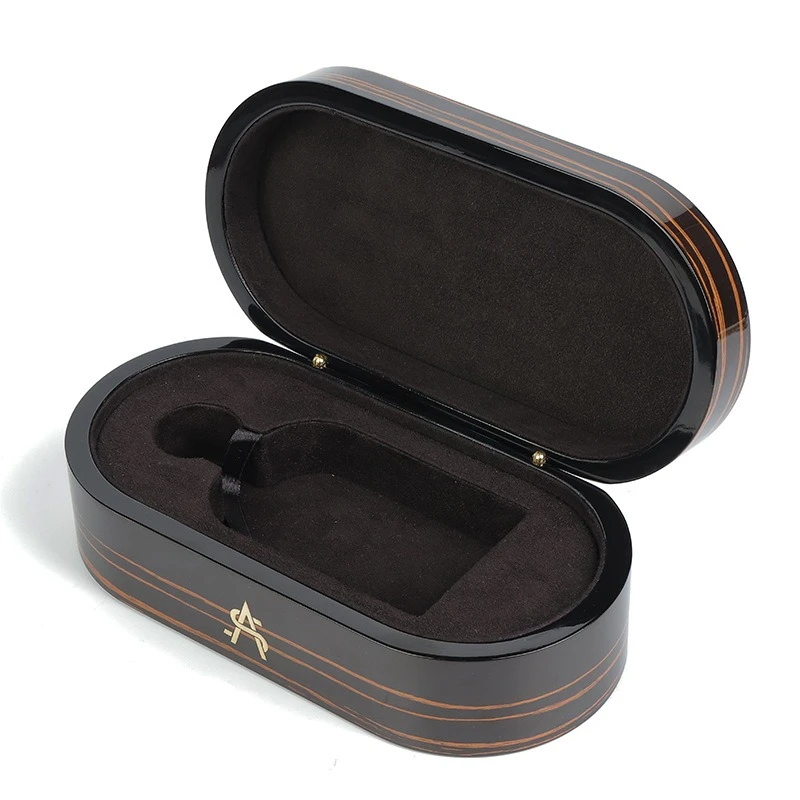
Luxury is felt before it is judged.
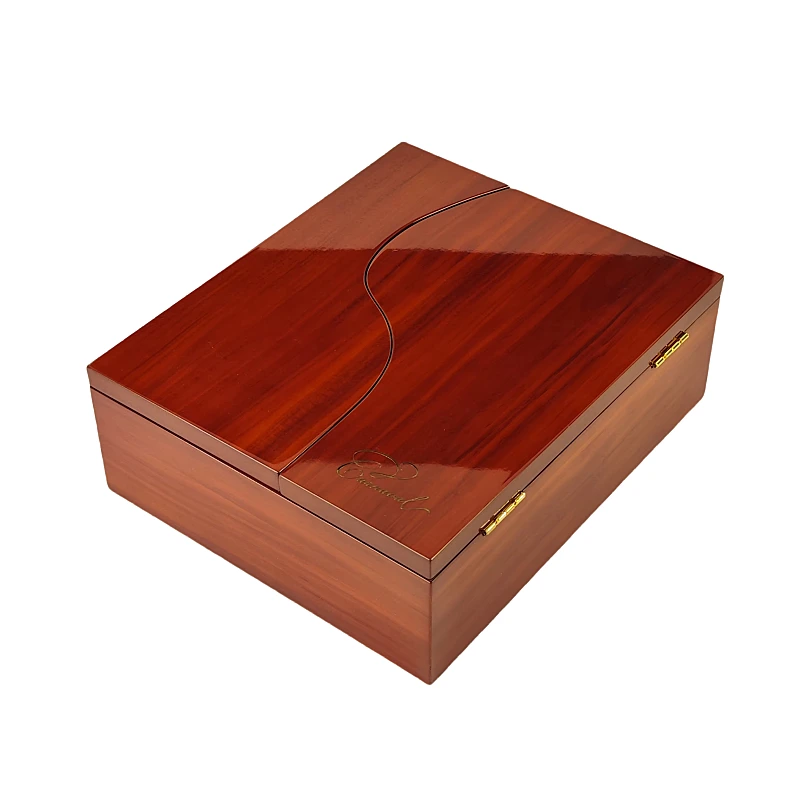
Rosewood reinforces craftsmanship through weight, density, and finish that create control, balance, and confidence in the hand.
Weight communicates seriousness
Rosewood is dense. That density matters.
When someone lifts a rosewood perfume box, the weight surprises them. Not because it is heavy, but because it feels intentional.
Light boxes feel disposable. Heavy boxes feel considered.
In my experience, clients often comment on this without prompting.
“This feels important.”
That sentence is craftsmanship translated into touch.
Density supports precision
Density changes how a box behaves.
- Hinges feel stable
- Lids close smoothly
- Edges resist damage
- Surfaces stay flat
This stability supports fine tolerances. Fine tolerances suggest skilled making.
A loose box never feels premium, no matter how glossy it looks.
Finish quality amplifies effort
Rosewood accepts finish differently than other woods. It rewards proper preparation.
If sanding is rushed, the surface looks dull.
If polishing is uneven, depth disappears.
But when done right, the finish feels alive.
Here is what customers feel:
| Qualidade do acabamento | Tactile Message |
|---|---|
| Smooth, even | Control |
| Deep gloss or satin | Patience |
| Bordos limpos | Precisão |
| Balanced resistance | Craft mastery |
In my workshop, rosewood finishing takes more time. That time turns into trust when the box is touched.
Why does rosewood align naturally with artisanal and collector-grade perfumes?

Collectors think differently. Rosewood understands that mindset.
Rosewood aligns with collector-grade perfumes because it ages with dignity and treats the product as something to preserve.
Collectors value longevity
Collectors do not rush consumption. They care about storage. They care about memory.
Rosewood supports this behavior.
It does not chip easily. It does not look cheap when aged. It develops patina.
That aging feels earned, not damaged.
Packaging as part of the object
For collectors, the box is not waste. It is part of the artifact.
Rosewood allows the packaging to stay relevant long after purchase.
I have seen clients keep rosewood perfume boxes on shelves for years. They treat them like display objects.
This behavior changes brand perception deeply.
Signals of respect and intention
When a perfume is placed in rosewood, the brand sends a clear message:
“This fragrance deserves care.”
That message matters in high-end perfumery.
Here is why rosewood fits collector logic:
| Collector Priority | Rosewood Response |
|---|---|
| Preservação | Structural strength |
| Aging gracefully | Natural patina |
| Valor de visualização | Visual depth |
| Ligação emocional | Material warmth |
From my experience, rosewood does not push consumption. It encourages appreciation.
That is why it belongs so naturally to artisanal and collector-grade perfumes.
Conclusão
Rosewood projects high-end craftsmanship because it makes skill visible, effort unavoidable, and intention impossible to fake.
WoodoBox
Caixas de madeira personalizadas, fabricadas na perfeição

 Português
  English
  Español
  Deutsch
  Français
  Italiano
  العربية