Pular para o conteúdo
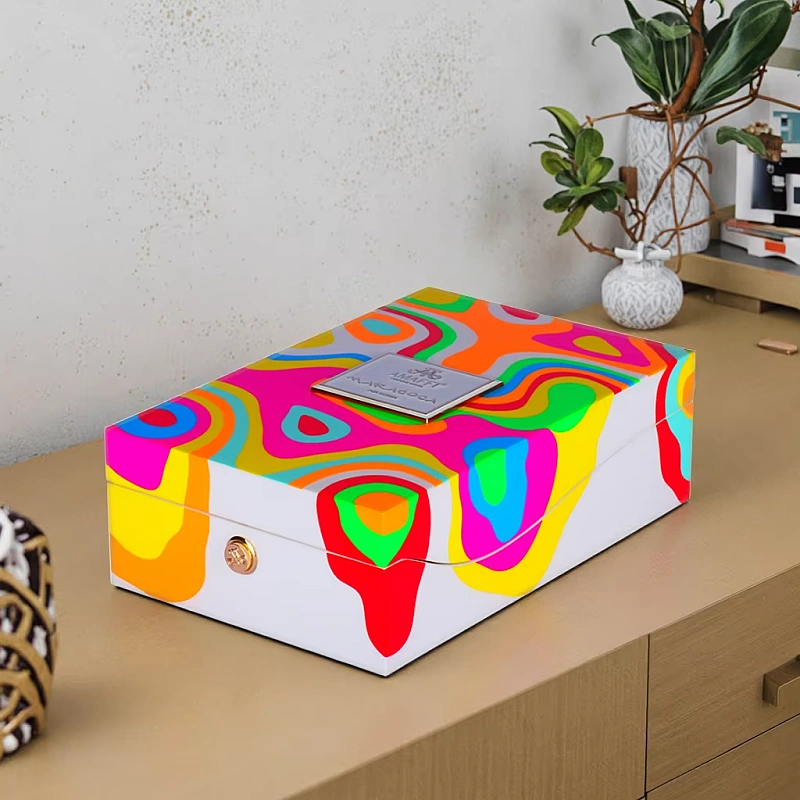
I often see buyers feel unsure when choosing perfume as a gift. They worry about taste, mistakes, and judgment, and this pressure pushes them to seek visible reassurance fast.
Gift buyers prioritize packaging more than perfume enthusiasts because packaging gives them instant confidence, clear quality signals, and social safety when they lack scent knowledge.
I have worked with perfume brands and packaging buyers for more than fifteen years. Over time, I saw a clear pattern. People who buy for themselves trust scent. People who buy for others trust the box. This difference explains many buying decisions that brands often misunderstand.
Why do gift buyers rely on visual and tactile cues instead of scent knowledge?
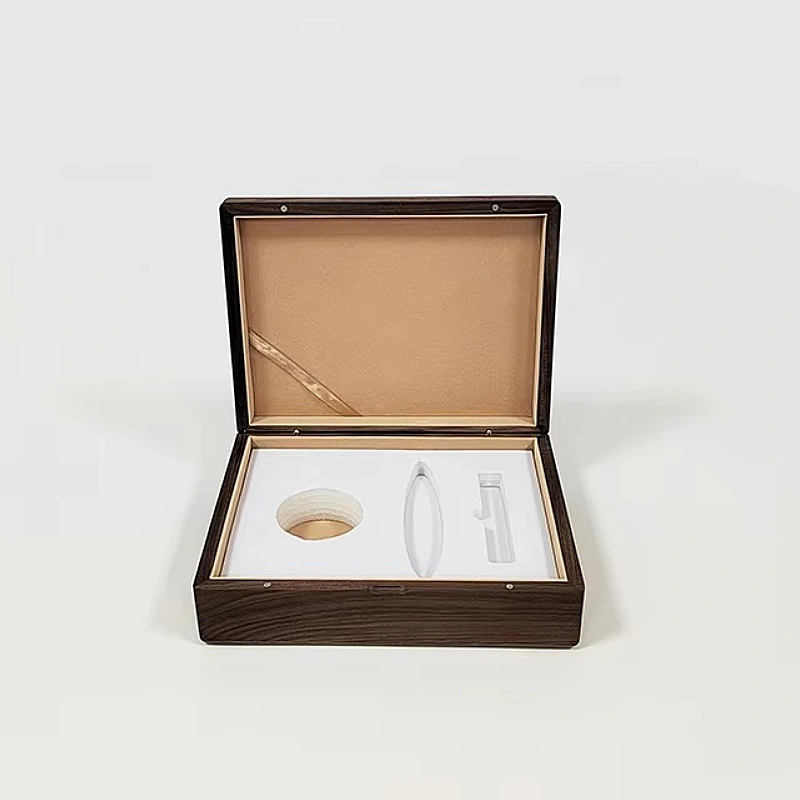
Gift buyers often feel stress before they feel excitement. They fear choosing the wrong scent, and this fear makes them depend on what they can see and touch.
Gift buyers rely on visual and tactile cues because these signals feel safer and easier than judging an invisible scent they cannot fully understand.
The confidence gap between buyers
When I talk to perfume enthusiasts, they speak with certainty. They know brands. They know notes. They know what lasts long and what feels soft. They trust their nose. Gift buyers rarely have this background.
For gift buyers, scent feels abstract. They cannot smell the perfume on the future wearer. They cannot predict skin chemistry. This creates a knowledge gap. Packaging fills that gap with physical proof.
Why the hands decide before the nose
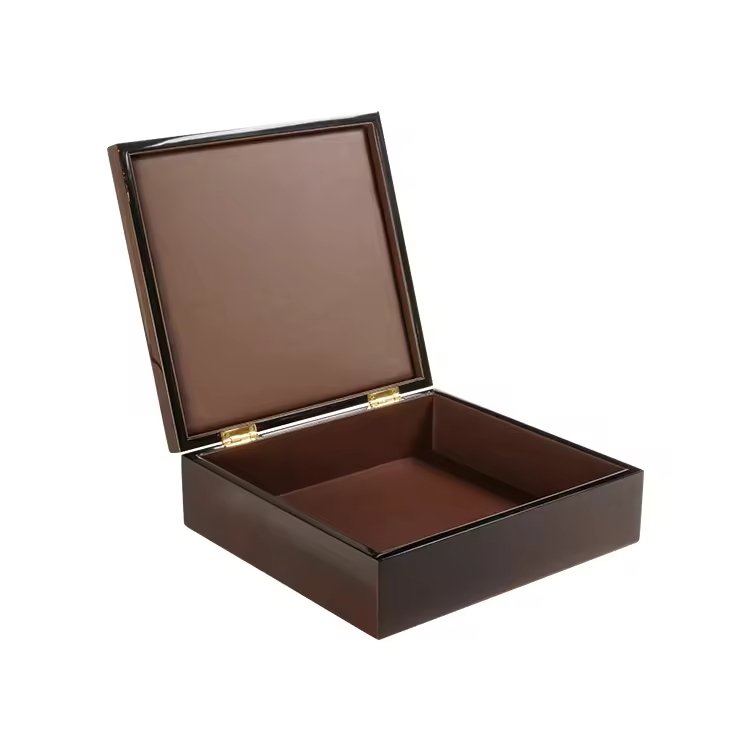
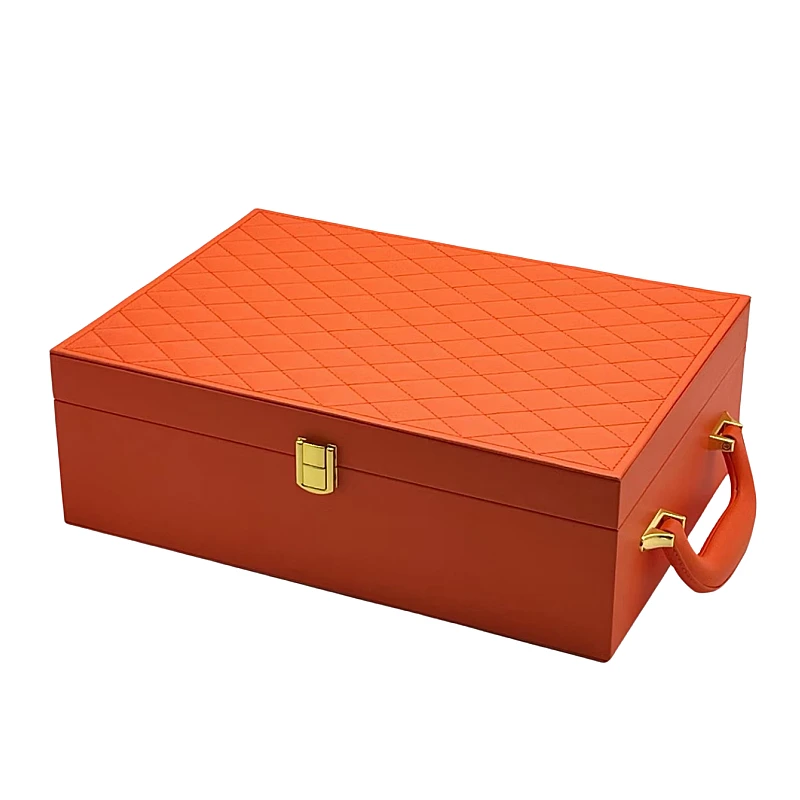
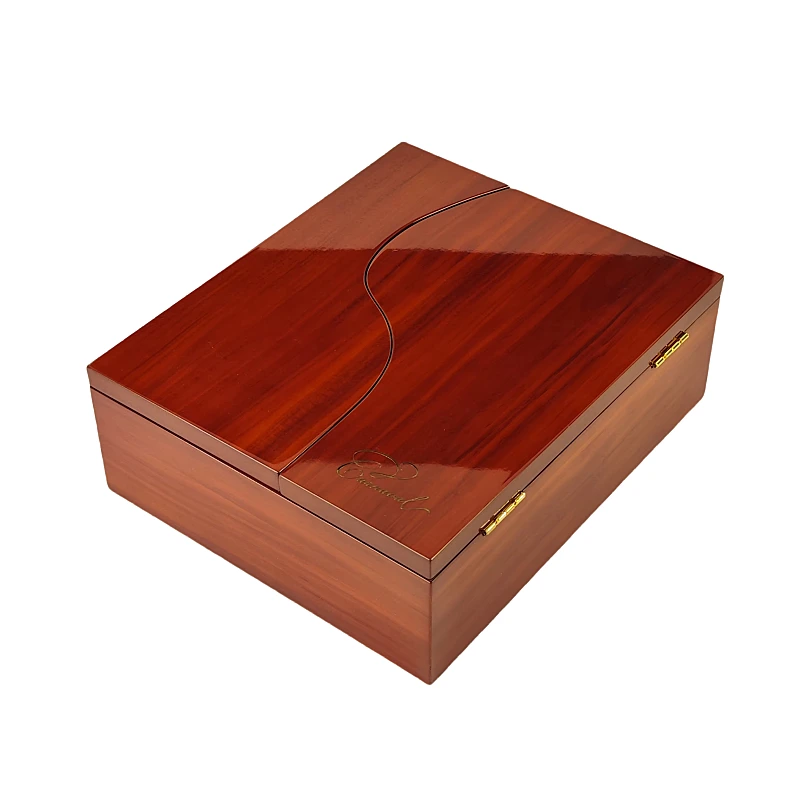
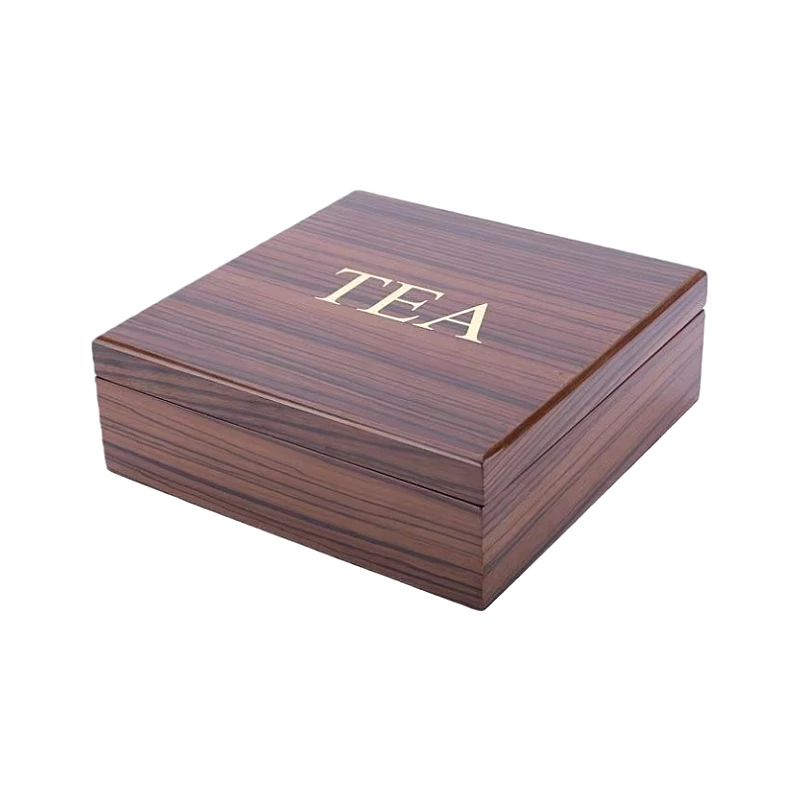
In stores and showrooms, I watch how gift buyers behave. They pick up the box. They feel the weight. They touch the surface. High-gloss finishes, piano lacquer, solid wood, and tight edges all send a clear message. This product feels serious.
Visual and tactile cues work because they are immediate. A buyer does not need training to judge if a box looks refined. The brain processes shape, color, and texture faster than scent.
What packaging signals at first glance
Packaging communicates many things at once. Below is how gift buyers often read these signals:
| Packaging Element | What the Gift Buyer Thinks |
|---|---|
| Heavy wooden box | This feels valuable |
| Smooth lacquer finish | This is well made |
| Bordos limpos | This brand cares |
| Soft inner lining | This is thoughtful |
| Secure closure | This is safe to give |
These judgments happen in seconds. The buyer feels relief. They feel they made a smart choice.
My experience on the factory side
When brands upgrade from paper boxes to wooden boxes, I often hear the same feedback. Gift buyers say they feel more confident. They say the product feels “done.” This reaction happens before the bottle is even seen.
From my side as a manufacturer, I know the box often does more emotional work than the fragrance itself.
How does packaging reduce uncertainty and decision anxiety for gift buyers?
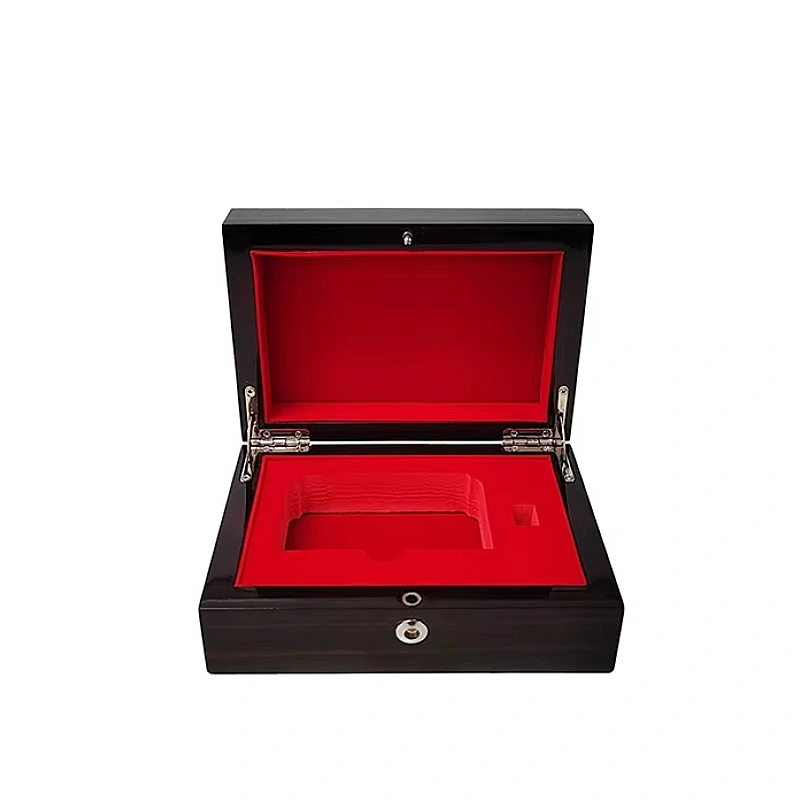
Buying perfume as a gift creates mental pressure. The buyer fears regret, judgment, and wasted money.
Packaging reduces uncertainty because it gives gift buyers a clear and visible reason to believe they made a safe and respectable choice.
The fear behind gift decisions
Gift buyers do not ask, “Do I like this?” They ask, “Will this be acceptable?” This is a different question. It carries risk.
Uncertainty comes from several sources:
- Not knowing the recipient’s taste
- Not understanding fragrance categories
- Not being able to test the future reaction
Packaging helps solve all three problems at once.
Packaging as a decision anchor
When buyers feel unsure, they look for anchors. An anchor is something solid that helps them stop thinking. Premium packaging works as that anchor.
A refined box says, “Even if the scent is not perfect, the gift still feels right.” This thought reduces anxiety.
Why visible quality calms the mind
In psychology, visible quality reduces cognitive load. The buyer does not need to analyze notes or brand stories. They see quality. They feel it. The decision becomes easier.
In my conversations with buyers, I often hear phrases like:
- “At least it looks good.”
- “This feels safe.”
- “This is presentable.”
These words show relief, not excitement. That relief is the goal.
Packaging versus scent in uncertainty control
| Fator | Aroma | Embalagem |
|---|---|---|
| Can be judged instantly | Não | Sim |
| Requires expertise | Sim | Não |
| Changes per person | Sim | Não |
| Socially visible | Não | Sim |
Because packaging wins in all these areas, it becomes the primary tool for reducing doubt.
Why is packaging used as a shortcut for judging taste, value, and effort?
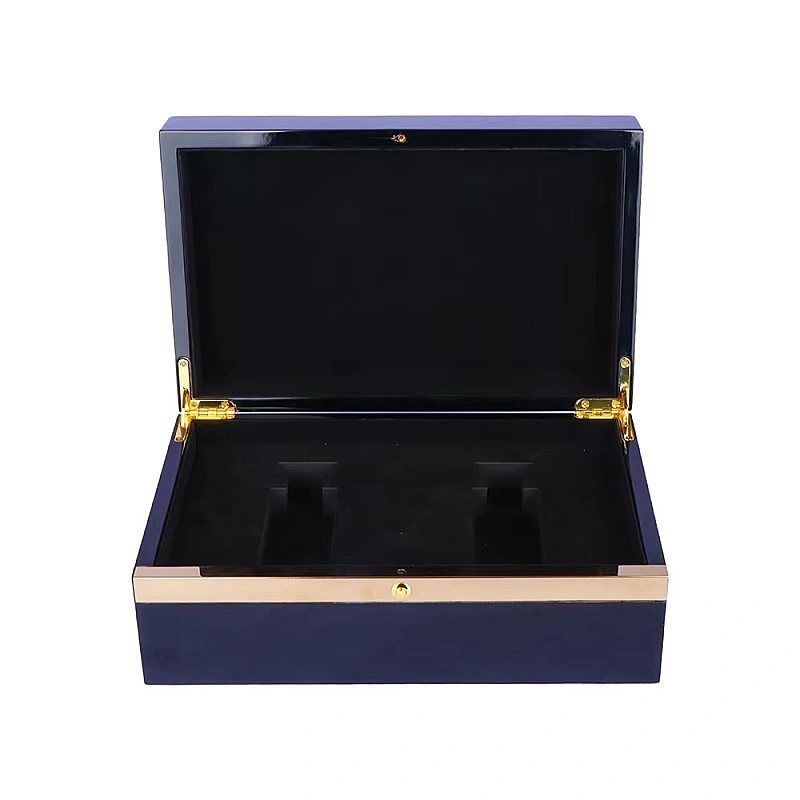
Gift buyers often lack time and knowledge. They need shortcuts.
Packaging works as a shortcut because it compresses complex judgments about taste, value, and effort into one visible object.
Taste without explanation
Taste is hard to explain. But it is easy to show.
A clean wooden perfume box suggests restraint. A high-gloss finish suggests modern luxury. Natural wood grain suggests warmth and authenticity. The buyer does not need words.
Value beyond price
Most gift buyers do not know wholesale cost or material pricing. But they know weight. They know finish. They know detail.
A wooden box feels more expensive than cardboard. This perception matters more than actual cost.
Effort as a visible signal
Effort is emotional. The recipient wants to feel considered.
Packaging sends effort signals clearly:
| Caraterística | Effort Signal |
|---|---|
| Custom mold | This was planned |
| Fitted insert | This was designed |
| Layered opening | This was thoughtful |
| Fecho magnético | This was upgraded |
When buyers choose such packaging, they feel their effort is visible even before the gift is opened.
What I see from brand feedback
Brands often tell me that customers say the packaging “does the talking.” This is true. The box speaks for the buyer. It explains their taste without forcing them to explain themselves.
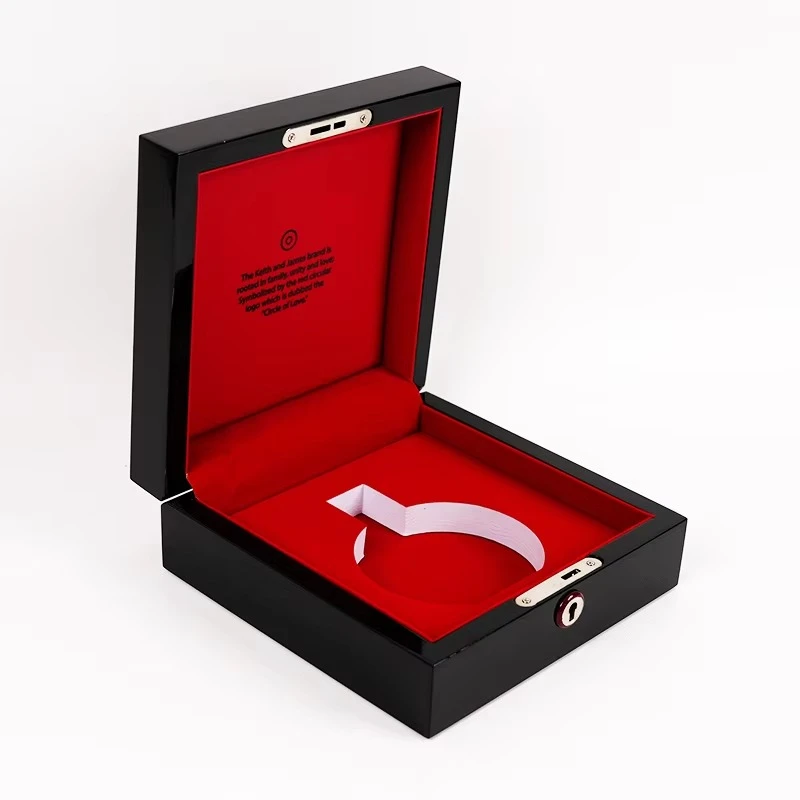
Gifts are rarely private. They exist in social moments.
Packaging matters more because gifts are opened, judged, and remembered in front of other people.
The public moment of unboxing
In many cultures, gifts are opened publicly. Family watches. Friends comment. Colleagues observe. The box is seen before the scent is known.
This moment creates pressure. Packaging becomes a form of social armor.
First impressions are visual
No one smells a perfume from across the room. Everyone sees the box. If the box looks weak, doubt appears instantly.
A strong box creates silence. Silence means approval.
Cultural sensitivity and respect
In Asian markets especially, packaging reflects respect. A solid box shows seriousness. A cheap box suggests carelessness.
I have worked with many clients who choose wooden boxes specifically for formal gifting. They say it avoids misunderstanding.
Packaging and shared judgment
| Situação | Risco | Papel da embalagem |
|---|---|---|
| Business gifting | Reputação | Shows professionalism |
| Family events | Emoção | Shows care |
| Social visits | Status | Shows awareness |
| Festivals | Tradição | Shows respect |
Packaging protects the giver in every case.
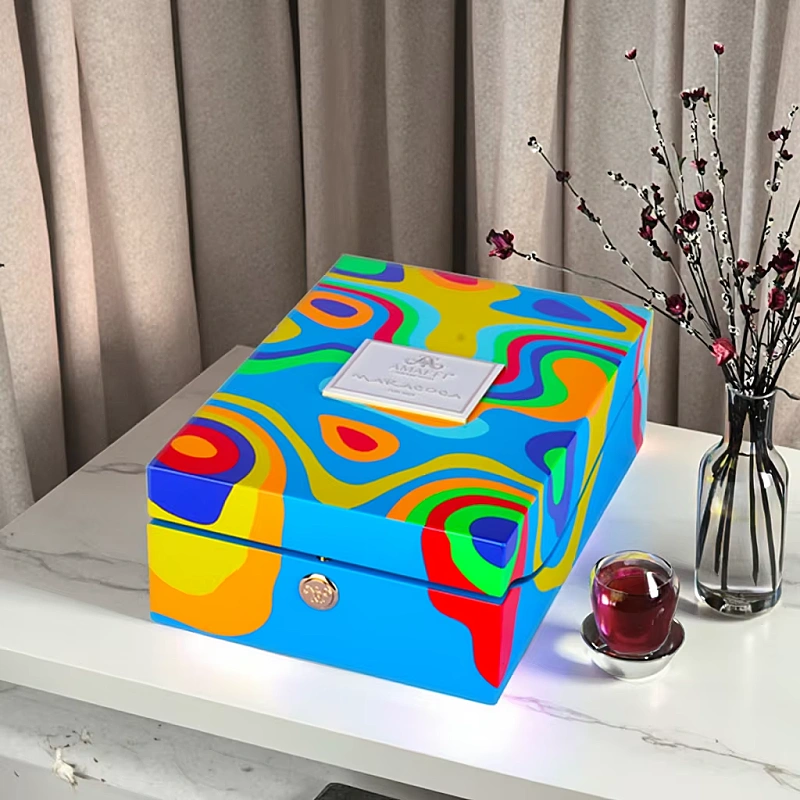
Reputation is fragile. Gift buyers know this.
Premium packaging protects the giver because it delivers visible proof of intention before the fragrance is ever judged.
The giver is always evaluated
When someone gives a gift, they are also being evaluated. The question is not only “Is this good?” but “What does this say about you?”
Packaging answers that question instantly.
Fragrance risk versus packaging safety
Fragrance taste is subjective. Packaging quality is not.
A recipient may dislike a scent but still appreciate the presentation. They may forgive the scent but remember the effort.
Why wooden boxes work so well
From my production experience, wooden boxes perform best in reputation protection:
- They feel permanent
- They suggest investment
- They imply long-term value
Even after the perfume is used, the box remains.
Long-term memory and objects
People forget scents. They remember objects.
A wooden box stays on a shelf. It becomes storage. It becomes decoration. It keeps the memory of the gift alive.
This is why premium packaging often matters more than the liquid inside.
Conclusão
Gift buyers prioritize packaging because it gives confidence, reduces risk, and protects reputation. In gifting, reassurance matters more than scent.

 Português
  English
  Español
  Deutsch
  Français
  Italiano
  العربية