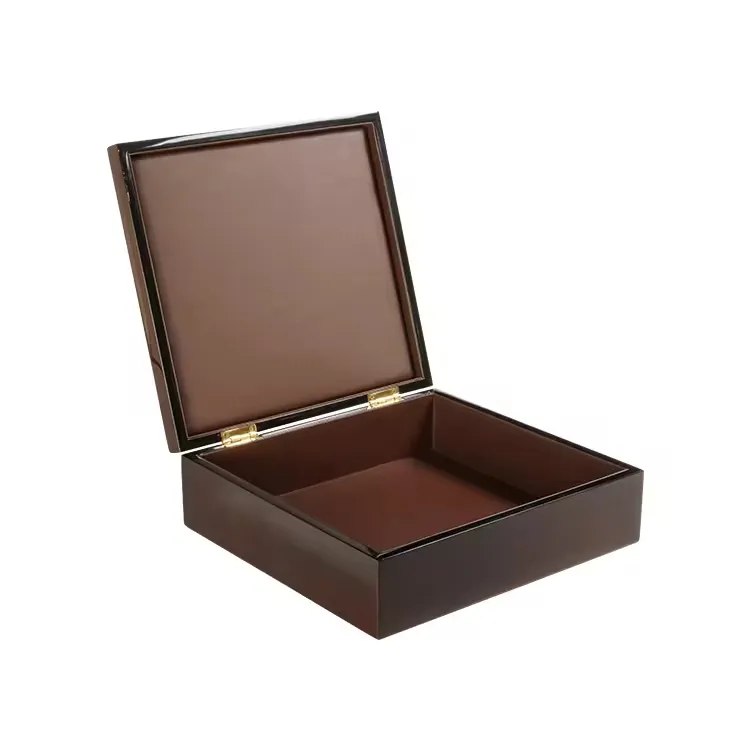
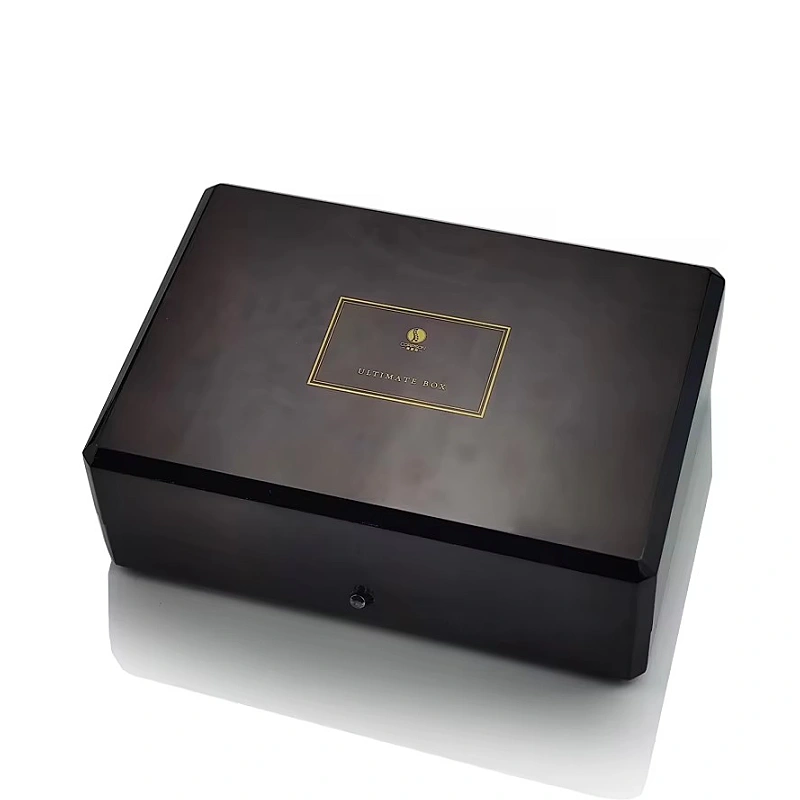
Perfume often smells fine at first, then slowly changes. Many people blame the formula. The real problem is often silent and close by: electronic devices.
Perfume stored near electronic devices slowly degrades due to constant low-level heat, airflow, and vibration, not sudden damage. Over time, this environment weakens freshness, balance, and strength.
I have seen this issue many times while working with perfume brands. Clients complain about scent changes. In most cases, the formula is stable. The storage location is not. This article explains why this happens and how to reduce the risk.
Electronic devices do not feel hot. That is why people ignore them. But they release heat every hour of every day.
Routers, speakers, computers, display cabinets, and refrigerators all produce low-level warmth. This heat builds up in small zones around the device.
Electronic devices create a constant warm micro-environment that slowly raises perfume temperature over long periods, even without noticeable heat.
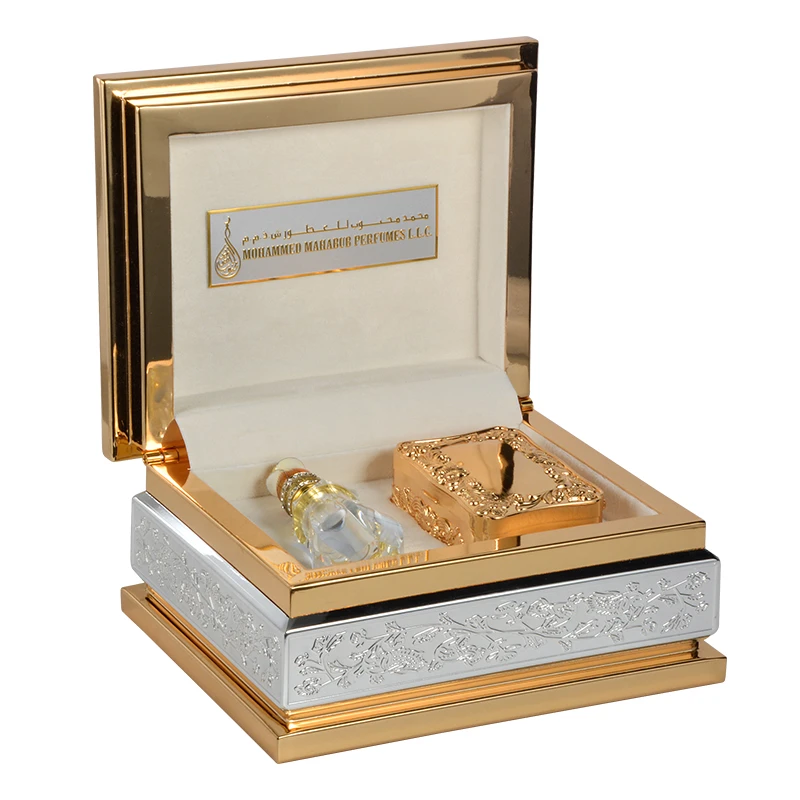
Where this heat really comes from
Every electronic device converts energy. Some energy becomes light or sound. The rest becomes heat.
This heat does not disappear. It stays close to the device and warms nearby air.
Common examples I see with clients:
| Device Type | Heat Pattern | Nível de risco |
|---|---|---|
| Wi-Fi router | Constant mild heat | Médio |
| Desktop computer | Warm airflow | Elevado |
| Refrigerator | Compressor cycles | Médio |
| Speaker | Heat + vibration | Médio |
| Charging station | Local heat buildup | Baixo–Médio |
Why people underestimate this risk
The temperature change is small. Often it is only 2–5°C above room temperature.
People think this difference does not matter. But perfume reacts to time, not shock.
I once worked with a niche brand that stored tester bottles next to a router in their office. After 18 months, top notes felt flat. The formula was unchanged. Storage caused the issue.
Why steady warmth is worse than short heat
Short exposure happens during transport. Perfume survives this.
Long exposure is different. It slowly speeds up chemical reactions inside the bottle.
This includes:
- Oxidação
- Evaporation
- Loss of volatile top notes
The bottle never cools fully. Aging accelerates.
That is why hidden heat matters more than people expect.
Why can long-term exposure to low-level warmth alter fragrance balance?
Perfume is built on balance. Heat does not destroy it instantly. It shifts it slowly.
Long-term warmth accelerates oxidation and evaporation, causing top notes to fade and contrast between notes to soften.
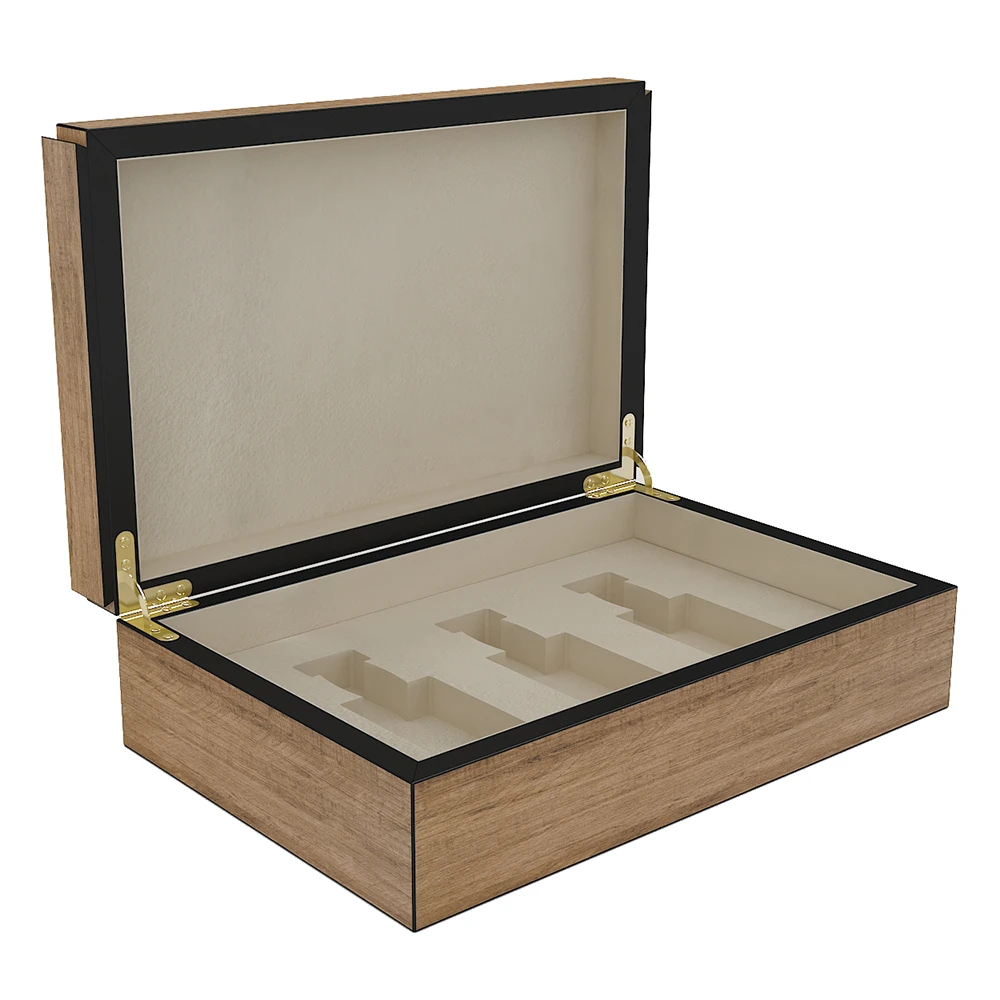
How perfume structure reacts to warmth
Perfume contains:
- Top notes (most volatile)
- Notas de coração
- Base notes (most stable)
Low-level warmth affects them unevenly.
| Tipo de nota | Sensitivity to Heat | Long-Term Effect |
|---|---|---|
| Notas de cabeça | Muito elevado | Early loss |
| Notas de coração | Médio | Reduced clarity |
| Notas de fundo | Baixa | Feels heavier |
Over time, the scent feels:
- Menos brilhante
- Less fresh
- More linear
Customers often say: “It smells weaker.”
Why this happens without leaks
Many people think evaporation means liquid loss. That is not always visible.
Microscopic evaporation still happens through:
- Spray valves
- Imperfect seals
- Plastic components
Heat increases internal pressure. Molecules move faster. Loss increases slowly.
My experience with customer complaints
I handled multiple cases where:
- Bottles looked full
- Color was unchanged
- But scent felt dull
In every case, storage was near electronics or warm cabinets.
When bottles were stored in cool drawers, complaints stopped.
This pattern repeated too often to ignore.
Why luxury perfumes feel this more
High-end perfumes often use:
- Óleos naturais
- Fewer stabilizers
- Lighter top structures
These formulas age beautifully apenas in stable conditions.
Low-level warmth removes that advantage.
Do electromagnetic fields directly affect perfume chemistry?
This question comes up often. The short answer is no.
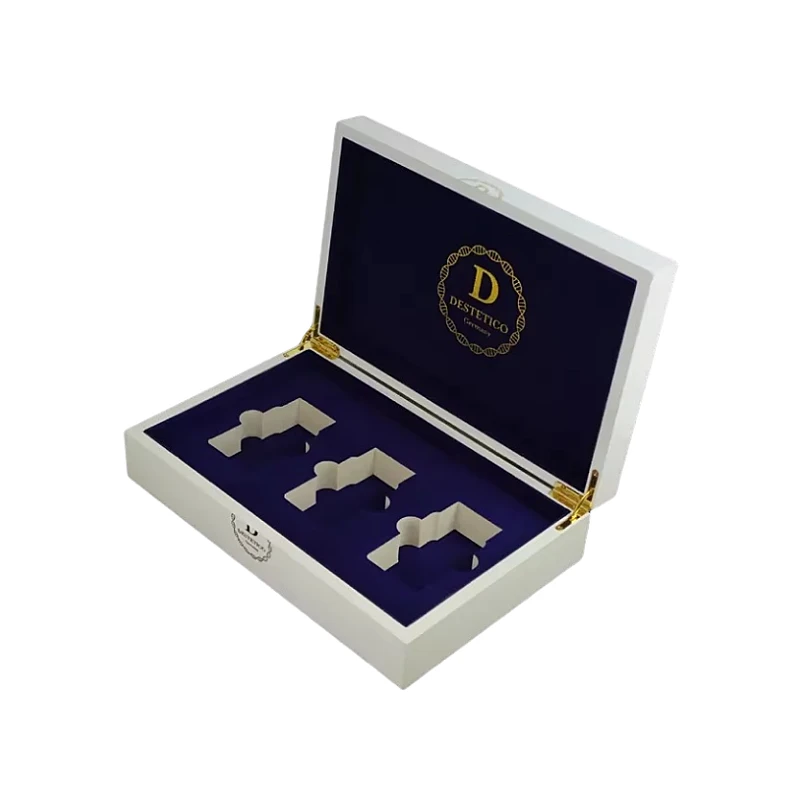
Electromagnetic fields do not directly alter perfume molecules. Indirect effects like heat, airflow, and vibration are the real risks.
What science tells us
Perfume molecules are stable under normal EMF exposure.
Household electronics emit:
- Low-frequency fields
- Low energy radiation
These levels do not break chemical bonds.
So EMF itself is not the enemy.
Why people confuse EMF with damage
Electronic devices cause multiple effects at once:
- Calor
- Air movement
- Noise
- Vibração
People notice change and blame EMF. But correlation is not cause.
From my observations, heat explains most issues.
Real risks that get mistaken for EMF
| Fator | Efeito no perfume |
|---|---|
| Calor | Accelerates aging |
| Fluxo de ar | Increases evaporation |
| Vibração | Speeds interaction |
| Luz | Breaks aromatic bonds |
These factors often exist together near electronics.
What I tell clients
I never warn clients about EMF.
I warn them about environmental stress.
Perfume does not need danger. It only needs time in the wrong place.
How does micro-vibration and airflow from devices impact perfume stability?
This is the most ignored factor. It is also very real.
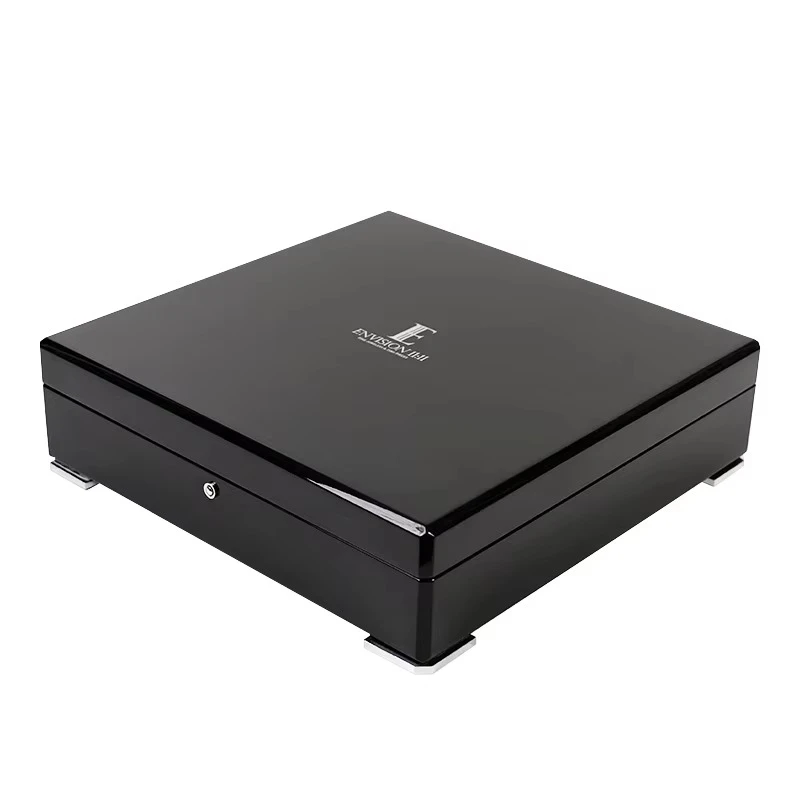
Micro-vibration and airflow increase evaporation and accelerate aging, especially in natural or artisanal perfumes.
Where vibration comes from
Many devices vibrate constantly:
- Speakers
- Refrigerators
- Display cabinets
- Cooling fans
The movement is small. But it never stops.
Why vibration matters
Perfume is a liquid system. Movement increases:
- Molecular interaction
- Contact with oxygen
- Breakdown speed
This is similar to aging wine faster by shaking it.
Natural perfumes suffer the most.
Airflow: the silent partner
Fans and compressors move air.
Fluxo de ar:
- Lowers local humidity
- Encourages evaporation
- Pulls scent molecules outward
If the seal is not perfect, loss increases.
Combined impact over time
| Stress Factor | Short-Term Effect | Long-Term Effect |
|---|---|---|
| Vibração | Nenhum | Envelhecimento mais rápido |
| Fluxo de ar | Nenhum | Loss of top notes |
| Calor | Nenhum | Balance shift |
Together, they quietly change the scent.
What I observed in real storage tests
In one case, a brand stored:
- Bottles in open shelves near speakers
- Bottles in closed wooden boxes nearby
After one year:
- Open bottles felt thinner
- Boxed bottles stayed stable
Same room. Same formula. Different protection.
What storage and packaging choices can reduce these risks?
This is where packaging matters. Not as decoration, but as protection.
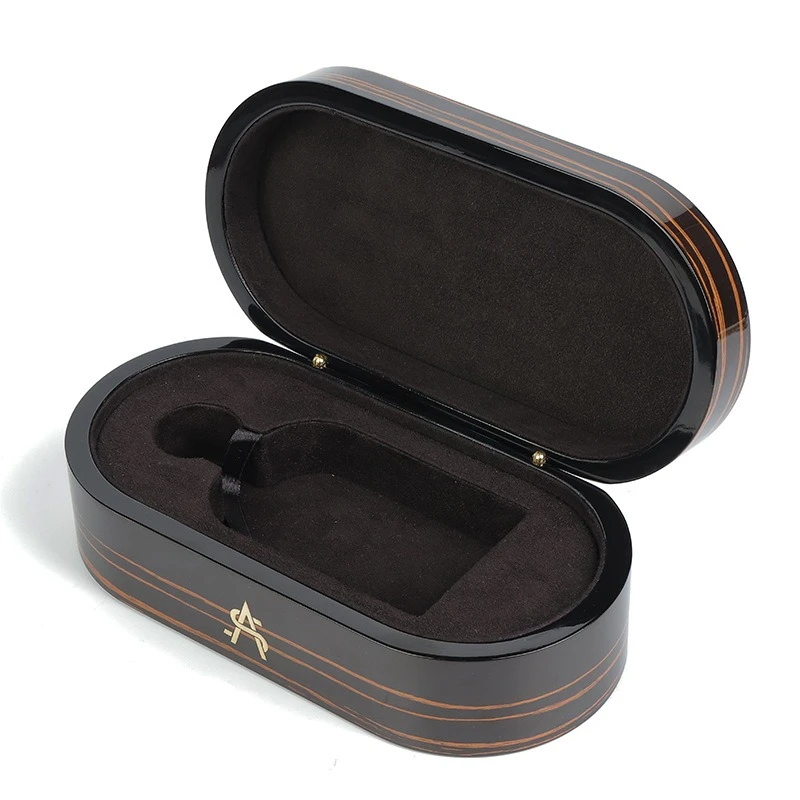
Proper storage and protective packaging reduce heat transfer, block airflow, and isolate perfume from vibration, preserving scent stability.
Storage rules I always recommend
Simple rules work best:
- Keep perfume away from electronics
- Avoid open shelves near devices
- Use enclosed storage
Drawers beat display.
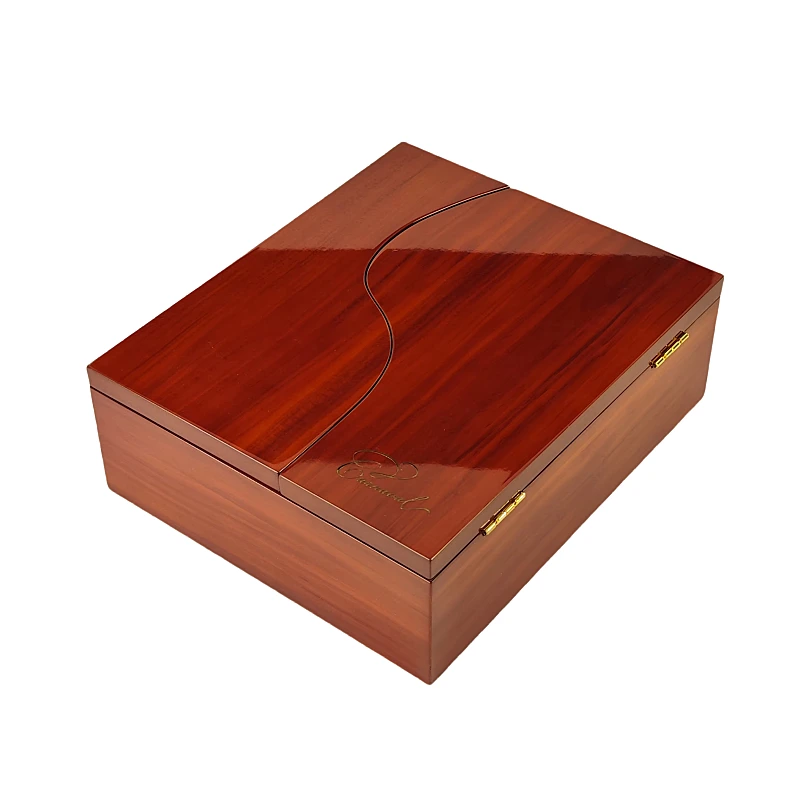
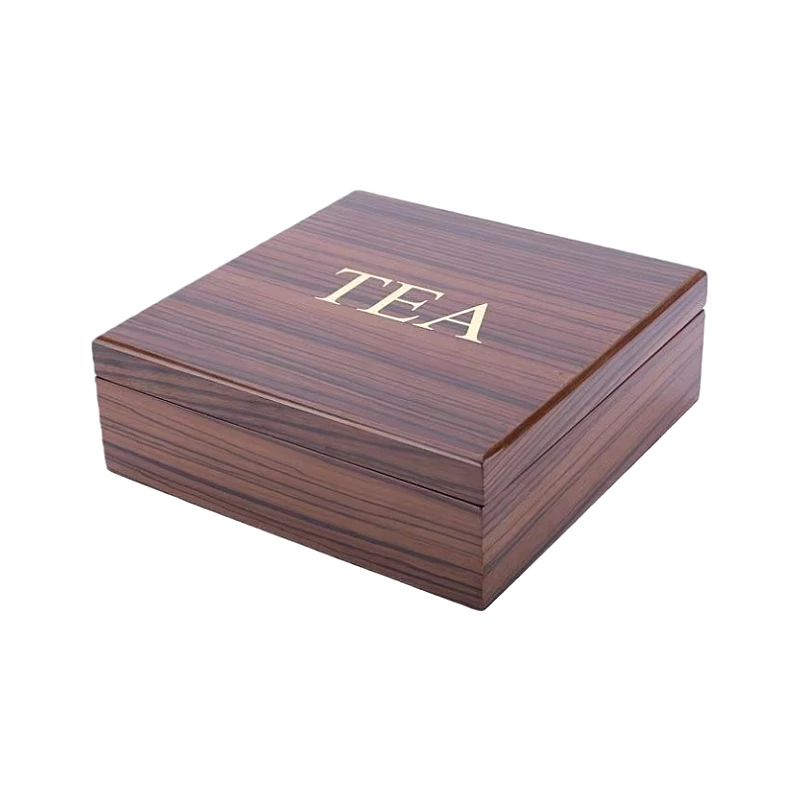
Why wooden packaging works better
Wood is a natural buffer.
It:
- Slows heat transfer
- Absorbs vibration
- Bloqueia a luz
- Limits airflow
This is not theory. I have seen it work repeatedly.
Comparison of packaging types
| Tipo de embalagem | Heat Protection | Vibration Protection | Overall Stability |
|---|---|---|---|
| No packaging | Nenhum | Nenhum | Baixa |
| Paper box | Baixa | Baixa | Baixa |
| Plastic case | Médio | Baixa | Médio |
| Caixa de madeira | Elevado | Elevado | Elevado |
Why premium brands choose wood
High-gloss wooden boxes are not just luxury.
They protect the formula.
For:
- Collector perfumes
- Edições limitadas
- Gift products
The cost makes sense.
My manufacturing perspective
With 15 years in wooden packaging, I design boxes with:
- Dense MDF or solid wood
- Tight inner fit
- Soft lining
- Minimal air volume
This creates a stable micro-environment.
I always tell clients: packaging is part of the product.
Conclusão
Perfume degrades quietly. Electronics create constant stress. With smart storage and protective packaging, scent integrity lasts longer and brand value stays intact.
Nome da marca: WoodoBox
Slogan: Caixas de madeira personalizadas, fabricadas na perfeição

 Português
  English
  Español
  Deutsch
  Français
  Italiano
  العربية