I have seen many perfume brands focus on formula, bottle shape, and visual impact. But many overlook one small part. The cap. This small choice can quietly change how a perfume ages.
Metal perfume caps heat up faster because metal transfers heat quickly, and that heat moves directly toward the most sensitive area of the perfume bottle. This process slowly affects stability, scent balance, and long-term quality.
I learned this lesson after years of working with premium perfume packaging. What looks luxurious is not always chemically friendly. If you care about fragrance longevity, you must understand how metal behaves with heat.
Why do metal materials absorb and transfer heat more quickly than other cap materials?
Metal heats up fast because its internal structure allows energy to move freely. This is simple physics, but many designers ignore it.
Metal absorbs ambient heat quickly and transfers it inward faster than wood, resin, or thick plastic. This makes metal caps act like heat bridges sitting directly on top of perfume bottles.
From my experience, this difference becomes obvious during real use, not lab tests. A bottle displayed under store lighting or near a window feels normal. The metal cap feels warm.
How heat moves inside metal
Metal has free electrons. These electrons move easily. When heat touches the surface, energy spreads fast.
Other materials behave differently:
| Cap Material | Heat Absorption Speed | Heat Transfer Rate | Thermal Buffer Effect |
|---|---|---|---|
| Metal | Muito rápido | Muito elevado | Muito baixo |
| Plástico | Médio | Médio | Médio |
| Resina | Médio | Baixa | Médio |
| Madeira | Lento | Muito baixo | Elevado |
This table matches what I see in factories and warehouses. Metal reacts fast. Wood reacts slow.
Why the cap location matters
The cap sits at the bottle neck. This is the weakest thermal point.
- The glass is thinner at the neck
- Vapor collects near the top
- Oxygen exposure starts here
When metal heats up, it does not stay isolated. It transfers heat directly to the neck area.
Real-world heat sources people forget
Most people think only about sunlight. That is a mistake.
Common heat sources include:
- Retail LED and halogen lighting
- Hands touching and testing bottles
- Warm display cabinets
- Shipping containers
- Car transport
I once visited a client’s showroom. The room felt cool. But the caps were warm because of spotlights. That was enough to start slow damage.
Por que a madeira se comporta de maneira diferente
Wood is a natural insulator. It traps air. Heat moves slowly through it.
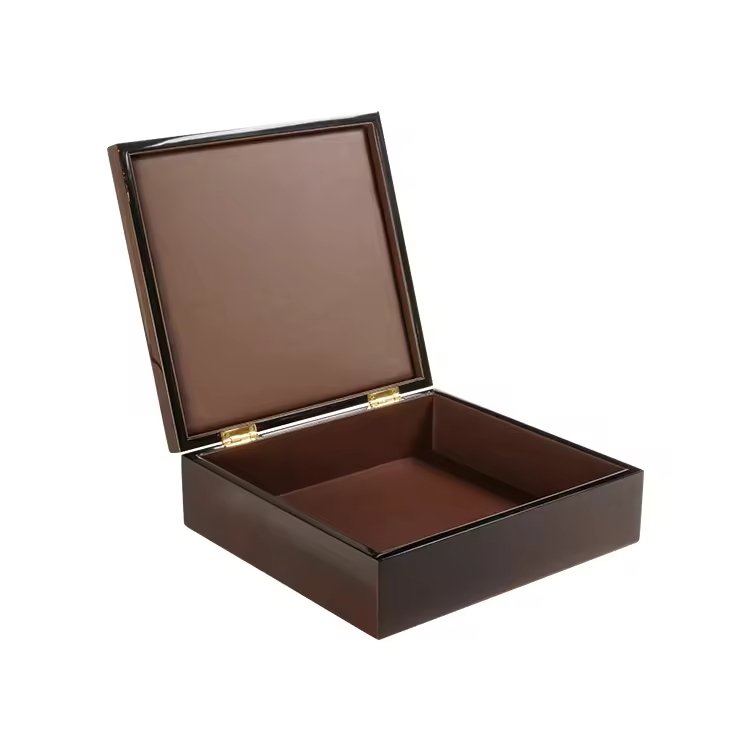
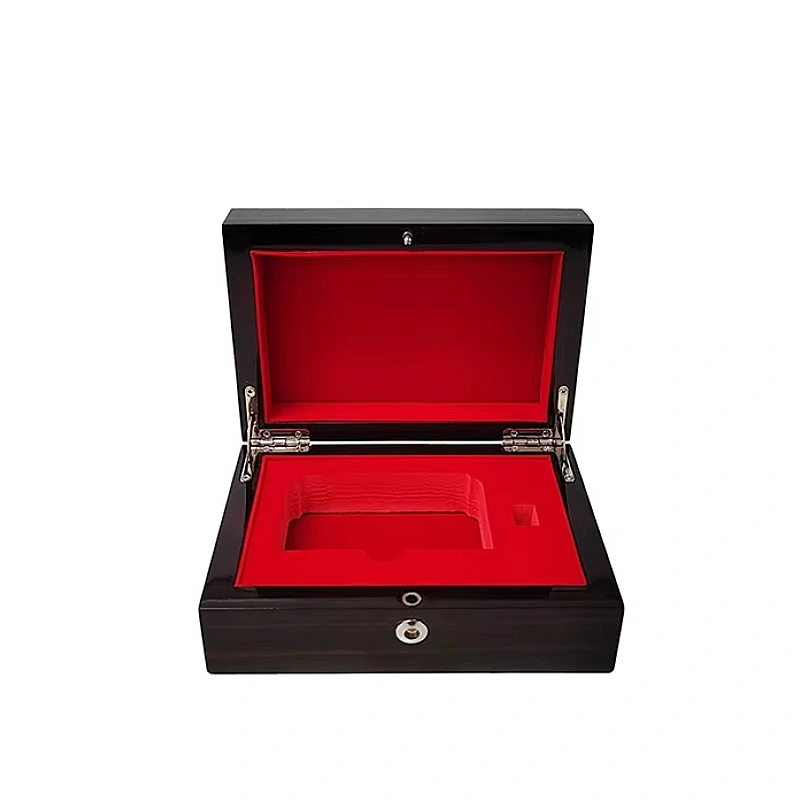
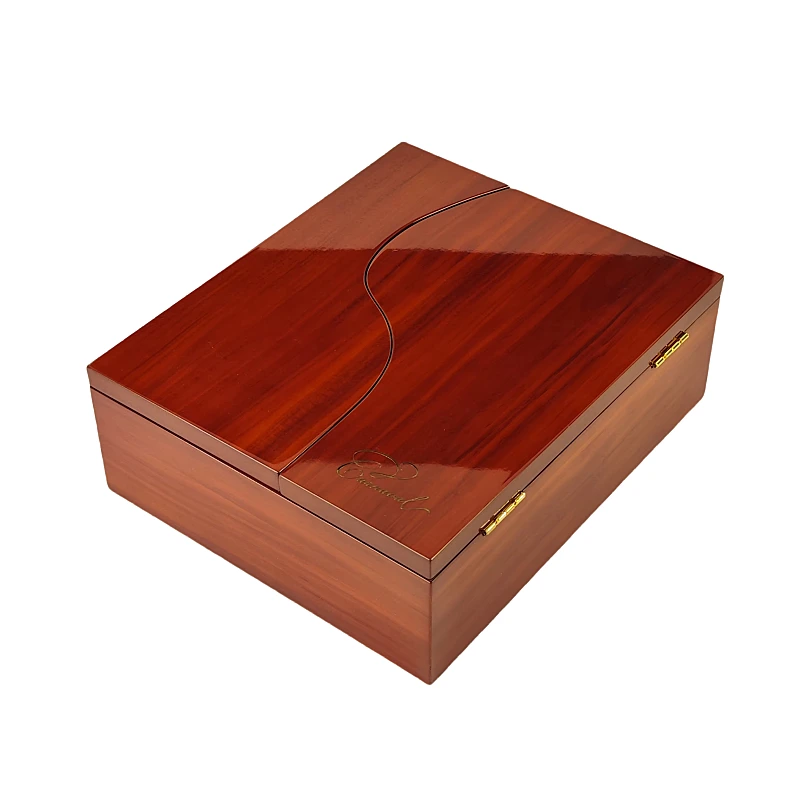
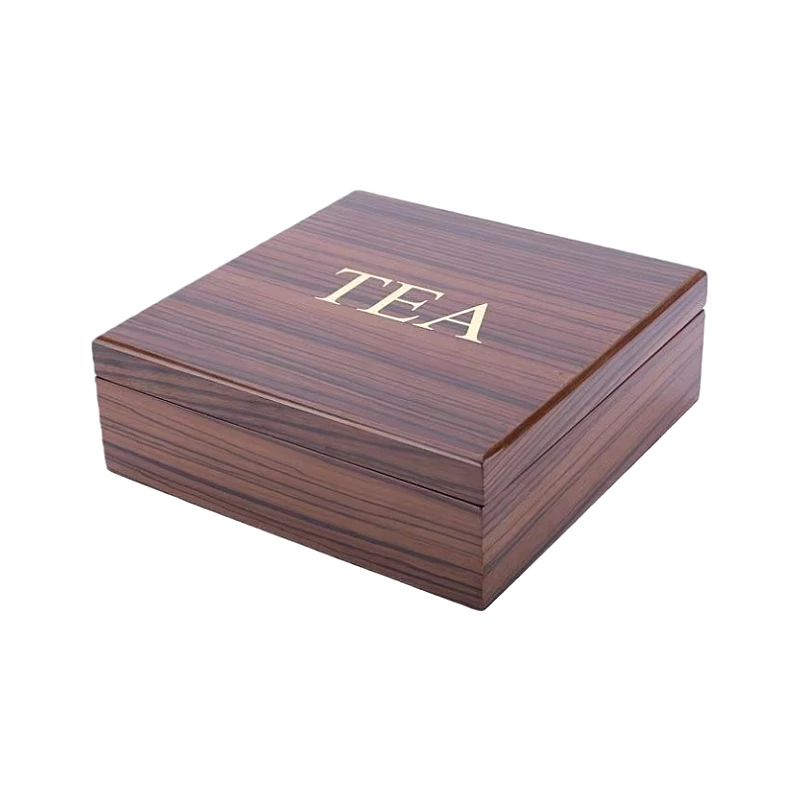
When brands choose wooden outer boxes or wooden caps, they add a thermal buffer. This buffer buys time. Time is everything for perfume stability.
From a packaging perspective, metal looks strong. But thermally, it is aggressive.
How does rapid heat transfer through metal caps impact perfume stability?
Perfume stability depends on calm conditions. Heat creates movement. Movement creates reactions.
Rapid heat transfer through metal caps raises the temperature at the bottle neck, speeding up oxidation, evaporation, and chemical breakdown. This happens even when the bottle looks sealed.
I have seen perfumes fail stability tests not because of formula issues, but because of packaging choices.
What happens inside the bottle
When heat reaches the neck:
- Vapor pressure increases
- Volatile compounds move faster
- Oxygen reacts more easily
This is basic chemistry. Heat adds energy. Energy speeds reactions.
Why small temperature changes matter
Many buyers think damage needs high heat. That is wrong.
Even small changes matter if they repeat.
Por exemplo:
- 22°C showroom at night
- 28°C under lights during the day
- Back to 22°C again
This cycle happens daily.
Over months, this is hundreds of cycles.
Where degradation starts
In my experience, degradation almost always starts at the opening notes.
Clients report:
- Weak opening
- Shorter projection
- Flat first impression
They rarely connect this to the cap.
Evaporation risk near the neck
Metal caps often sit tightly. But heat causes expansion.
When metal expands faster than glass, micro gaps can appear.
These gaps are invisible. But vapor finds them.
Over time:
- O álcool evapora
- Concentration shifts
- Balance changes
This does not ruin the perfume overnight. It quietly lowers quality.
Long-term storage problems
In warehouses, I have seen metal-capped bottles stored next to plastic-capped ones.
After one year:
- Metal cap samples smelled older
- Color changed slightly
- Notas de cabeça esbatidas
Same formula. Same batch. Different caps.
Packaging is part of the formula. Many brands learn this too late.
Why are temperature-sensitive top notes most affected by heated metal caps?
Top notes live fast and die young. Heat makes this worse.
Temperature-sensitive top notes break down first because they are light, volatile, and chemically active near the bottle opening. Metal caps target exactly this zone.
I always warn brands about citrus-heavy fragrances. They look fresh. But they are fragile.
What top notes are made of
Top notes often include:
- Óleos cítricos
- Florais leves
- Aldehydes
- Green molecules
These ingredients evaporate easily. That is their job.
But heat pushes them too hard.
Why heat attacks top notes first
Three reasons:
- They sit closest to the cap
- They react faster than base notes
- They evaporate at lower temperatures
When the cap heats up, vapor pressure rises near the neck. Top notes escape or react first.
Typical damage patterns I observe
After months of heat cycling:
- Citrus smells dull
- Sparkle disappears
- Opening feels muted
Clients describe it as “less fresh” or “less alive.”
They blame aging. But aging speed depends on packaging.
Comparison of note sensitivity
| Tipo de nota | Sensibilidade ao calor | Impacto típico |
|---|---|---|
| Topo | Muito elevado | Fast fading |
| Médio | Médio | Slight change |
| Base | Baixa | Mostly stable |
This pattern is consistent across brands and markets.
Why luxury perfumes suffer more
Luxury perfumes often use:
- Óleos naturais
- Low stabilizer levels
- Complex top accords
These choices increase sensitivity.
When paired with metal caps, risk increases.
Luxury design must respect chemistry. Otherwise, beauty becomes fragile.
How does repeated heating and cooling through the cap accelerate degradation?
One-time heat is not the main problem. Repetition is.
Repeated heating and cooling through metal caps creates thermal stress cycles that slowly accelerate chemical and physical degradation inside the bottle.
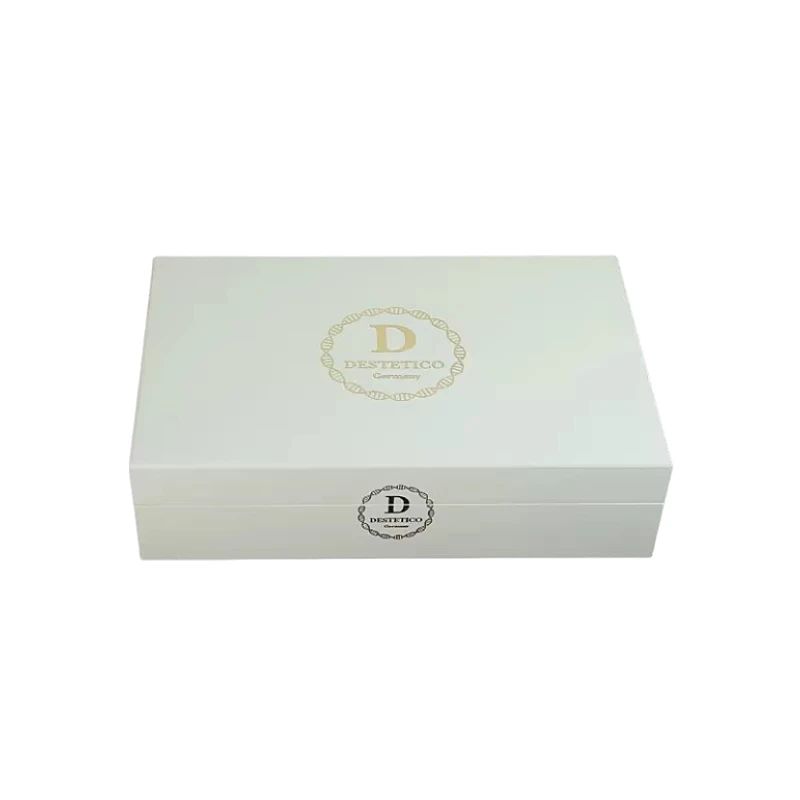
%[Caixa branca de luxo com logótipo Destetico
This is the silent killer of perfume quality.
Understanding thermal cycling
Thermal cycling means:
- Heating
- Cooling
- Repeating
Metal reacts fast. Glass reacts slow.
This mismatch creates stress.
Expansion and contraction issues
Metal expands faster than glass. It also contracts faster.
Over time:
- Seals weaken
- Crimps loosen
- Micro leaks form
I have seen this clearly in hot climates.
Oxygen ingress over time
Even tiny oxygen entry matters.
Oxygen causes:
- Oxidação
- Color change
- Scent distortion
Once oxidation starts, it does not stop.
Chemical stress inside the liquid
Temperature swings increase molecular movement.
This leads to:
- Faster reaction rates
- Breakdown of delicate molecules
- Prazo de validade mais curto
This happens even if the bottle never opens.
Real example from my work
A client shipped perfumes to the Middle East.
Same product.
Two versions:
- Metal cap with no outer box
- Metal cap with wooden box
After 9 months:
- Boxed version smelled fresher
- Unboxed version lost top notes
The difference was thermal buffering.
Why this matters for global brands
Global shipping means:
- Containers
- Temperature changes
- Long transit times
Metal caps amplify these risks.
Design without thinking about heat is incomplete design.
The solution is not to avoid metal completely. The solution is balance.
Smart packaging design can control heat exposure by combining materials, adding buffers, and reducing direct thermal transfer to the bottle neck.

This is where my experience in wooden boxes becomes valuable.
Better cap design strategies
Brands can:
- Use metal shells with inner plastic liners
- Reduce metal thickness
- Add air gaps inside the cap
These small changes slow heat transfer.
Importance of secondary packaging
Outer packaging is not decoration. It is protection.
Wooden boxes work well because:
- They slow temperature change
- They block direct light
- They stabilize storage conditions
This is why many high-end brands use wood.
Material pairing matters
Good combinations include:
- Metal cap + plastic insert
- Glass bottle + wooden box
- Metal accents, not full metal mass
Bad combinations include:
- Solid metal caps
- Thin glass necks
- No outer box
Storage and display guidance
Packaging must consider real life.
I advise clients to:
- Avoid spotlight exposure
- Limit window displays
- Educate retailers
Design should protect even when users do not.
Cost vs value thinking
Some buyers avoid wooden boxes due to cost.
But consider:
- Returns
- Brand damage
- Reformulation risk
Protecting fragrance quality saves money long-term.
My personal rule
If a perfume uses:
- Natural citrus
- Florais leves
- High alcohol content
Then metal caps need buffering. Always.
Luxury is not only about shine. It is about control.
Conclusão
Metal perfume caps heat fast and stress fragrances over time. Smart material pairing and thermal buffering protect scent quality and preserve true luxury.
Nome da marca: WoodoBox
Slogan: Caixas de madeira personalizadas, fabricadas na perfeição

 Português
  English
  Español
  Deutsch
  Français
  Italiano
  العربية