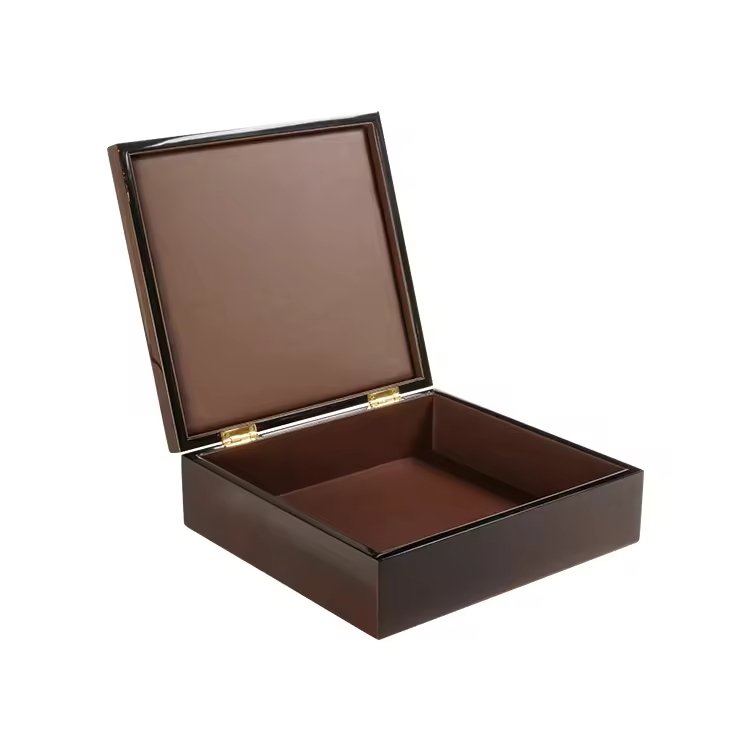
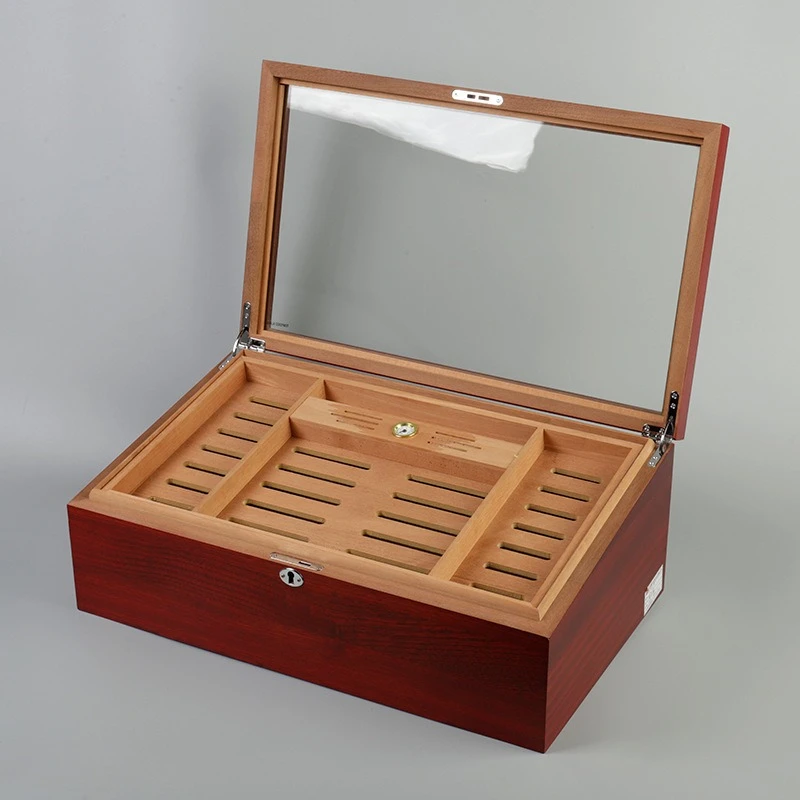
A cigar box’s finish is more than just beauty. Coating layers can influence how cigars breathe and age inside.
Yes, multi-layer lacquer coating affects internal humidity balance. It slows wood’s breathability, stabilizes humidity, but also changes how cigars interact with the box’s natural lining.
This is why the choice of lacquer finish is both a design and functional decision in premium cigar packaging.
How does lacquer coating change the natural breathability of wood?
Wood naturally exchanges moisture with the environment. Lacquer changes that property.
Lacquer reduces the natural breathability of wood, making it less responsive to external humidity changes.
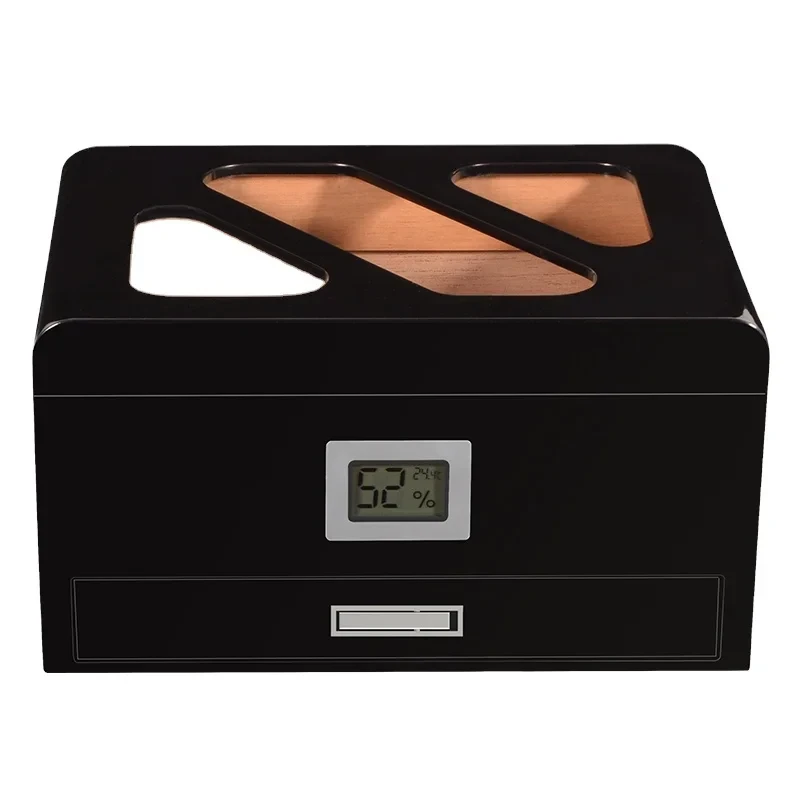
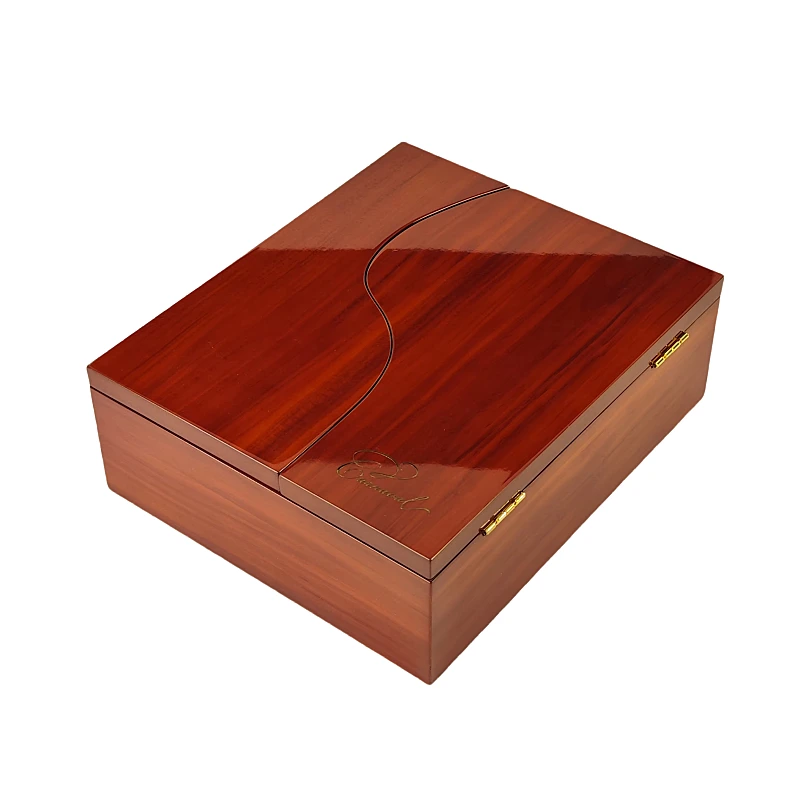
When I first worked on high-gloss piano lacquer boxes, I noticed cigars inside stayed more stable compared to unfinished wood boxes. This was because the lacquer acted as a barrier.
Natural wood behavior
- Absorbs and releases humidity.
- Balances internal air with outside conditions.
- Helps regulate cigars naturally.
Lacquered wood behavior
- Surface sealed against air and moisture.
- Slows down exchange process.
- Makes the box less reactive to external fluctuations.
The effect is useful for transport and storage, but it changes the role of the wood in cigar preservation.
Does sealing the exterior slow down or stabilize humidity exchange inside the box?
Sealing the exterior changes the speed of moisture flow. This affects stability.
A lacquered box slows humidity exchange, making internal humidity more stable over time, but less adaptive to sudden changes.
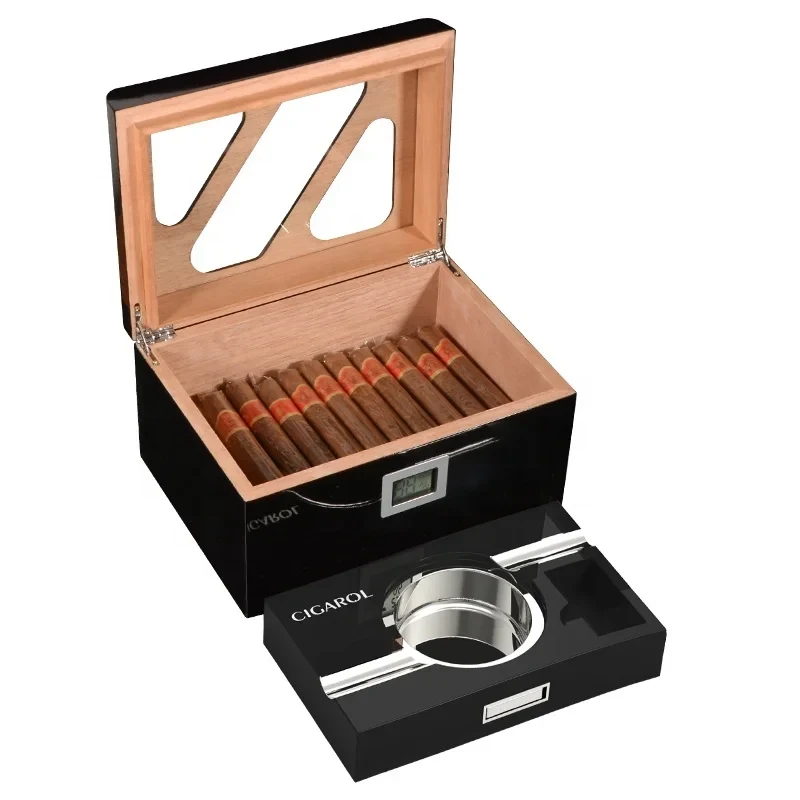
I had a client who shipped cigars overseas. Lacquered boxes kept cigars more consistent during shipping. Non-coated boxes absorbed moisture too fast in humid climates, sometimes causing mold.
Stability vs adaptability
- Stability: Lacquer prevents quick swings, keeping cigars safer during transit.
- Adaptability: Without lacquer, wood balances faster with surrounding humidity, but may overreact.
For long storage in controlled environments, natural wood works better. For transport, lacquer provides an advantage.
What is the difference between single-layer and multi-layer lacquer in moisture control?
The number of layers changes thickness and barrier strength. More layers mean stronger sealing.
Single-layer lacquer slightly reduces breathability, while multi-layer lacquer creates a near-complete barrier to moisture transfer.

I once produced two batches of the same design: one with a thin single coat, another with eight layers of piano lacquer. The single coat let cigars age more naturally. The multi-layer finish gave a mirror-like shine but blocked most wood-air interaction.
Quadro comparativo
| Caraterística | Single-Layer Lacquer | Multi-Layer Lacquer |
|---|---|---|
| Respirabilidade | Partial | Muito baixo |
| Visual gloss | Moderado | High (piano effect) |
| Durabilidade | Basic protection | Strong resistance |
| Estabilidade da humidade | Equilibrado | Highly stable |
Brands must choose based on priority: natural aging or maximum stability with luxury finish.
How can interior lining materials (like Spanish cedar) offset the effects of exterior coating?
Interior lining plays a major role in humidity management when the outside is sealed.
Spanish cedar lining absorbs, stores, and releases moisture, offsetting the reduced breathability from multi-layer lacquer.
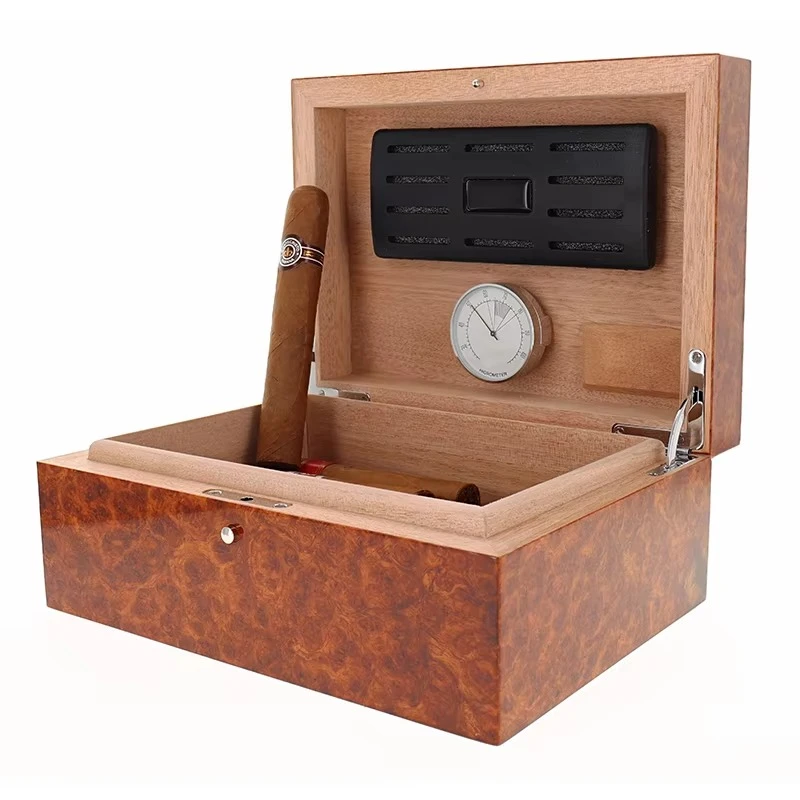
I recommend Spanish cedar in almost every premium cigar box. It holds humidity well and provides aroma that complements cigars. In lacquered boxes, cedar becomes the main regulator inside.
Why cedar works
- Stores extra moisture in its pores.
- Releases humidity slowly inside the box.
- Helps cigars age naturally despite sealed exterior.
Other lining options
- Mogno: Smooth but less absorbent.
- Okoume: Lightweight but neutral.
- Cedar veneer on MDF: Cost-effective compromise.
Without proper lining, cigars in fully lacquered boxes risk losing the natural breathing process they need.
Should certain areas (edges, joints) remain less sealed to allow balanced airflow?
Edges and joints can serve as micro-ventilation points. Over-sealing may trap moisture.
Leaving edges or joints slightly less sealed can allow micro-airflow, balancing humidity inside without major losses.
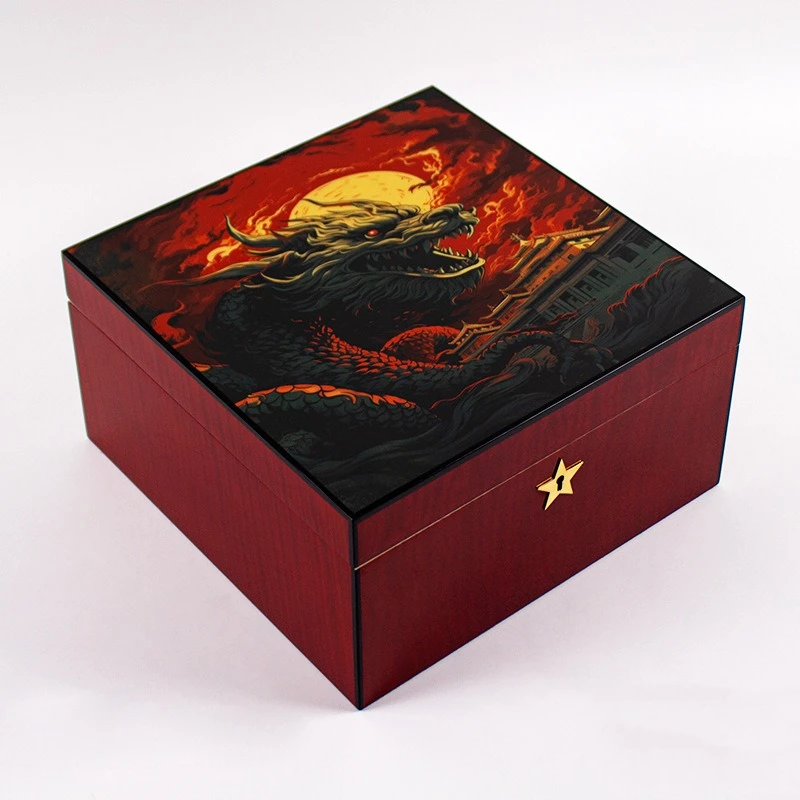
In one project, I used full multi-layer lacquer but left the underside edges with thinner coating. The cigars aged better, and the customer appreciated that balance. The box still looked flawless outside.
Practical approach
- Do not over-polish hidden edges.
- Use breathable adhesives inside joints.
- Balance aesthetics with invisible airflow paths.
The goal is not visible flaws, but practical performance. Micro-permeability is often enough to make a difference.
What best practices ensure durability of the finish without harming cigar preservation?
A durable finish must protect wood but not compromise cigars inside. Balance is essential.
Best practices include multi-layer lacquer on exterior, breathable interior linings, and micro-tolerances at edges to combine durability with preservation.
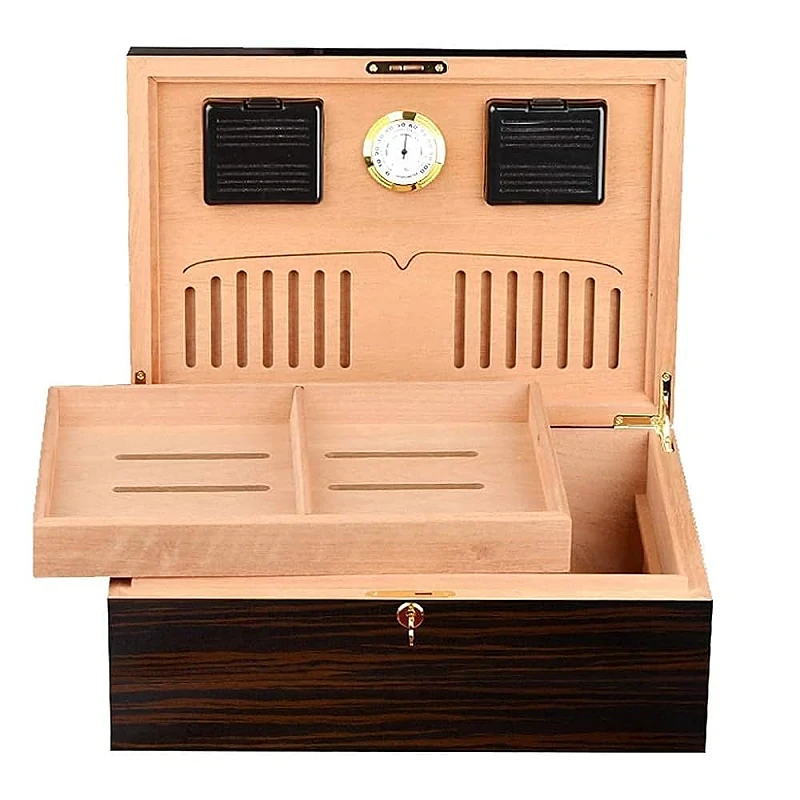
From my experience, buyers always want the high gloss look but fear it may harm cigar quality. The solution is not to avoid lacquer, but to combine it with the right internal structure.
Best practices checklist
- Use 6–8 layers for luxury durability.
- Apply lacquer only to exterior surfaces.
- Line interior with Spanish cedar.
- Design edges with controlled breathability.
- Test box performance under controlled humidity chambers.
This ensures the finish lasts years while cigars remain well-preserved.
Conclusão
Multi-layer lacquer stabilizes humidity but reduces breathability. Spanish cedar lining and balanced design keep cigars safe while maintaining luxury appeal.
Nome da marca: WoodoBox
Slogan: Caixas de madeira personalizadas, fabricadas na perfeição
Sítio Web: www.woodobox.com
WhatsApp: +86 18359265311

 Português
  English
  Español
  Deutsch
  Français
  Italiano
  العربية