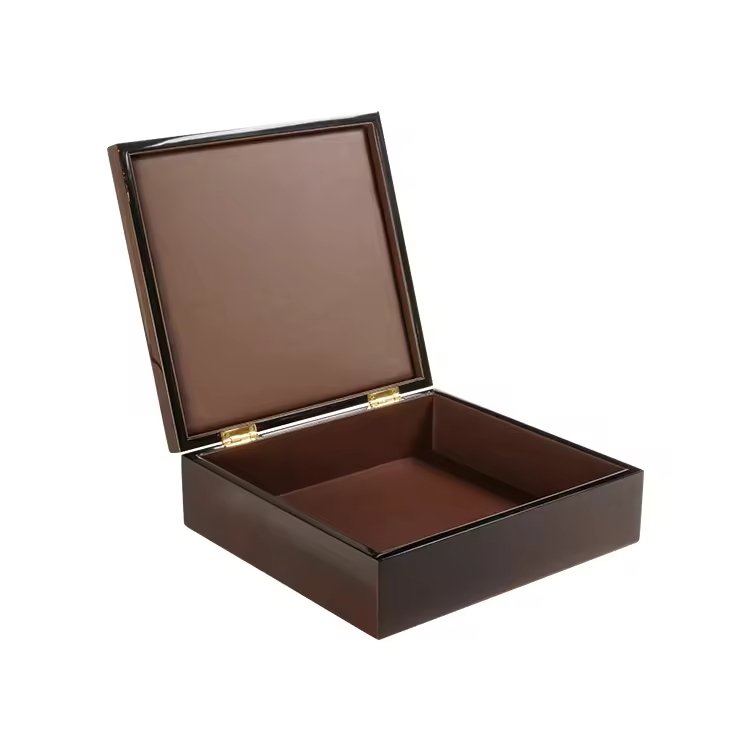
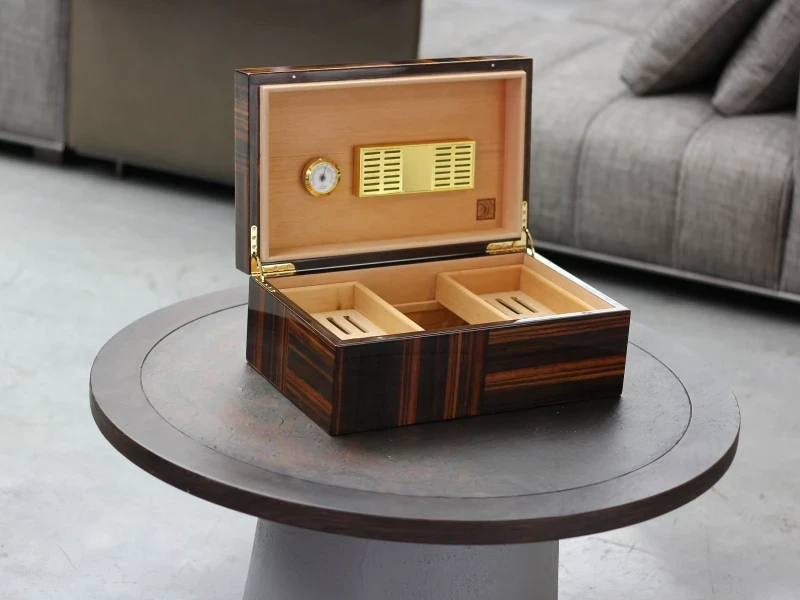
Every time we open a cigar box, we put stress on its structure. Over years, this stress can degrade sealing, even in premium boxes.
Frequent opening and closing does degrade a cigar box’s seal, but careful design choices—hinges, latches, gaskets, and precise tolerances—can extend sealing life for many years.
Most buyers never consider how often their customers will open the box. In this article, I will show failure modes, structural solutions, and long-term design methods to protect sealing under repeated use.
What failure modes appear first with frequent use—hinge wear, latch misalignment, or gasket fatigue?
Cigar boxes are opened dozens of times a month. Small mechanical weaknesses appear early with use.
The first failure modes are hinge wear, latch misalignment, and gasket fatigue. These small shifts reduce lid pressure and create micro-gaps that leak air.
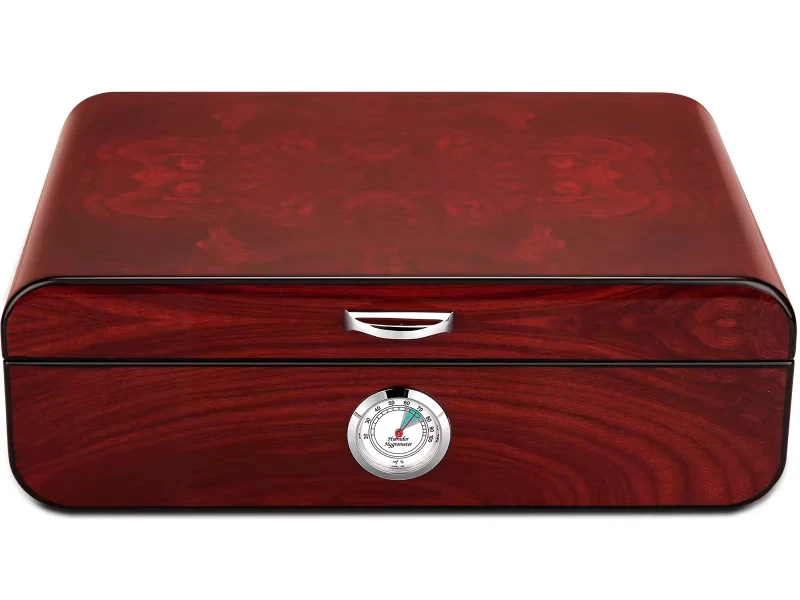
In my workshop, I have seen hinge screws loosen after just one year of frequent use. Once the hinge shifts, the lid no longer aligns perfectly. Latches also misalign over time, especially if they are decorative and not designed for tension. Gaskets suffer from compression set—after many closings, the gasket becomes flat and loses spring, leaving small channels for leaks.
Common Failure Modes
| Failure Mode | Root Cause | Visible Symptom |
|---|---|---|
| Hinge wear | Loose screws, friction | Lid wobble, uneven gap |
| Latch misalignment | Repeated stress | Loose closing feel |
| Gasket fatigue | Compression set | Thinner seal, leaks form |
These weak points often appear in cheaper boxes first. That is why premium designs need reinforcement at the structural level before scaling production.
How can reinforced hinges and multi-point latches keep long-term lid alignment tight?
The lid’s alignment depends on hinges and latches. Reinforcement can double or triple the sealing life of a box.
Reinforced hinges and multi-point latches distribute stress better and keep lid alignment tight over years of repeated use.
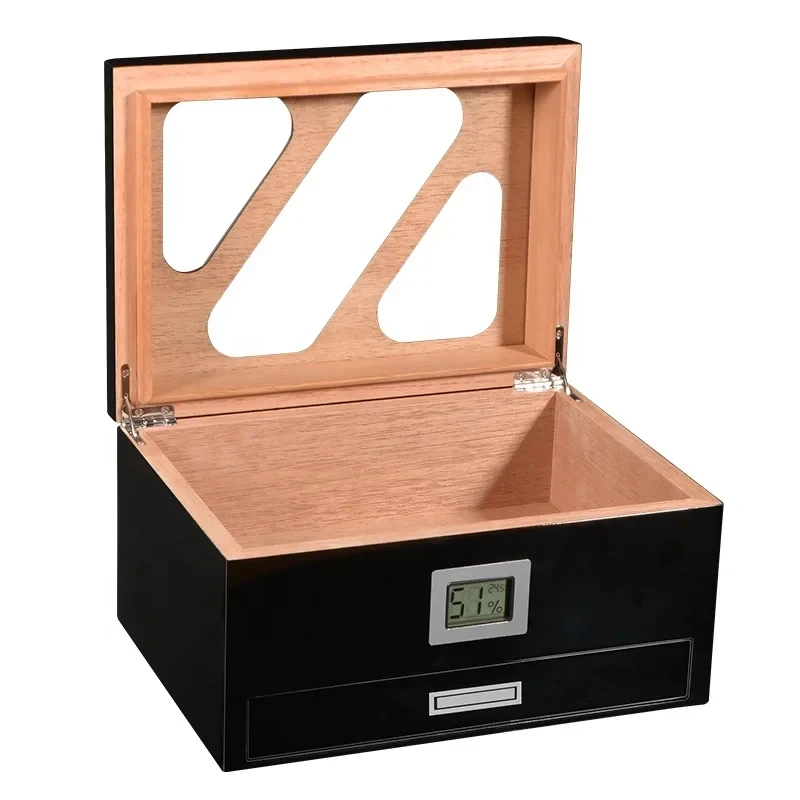
I use piano-style continuous hinges for some premium boxes. They spread the load across the full back edge, instead of concentrating it on two small points. This reduces screw loosening. Multi-point latches apply pressure at two or more points, keeping the lid pressed evenly against the rim. When pressure is balanced, sealing performance remains stable.
Hinge and Latch Design Options
| Caraterística | Vantagem | Limitação |
|---|---|---|
| Continuous hinge | Even load, long life | More costly |
| Dual side hinges | Better than single center hinge | Needs precise alignment |
| Multi-point latch | Even lid pressure | More parts, higher cost |
| Magnetic assist latch | Smooth closing, less wear | Weak seal alone |
In long-term use, I find that boxes with reinforced hinges stay aligned much better. This shows that hinge choice is not decoration—it decides sealing performance lifespan.
Which gasket materials and profiles resist compression set and still seal after thousands of cycles?
A gasket is the silent worker of sealing. The wrong material will flatten fast and leak within months.
Silicone, EPDM, and closed-cell foam gaskets resist compression set and keep sealing after thousands of open-close cycles. Profile shape also matters for durability.
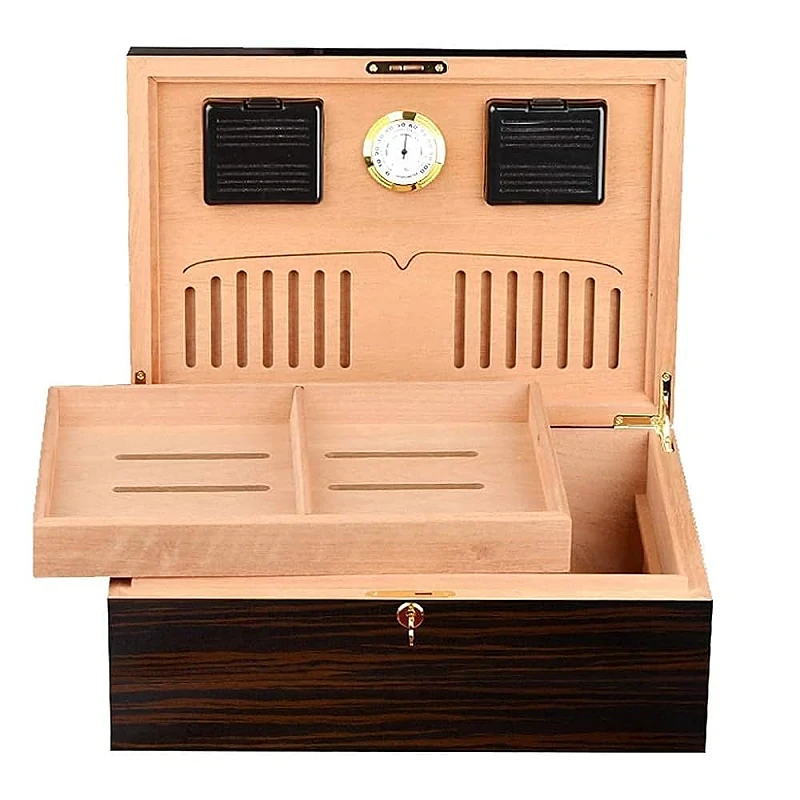
Natural rubber gaskets are cheap, but they harden and lose elasticity quickly. Silicone gaskets handle temperature and humidity swings well, and they stay elastic for years. EPDM is also good for compression resistance. For profiles, hollow D-shapes or bulb profiles maintain contact with less force, making them last longer.
Gasket Material and Profile Comparison
| Material | Compression Resistance | Vida útil | Custo |
|---|---|---|---|
| Natural rubber | Baixa | Curto | Baixa |
| EPDM | Elevado | Longo | Médio |
| Silicone | Muito elevado | Muito longo | Médio |
| Espuma de PU | Médio | Médio | Baixa |
| Profile Shape | Vantagem | Limitação |
|---|---|---|
| Flat strip | Simple, low cost | Flattens fast |
| D-shape | Good resilience | Needs precise fit |
| Bulb profile | Excellent sealing | Bulkier, costlier |
For my luxury clients, I recommend silicone D-shaped gaskets hidden under the lid. They are nearly invisible but extend sealing performance dramatically.
Should the lid and rim use anti-warp frames or metal inserts to maintain flatness over time?
Wood is alive—it warps, expands, and shrinks. A flat lid today may bow in two years without reinforcement.
Anti-warp frames or metal inserts keep the lid and rim flat, preventing gaps that appear with age. These reinforcements fight wood movement.
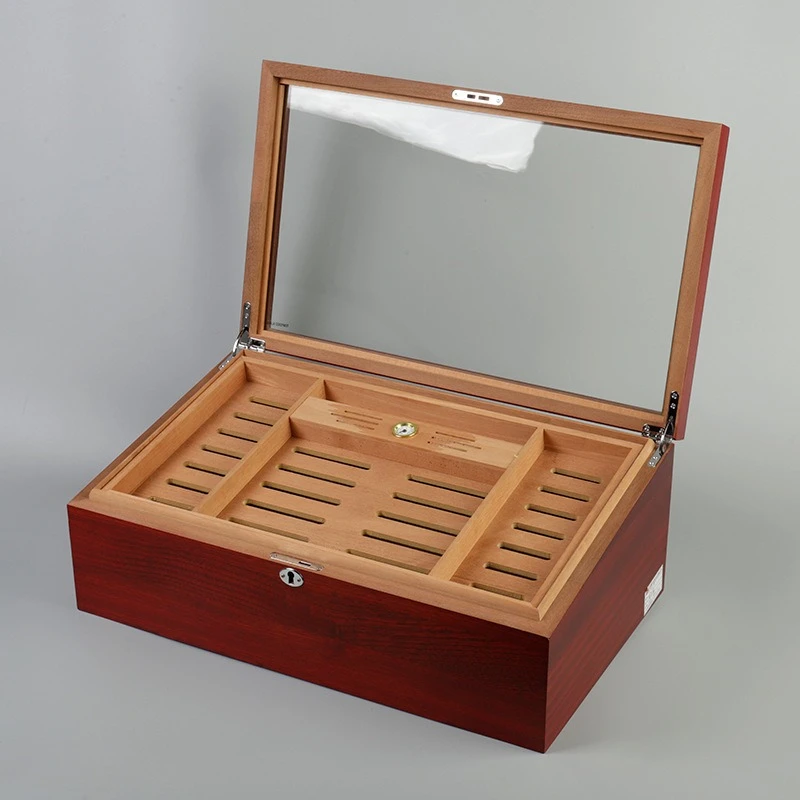
I often use hardwood frames around MDF cores. MDF resists warping, while hardwood adds strength. For very high-end boxes, I embed thin aluminum strips under the lid edge. The metal prevents bowing and keeps parallelism between lid and rim. This structural reinforcement ensures sealing consistency.
Anti-Warp Techniques
| Reinforcement | Eficácia | Uso comum |
|---|---|---|
| MDF core + veneer | Elevado | Embalagem de luxo |
| Hardwood frame | Médio | Caixas de gama média |
| Metal inserts | Muito elevado | Premium custom boxes |
In long storage, cigars depend on consistent flat contact between lid and rim. Reinforcement is a small hidden cost, but it prevents major sealing failures later.
How do tight manufacturing tolerances (gap, parallelism, torque) improve repeatable sealing?
Even the best hinge or gasket fails if gaps are inconsistent. Tolerances decide if sealing works every time.
Tight tolerances for gap, parallelism, and torque keep lids repeatable in their closing, ensuring consistent sealing over thousands of cycles.
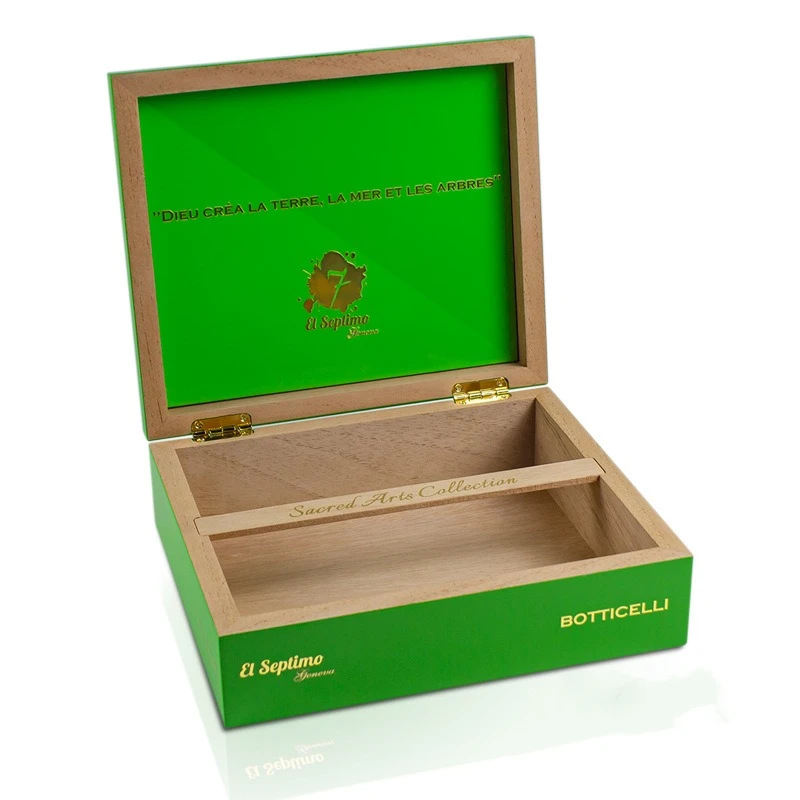
In production, I measure lid-to-rim gaps. A consistent 0.2–0.3 mm gap allows gasket compression without over-stressing it. Parallelism between lid and base is critical. If one side closes tighter than the other, leaks form. Screw torque for hinges also matters—too loose and they wobble, too tight and they strip wood.
Key Tolerances in Cigar Box Production
| Parâmetro | Target Value | Efeito |
|---|---|---|
| Gap | 0.2–0.3 mm | Uniform gasket compression |
| Parallelism | <0.1 mm deviation | Even contact all around |
| Hinge screw torque | Balanced, secure | Long-term alignment |
Buyers rarely ask about tolerances, but I always tell them that this is where premium boxes differ from cheap ones. Quality control here ensures repeatable sealing.
What cycle-test and maintenance features (replaceable seals, adjustable latches) extend sealing life?
No box lasts forever. But cycle tests and smart maintenance features extend sealing life greatly.
Cycle testing and maintenance-friendly designs like replaceable seals and adjustable latches keep cigar boxes sealing well over many years of use.
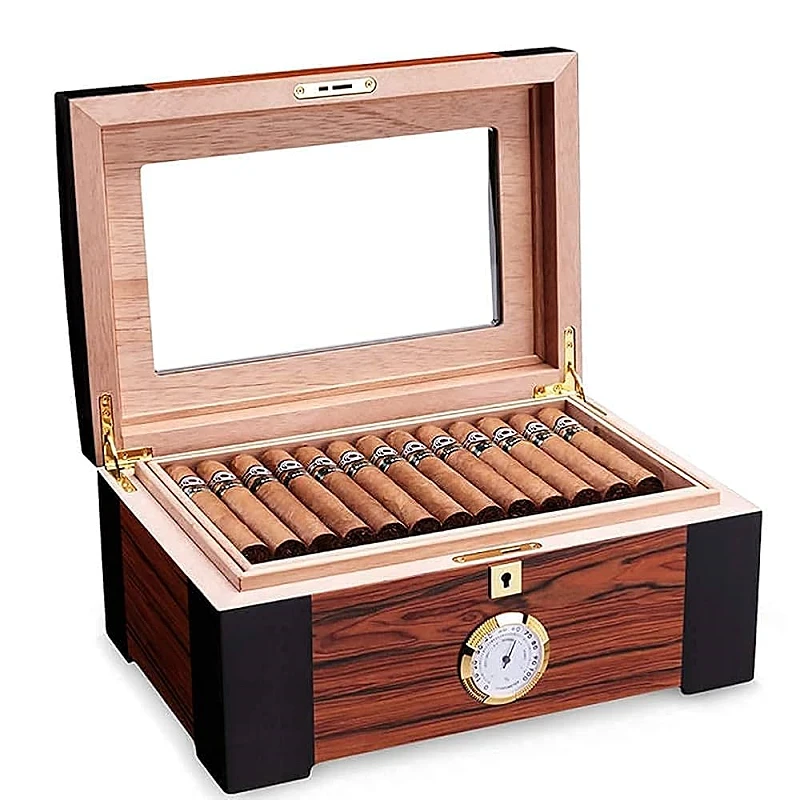
In my factory, I use mechanical arms to open and close test boxes 5,000 times. After testing, I check RH retention. This shows how hinges, latches, and gaskets age. For long-lasting designs, I also add replaceable seals. Buyers can swap a gasket strip instead of replacing the whole box. Adjustable latches allow users to tighten pressure again if the lid loosens.
Life-Extending Features
| Caraterística | Benefício | Example Use |
|---|---|---|
| Cycle testing | Predicts lifespan | 5,000–10,000 cycles test |
| Replaceable gasket | Easy maintenance | Luxury humidor boxes |
| Adjustable latch | Restores pressure | High-end jewelry cases |
These maintenance-friendly details are not expensive to add, but they extend sealing life by years. For serious collectors, this makes the difference between an ordinary box and a professional storage solution.
Conclusão
Frequent opening does degrade sealing, but smart design in hinges, gaskets, frames, and tolerances keeps cigar boxes airtight for years.
Nome da marca: WoodoBox
Slogan: Caixas de madeira personalizadas, fabricadas na perfeição
Sítio Web: www.woodobox.com
WhatsApp: +86 18359265311

 Português
  English
  Español
  Deutsch
  Français
  Italiano
  العربية